

Sighting map
Black-tailed Rattlesnake sightings in Big Bend
Loading the Big Bend map
Full mapFewerMore sightings
Where Black-tailed Rattlesnake has been reported, from 150 sightings. Not a live tracker: animals move, and an empty area doesn’t mean there are none.
Keep this map with you offline in the Parkwolf appTiming
When to look
| Hour | Share of busiest hour |
|---|---|
| 12 AM | 11% |
| 1 AM | 6% |
| 2 AM | 3% |
| 3 AM | 3% |
| 4 AM | 8% |
| 5 AM | 47% |
| 6 AM | 84% |
| 7 AM | 79% |
| 8 AM | 58% |
| 9 AM | 37% |
| 10 AM | 26% |
| 11 AM | 21% |
| Noon | 21% |
| 1 PM | 21% |
| 2 PM | 26% |
| 3 PM | 37% |
| 4 PM | 58% |
| 5 PM | 79% |
| 6 PM | 89% |
| 7 PM | 100% |
| 8 PM | 84% |
| 9 PM | 53% |
| 10 PM | 26% |
| 11 PM | 16% |
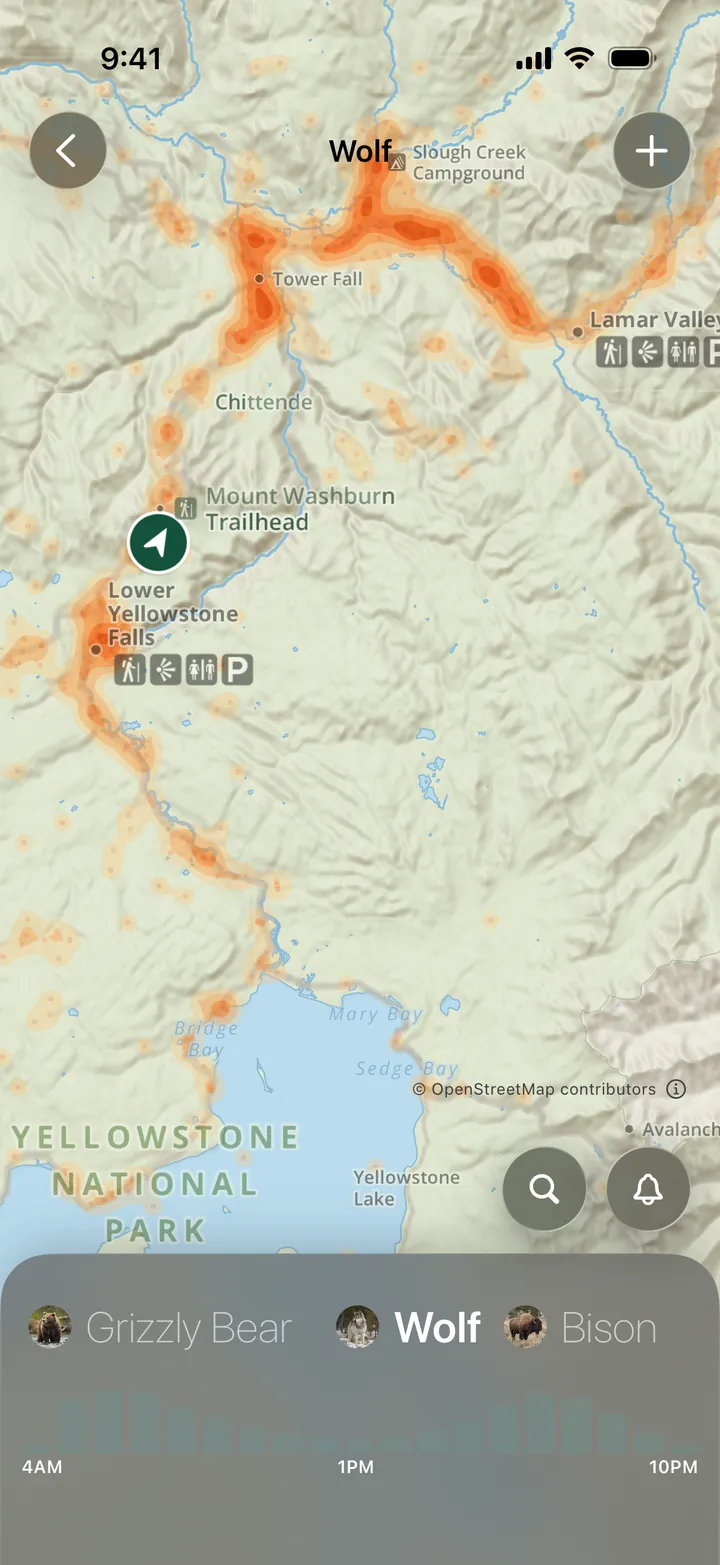
Find Wildlife in Parkwolf
Every sighting map, in your pocket.
- 16 sighting mapsfor Big Bend, on the same park map as your route
- Works offlineout where the animals are and the signal isn’t
- 110 audio storiesplay as you drive Big Bend, wildlife included


Wildlife
More wildlife in Big Bend
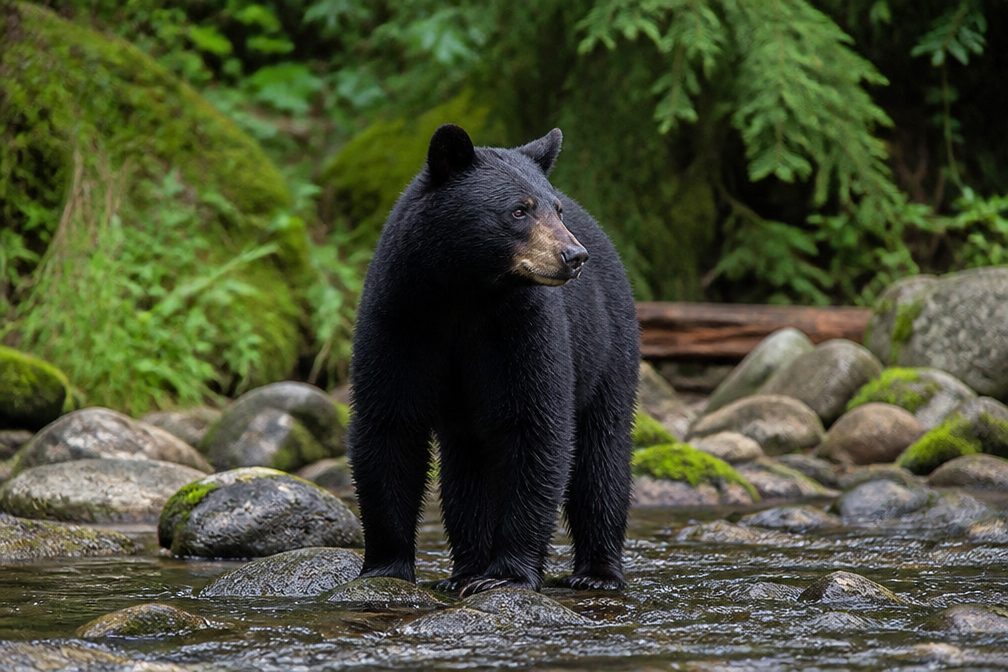 377 sightingsBlack BearUrsus americanusMost seen 7 AM & 6–8 PMSighting map
 329 sightingsCollared PeccaryPecari tajacuMost seen 7 AM & 6–8 PMSighting map
 500 sightingsWhite-tailed DeerOdocoileus virginianusMost seen 6 AM & 7 PMSighting map
 985 sightingsRoadrunnerGeococcyx californianusMost seen 7–10 AM & 5 PMSighting map
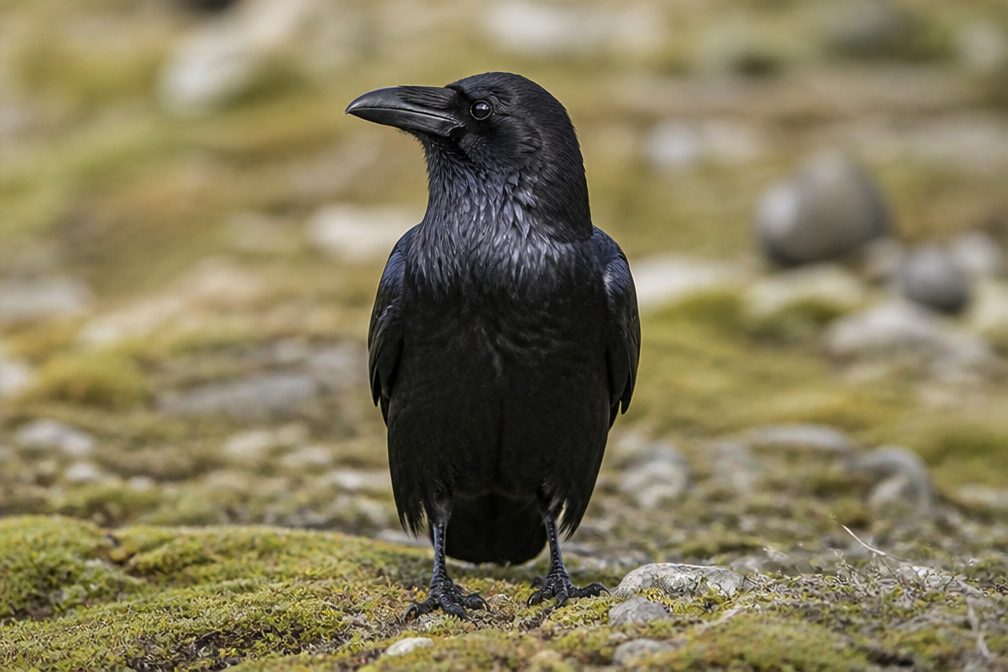 228 sightingsRavenCorvus coraxMost seen 9 AM–12 PM & 3–7 PMSighting map
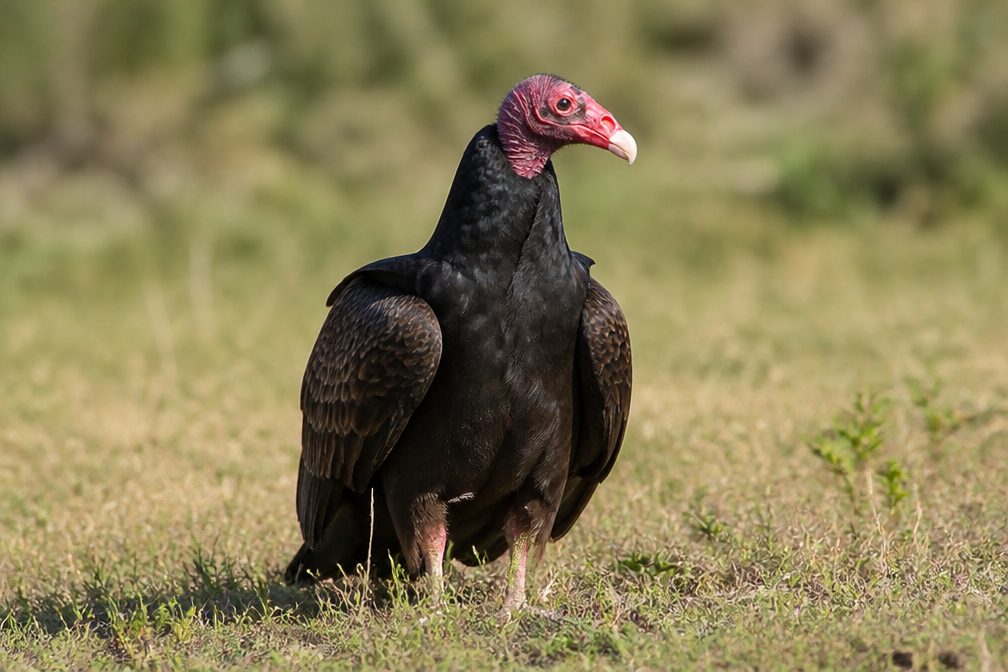 264 sightingsTurkey VultureCathartes auraMost seen 10 AM–5 PMSighting map
 109 sightingsBlack HawkButeogallus anthracinusMost seen 8–10 AM & 4–7 PMSighting map
 354 sightingsDiamond-backed RattlesnakeCrotalus atroxMost seen 7 AM & 6–8 PMSighting map