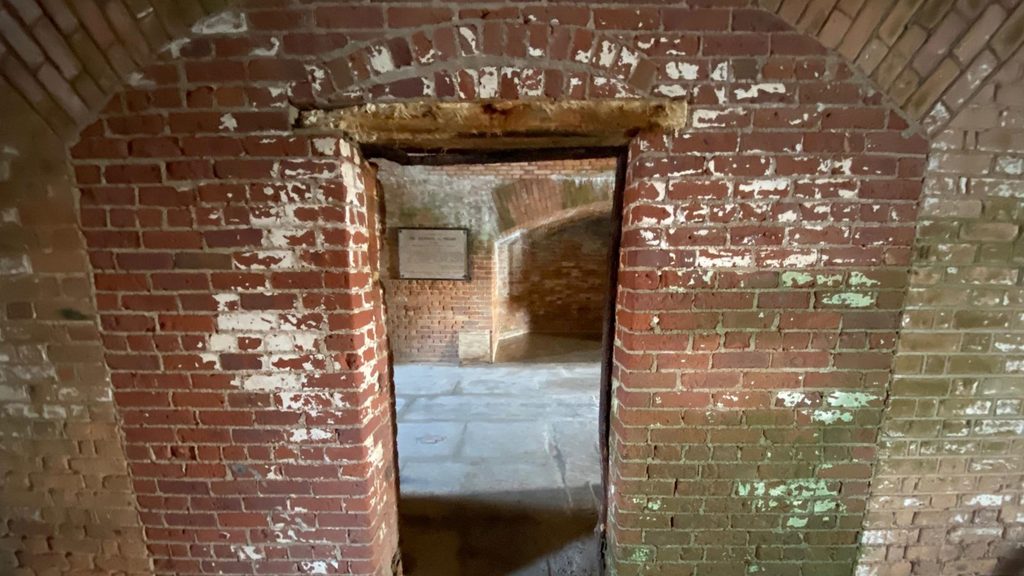
Fort Jefferson Prison Cells

Grim Civil War–era cells inside America’s largest brick fort
Fort Jefferson Prison Cells, Dry Tortugas National Park
InsideDry Tortugas National Park

Overview

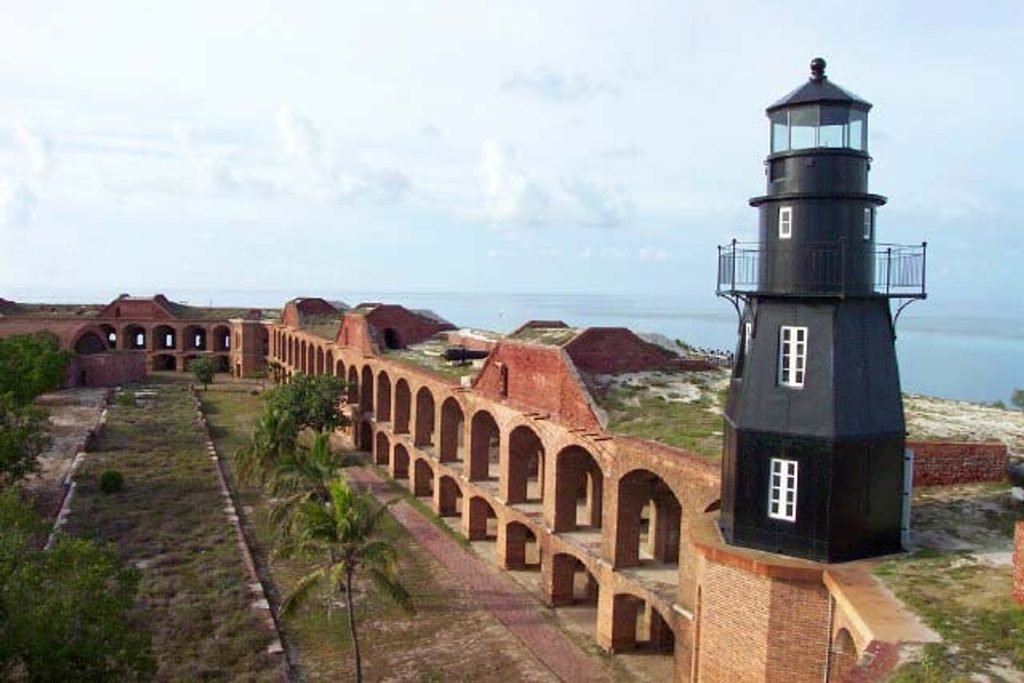
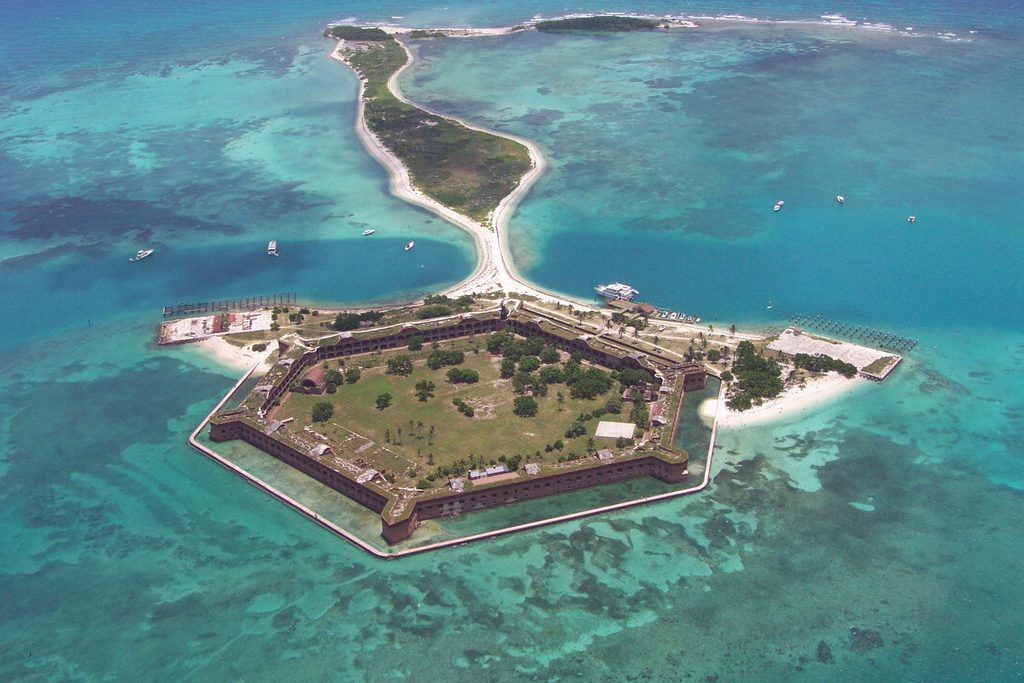
Tucked inside Fort Jefferson on Garden Key, the prison cells tell the fort’s harsh Civil War–era story. This massive stronghold—built from over 16 million bricks—was never a modern penitentiary; rooms and gun positions were adapted to hold inmates. The result is a raw, atmospheric slice of history that’s far more gripping than a typical museum hall.

What You'll See

  • Dr. Samuel Mudd’s cell sits on the second tier above the sallyport—one of the most asked‑about stops in the fort.
  • The notorious dungeon in Bastion D served as the most severe confinement area. It isn’t underground (nothing is, given the island’s geology), but it feels every bit as forbidding.
  • Above the dungeon door, look for the chilling inscription from Dante: “Whoso entereth here leaveth all hope behind.”
  • Details matter here: carved trenches in the floor (prisoner handiwork to divert rainwater), thick brick arches, loopholes framing slivers of sky, and interpretive signs that tie it all together.

History Snapshot

During and after the Civil War, Fort Jefferson imprisoned over 2,500 people—mostly Union deserters. The most famous inmate, Dr. Mudd (tied to Lincoln’s assassination), and other conspirators spent time in regular confinement and, after an escape attempt, the dungeon. Conditions were brutal: forced labor, sweltering heat, disease (including yellow fever), and meager rations. The fort’s reputation as “Devil’s Island” wasn’t hyperbole. Prison operations ended by 1888; the site later became a quarantine station and, eventually, part of a national park.

What Makes It Unique

Few places let you walk through cells inside such a colossal, isolated coastal fort. The setting—a remote brick citadel encircled by a moat—amplifies the stories. And unlike recreated exhibits, these are the real rooms where events unfolded.

Wildlife Note

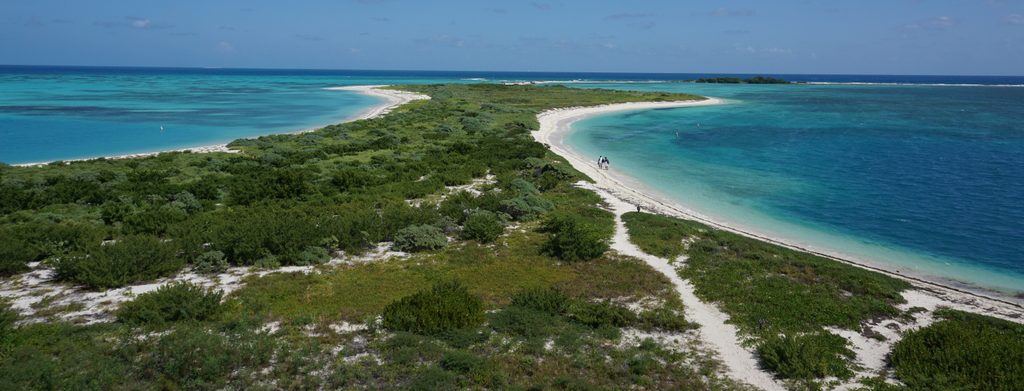
You won’t find wildlife in the cells, but step outside and you’re in a hotspot for seabirds and marine life. Bring binoculars if you plan to explore the ramparts or shoreline after your history fix.

Tips for Visiting

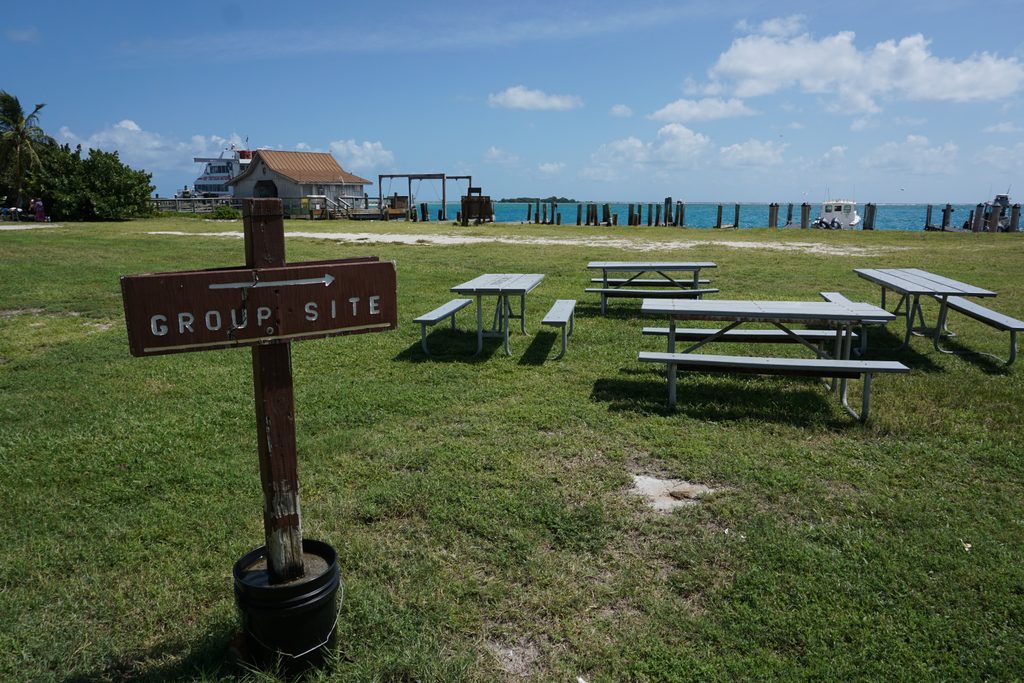
  • Bring plenty of water, sun protection, and snacks—there are no services inside the fort.
  • Wear sturdy shoes; uneven brick floors and stairs are the norm.
  • Seek out Bastion D for the dungeon and the second tier above the sallyport for Dr. Mudd’s cell.
  • Read the interpretive signs and join a ranger‑led talk or tour if offered—stories make the place come alive.

Best Time to Visit

Whenever you’re on Garden Key, make time for the cells. If possible, align your visit with a ranger‑led program. Plan around the heat—interiors can be stifling, especially in summer—so pace yourself and hydrate.

Pros

  • See Dr. Mudd’s cell and the Bastion D dungeon up close
  • Evocative Civil War history inside the largest brick fort in the Americas

Cons

  • Hot, humid interiors and bugs, especially in summer
  • No services on-site; bring all water and supplies

Tips

  • Bring at least a full bottle of water before entering the fort.
  • Wear sturdy shoes for uneven brick floors and narrow stairs.
  • Find Bastion D for the dungeon and the second tier for Dr. Mudd’s cell.
  • Catch a ranger‑led tour or talk if offered to deepen the stories.
  • Scan the ramparts afterward with binoculars for seabirds and views.
The Parkwolf tour guide sitting on a phone mounted in a car

Parkwolf Tour Guide

Like a tour guide in your car.

Save the places you found around Dry Tortugas, then let Parkwolf guide the drive between them.Download Parkwolf on the App Store