
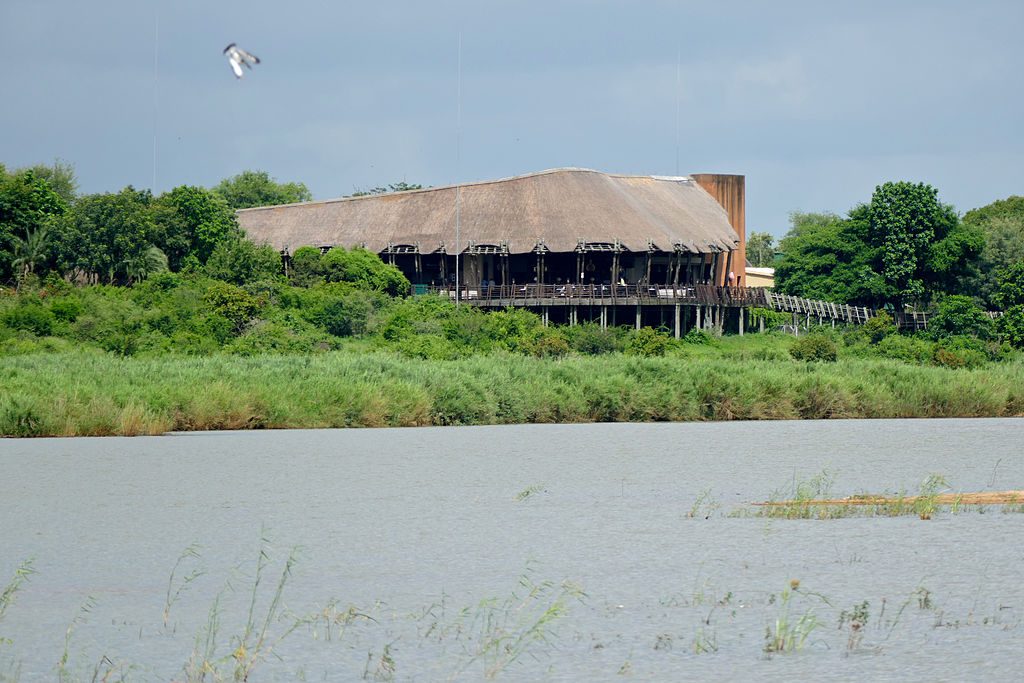
Place · 0 mi away
Easy
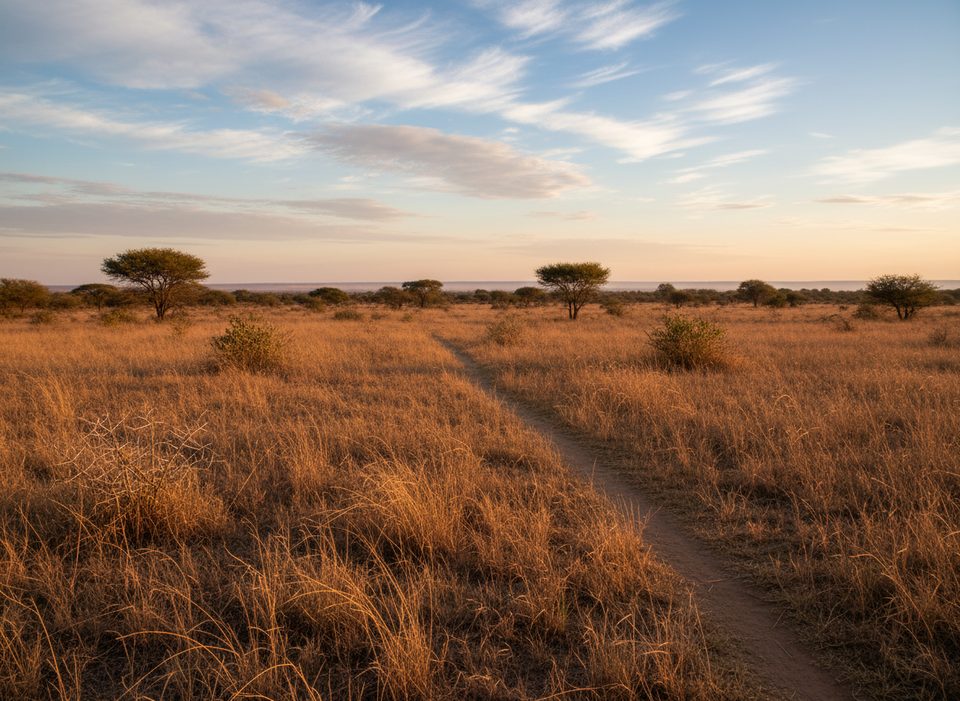
This is a guided, small‑group bush walk led by two armed field guides from Lower Sabie Rest Camp. There’s no fixed or way‑marked route—your guides choose the day’s path based on wind, fresh animal sign, and safety. Expect an easy pace with frequent stops to interpret tracks, dung, birds, plants, and the broader ecology of the Sabie River corridor. Time on foot is typically 2–3 hours with a short vehicle transfer to and from the start, covering roughly 3–6 km total.
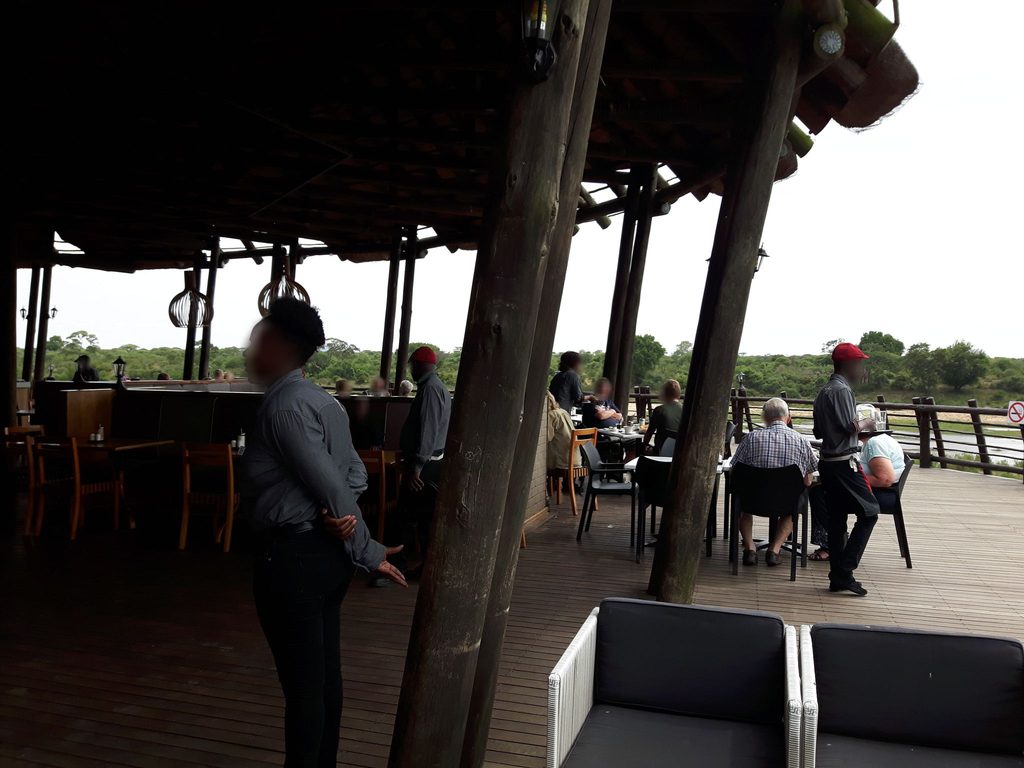
Lower Sabie sits along the Sabie River under big riverine trees like sycamore fig, with surrounding knob thorn and marula savanna on basalt soils—prime habitat that draws grazers and their predators. You’re in Big Five country, but on-foot experiences emphasize reading the bush: spoor of lion or leopard, buffalo pathways, hippo activity along water, and an abundance of plains game sign. Birders should watch for large river birds and diverse riparian species. Crocodiles and hippos frequent nearby rivers and dams, and the pre/post‑walk drive often passes productive waterholes.
Plan for 2–3 hours total on foot, about 3–6 km at a conversational, stop‑and‑learn pace. Terrain is uneven and off‑trail with sun exposure. Difficulty is easy to moderate for most reasonably fit walkers; the heat can be the hardest part.
You’ll meet at camp, get a safety briefing, and then drive with your guides to the starting point. The route is adapted in real time for wildlife movements and wind, and can be shortened or rerouted if needed. Spaces are limited—book early at Lower Sabie reception. Typical minimum age is around 12; confirm current age/health requirements when you book. Pets aren’t allowed anywhere in the park and cannot join guided walks.
Dry season (roughly May–October) is the sweet spot for walking: cooler temperatures, thinner vegetation for safer, easier viewing, and wildlife concentrating at water. In the green/rainy months (November–April), expect lusher bush, great birding, higher heat and humidity, and afternoon storms—start as early as possible. In summer, consider malaria precautions and carry extra water.
Wear neutral colors, closed shoes, a hat, sunscreen, and insect repellent. Carry 1–2 liters of water and a light layer—dawn can be chilly even in the dry months. Manage expectations: big‑game encounters are a bonus, not a guarantee, and there’s no single viewpoint “payoff.” The reward here is reading an active landscape with expert guides in one of Kruger’s most wildlife‑rich areas.
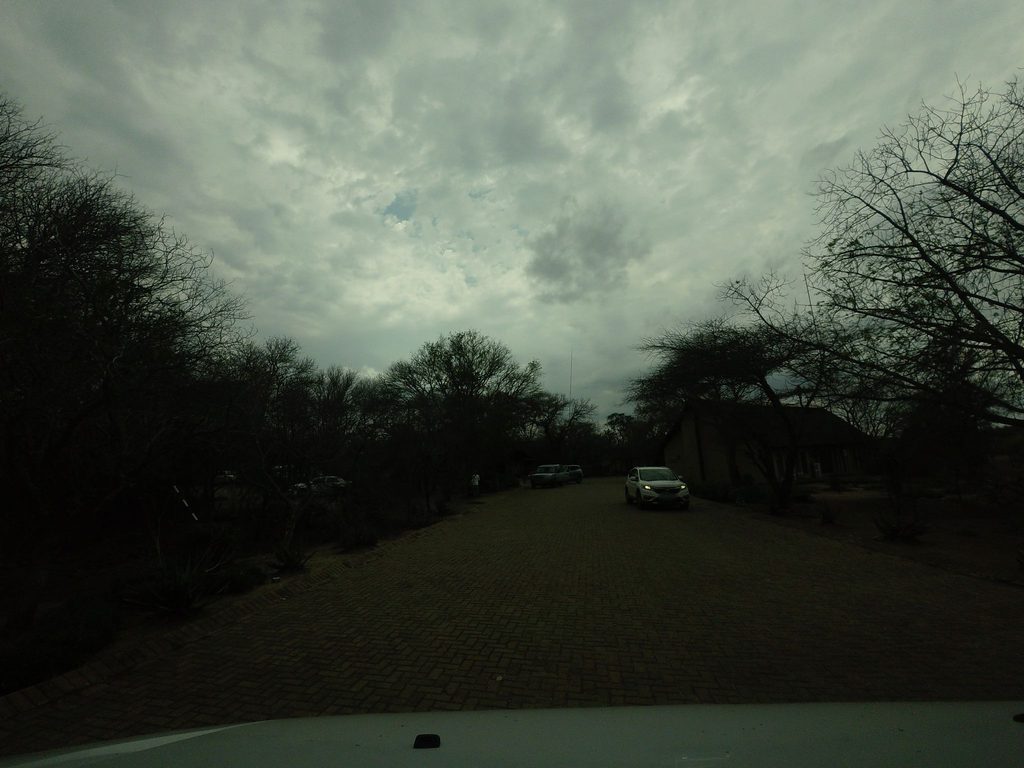
Meet at Lower Sabie Rest Camp reception; use camp parking and follow staff instructions for your scheduled departure.
You’ll be on foot in Big Five habitat—follow guide instructions at all times. Expect heat, sun, and off‑trail footing; carry 1–2 liters of water. Summer brings higher temperatures, humidity, insects, and malaria risk. No pets.
Place · 0 mi away
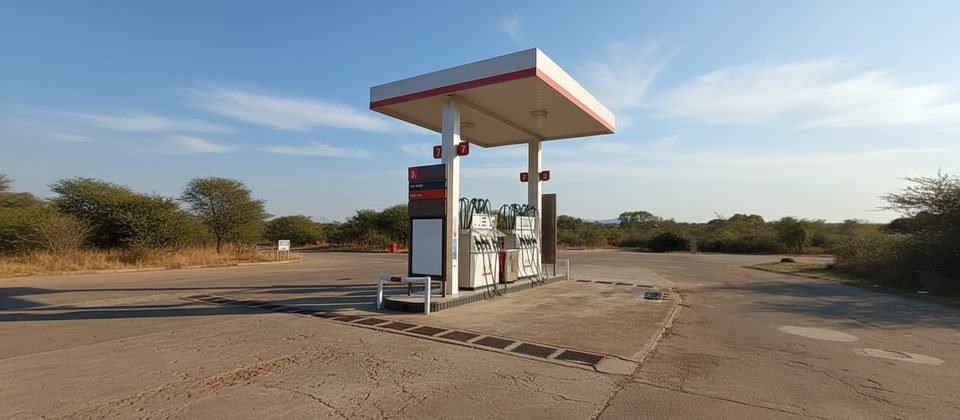
Place · 0 mi away
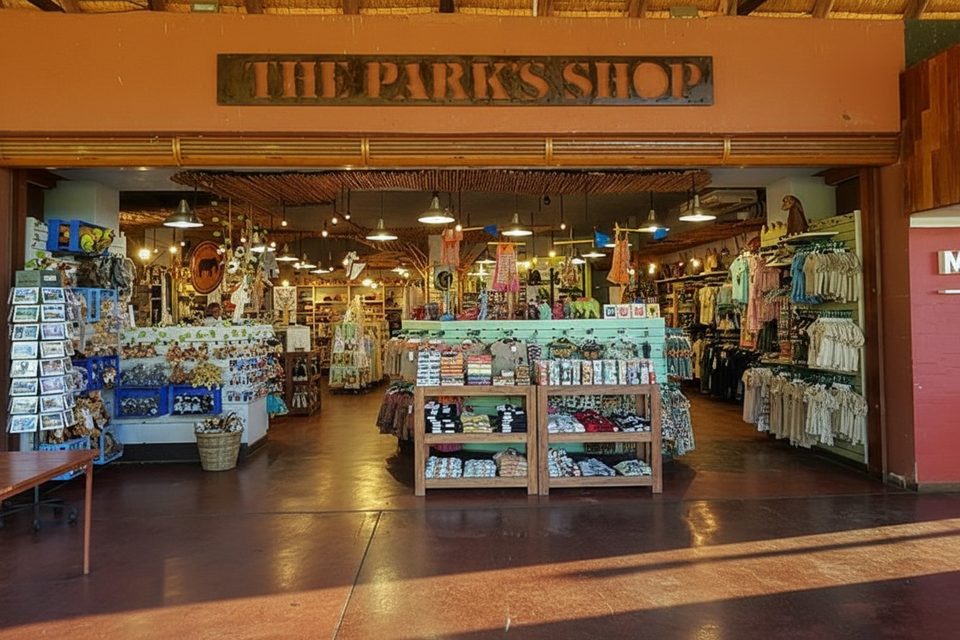
Place · 0.1 mi away
Place · 0.1 mi away
Moderate · 36 mi away
Easy · 40.6 mi away
Moderate · 43.5 mi away
Easy · 55.4 mi away

Parkwolf Tour Guide
