
Place · 0 mi away
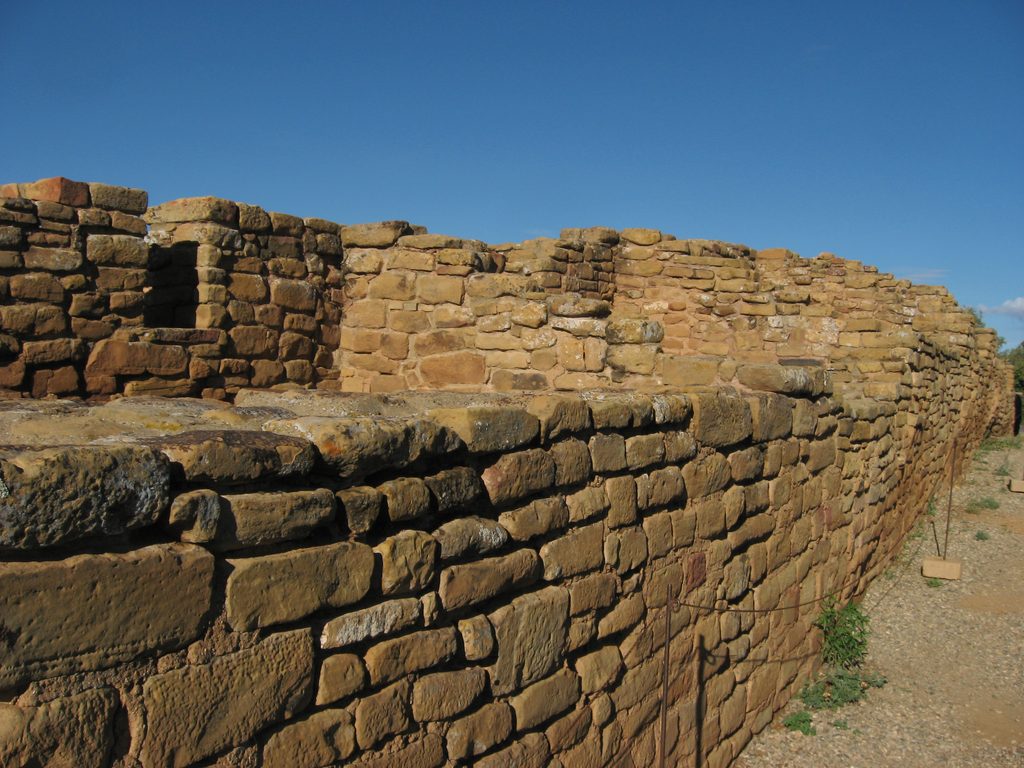
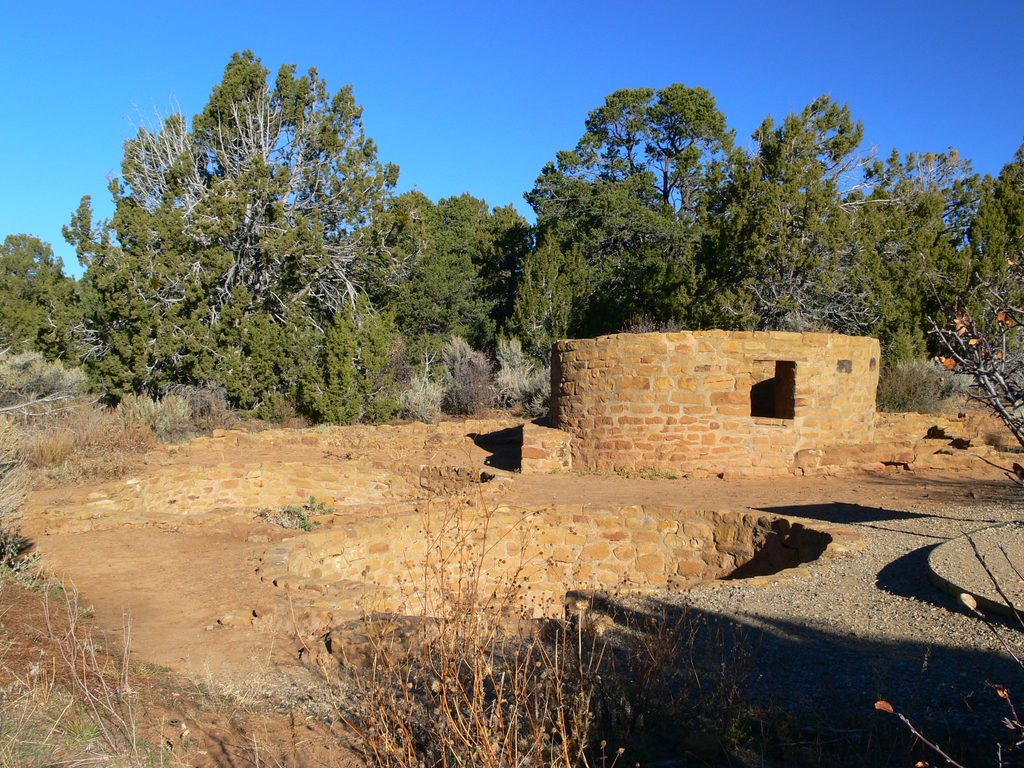
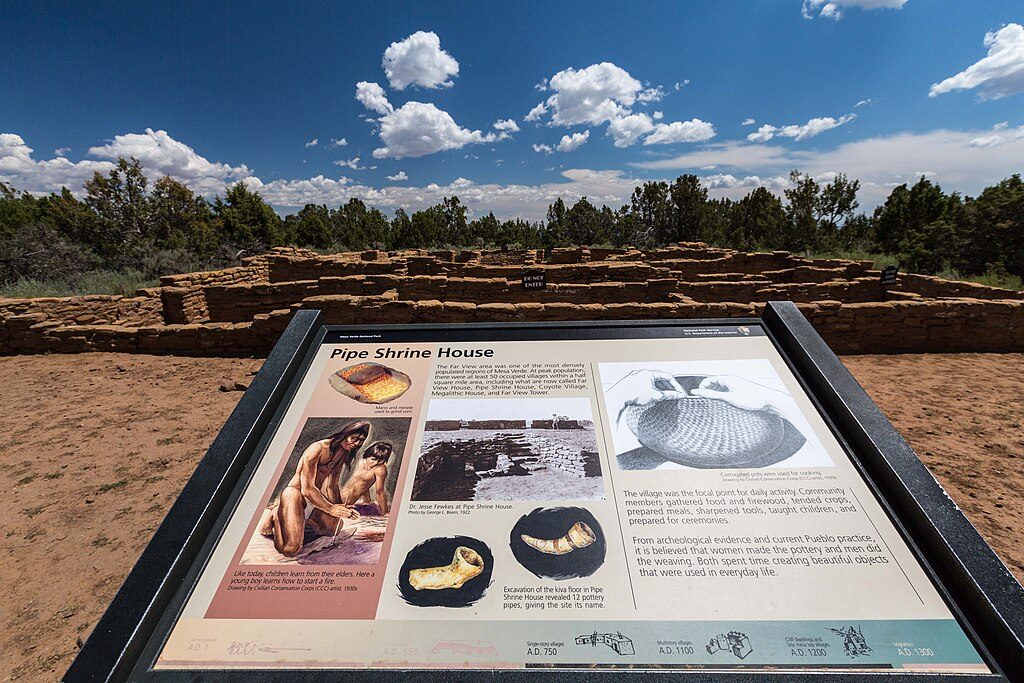
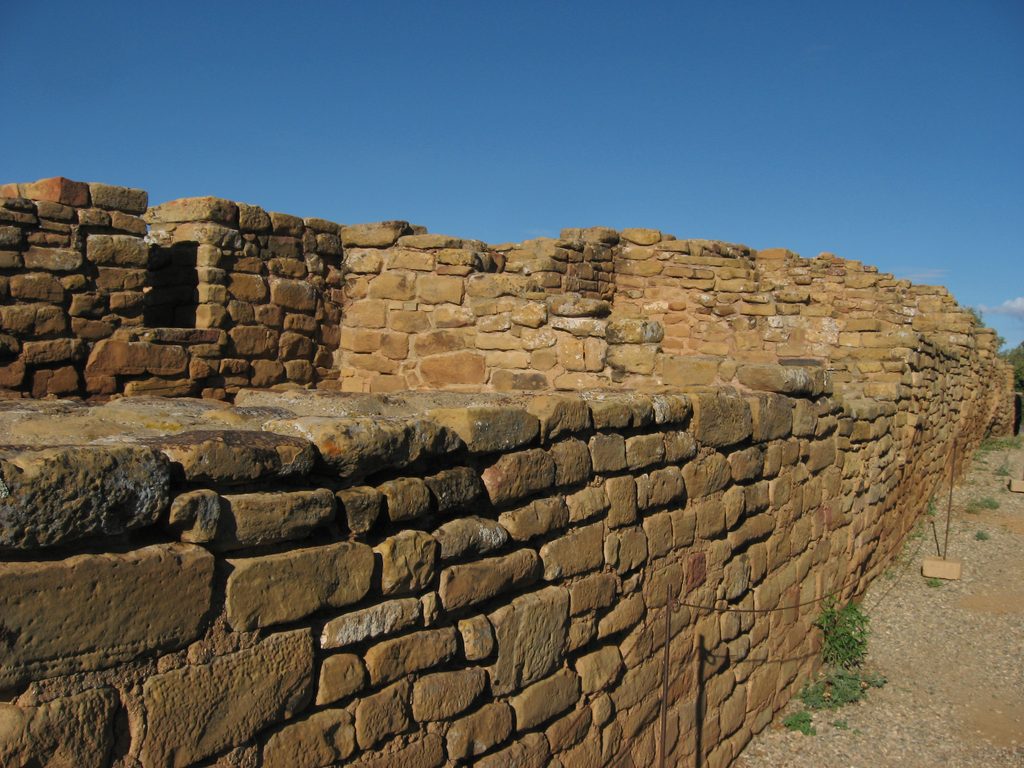
Far View Sites is where Mesa Verde’s story starts to click. This mesa-top cluster was among the most densely populated parts of the park from about A.D. 900 to 1300, with nearly 50 villages identified within a half square mile. It’s a short, self-guided walk through stabilized surface dwellings that show how people lived on the mesa centuries before (and even while) some communities moved into the cliff alcoves.
A linked set of excavated sites—Far View House, Pipe Shrine House, Coyote Village, Far View Reservoir, Megalithic House, and Far View Tower—connected by an easy loop. Each stop has signage that explains what you’re looking at, so you can take it at your own pace without a tour.
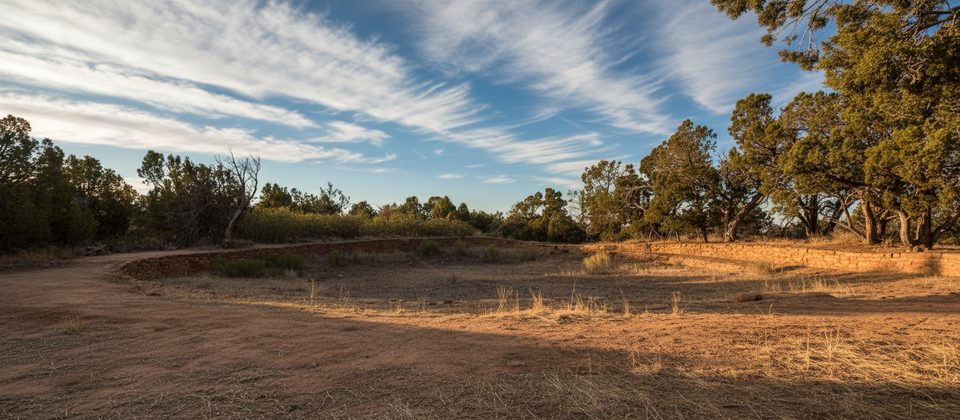
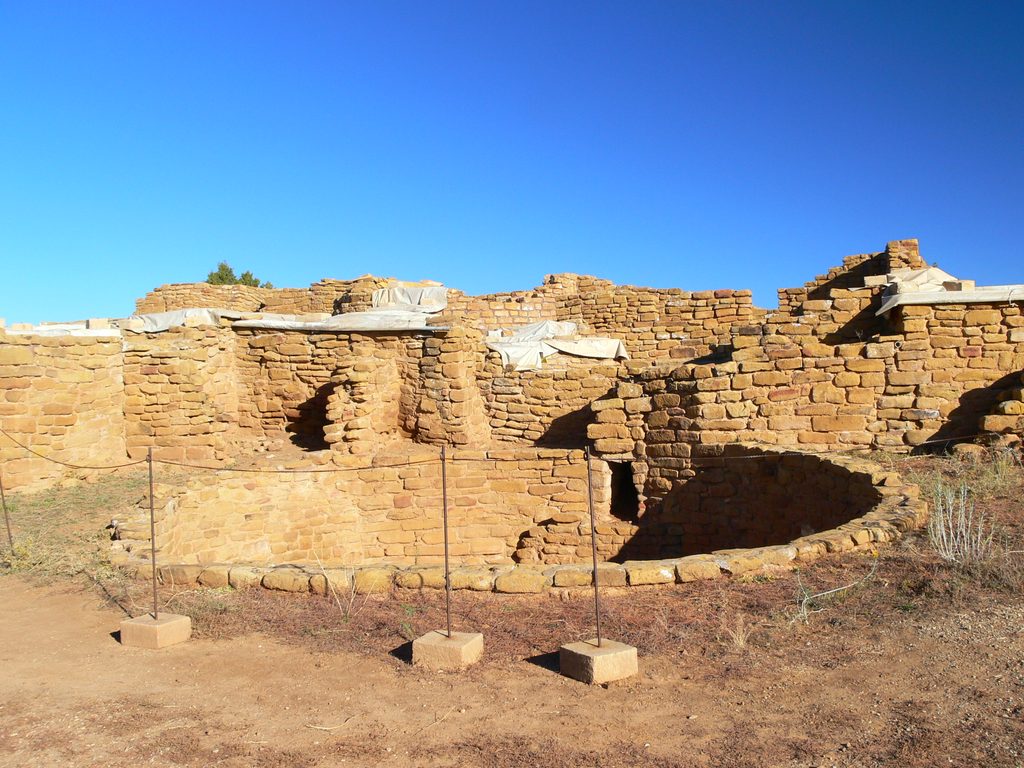
Far View House began as an 11th‑century Great House with a large kiva and roughly 30–40 surrounding rooms, some rising up to three stories; later, three smaller kivas were added. Nearby features round out the picture of mesa‑top life: towers often appear in association with kivas, suggesting ceremonial or even signaling roles. The circular Far View Reservoir has been interpreted either as a water reservoir or as an unroofed Great Kiva—its original function is still debated. Together, these sites spotlight daily life and ceremony on the mesa long before the cliff dwellings took center stage.
This is one of the easiest ways to see pueblos without ladders or steep stairs. Follow the signed, mostly flat path and linger at the panels—they do a lot of heavy lifting. Please stay on trail, don’t touch or climb walls, and don’t enter kivas; beyond being fragile, many people consider them sacred spaces.
You’re walking open mesa country. Expect birds, small mammals, and the occasional reptile; give all wildlife space, and never feed animals. Keep voices low around the kivas and towers—this adds to the experience and respects the site.
Parking is small and fills quickly. There’s no water on site, and you shouldn’t count on a restroom at the trailhead—plan a quick stop at the nearby Far View Terrace/Lodge area before you start. Trails can be muddy after rain; sturdy shoes help.
Go early morning or late afternoon for cooler temperatures and softer, photogenic light on the stonework. Winter can bring snow and ice on paths; check current conditions before heading out.
Place · 0 mi away
Place · 0.1 mi away
Place · 0.1 mi away
Place · 0.1 mi away
Easy · 0 mi away
Easy · 3.1 mi away
Moderate · 3.5 mi away
Moderate · 3.5 mi away

Parkwolf Tour Guide
