
Place · 1.4 mi away
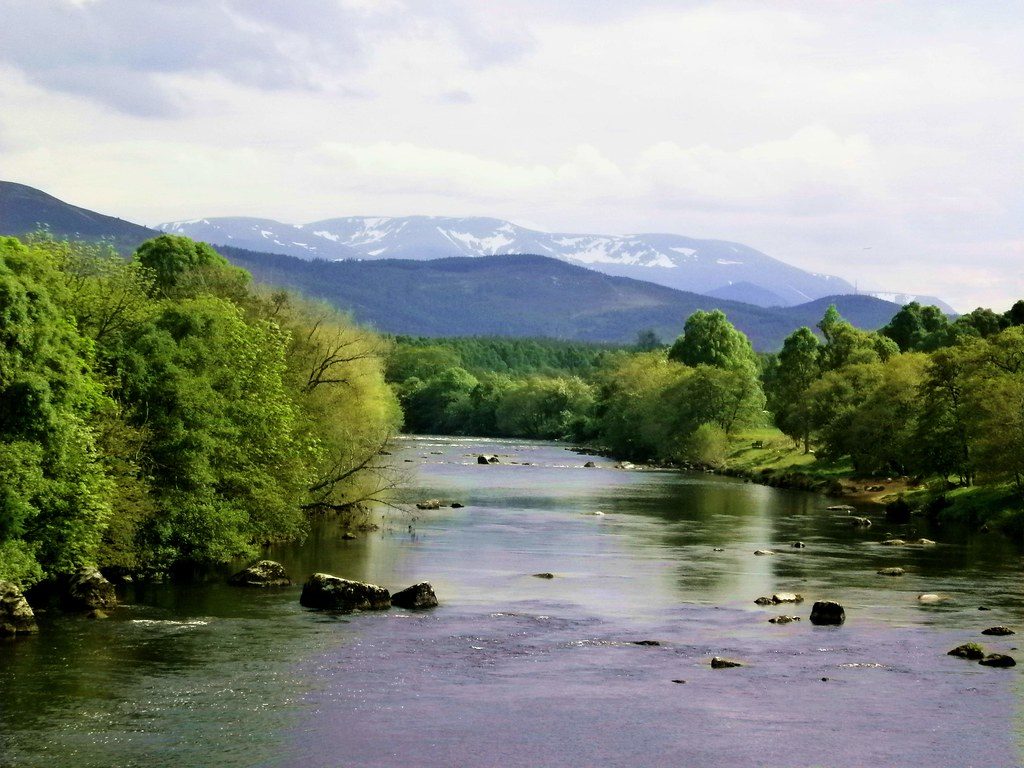
The River Spey is the Highlands turned up to eleven: a broad, fast, silver ribbon running from Loch Spey to the sea and slicing through pine forests and big mountain backdrops. It’s widely regarded as Scotland’s fastest‑flowing major river, and it feels that way from the bank—always on the move, pushing gravel into ever‑changing shingle bars and islands.
Close to Aviemore, paths keep beside the river for long stretches, giving you constant views of its braided, gravel‑flecked channels, willow‑lined bends, and wide skies. Expect classic Highland scenery—Cairngorm foothills, ancient Caledonian pine fringes, and the odd historic bridge. Down the valley, distilleries remind you you’re in Speyside, where whisky is part of the landscape.
Birders do well here. Ospreys hunt especially around Loch Insh, while dippers, sand martins, and mergansers work the riffles. Buzzards are a common overhead companion. In quiet moments you might luck into otters or even a pine marten along wooded margins. The nearby forests are home to capercaillie—rare and highly sensitive—so keep disturbance to an absolute minimum, particularly April–August.
From Aviemore, casual walkers can start riverside loops from the Dalfaber industrial estate area—there’s roadside parking and straightforward pathfinding once you cross the railway bridge. Don’t expect built facilities at the river itself: no listed restrooms, picnic tables, or shops at the access points. Stock up in town and treat this as a natural riverside outing.
The Spey’s speed is its superpower and its hazard. Expect a persistent push of water, tricky wades, and shifting gravel underfoot. Novice paddlers should choose easier sections and go with experienced company. Keep dogs under control near wildlife, follow the Scottish Outdoor Access Code, and give capercaillie habitat a wide berth in breeding season.
Speyside isn’t just scenic—it’s cultural. The river underpins a storied whisky belt and once helped move people and goods alongside the old Strathspey Railway (now a partial heritage line). Geologically, that unusual late‑course drop from Grantown towards the sea keeps the Spey energetic right to the end, constantly reworking its shingle banks—part of what makes riverside walks here feel alive.
Place · 1.4 mi away
Place · 1.5 mi away
Place · 1.5 mi away
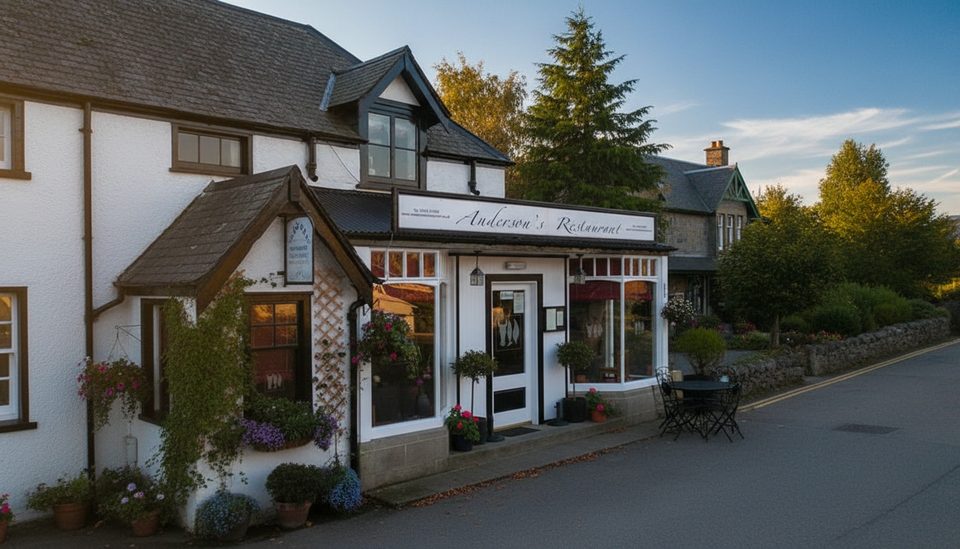
Place · 1.6 mi away
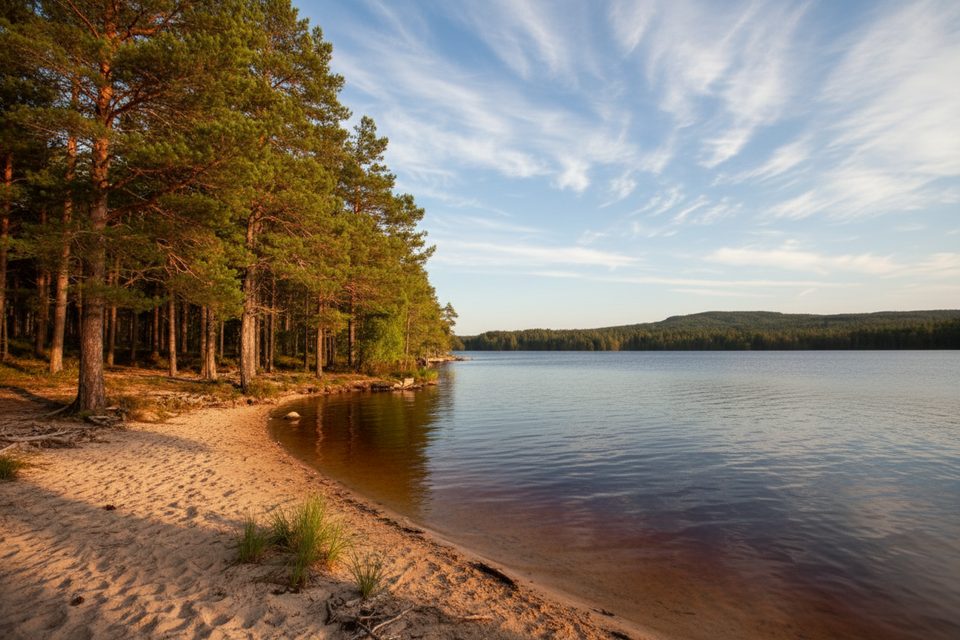
Moderate · 1.9 mi away
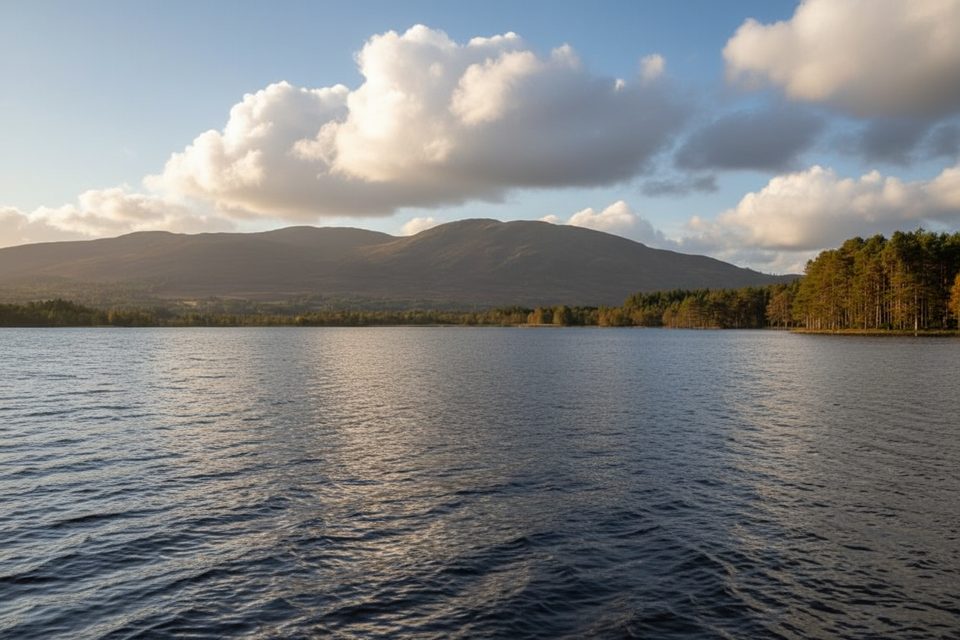
Moderate · 1.9 mi away
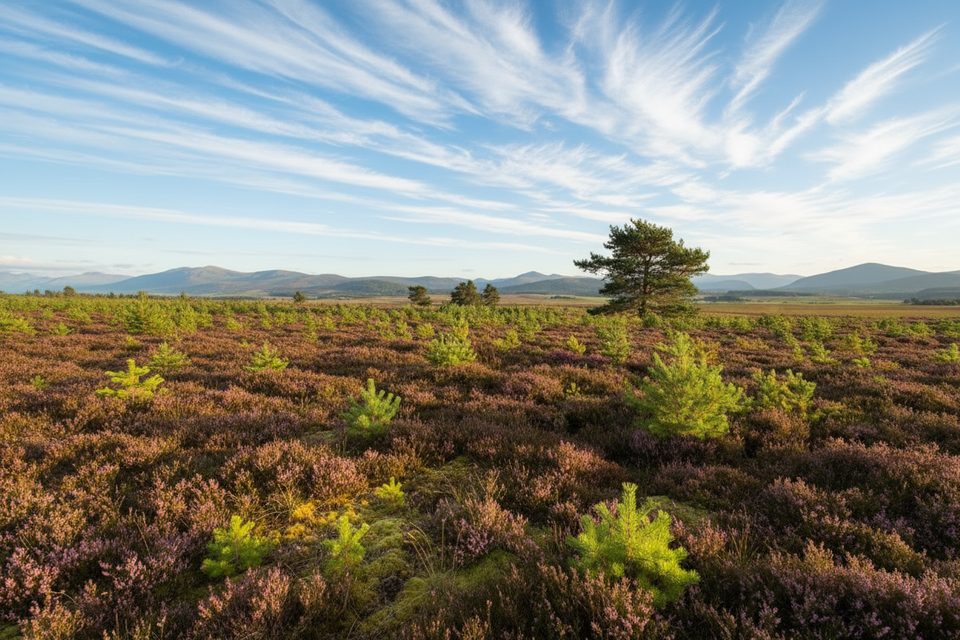
Easy · 1.9 mi away
Easy · 2 mi away

Parkwolf Tour Guide
