Overview
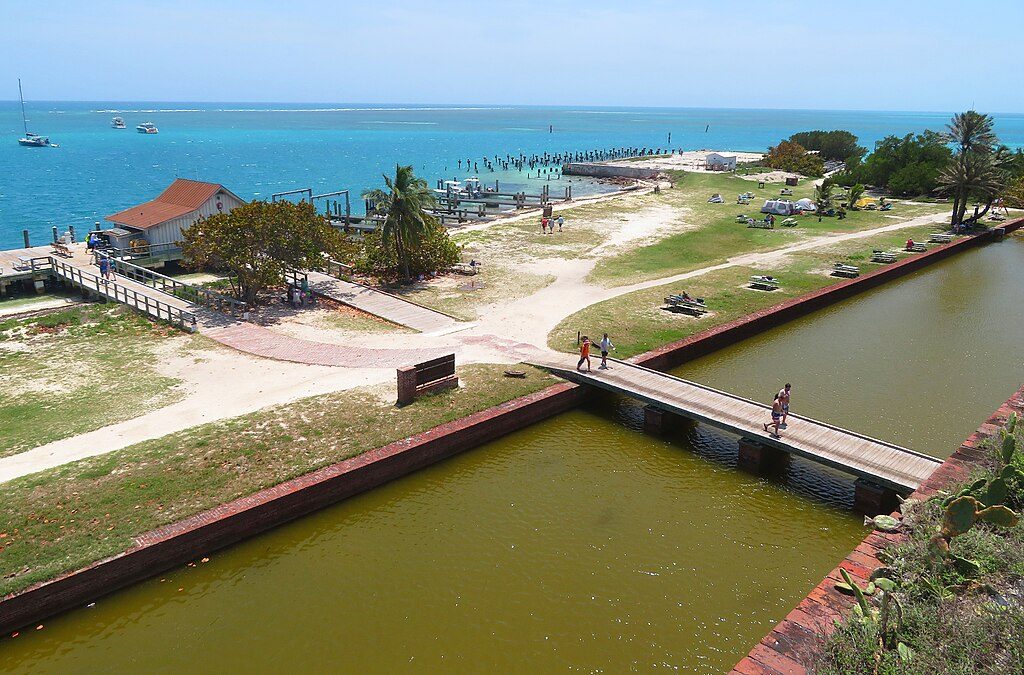
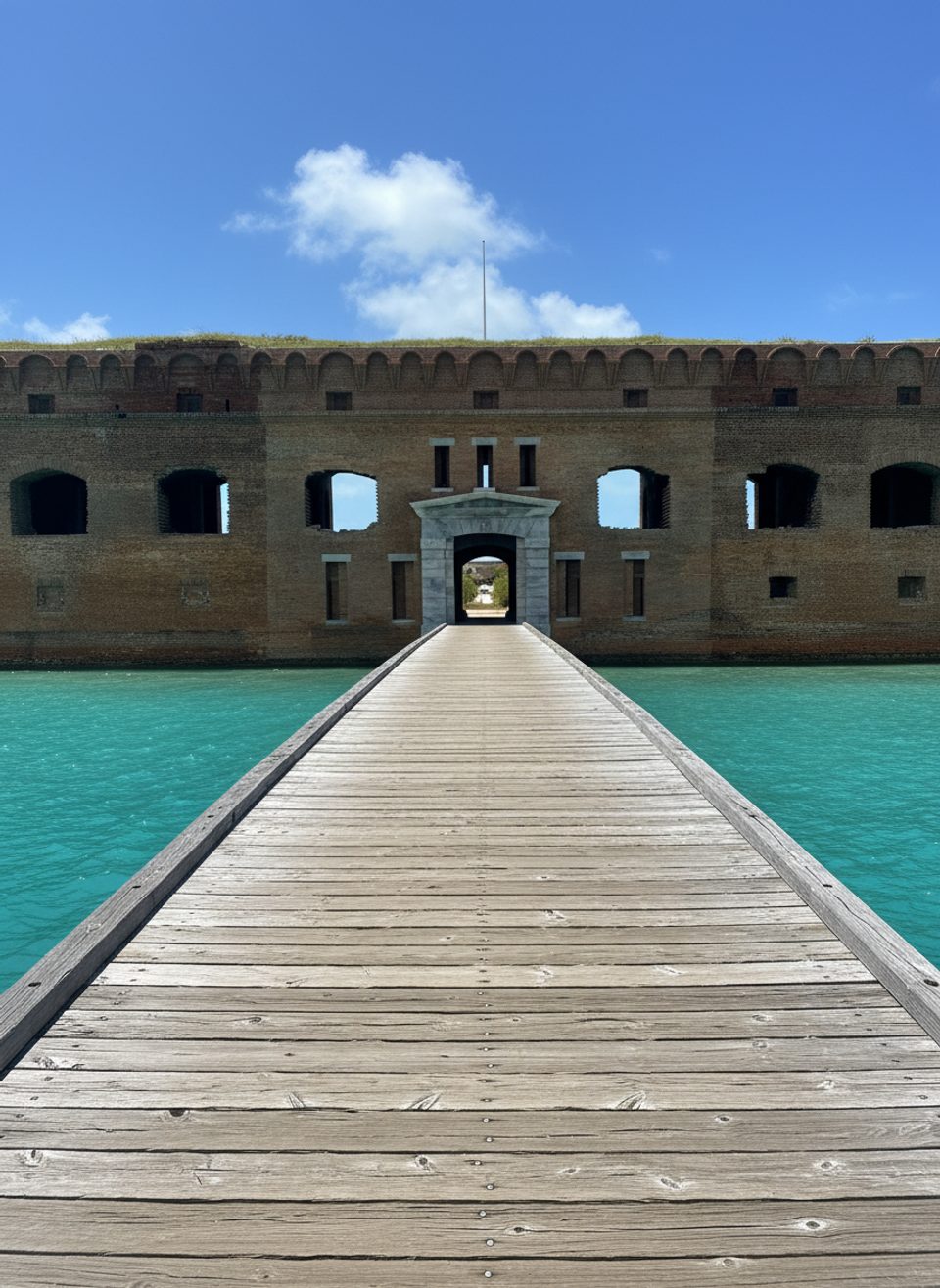
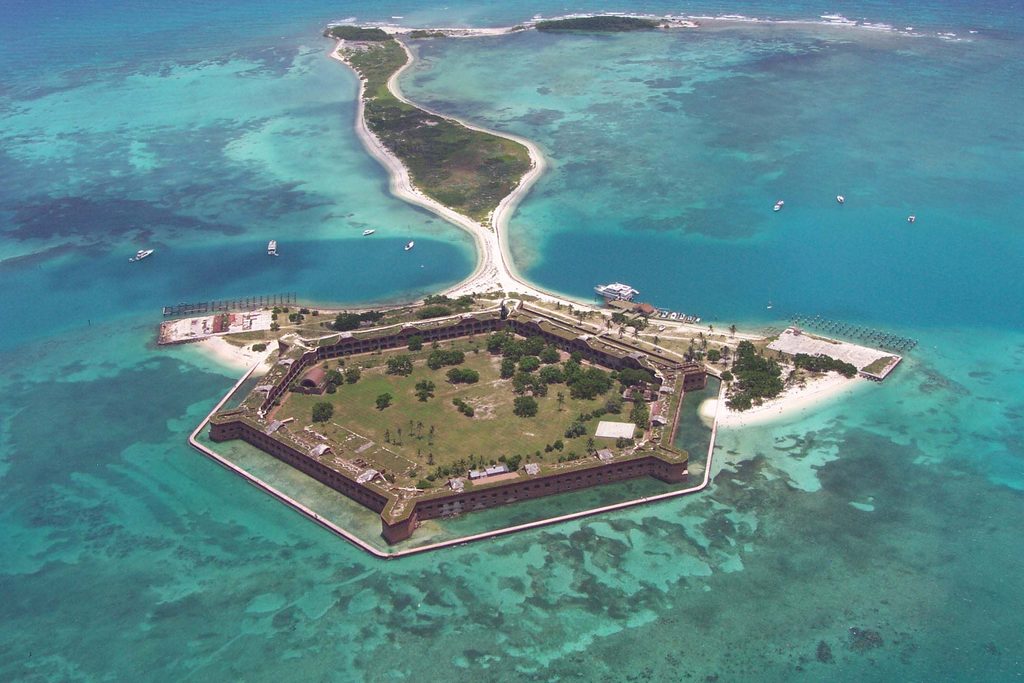
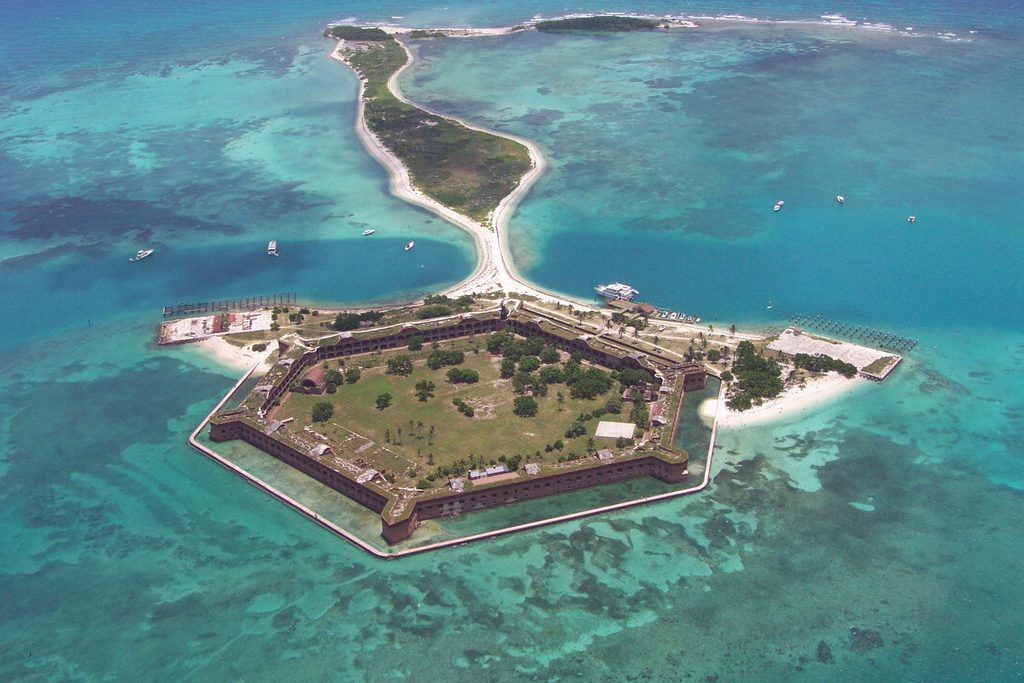
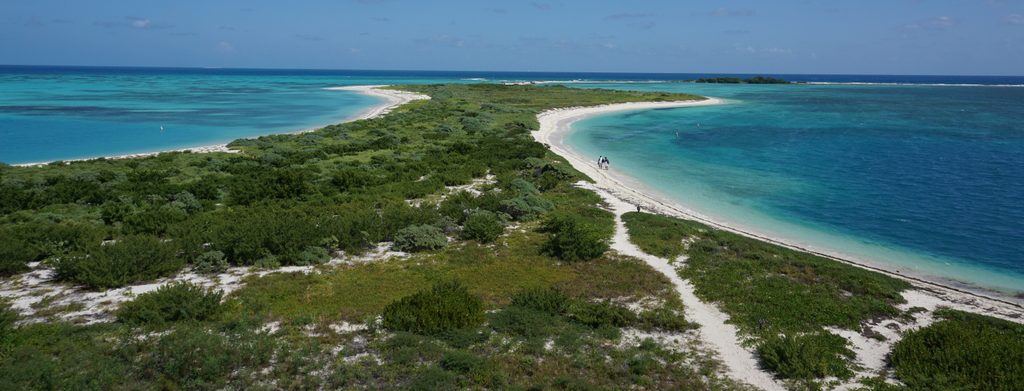
Garden Key is the small, central island that most visitors experience first. It’s about 14 acres and almost completely dominated by Fort Jefferson—the massive 19th‑century brick fortress that defines the Dry Tortugas vibe. You can only get here by boat or seaplane, which keeps it feeling remote and a little otherworldly.
What You’ll Do
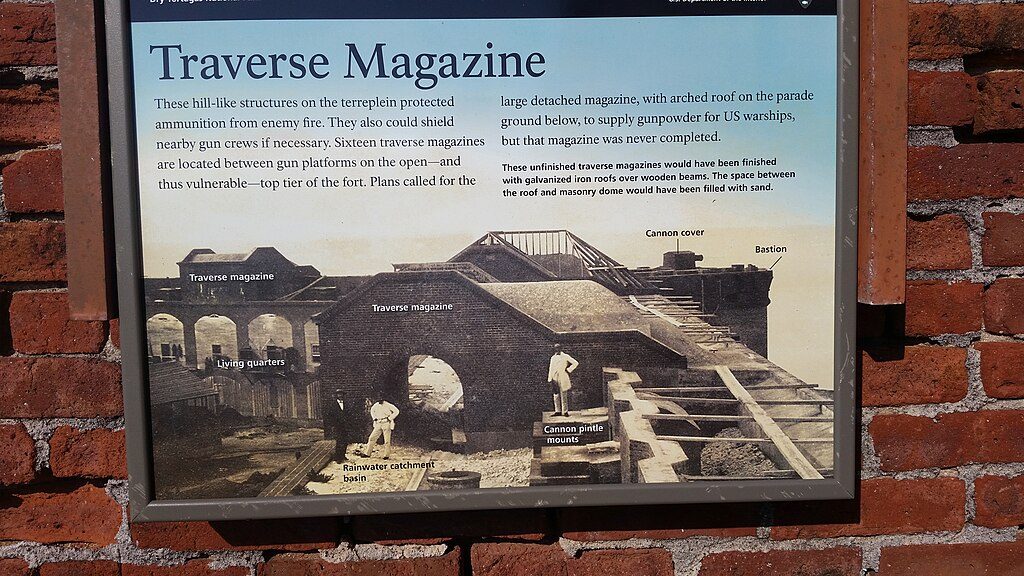
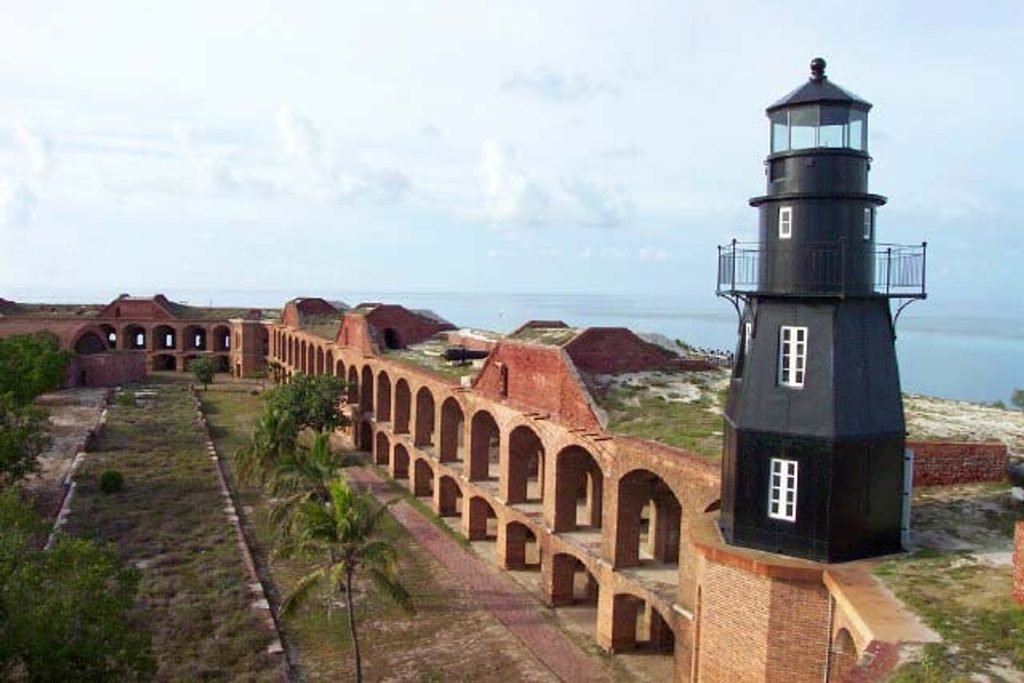
- Fort Jefferson: Wander the walls, gun rooms, and ramparts at your own pace, or join a tour if offered. The scale and engineering are the headline here.
- Beaches and Snorkeling: Slip into clear, usually gentle water from sandy beaches. The moat wall and nearby pilings are favorite spots for snorkeling with lots of fish and occasional rays or sea turtles.
- Low‑key Island Time: Most day‑trippers have a few hours, so you’ll pick a lane—fort first, then a beach/snorkel session (or reverse). Campers get the island nearly to themselves after the boats leave.
Wildlife
- Underwater: Expect colorful reef fish and rays; sea turtles show up now and then.
- Birds: Spring and fall migrations can be lively with seabirds working the fort and surrounding shores.
Amenities & Logistics
- Getting here: Daily ferries and seaplanes run from Key West; private boats can dock. There are no roads.
- On‑island basics: A small visitor center, restrooms, and picnic tables support day use. Freshwater is limited and not always available—don’t count on it for overnights.
- Camping: Primitive, bring‑everything camping on the island. No showers, minimal shade, and you pack out what you pack in.
- What’s not here: No restaurant, no store, no Wi‑Fi, no gas—plan accordingly.
History Snapshot
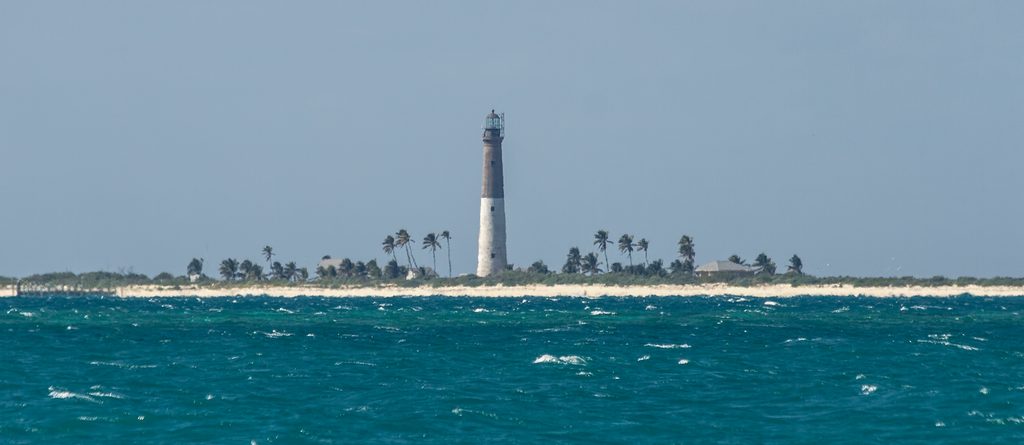
Fort Jefferson is one of the largest brick masonry structures in the Americas and the island’s reason for being. Garden Key also hosted a lighthouse whose brick tower was replaced by an iron one in the late 1800s before the light was ultimately deactivated in the 1920s.
Best Time to Visit
- Day trips: Late morning to early afternoon has the best light for snorkeling, but it’s also when the ferry crowd peaks. If you can, start with the fort right off the boat, then hit the water before you leave.
- Campers: Sunrise, sunset, and starry nights are the real prize once day visitors depart.
- Seasons: Spring brings busy bird life and high demand for transport; summer can be buggy and very sunny—plan sun and insect protection either way.
Tips
- Book your ferry or seaplane well in advance—this trip fills fast.
- Bring all food, plenty of water, and snorkel gear; nothing is sold on the island.
- Prioritize: tour the fort first, then snorkel the moat wall and pilings.
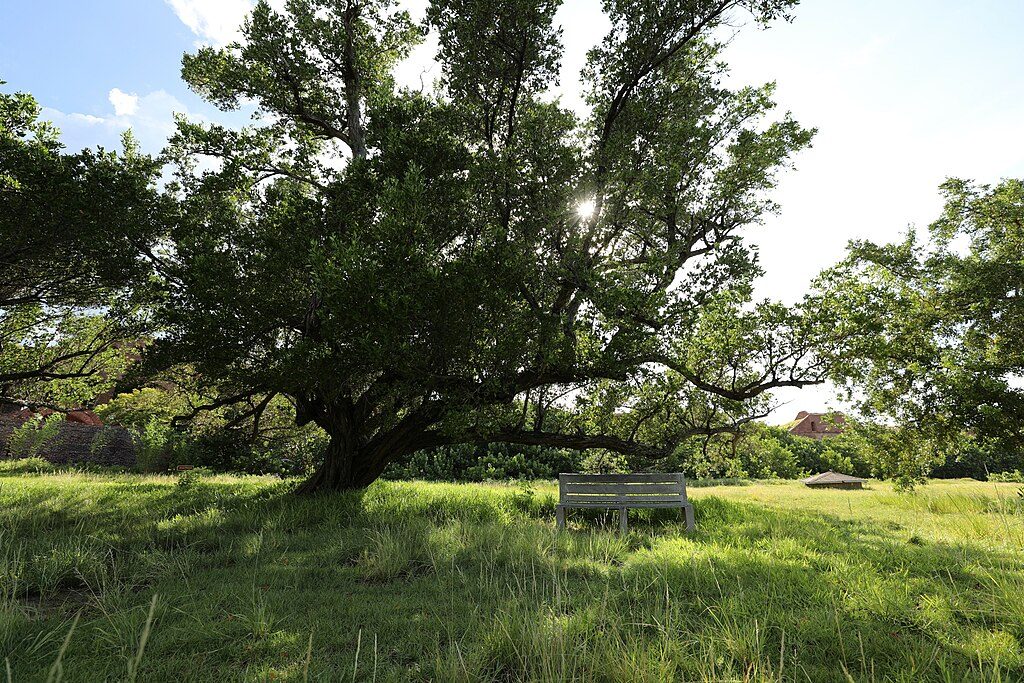
- Pack serious sun and bug protection; shade is limited.
- If you can swing it, camp to enjoy the island after the boats leave.