Fort Jefferson

A colossal brick fortress adrift in turquoise water and history
Fort Jefferson, Dry Tortugas National Park
InsideDry Tortugas National Park

Overview

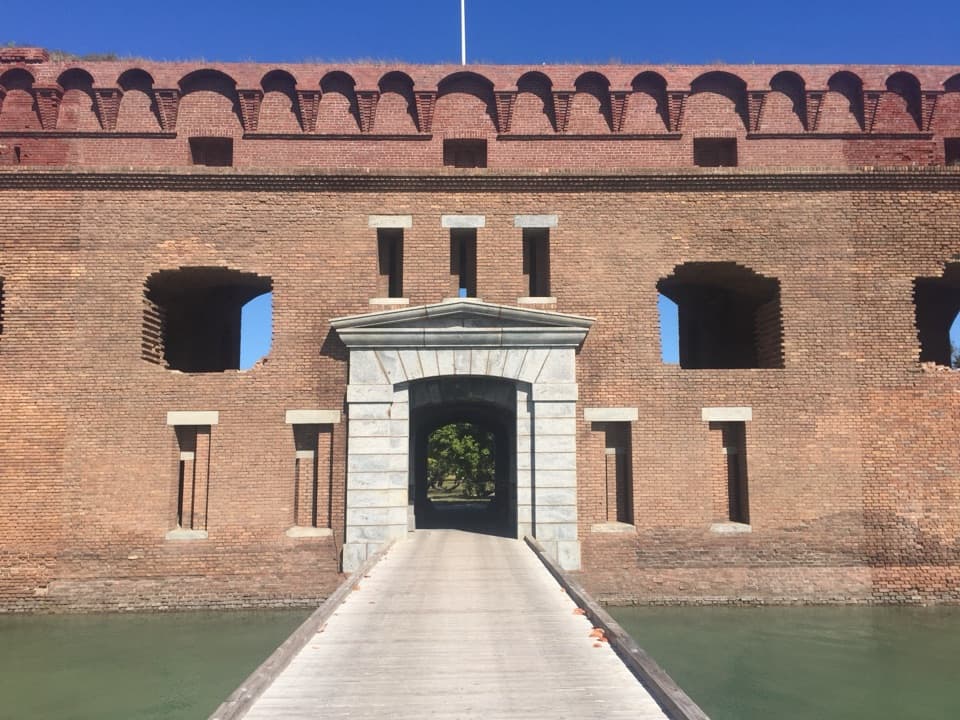
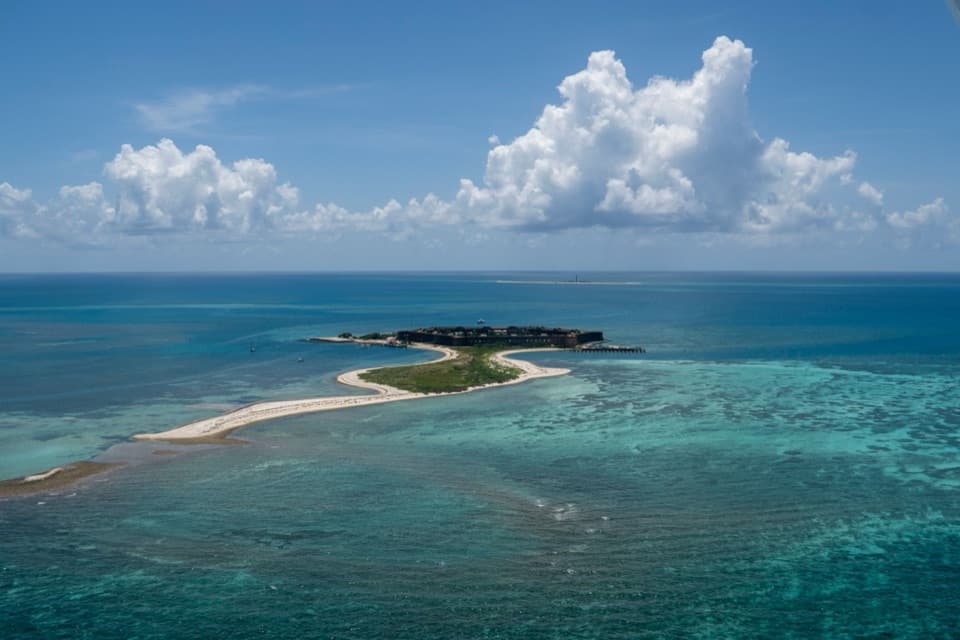
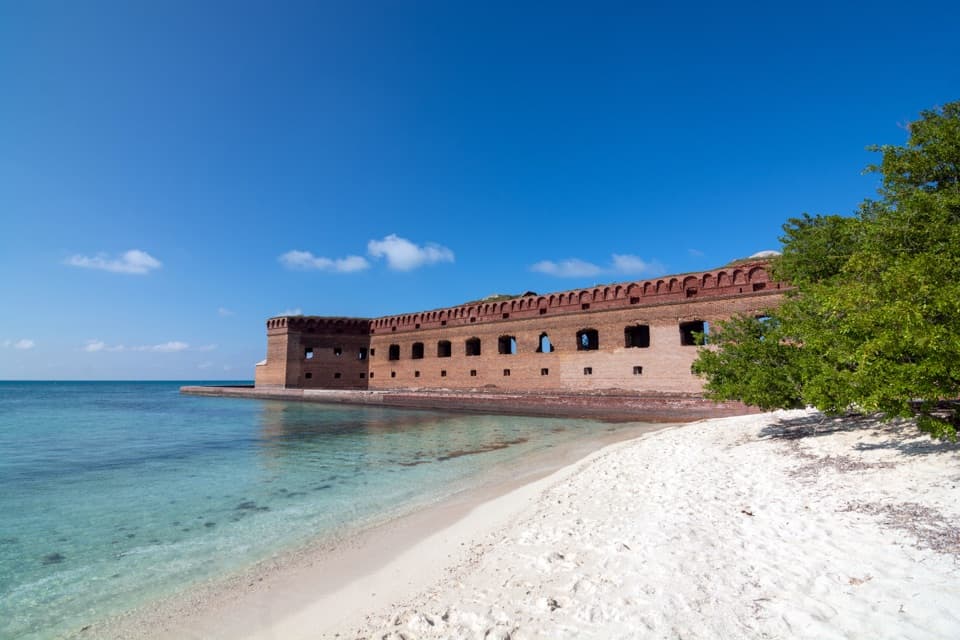
Fort Jefferson is the centerpiece of the Dry Tortugas, a colossal hexagonal fortress on Garden Key surrounded by a seawater moat and dazzling turquoise shallows. It’s remote, dramatic, and unlike anything else—part epic coastal history, part island escape. Getting here is half the adventure; once you arrive, the fort dominates the scene in the best way.

What You’ll See

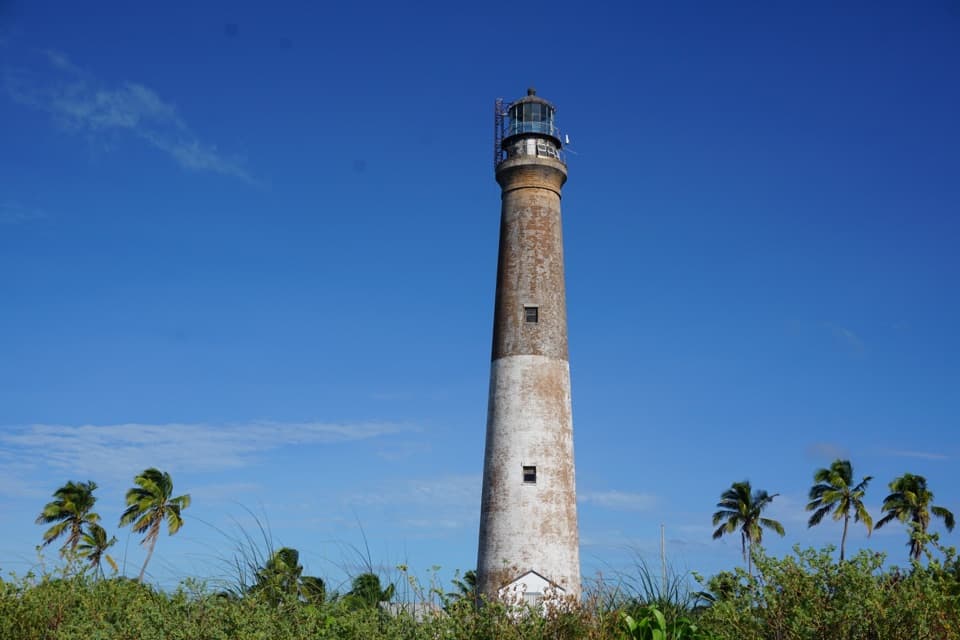
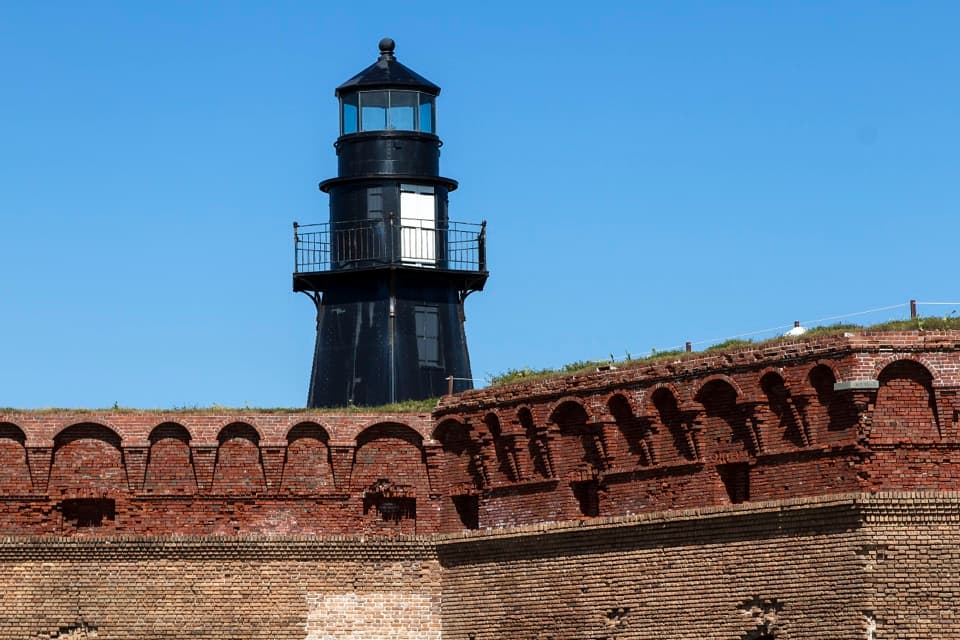
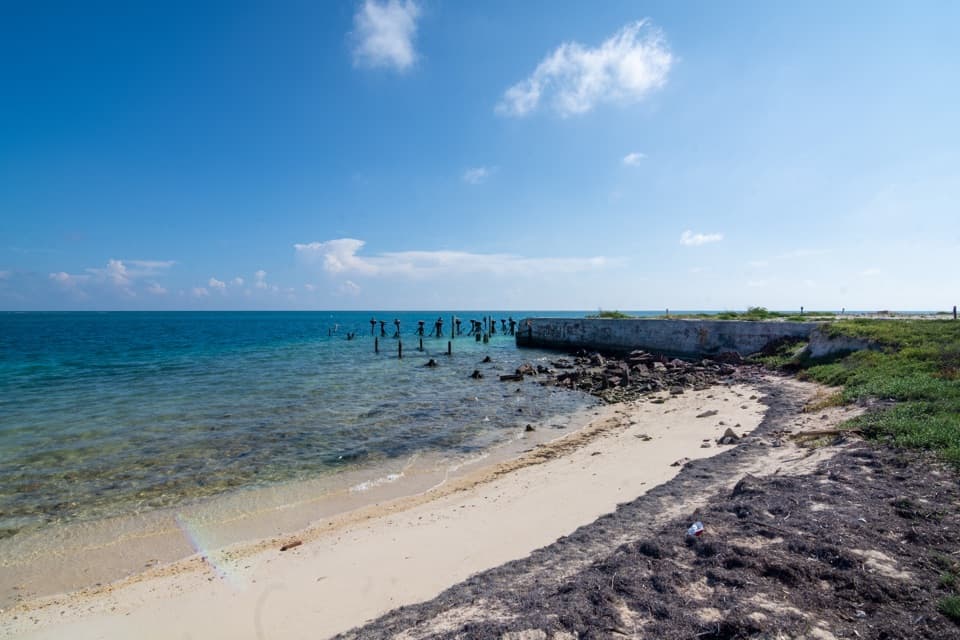
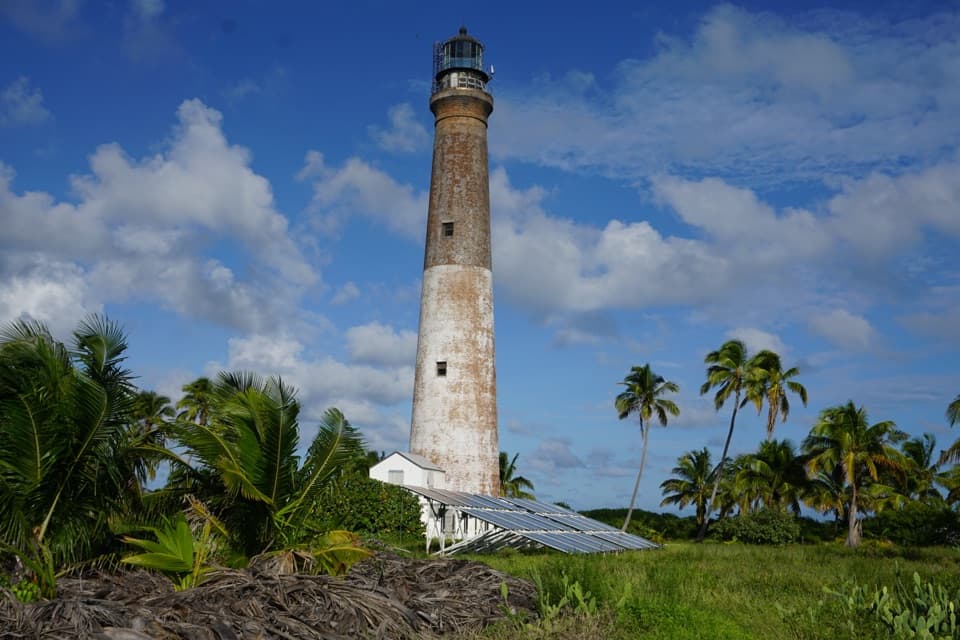
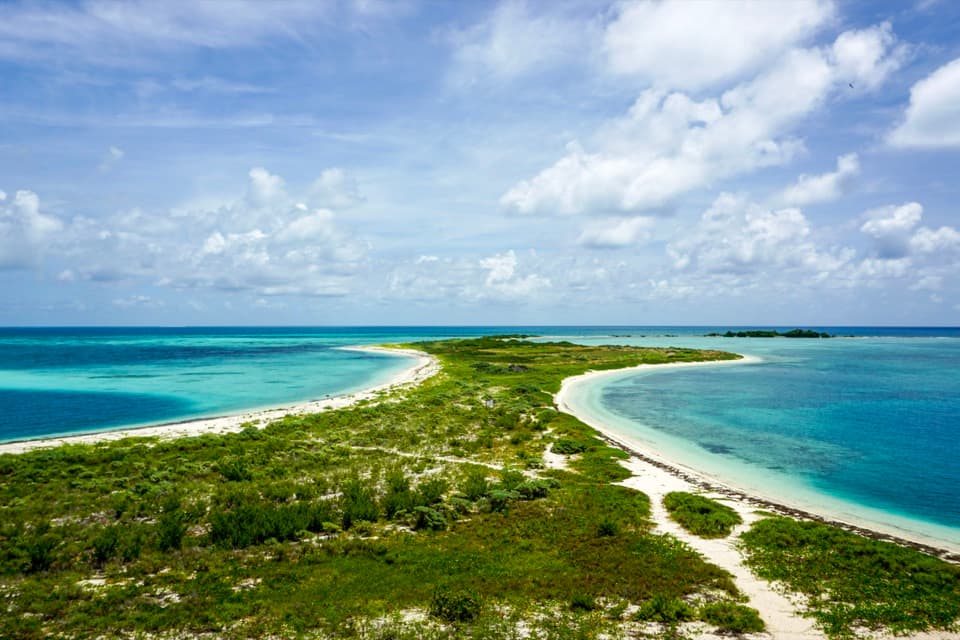
Inside and along the walls you’ll wander arched casemates, powder magazines, cisterns, and a broad parade ground. Climb to the ramparts for sweeping views of coral‑ringed islands, white sand beaches, and emerald water. You’ll spot historic features like the lighthouse site and interpretive displays that bring the construction era and Civil War stories to life.

Why It’s Special

Built to command a strategic deepwater anchorage in the Straits of Florida, Fort Jefferson was an advance post for U.S. warships and is recognized for national significance. It’s also the largest brick masonry structure in the Americas—massive in scale, never fully completed, and famed for its Civil War prison history, including the incarceration of Dr. Samuel Mudd.

Wildlife & Water

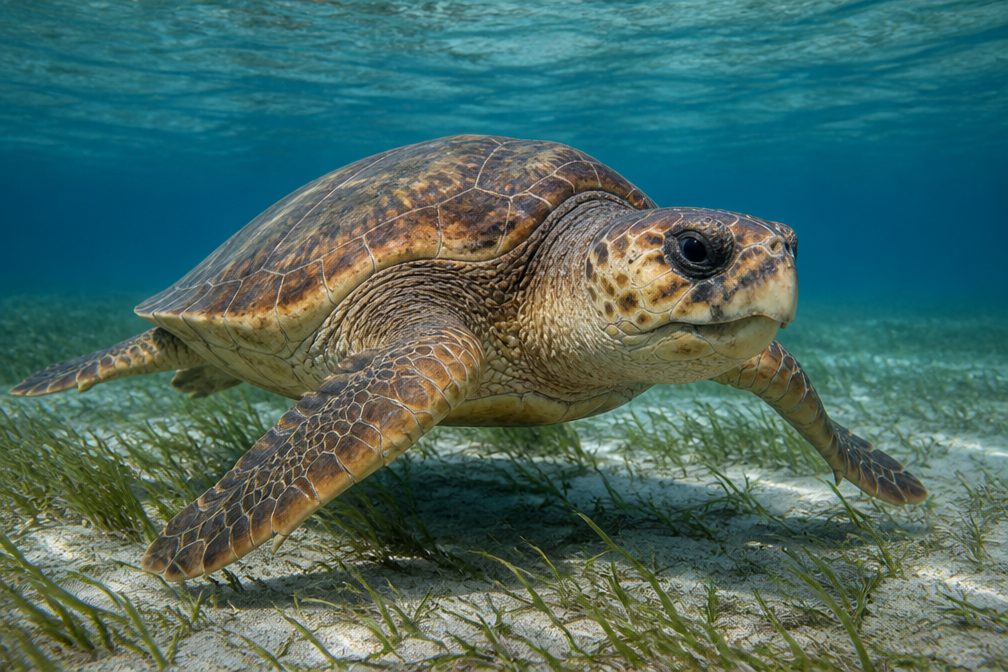
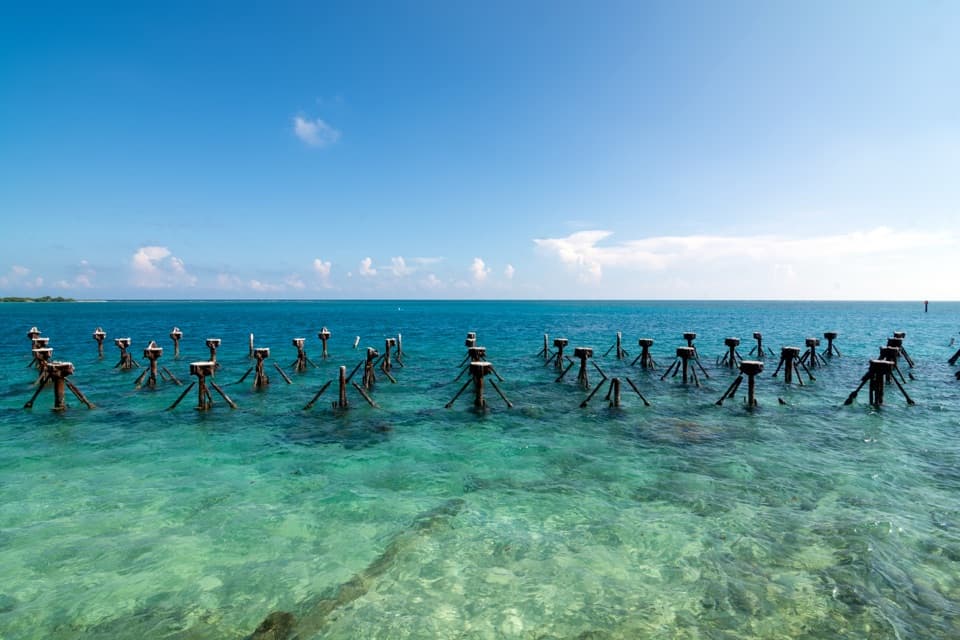
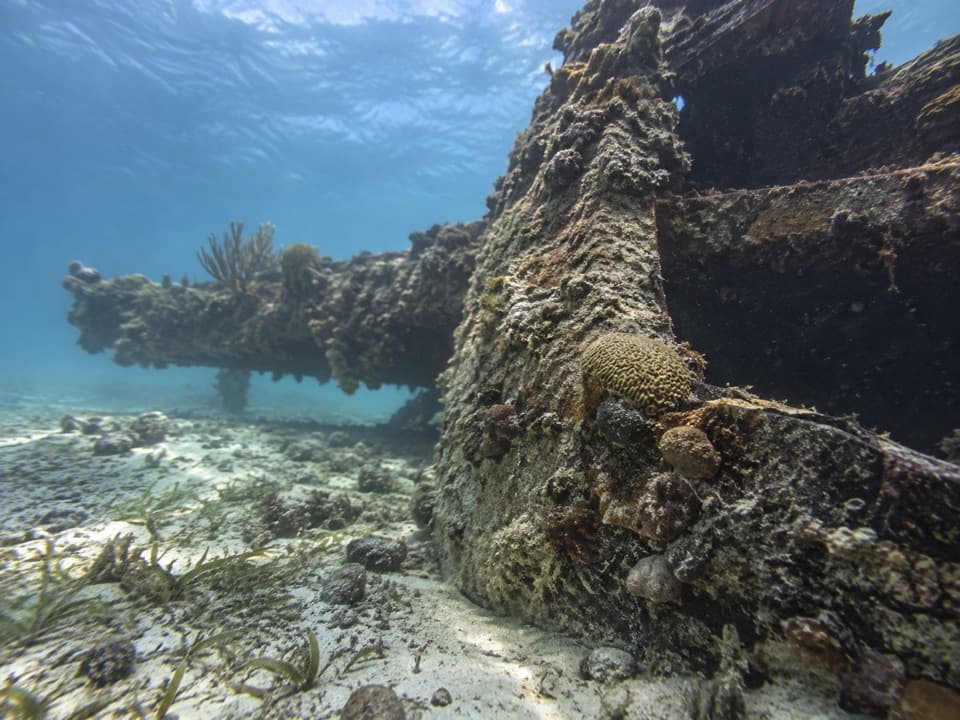
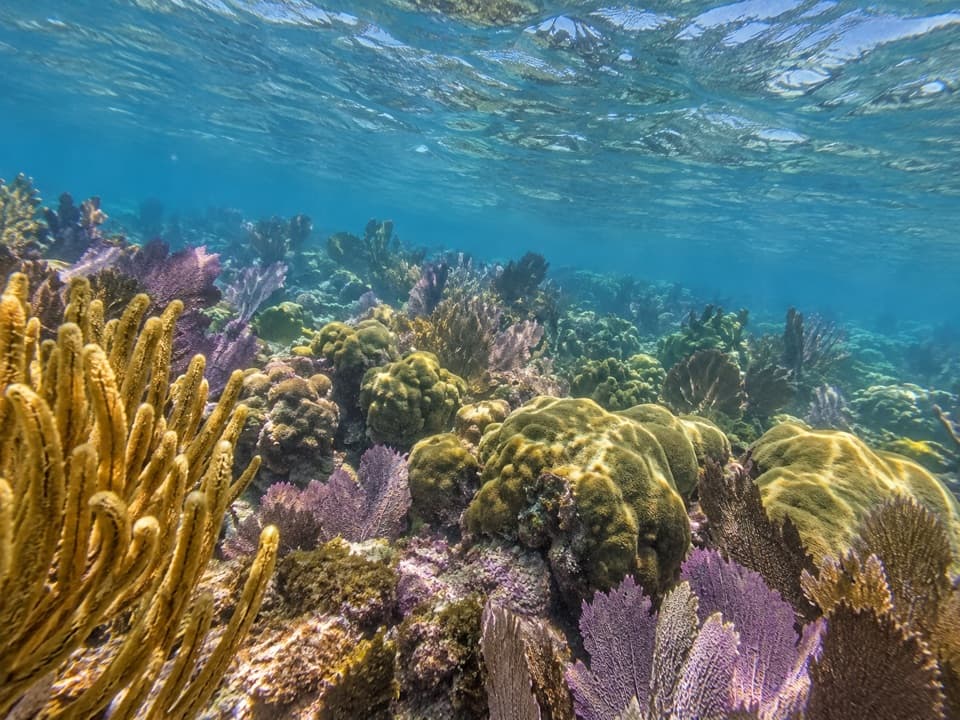
This is a hotspot for migratory birds, and the surrounding reefs teem with tropical fish, corals, rays, and sometimes sea turtles. Snorkeling is a highlight here—beach entries are straightforward from the island’s North, South, and East beaches. There are no lifeguards, so use good judgment and check conditions before you dive in.

Logistics & Amenities

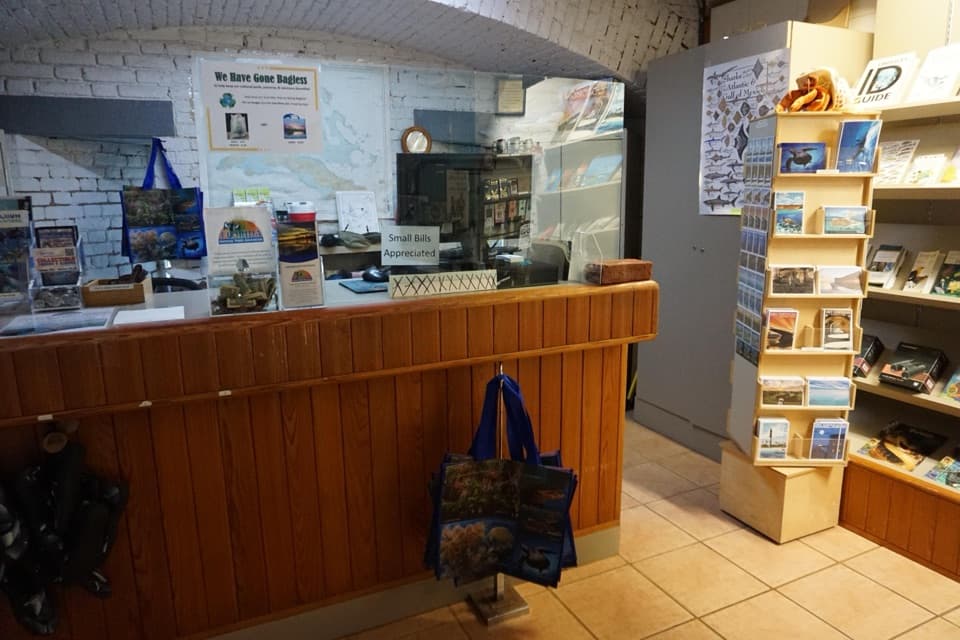
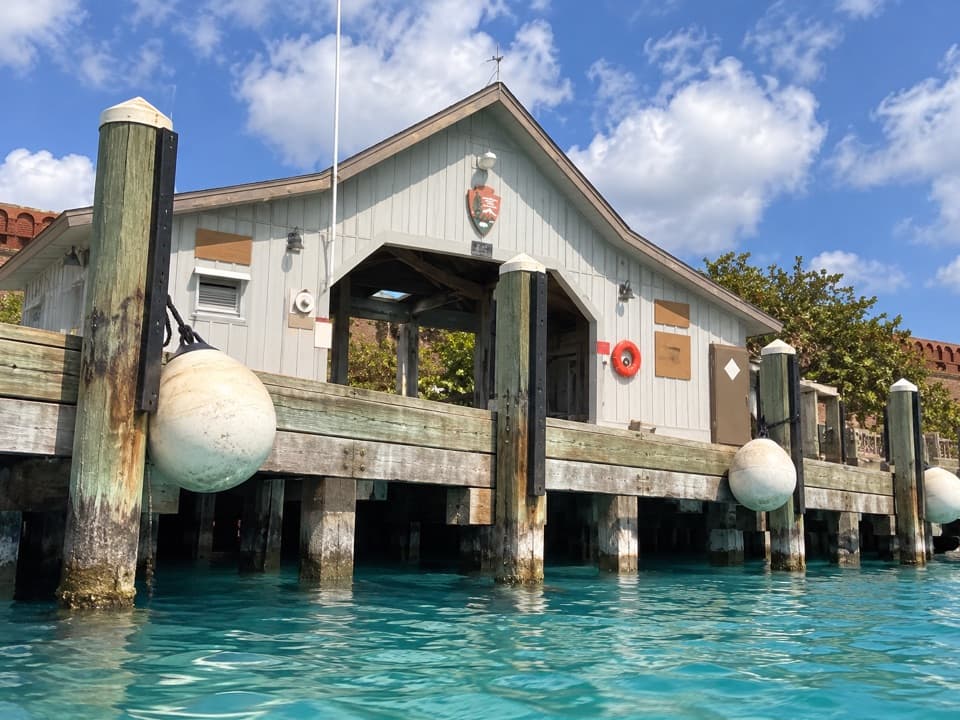
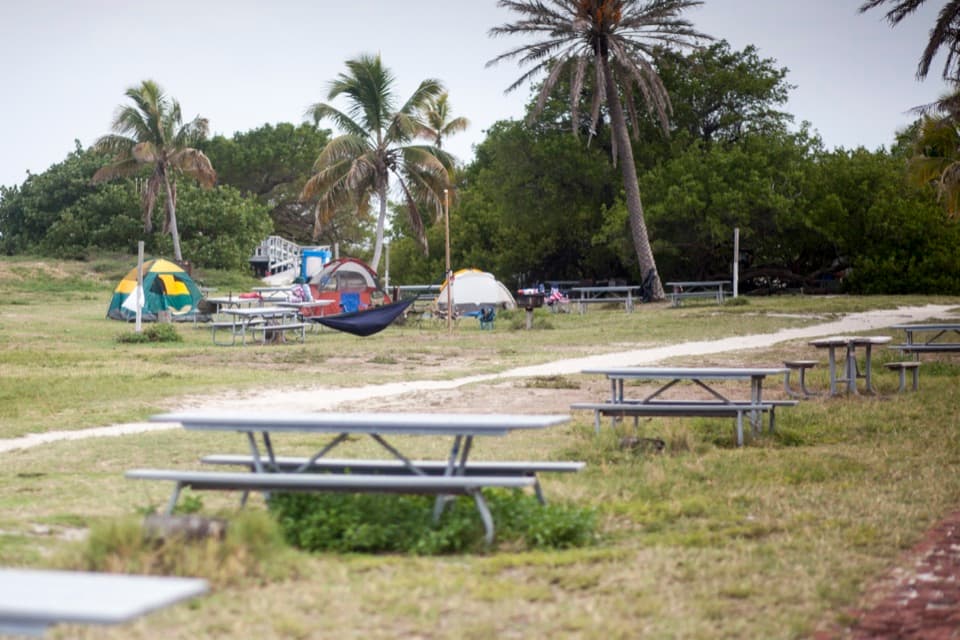
The island is only reachable by ferry, private boat, or seaplane—no roads, no parking. Services are minimal: no restaurants, stores for supplies, or potable water. Expect composting toilets on Garden Key, picnic tables, and a primitive campground just outside the fort. A small visitor center with a bookstore and a couple of exhibits sits inside the fort; ferry passengers can use the ferry’s restrooms while it’s docked.

How to Do It

Most day trips give you roughly 4–5 hours ashore. Prioritize: explore the fort early, when it’s cooler, then cool off in the water. The rampart walk is unforgettable but exposed; footing can be uneven and some areas lack railings—keep an eye on kids and anyone uneasy with heights.

Best Time to Visit

Earlier is better. Aim for the first arrival of the day to roam the fort before it heats up and before beaches get busy. Midday sun is fierce; late afternoon light from the ramparts is gorgeous for photos if your schedule allows. On seaplane runs that miss the ferry rush, the fort can feel wonderfully quiet.

Pros

  • Immense 19th‑century brick fortress with walkable ramparts and moat
  • Panoramic views plus easy snorkel access from nearby beaches

Cons

  • Limited time ashore on most tours
  • Little shade and intense midday heat
  • No potable water or food services on the island

Tips

  • Book ferry or seaplane seats well in advance—spots go fast.
  • Explore the fort and ramparts first, then snorkel once the day heats up.
  • Bring all the water and food you need; there’s no potable water on the island.
  • Ferry passengers can use the ferry’s restrooms while it’s docked; otherwise, expect composting toilets.
  • Watch your footing on the ramparts—some sections have no railings.
The Parkwolf tour guide sitting on a phone mounted in a car

Parkwolf Tour Guide

Like a tour guide in your car.

Save the places you found around Dry Tortugas, then let Parkwolf guide the drive between them.Download Parkwolf on the App Store