
Place · 0 mi away
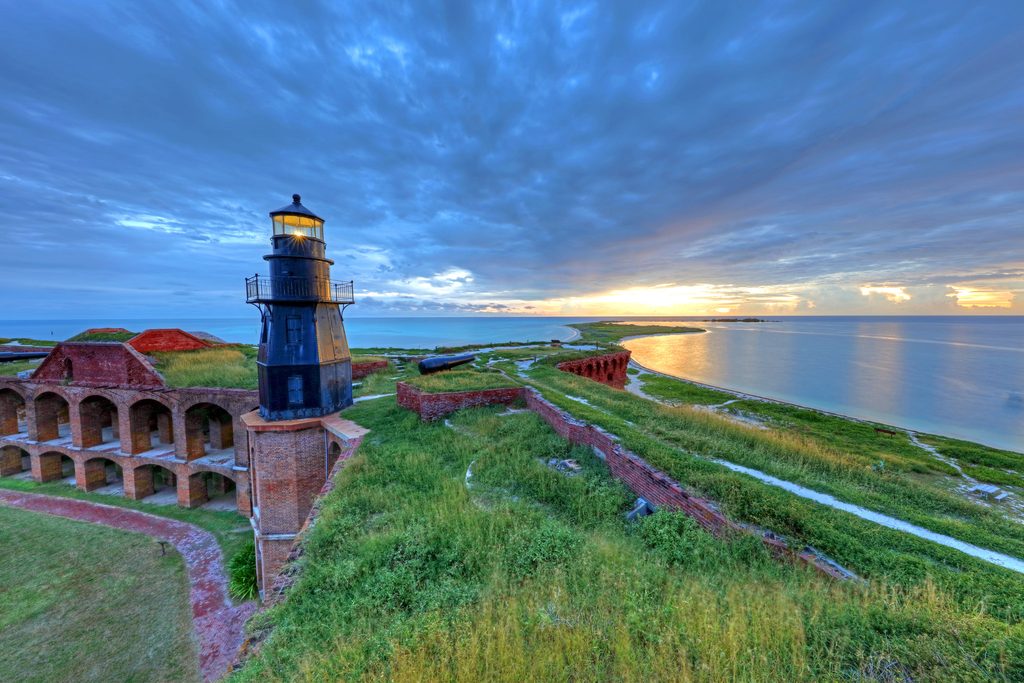
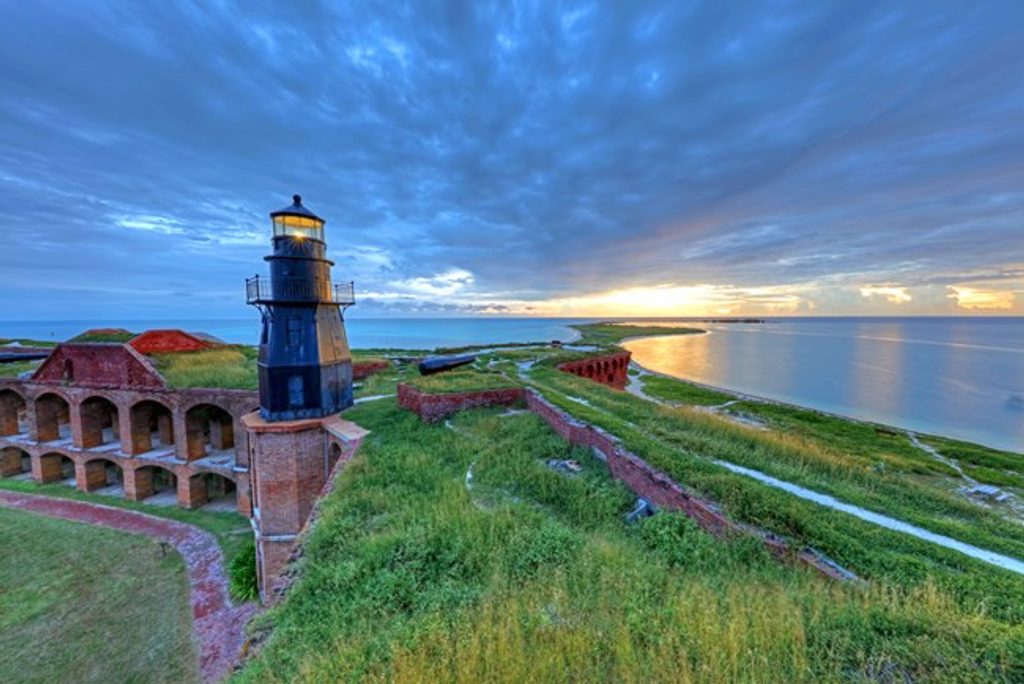
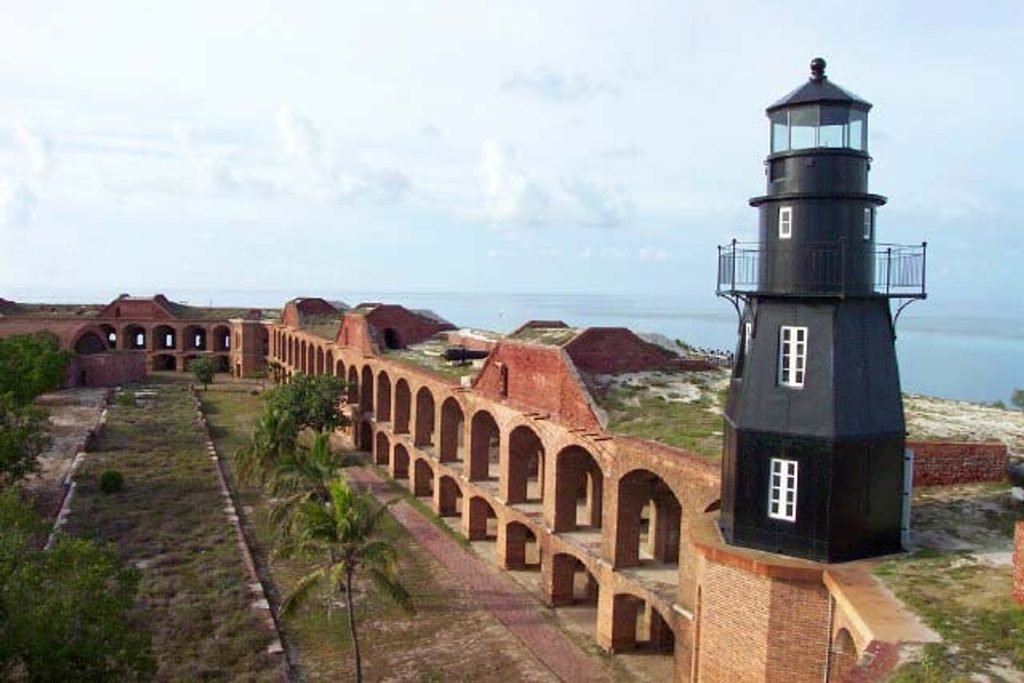
Also called Garden Key Light or Tortugas Harbor Light, this compact, hexagonal iron tower caps the ramparts of Fort Jefferson. It’s a rare iron lighthouse, painted black and built in the late 19th century to replace the original brick light. The juxtaposition of a dark metal tower on a massive red-brick fort, ringed by impossible blues, makes it one of the most photogenic corners of the island.
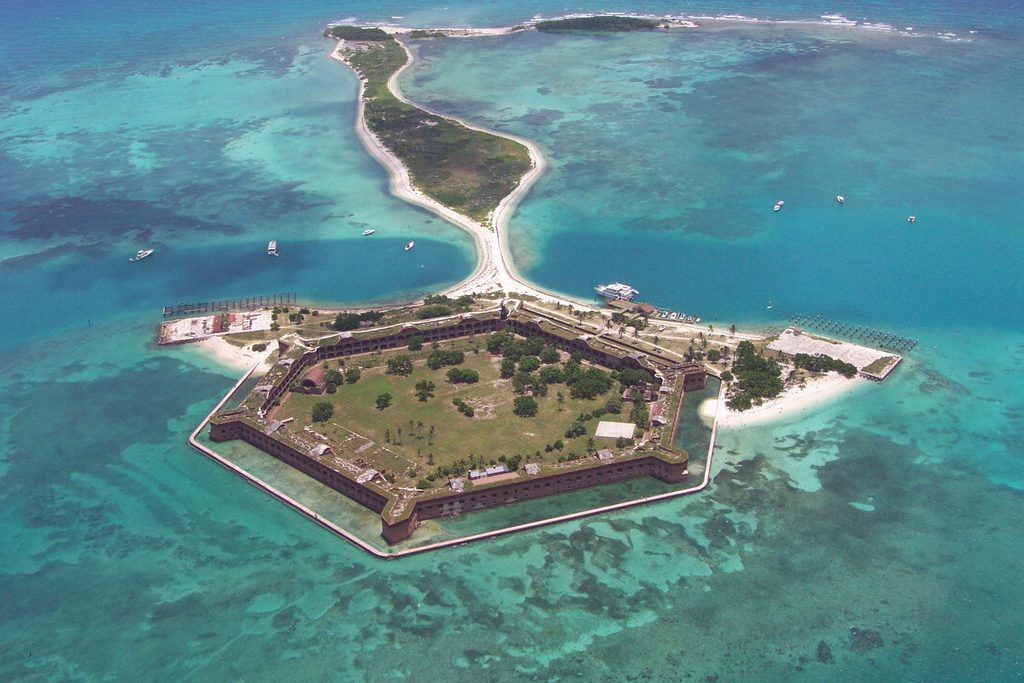
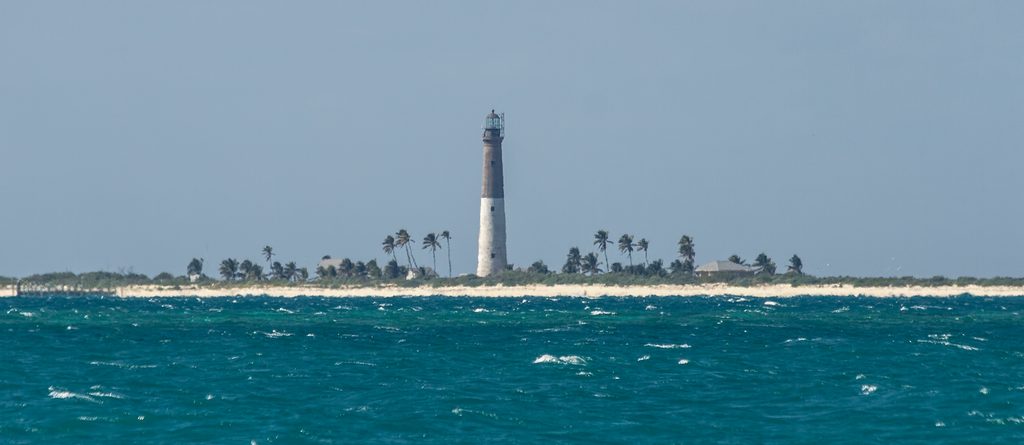
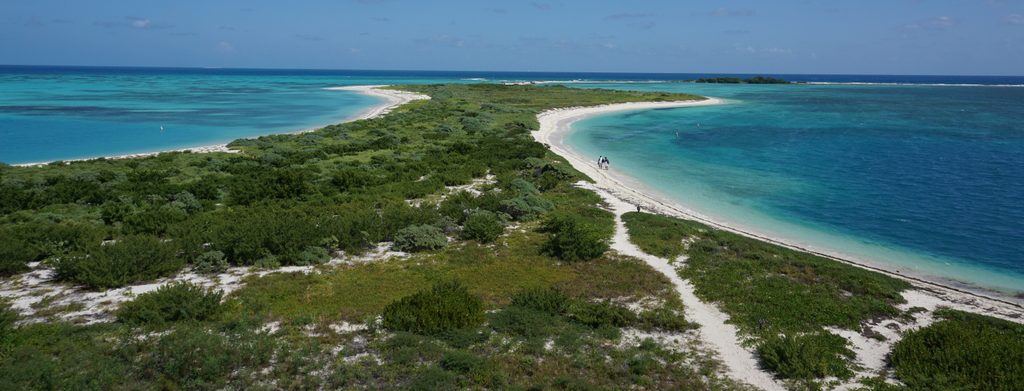
From the fort walkways near the light, you’ll get big views of the inner harbor, Bush Key, and, on clear days, distant Loggerhead Key. The lighthouse itself is a stubby, boilerplate-iron structure—more industrial and angular than the classic brick cones—so it pops in photos against the sky and sea. Expect plenty of seabirds circling and the occasional turtle, ray, or dolphin sighting in the water below.
The first Garden Key lighthouse—a 65‑foot brick tower—was lit in 1826 to guide ships through the reefs and into the fort’s harbor. After hurricane damage and evolving needs, it was replaced in the 1870s by today’s iron tower mounted atop Fort Jefferson. The light later gained red sectors to distinguish its signal, was automated in the early 1900s, and ultimately discontinued; what remains is a historic landmark rather than an active aid to navigation.
Unlike most Florida lights, this one is iron, not brick—part practical (sturdy, low-maintenance) and part tactical for a military fort. Its perch on the fort walls puts it 80‑plus feet above the courtyard, so the perspectives over the moat, beaches, and reefs are superb.
There are no services at the lighthouse itself. Garden Key has composting toilets and a primitive campground with picnic tables, but no store, restaurant, or potable water. Plan to carry everything you’ll need for the day, especially drinking water, sun protection, and snacks. Footing on the fort can be uneven, and some parapet sections feel very exposed—watch kids closely and skip the edges if heights aren’t your thing.
The contrast of black iron, red brick, and turquoise water is the magic here. Side light in early morning or late afternoon brings out textures in the masonry and the lighthouse’s riveted panels. For wider scenes, frame the light with the moat and harbor; a short telephoto compresses the tower against the sea.
Keep an eye out for sooty terns, noddy terns, brown pelicans, and frigatebirds cruising the wind. Scan the shallows from the walls for rays gliding over sand patches and sea turtles coming up for air.
Aim for early morning or late afternoon for softer light and fewer people drifting up onto the ramparts. Midday is harsh and hot, with minimal shade. Breezier days feel better on the walls; calm days can be buggy.
Place · 0 mi away
Place · 0 mi away
Place · 0 mi away
Place · 0 mi away
Easy · 0.1 mi away
Easy · 0.1 mi away
Easy · 0.1 mi away
Easy

Parkwolf Tour Guide
