Overview
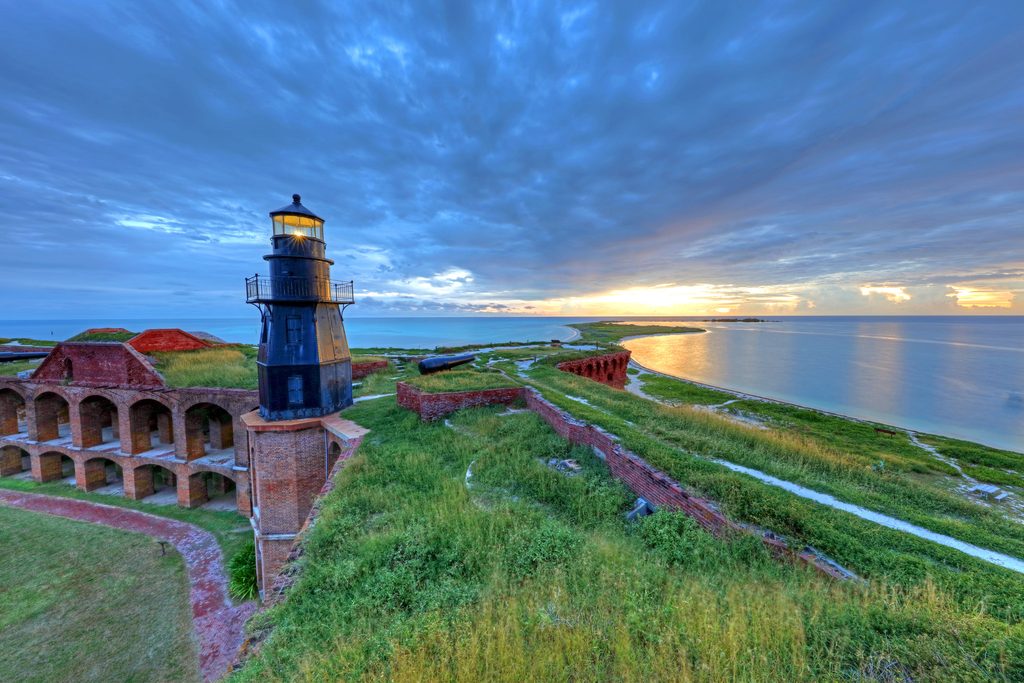
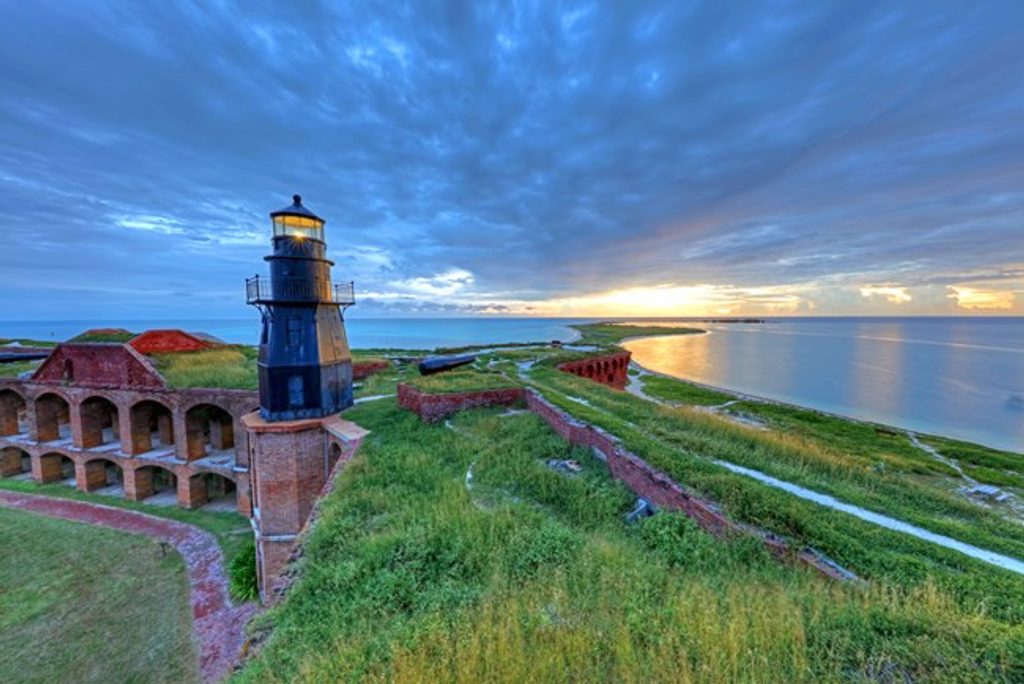
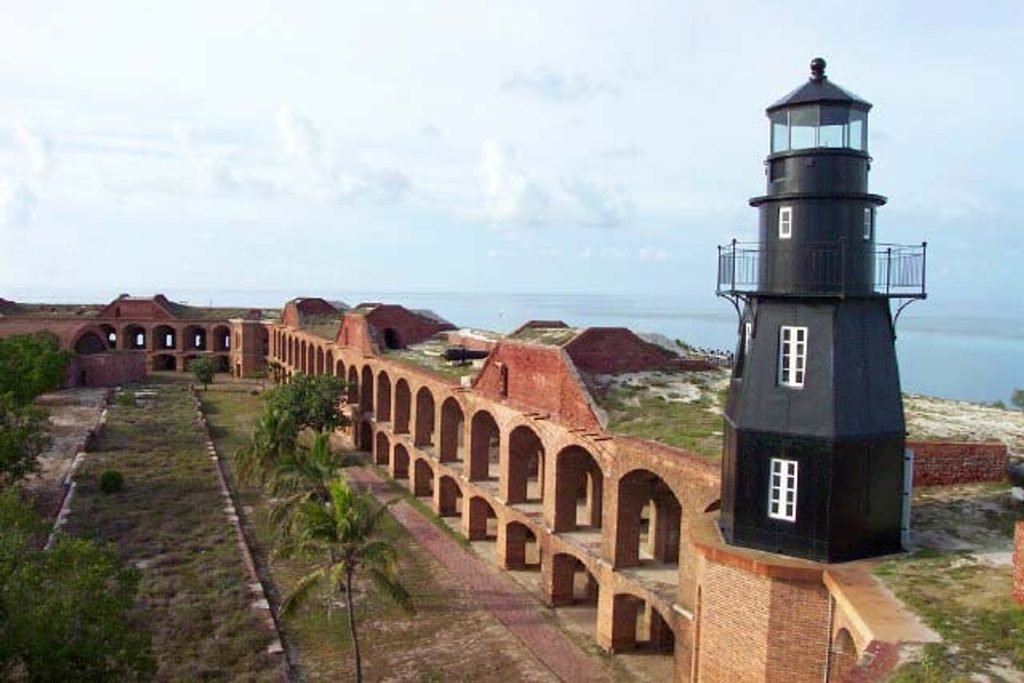
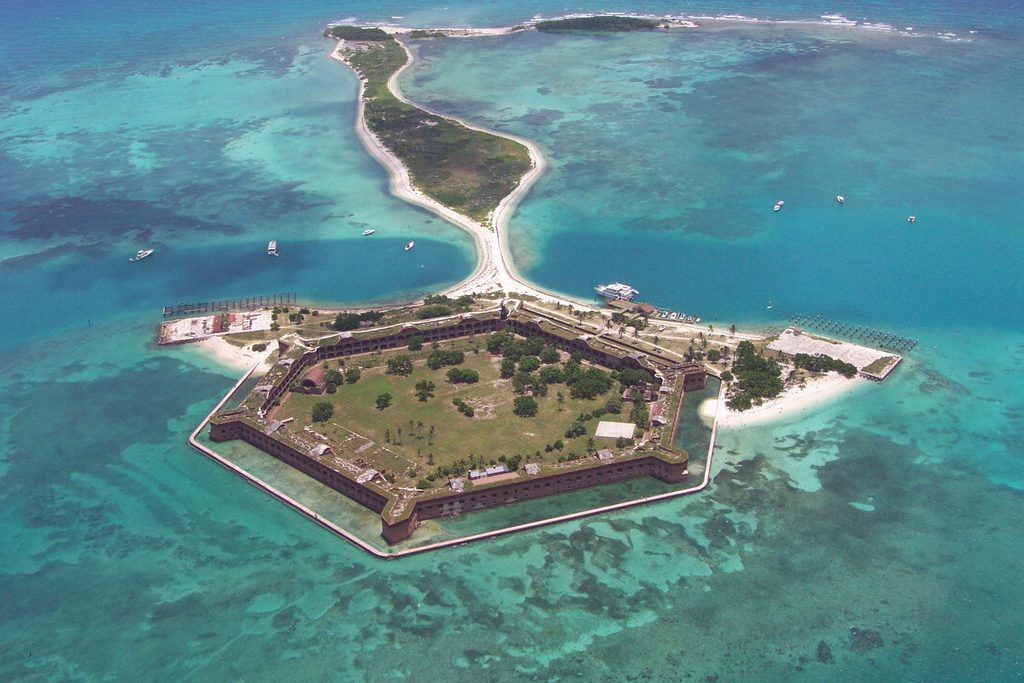
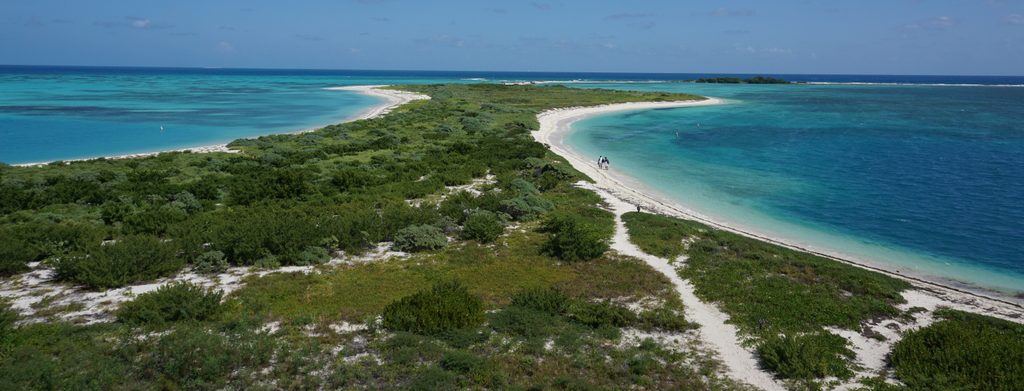
Garden Key Light is the compact, iron lighthouse mounted on a bastion of Fort Jefferson. It’s an easy add-on while exploring the fort—more a photogenic historic feature than a standalone attraction—and the surrounding views over the moat, harbor, and reef-blue water steal the show.
What You’ll See
- A small black iron tower perched on the fort’s eastern side, with sweeping looks over the parade ground, moat, Bush Key, and the harbor.
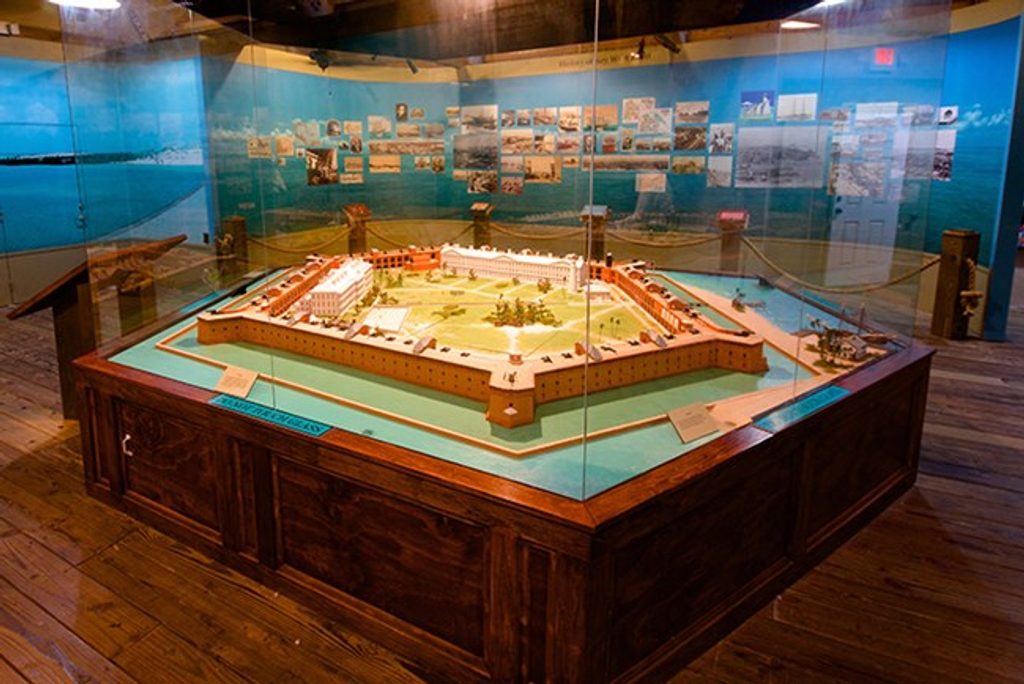
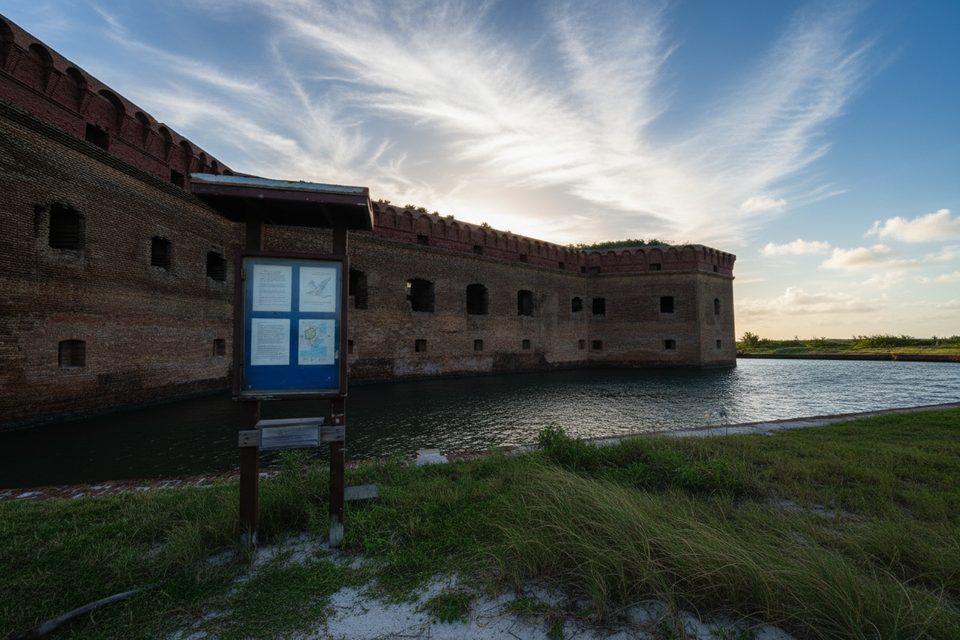
- You’ll admire it from the fort and dock areas; access inside the tower is typically restricted. Expect interpretive signs in the fort area and classic island scenery right at your feet.
A Short History
- The first lighthouse here (a 65-foot brick tower) lit up in 1826. After hurricane damage—especially in 1875—it was replaced in 1876 by the current, shorter iron tower set atop the fort.
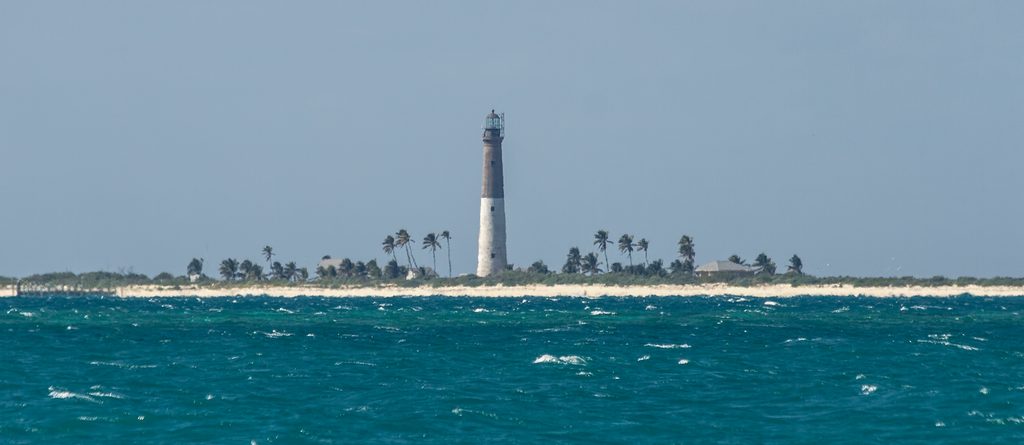
- This was a harbor light (about a 13-mile range); the main navigational aid for mariners was the taller Loggerhead Key Lighthouse to the west.
- 1893 brought red sectors to the fixed white light; in 1912 a fire destroyed the keeper’s dwelling and the light was automated. It was discontinued in 1921 and later fitted with a decorative light only.
Visiting Logistics
- You’ll arrive on Garden Key by ferry, seaplane, or private boat. Most people come on a day trip; camping is available for a deeper, quieter experience.
- Services are minimal: no store, no food, and no potable water. There are composting toilets and picnic tables on the island, plus a primitive campground near the fort.
- The fort ramparts offer striking vantage points but include exposed edges—watch your footing and keep a close eye on kids.
- Remote setting means trips can be affected by weather; advance reservations for transport are smart.
Wildlife and Water
- Garden Key is renowned for seabirds and migrants; keep binoculars handy around the fort and harbor.
- The waters teem with tropical fish and coral—bring snorkel gear to make the most of your time between lighthouse photos and fort exploration.
Best Time to Visit
- Any time during your ferry or seaplane window works; plan your photos from the fort perimeter, moat wall, and dock/harbor area for clean sightlines.
- Earlier or later in the day is more comfortable in the heat, and this remote spot typically feels calmer than mainland sites.