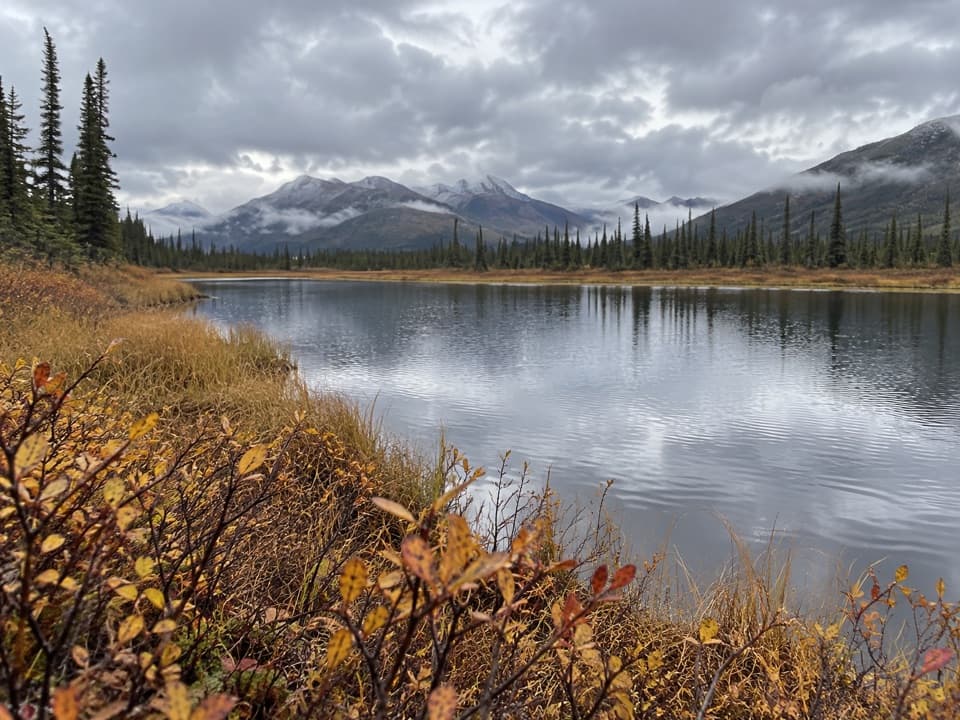
Overview
About The Gates of the Arctic
Why stop
- A striking river passage with the history behind the park's name.
Heads up
- Reaching it takes a remote flight, river journey, or trackless hike.
Map
Where it is
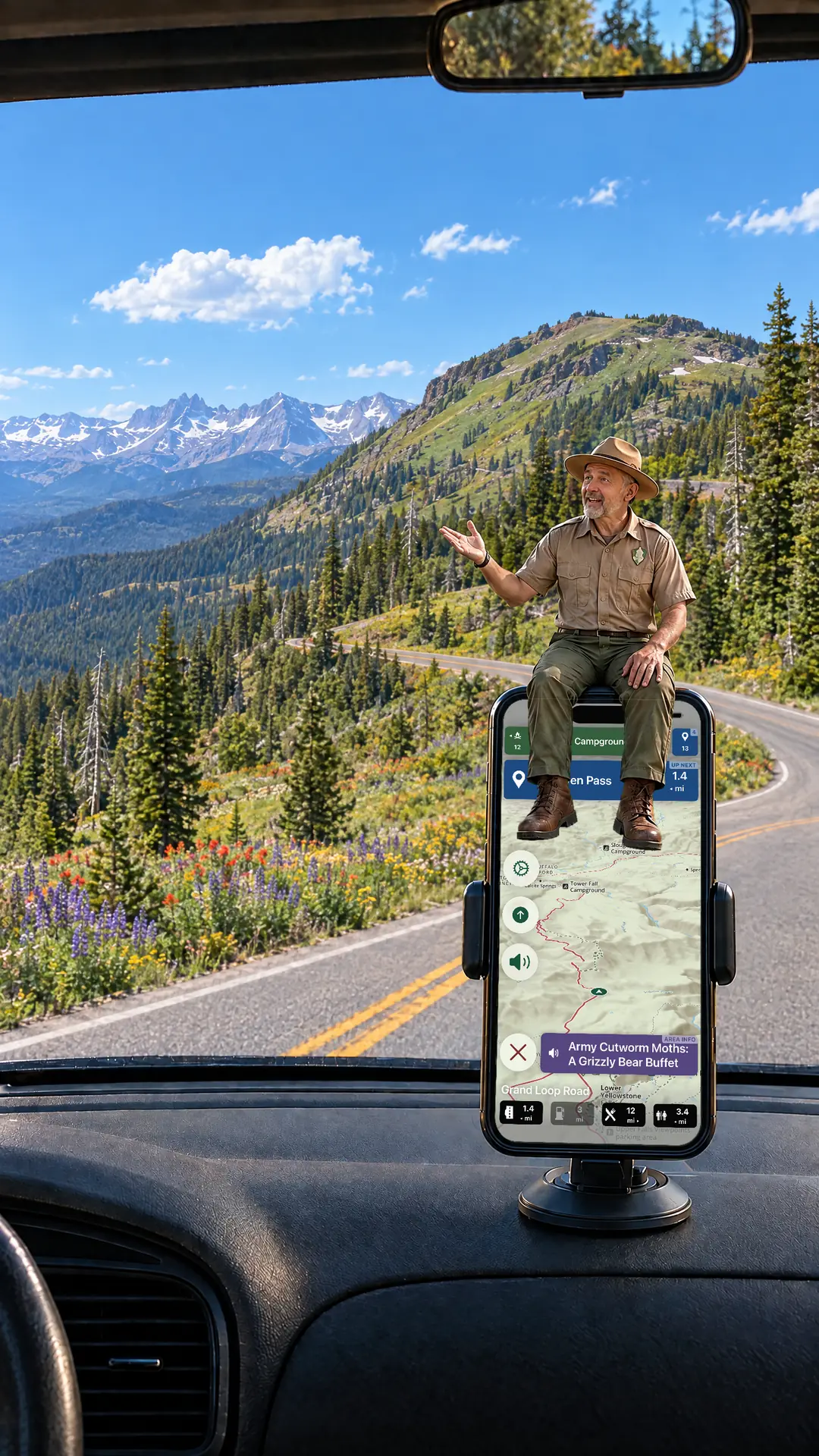
The highest, rockiest slopes around here are a summer buffet for grizzly bears.
Gates of the Arctic Tour Guide
Your drive to The Gates of the Arctic, narrated.
Parkwolf is a GPS audio tour guide for Gates of the Arctic National Park. As you drive, it chimes in with what’s ahead: hidden gems, upcoming stops, history, geology, and wildlife, right through your car’s speakers.
- 17 audio storiesacross Gates of the Arctic’s roads, triggered by GPS as you drive
- Wildlife heatmapsfor Caribou, Wolf
- Works offlinemaps, 1 trails, 25 places, and audio download before you lose signal
- CarPlay readysimple controls built for the drive
“Fantastic app with many points of information… It’s great to just turn on while you’re driving and it gives you an audio tour of the national Park. We love it!!!!”


Guide
More about The Gates of the Arctic
What the Gates areThe Gates of the Arctic is the passage where Frigid Crags and Boreal Mountain rise on opposite…
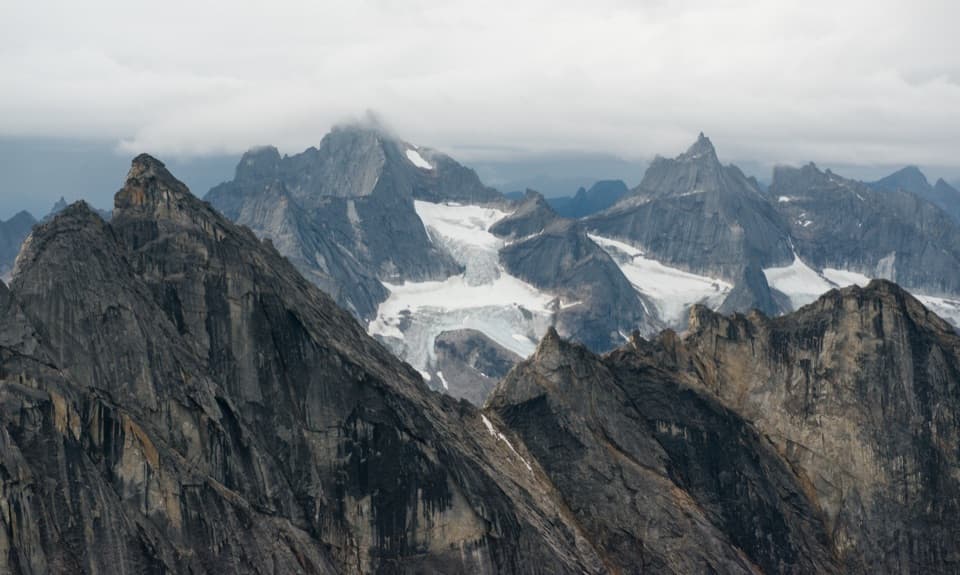
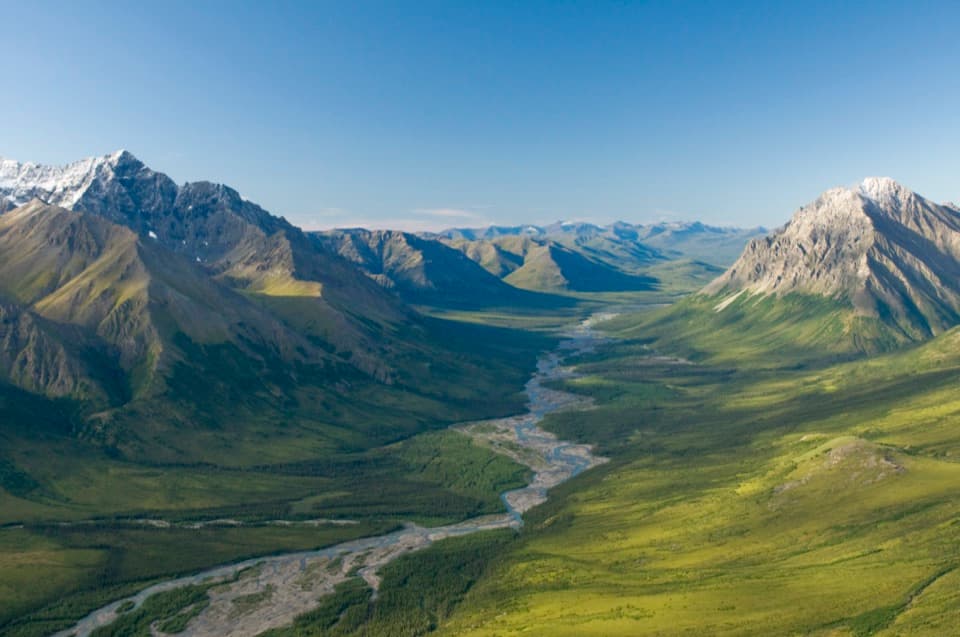
The Gates of the Arctic is the passage where Frigid Crags and Boreal Mountain rise on opposite sides of the North Fork Koyukuk in the central Brooks Range. The river between them is the view that gave the park its name. This is a destination for a planned wilderness flight, river trip, or backcountry hike, not a quick roadside stop.
Getting to the passageThere are no roads or established trails leading into the park, and no established campsites or…
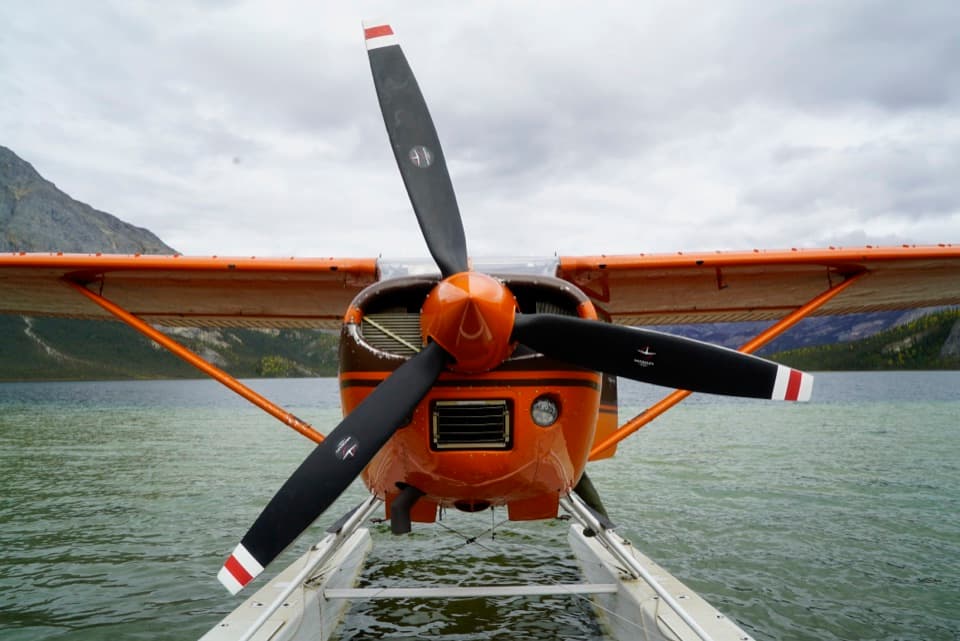
There are no roads or established trails leading into the park, and no established campsites or services within its boundaries. Air taxis can offer flightseeing, day trips, or remote campouts; hikers cross trackless country, while river travelers can follow the North Fork. Tussocks, boggy ground, and frequent crossings make walking slow: experienced hikers consider about six miles a good day's progress. Cell phones don't work here.
The map point marks the passage, not a landing site, pickup point, or campground. Plan the access with an experienced air taxi or wilderness outfitter and sort out food, water, and required bear-resistant food storage before setting out.
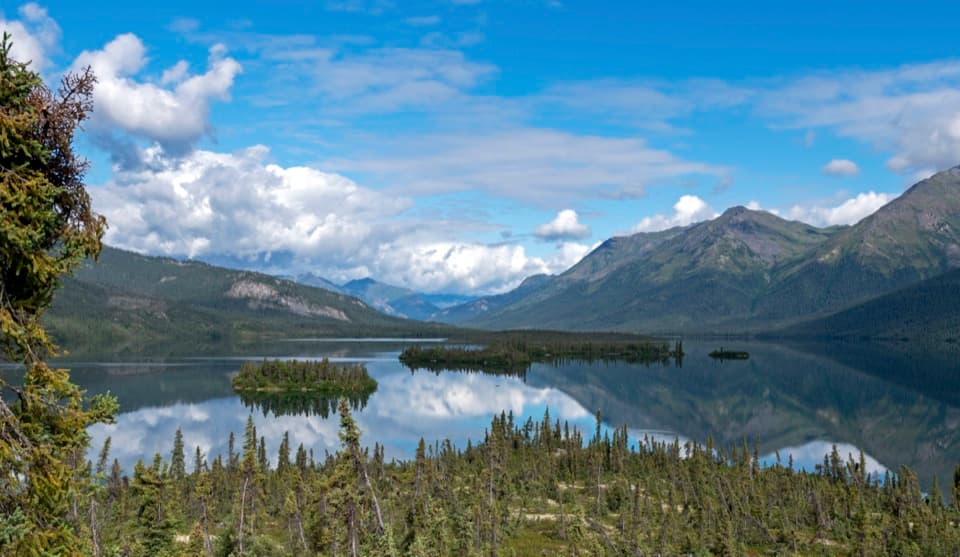
Read the river and mountains togetherThe North Fork cuts through broad, glacially carved valleys.
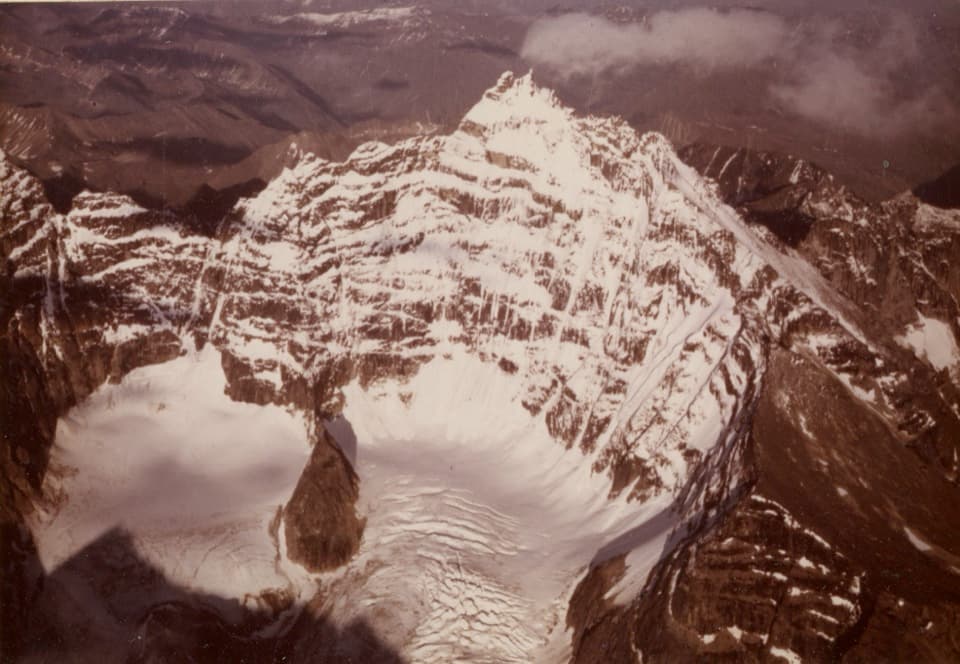
The North Fork cuts through broad, glacially carved valleys. At the Gates, keep the river and both mountains in the frame; the paired slopes are what make this a gate rather than just another mountain view. From the wider river corridor, Mount Doonerak rises to 7,610 feet, and Gray Mountain, Blackface Mountain, and Redstar Mountain stand out for their contrasting colors. The river is also a major caribou migration route.
Why Marshall named the GatesForester Robert Marshall came to Alaska in 1929 looking for what he called blank spaces on maps.
Forester Robert Marshall came to Alaska in 1929 looking for what he called blank spaces on maps. He returned several times during the 1930s, exploring the Koyukuk watershed from Wiseman and naming the two peaks that frame this passage. His writing helped inspire protection of the larger wilderness. His book Arctic Village came out in 1933; Alaska Wilderness was published after his death, in 1956.
A much older human historyThe North Fork corridor holds a long record of people and wildlife.
The North Fork corridor holds a long record of people and wildlife. At least 86 historic and prehistoric archaeological sites are known along the river inside the park, mostly beside the water; one site dates to about 11,000 years ago. Extinct mammal remains in the lower valley reach as far back as 33,000 years. Parts of the valley stayed ice-free at the end of the last ice age, leaving a route available to early Beringian inhabitants.
What is on siteThis is an undeveloped wilderness landmark with no on-site services.
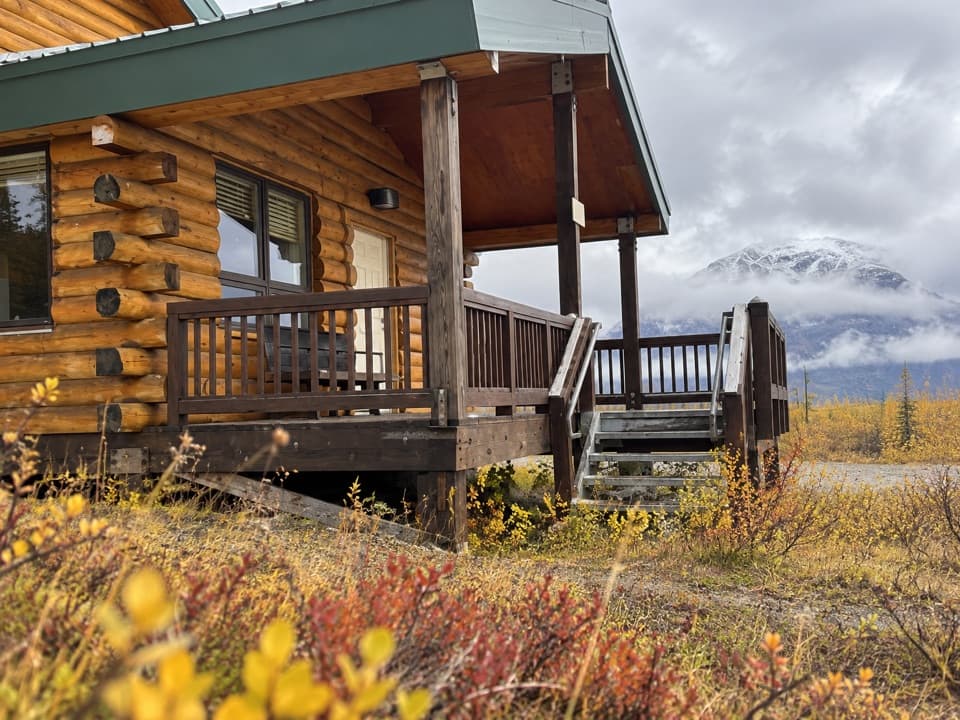
This is an undeveloped wilderness landmark with no on-site services. There is no food service, restroom, or potable-water point at the passage, and no public parking area or developed overlook. Visitor centers elsewhere can help with pre-trip orientation and bear-resistant food-container checkouts, but they are not facilities at the Gates.
Wildlife
Wildlife in Gates of the Arctic
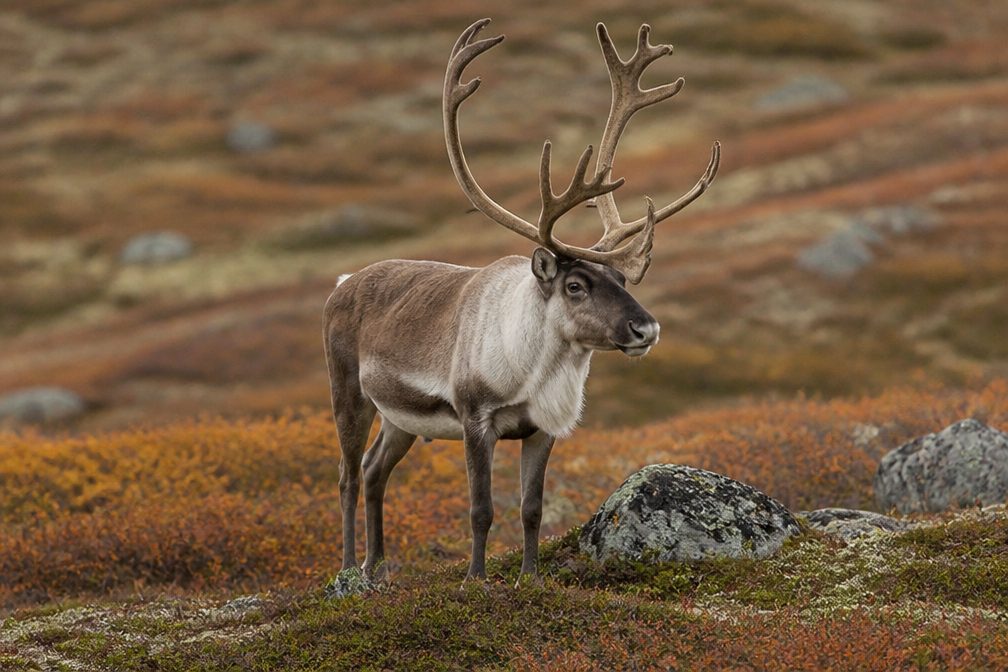 12 sightingsCaribouMost seen around 7 PMSighting map
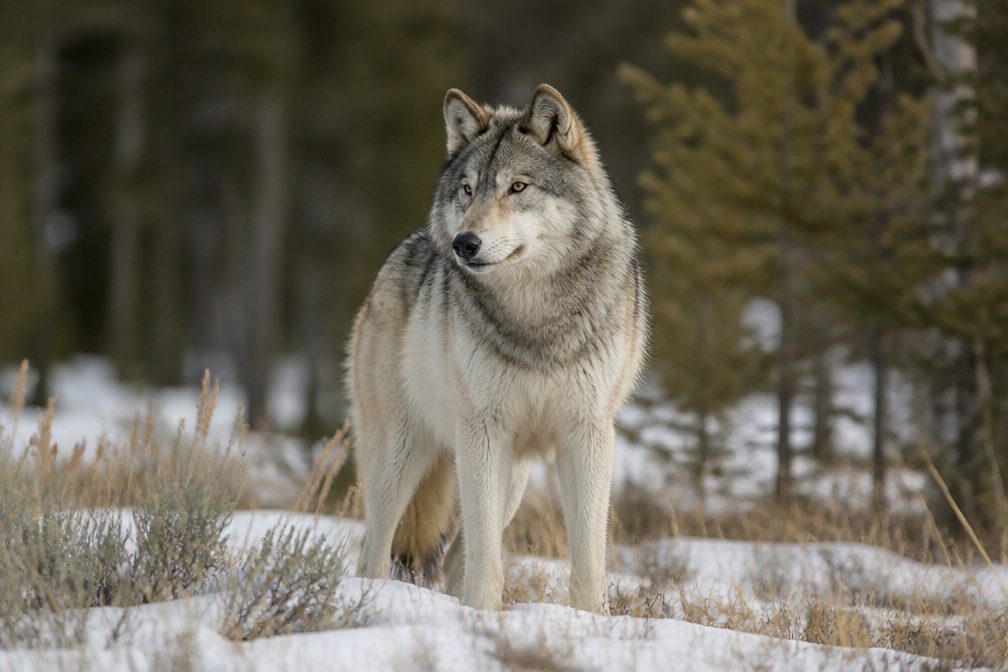 10 sightingsWolfMost seen around 7 PMSighting map
Sighting maps show where each species has been reported across Gates of the Arctic. Wildlife moves, so no sighting is guaranteed.