Best time to visit
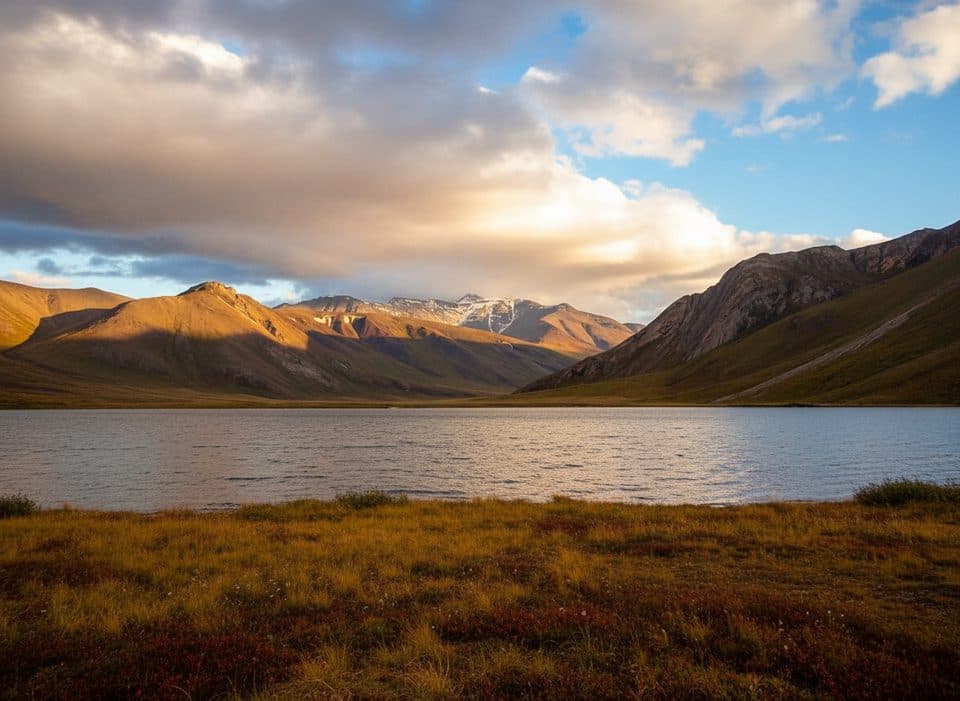
Summer, when the lake is ice-free, is the practical window for paddling and camping. Crowds are essentially nonexistent any time. For photography and glassy paddling, aim for early morning or calm evening light.

#5 of 14 sights in Gates of the Arctic
Sight · Gates of the Arctic National Park
Remote Brooks Range lake for paddling, solitude, and big views
Overview
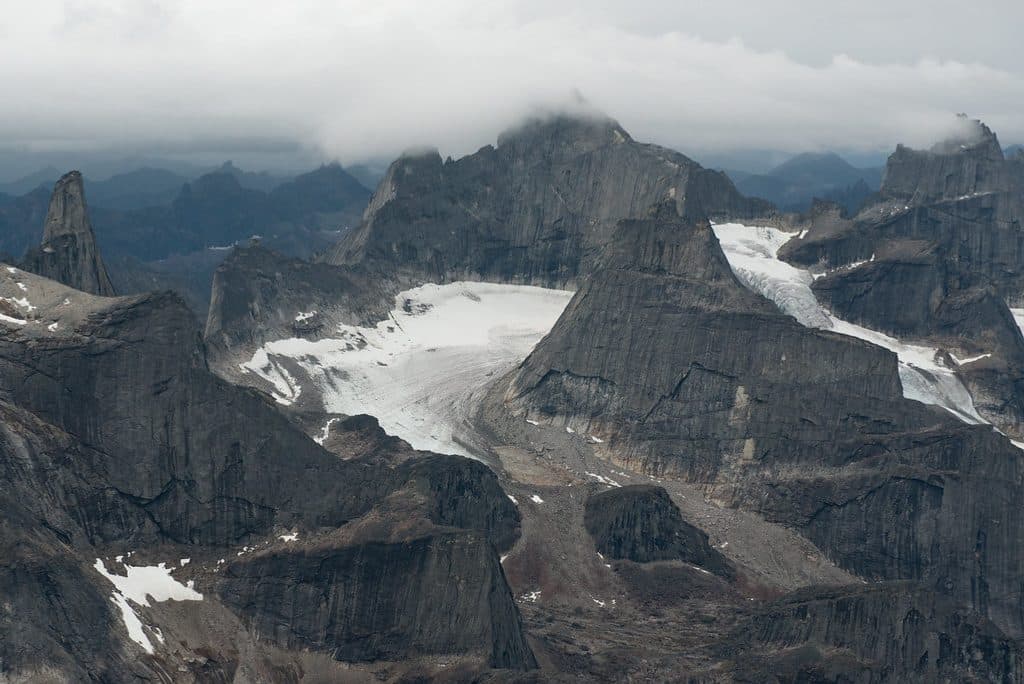
Walker Lake is a long, glacially carved jewel tucked into the south slope of the Brooks Range—nearly 14 miles end to end and over a mile wide, set around 600 feet above sea level with surrounding peaks topping 4,000. It’s officially recognized as a National Natural Landmark for its intact northern mountain lake ecosystem and dramatic ecological transitions.
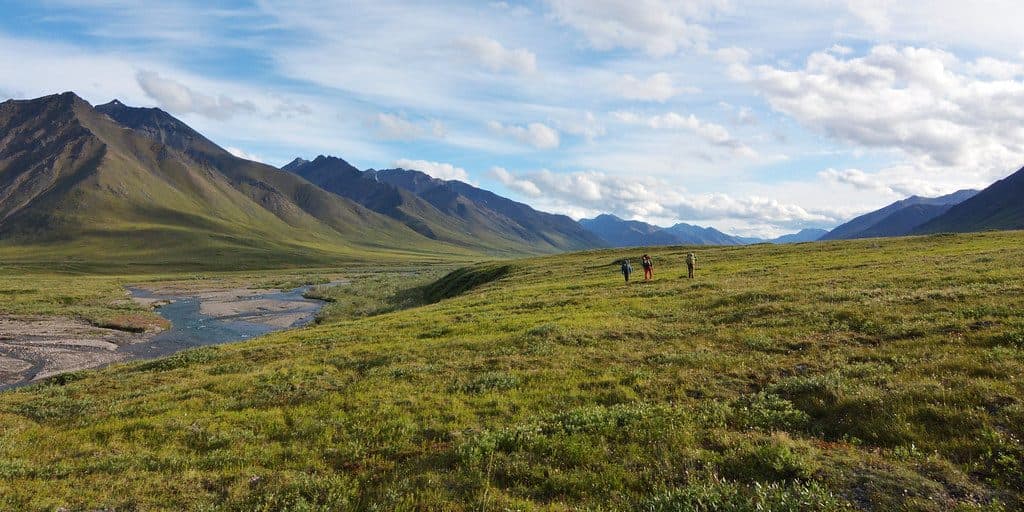
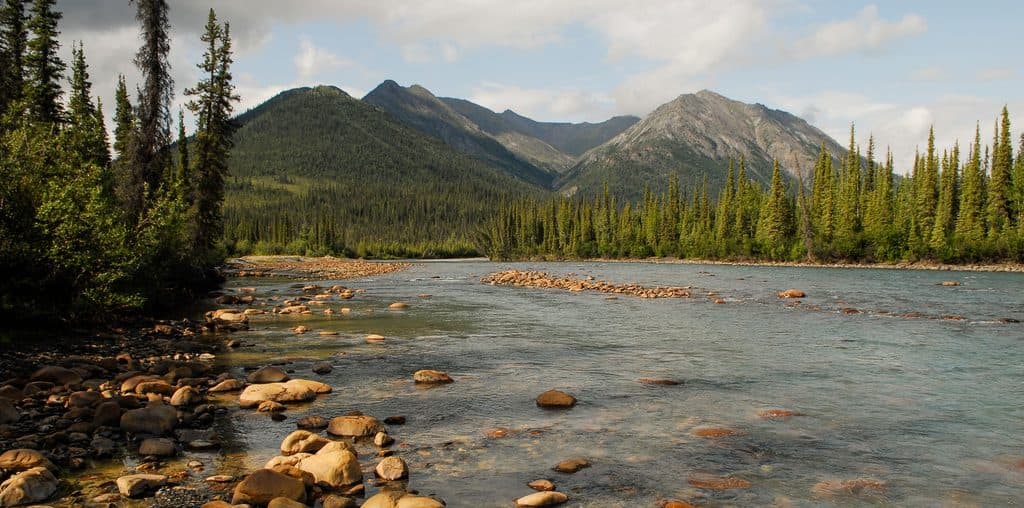
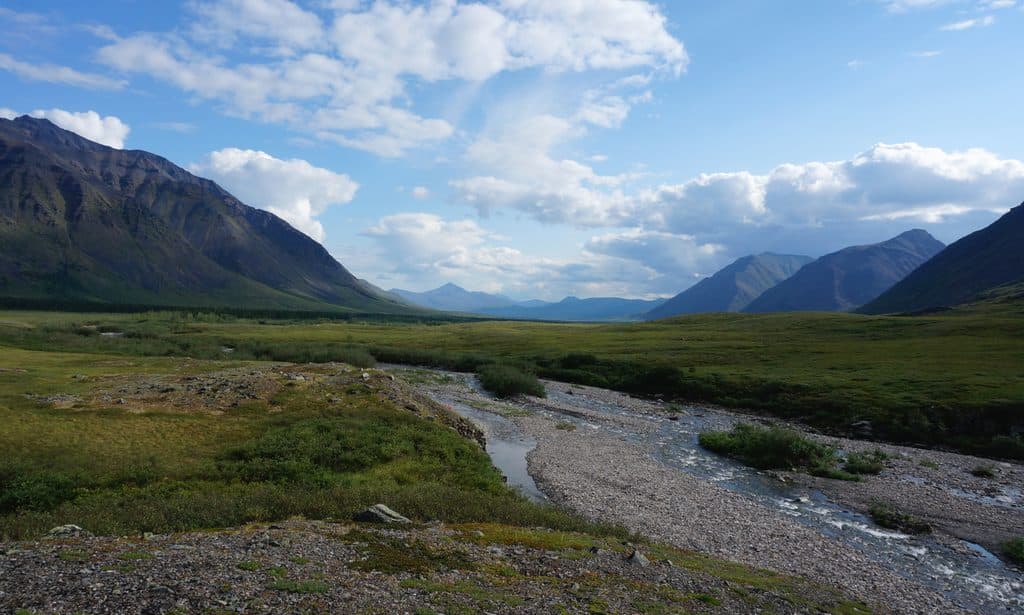
This is the northern limit of forest growth in Alaska, where open white spruce along the shoreline gives way—within just 2,000 vertical feet—to talus and tundra. That compressed gradient means you move through distinct habitats fast: spruce forest, tall shrub, dry tundra, bluffs, and clear water. The place feels utterly wild and quiet; many come specifically for that sense of untouched wilderness.
 Parkwolf’s verdictWhat makes it special
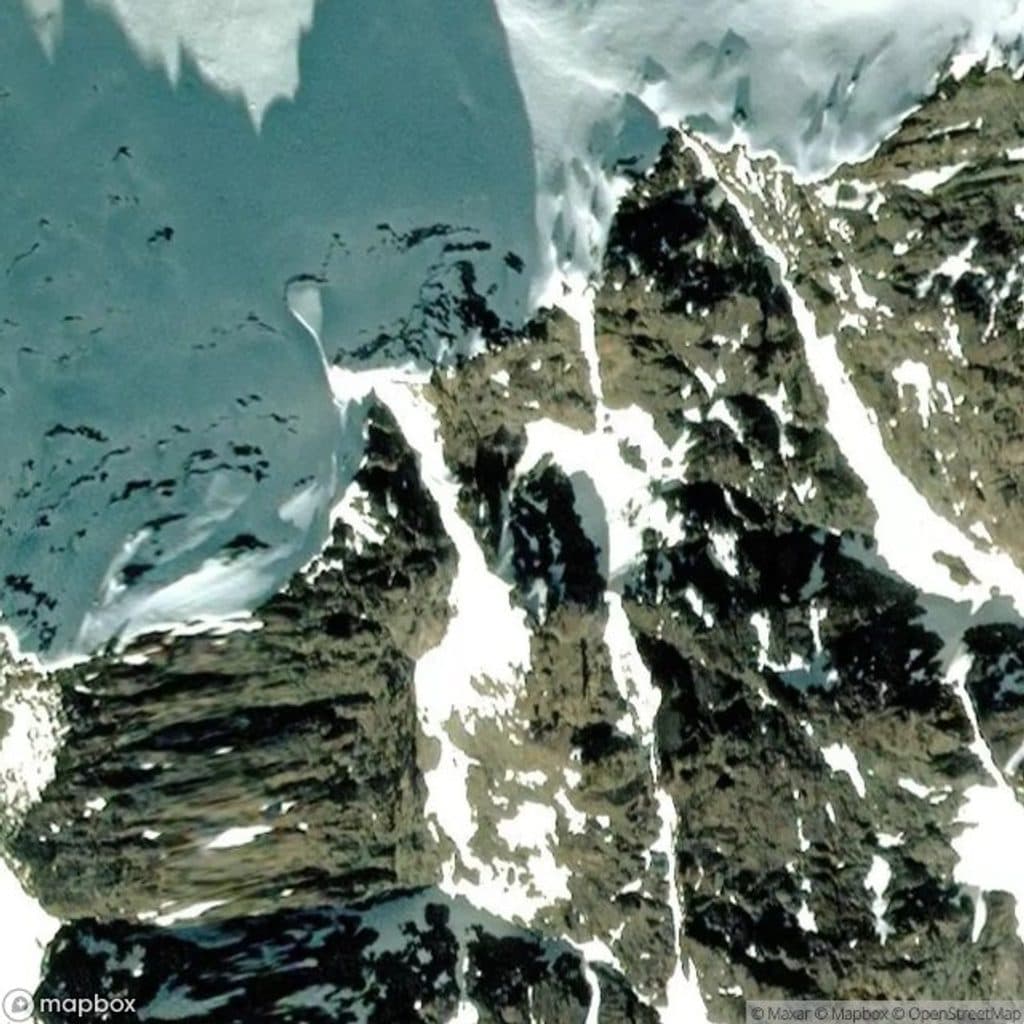
Map
Local know-how
Arrange a floatplane drop-off and pickup well in advance from Bettles.
Bring bear-resistant food storage and be meticulous with food odors.
Carry a satellite communicator; there’s no cell service or on-site help.
Treat all water and pack out all waste—there are no facilities.
Plan paddles for early or late in the day when winds are typically calmer.
Plan your stop

The highest, rockiest slopes around here are a summer buffet for grizzly bears.
Gates of the Arctic Tour Guide
Parkwolf is a GPS audio tour guide for Gates of the Arctic National Park. As you drive, it chimes in with what’s ahead: hidden gems, upcoming stops, history, geology, and wildlife, right through your car’s speakers.
“Fantastic app with many points of information… It’s great to just turn on while you’re driving and it gives you an audio tour of the national Park. We love it!!!!”


Guide
Walker Lake sits in a glacial basin (or behind a moraine dam), a textbook Brooks Range lake. The surrounding slopes and shorelines showcase a rapid transition from boreal forest to high-country tundra—one reason it earned that National Natural Landmark status.
Inupiaq tradition remembers the lake for its “giant, ferocious fish,” and it’s locally nicknamed “Big Fish Lake.”
This is a fragile subarctic environment. Follow strict Leave No Trace, especially with camp impacts and human waste. The area’s wild character is a big part of its value, and it’s worth keeping it that way.
Wildlife
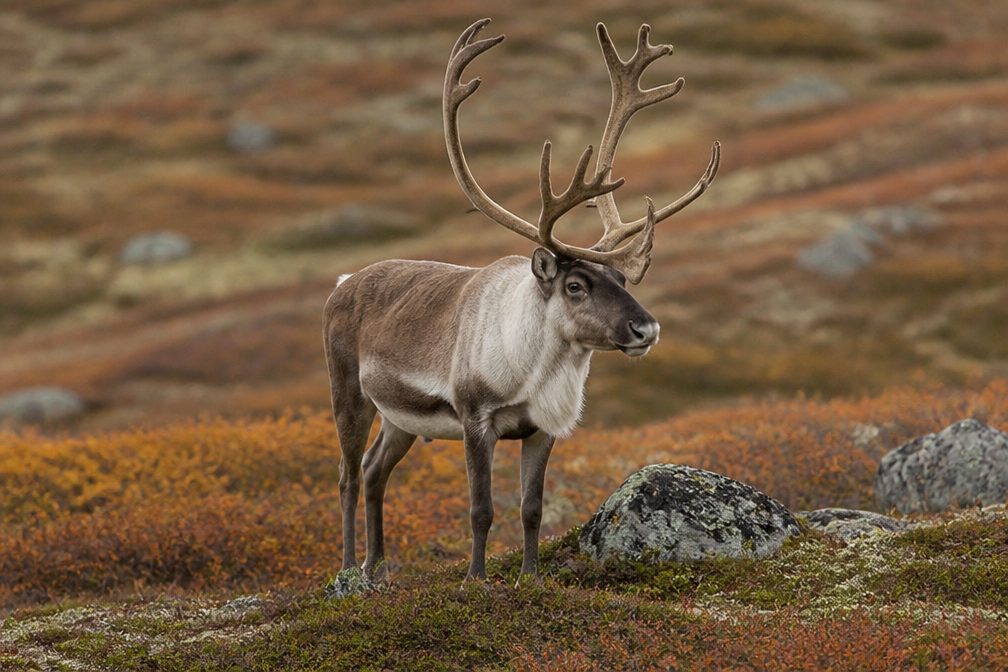 11 sightingsCaribouMost seen around 7 PMSighting map
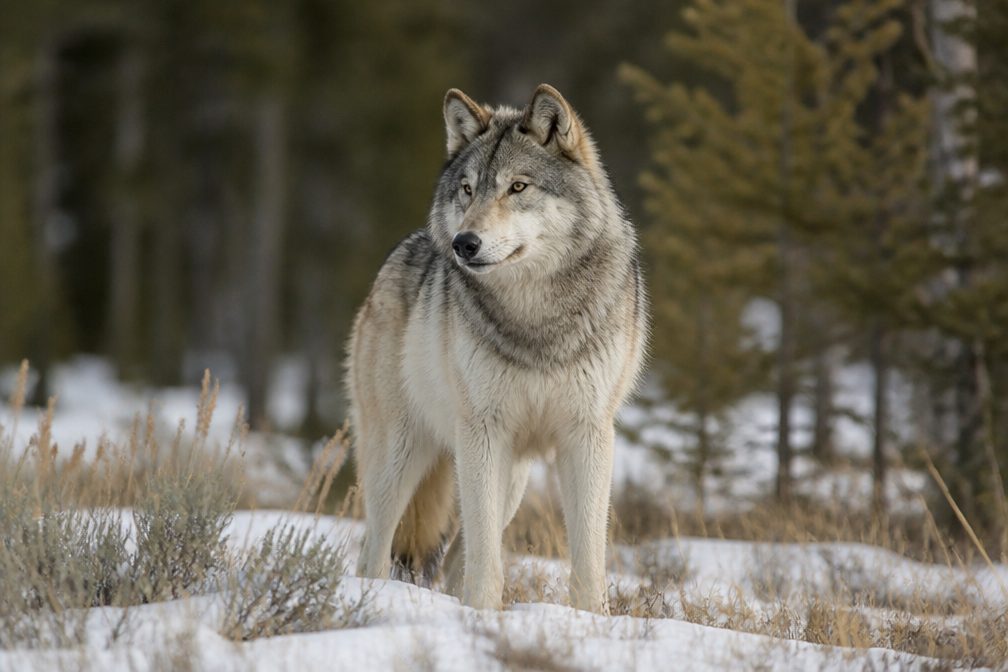 10 sightingsWolfMost seen around 7 PMSighting map
Sighting maps show where each species has been reported across Gates of the Arctic. Wildlife moves, so no sighting is guaranteed.
Parkwolf’s Gates of the Arctic ranking
The audio tour guide for the drive, plus offline maps, trails, and wildlife heatmaps for when the signal drops.