
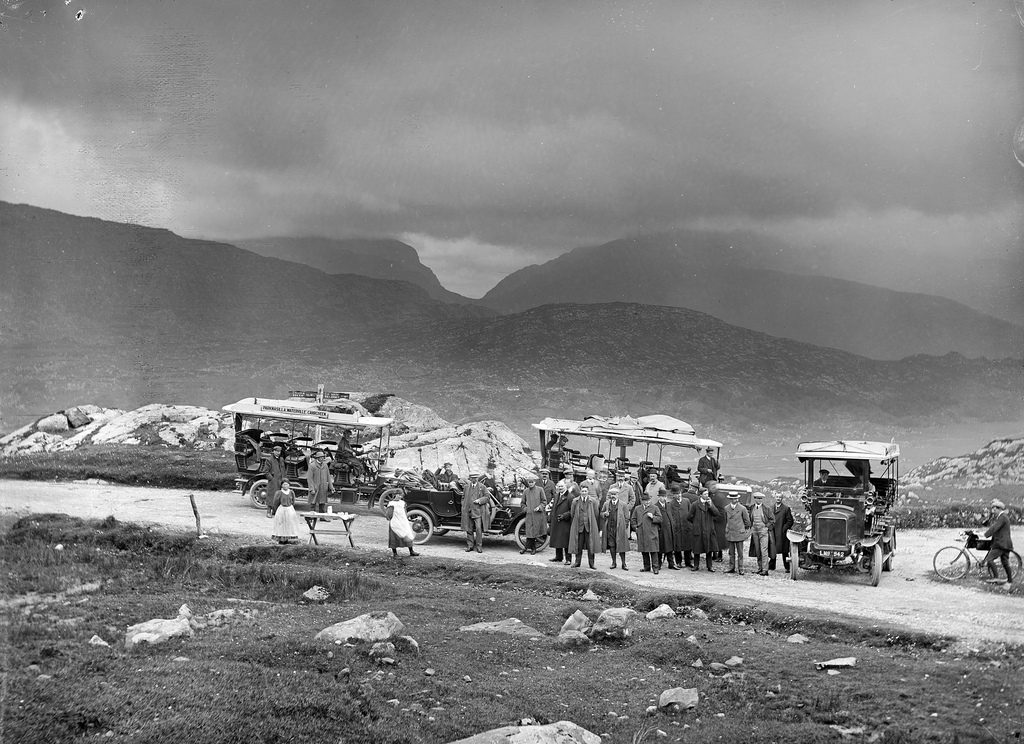
Place · 0.9 mi away
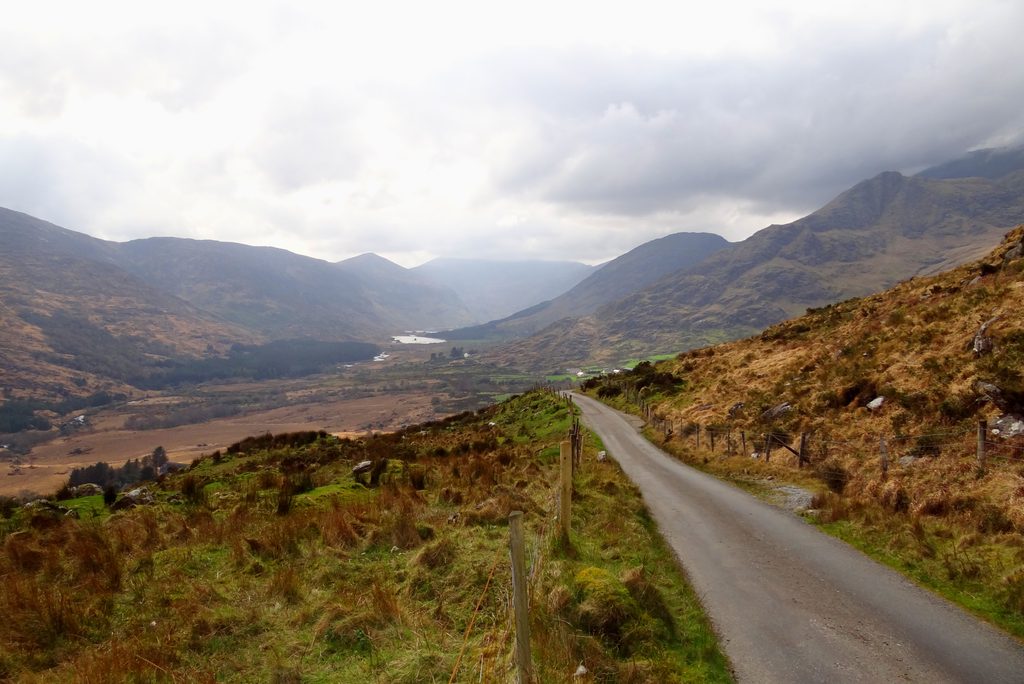
Often called Cummeenduff, the Black Valley is one of the park’s most remote, picturesque corners—famous for its unspoiled feel and brooding mountain backdrop. It was the last place in Ireland connected to the national electric grid (1976), and it still feels pleasantly off‑the‑map.
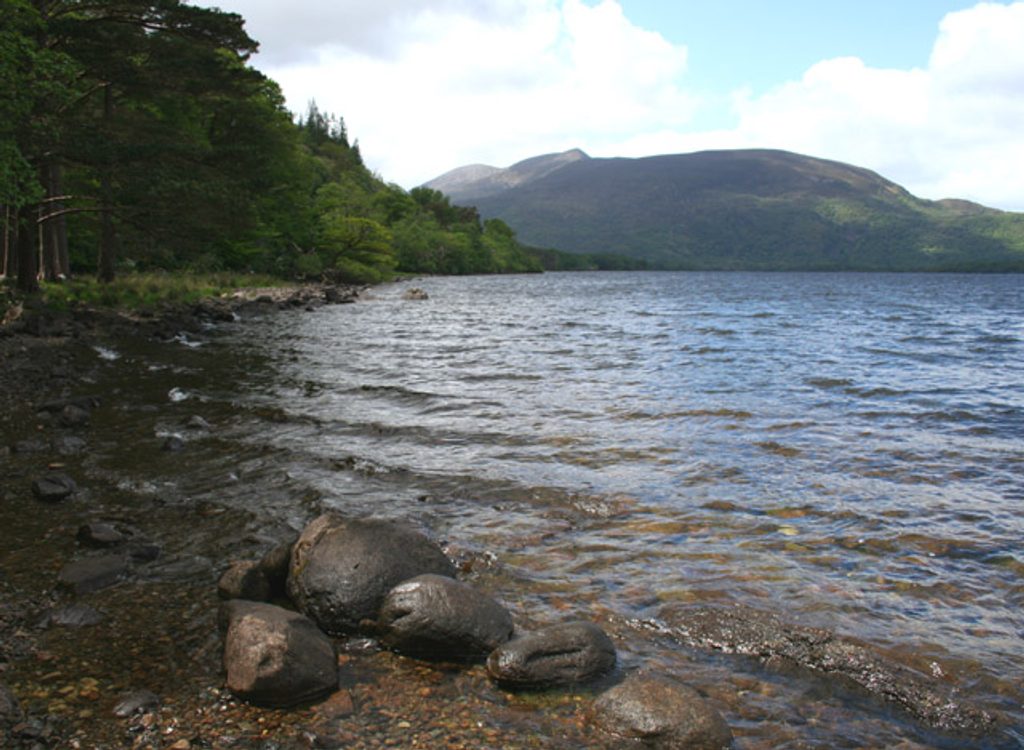
Expect a classic glen of steep sandstone slopes, fast streams, and a patchwork of Atlantic oak woods, upland heath, and blanket bog. The sense of space and quiet is the draw here; it’s a place to wander lanes, watch cloud shadows climb the ridges, and soak up wild scenery.
This area sits within one of Ireland’s richest habitats. Keep an eye out for the park’s indigenous red deer herd; white‑tailed sea eagles are occasionally seen overhead. Otter and Irish hare live here too. For seasonal highlights, listen for cuckoos from late April to early July, and check bog pools in June–July for the rare northern emerald dragonfly.
Services are scarce in the valley itself. Lord Brandon’s Cottage, near the southern end of the Gap of Dunloe, operates as an open‑air café with toilets, but hours are seasonal—don’t count on it outside peak months. The park is free to enter, but facilities like reliable toilets and cafés are concentrated at major sites such as Killarney House, Muckross House/Gardens, and Ross Castle.
There’s no big, dedicated car park deep in the valley. Many visitors link the area with boat routes that serve Lord Brandon’s Cottage or approach via established hubs and the Kerry Way. General parking around the park is free; plan your start/finish at larger hubs and confirm locally during busy periods.
Weather turns quickly—carry waterproofs, warm layers, and a map/GPX with a charged phone and backup power. After heavy rain, streams can swell rapidly; be prepared to turn back. Roads are narrow and winding with mixed traffic (walkers, cyclists, sheep). Much of the land is privately owned and actively farmed: close gates, keep dogs on leads, and follow Leave No Trace. Camping and recreational drone use are not permitted anywhere in the park.
For wildlife and soundscapes, spring to early summer shines (cuckoos late April–early July), with dragonflies best in June–July. Autumn brings moody mists and heightened deer activity. Visitor services are most reliable in peak season; in shoulder months and winter, expect minimal amenities.
Place · 0.9 mi away
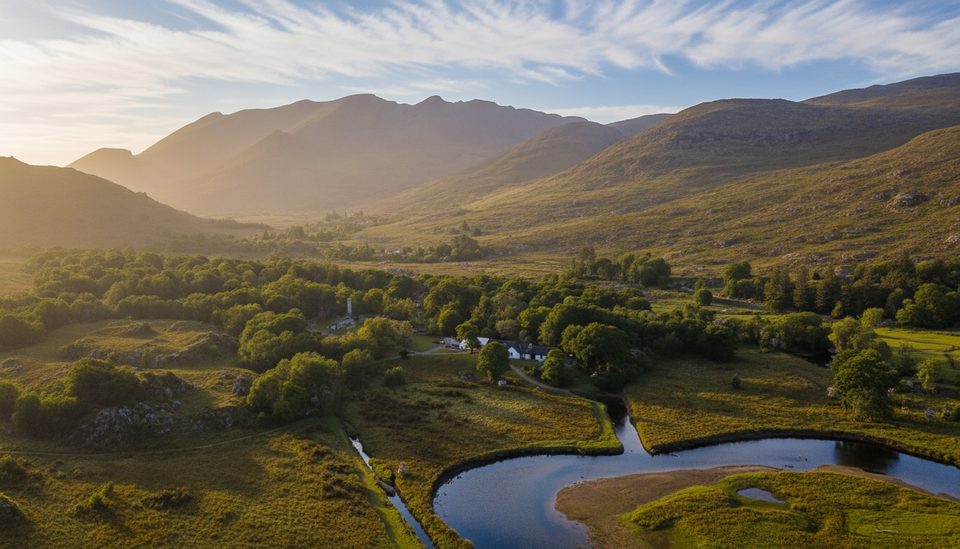
Place · 2.4 mi away
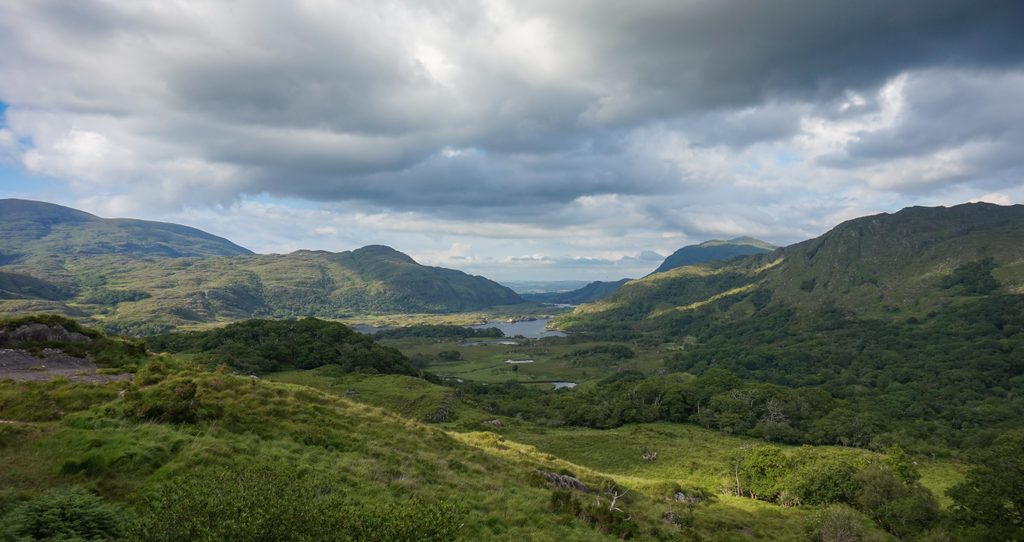
Place · 2.6 mi away
Place · 2.9 mi away
Moderate · 6.3 mi away
Challenging · 6.3 mi away
Moderate · 6.3 mi away
Moderate · 7 mi away

Parkwolf Tour Guide
