
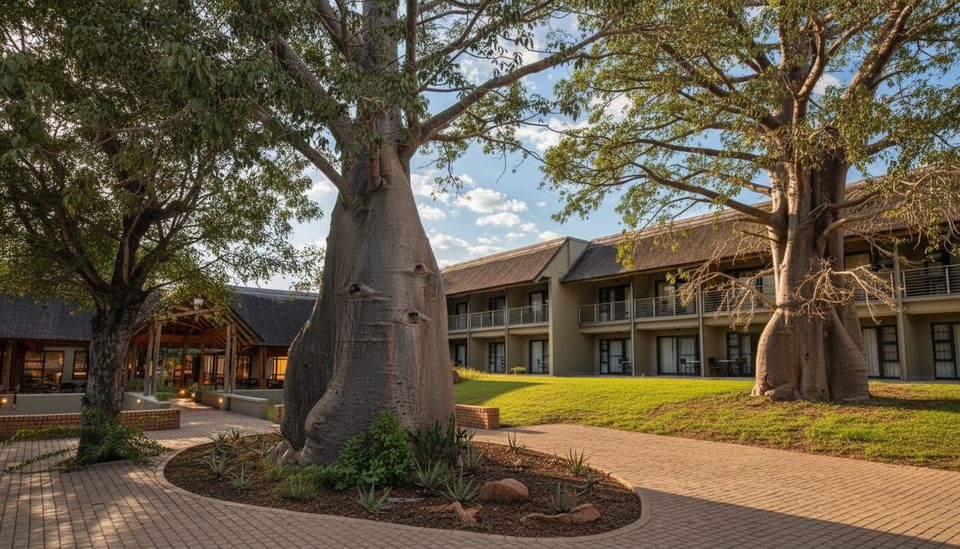
Place · 0.4 mi away
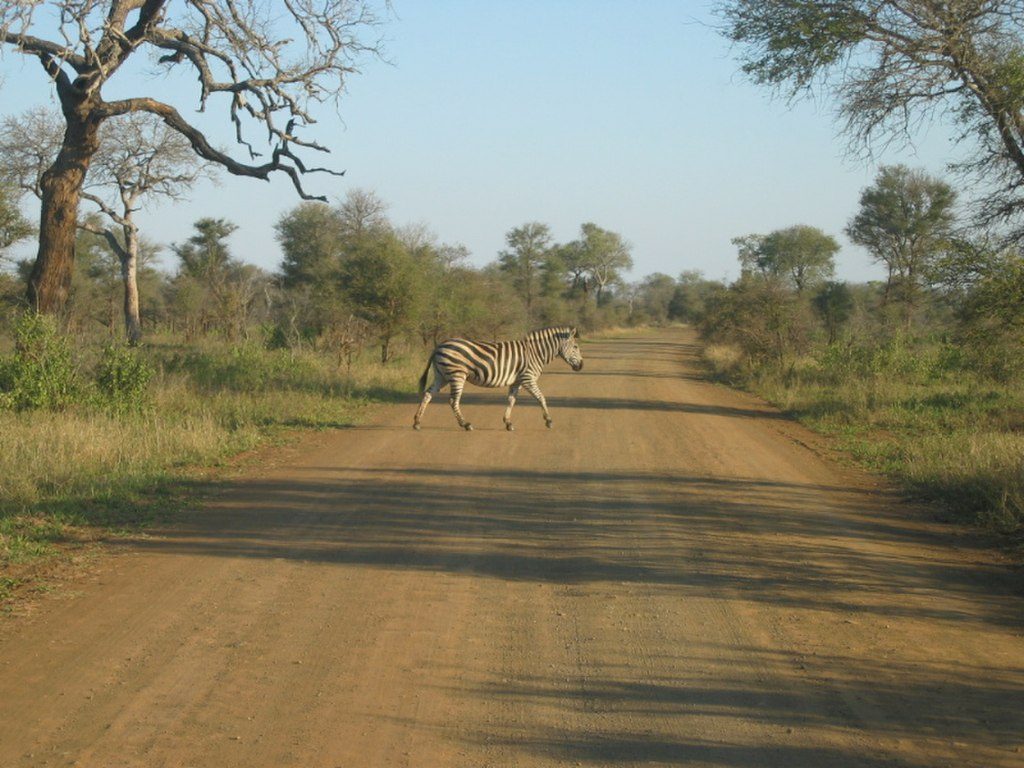
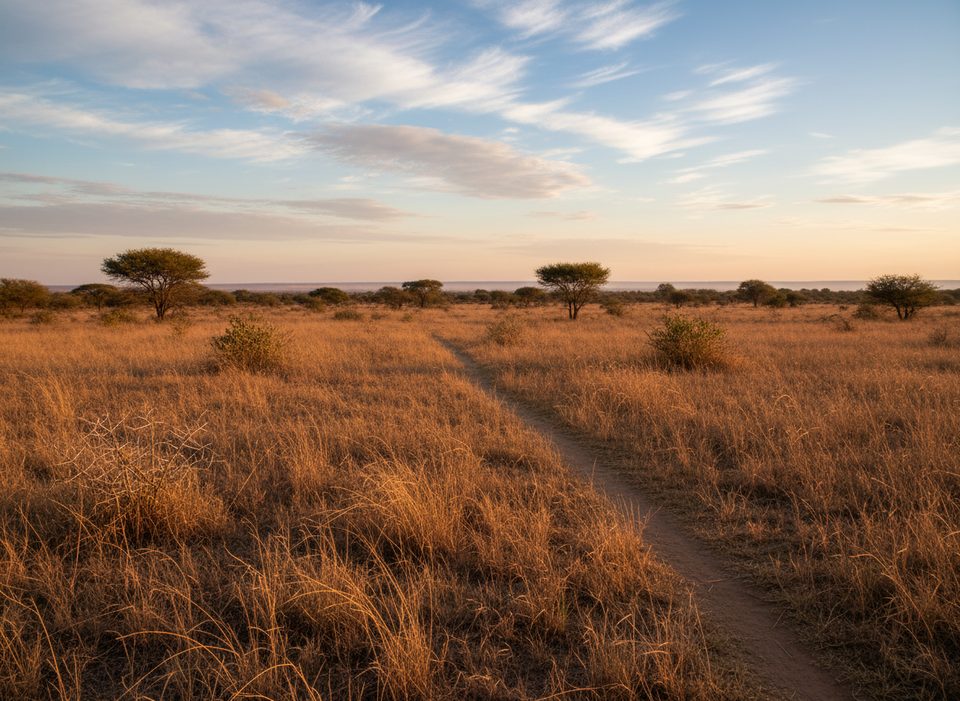
This is South Africa’s flagship safari experience: huge skies, winding rivers, and a real chance of the Big Five on a self-drive. The park spans varied landscapes from mopaneveld in the north to open bush and riverine belts in the south, crisscrossed by well‑maintained roads and anchored by rest camps that make logistics straightforward.
Few places combine wild game densities with the freedom of a DIY safari the way this park does. You can roam at your own pace, then pull into a camp for fuel, a hot meal, or to rest up for golden hour. Multiple travelers highlight just how unforgettable dawn and dusk drives can be.
Self‑drive is the star: arrive at a gate before opening, head straight for river loops and secondary roads, and linger where tracks and birds give the bush away. Mix in at least one guided drive—early morning or late afternoon—to sharpen your spotting and learn local hotspots. If you’re day‑tripping, arrive early during busy periods to avoid gate queues and day‑visitor caps.
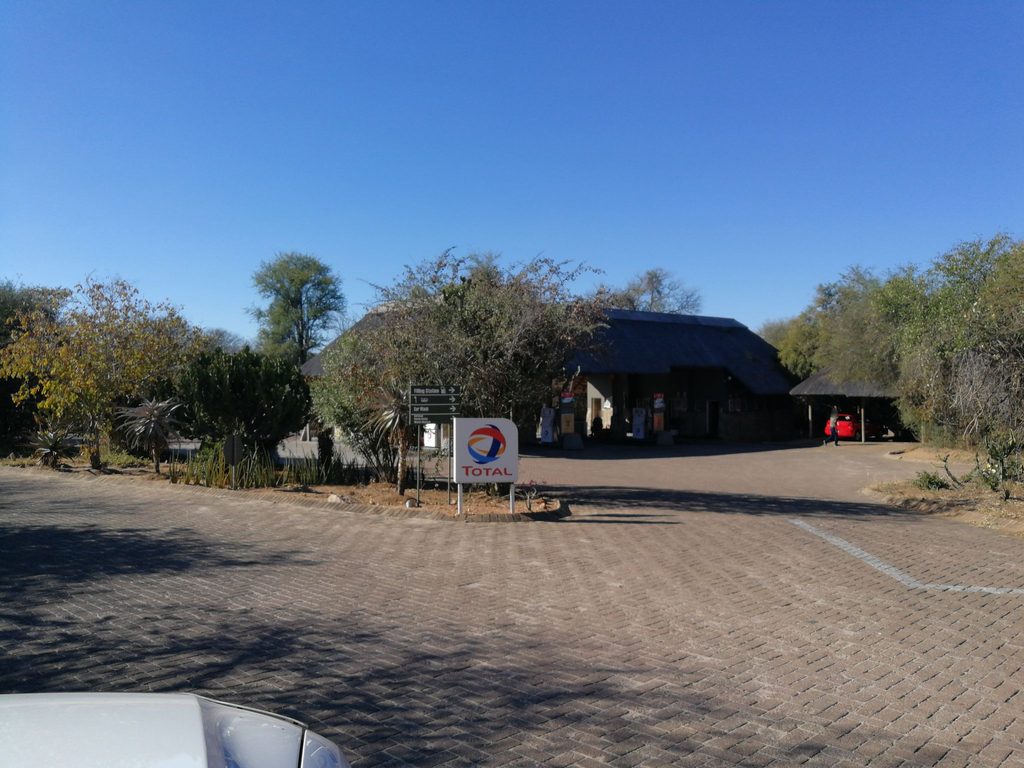
Main rest camps typically offer fuel, shops, restaurants or cafeterias, and basics like laundries and communal kitchens. Information centres are found at Letaba, Skukuza, and Berg‑en‑Dal. Toilets are available at all main camps and designated picnic sites—use them when you can; distances are long and wildlife roadblocks happen. Bush toilet stops aren’t an option.
Expect elephants, buffalo, giraffe, zebra, and a wide cast of antelope on most drives. Predators and rarities swing between feast and famine depending on timing and luck—stack the deck with multiple dawn/dusk outings and patience.
Roads are generally good; gravel is easier with higher clearance. Some bungalows show their age (think plumbing, fans/AC quirks), and Wi‑Fi can be patchy—set expectations accordingly. Grab the official map at the gate and plan routes around picnic sites and camps for restrooms and fuel.
Place · 0.4 mi away
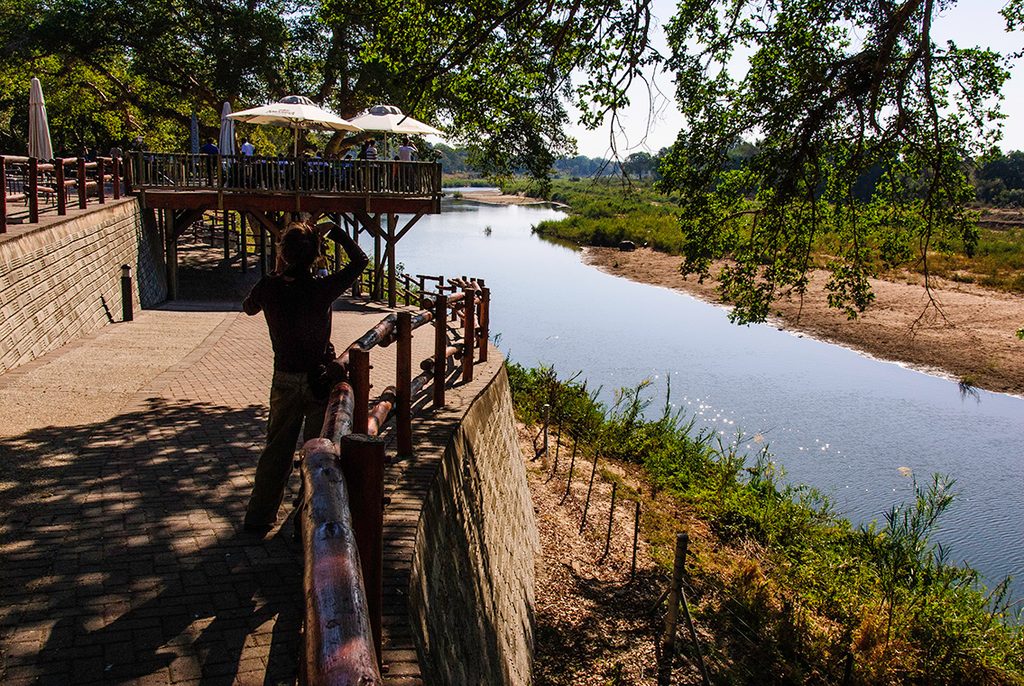
Place · 0.4 mi away
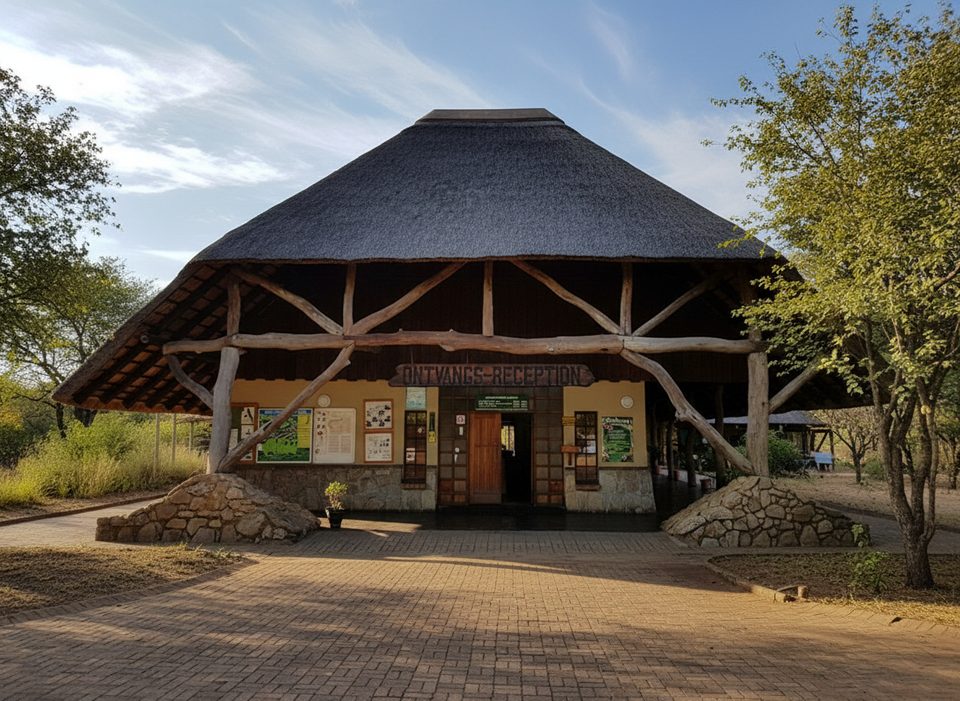
Place · 0.4 mi away
Place · 0.5 mi away
Easy · 22.3 mi away
Easy · 23.1 mi away
Moderate · 30.9 mi away
Easy · 38 mi away

Parkwolf Tour Guide
