
Place · 0 mi away
Challenging
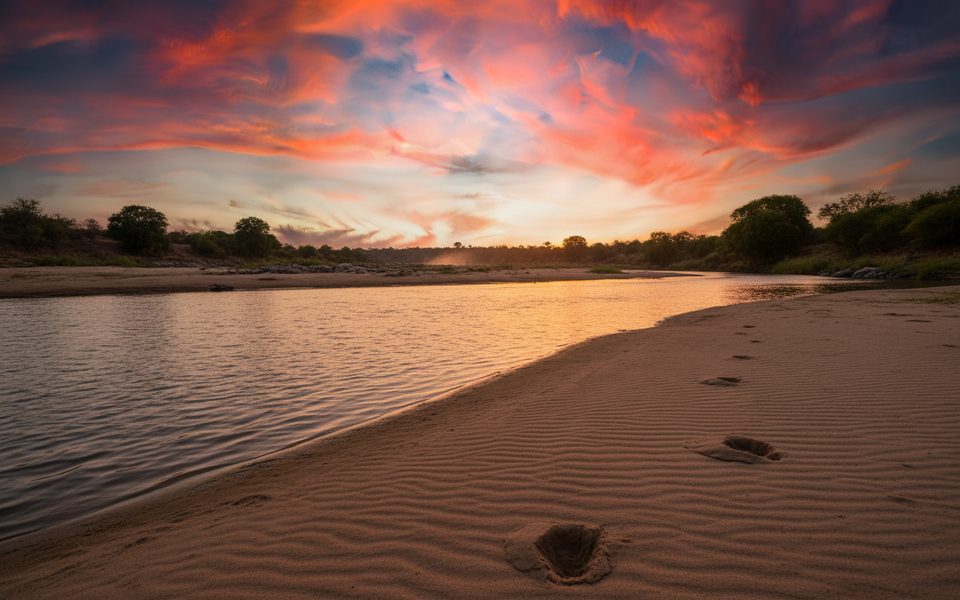
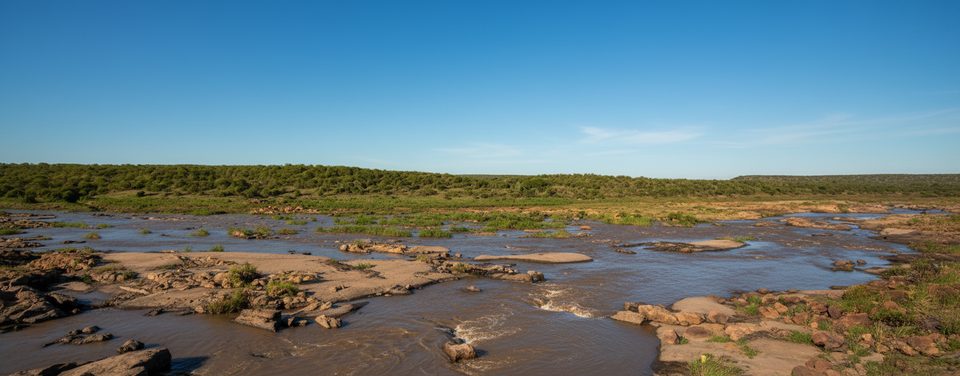
A true wilderness walk, this is a guided, four‑day/three‑night primitive backpack along the Olifants River corridor, totaling about 42 km (roughly 26 miles) over the full trip. Expect to carry everything on your back and sleep in your own tent—there are no huts, no fixed camps, and no marked route. Two armed field guides lead small groups and choose wild riverside camps each night, so the exact route varies with conditions and wildlife.
Day 1 is deliberately short (around 4–5 km) to ease you into the routine. Subsequent days typically cover 10–15 km, starting at first light, breaking for a long midday siesta during peak heat, then a shorter afternoon leg to the next camp. Fires are for social and safety reasons—bring a gas stove for cooking. You’ll draw water from the Olifants River; treat it with purification tablets.
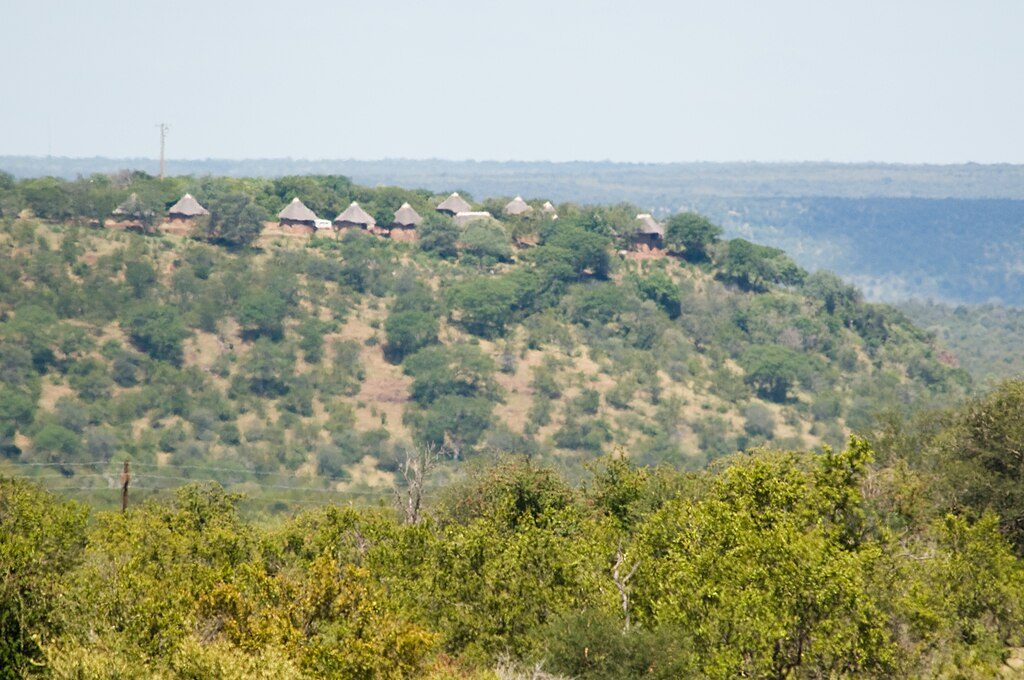
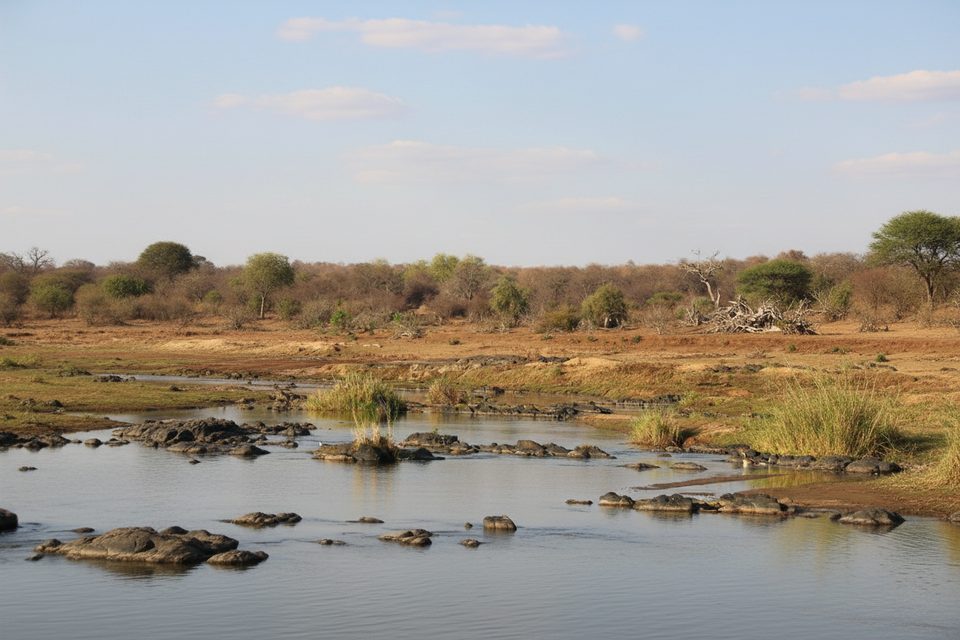
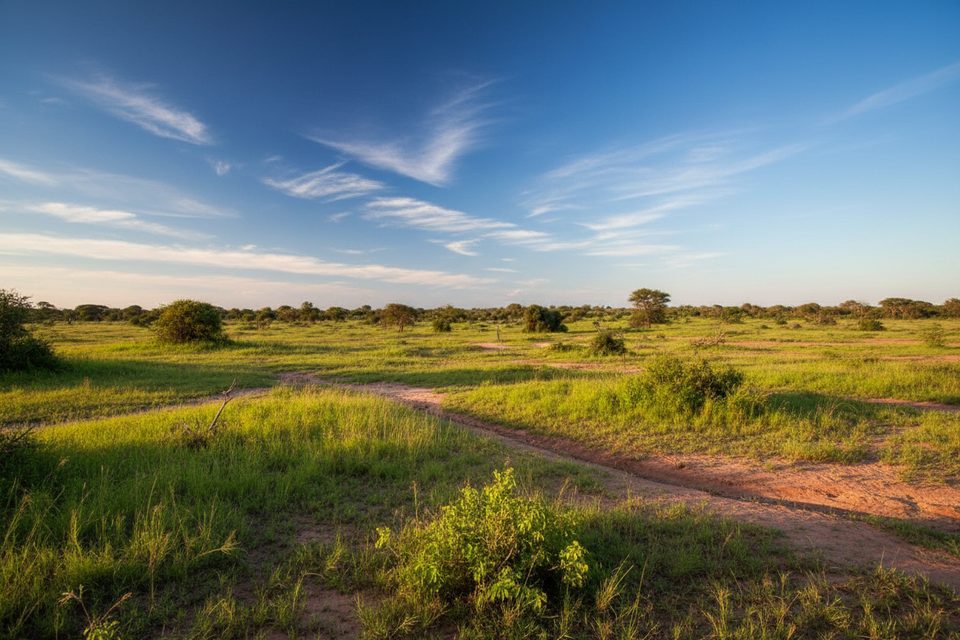
The walking mixes rugged veld, rocky sections, sandy riverbanks, and impressive riverine forest with big trees like Apple-leaf and Sycamore fig. This stretch of Kruger is a biodiversity sweet spot: grasslands, mopaneveld, and riverine habitats overlap, and elephant numbers are high. Encounters with hippos along pools and crocodiles on sandbanks are common, and you may see baboons and classic river birds like fish eagles. Guides manage spacing and detours around wildlife; you’ll be on foot in genuine big‑game country.
The trail starts and checks in from Olifants Rest Camp. Group size is small (max eight), led by two armed guides who carry basic first aid; you’re responsible for your own medications. A medical certificate confirming fitness is required. It’s strictly “take it in, take it out”: no bins, no toilets, and only biodegradable products. You must be comfortable hiking 10–15 km with a heavy pack in heat and setting up/breaking down camp daily.
Availability is seasonal and can pause during peak heat or due to river conditions—confirm current operating dates when you book. Wildlife tends to concentrate along rivers during drier months, which can make sightings particularly rewarding. Regardless of season, the daily rhythm (early starts and a long midday break) is designed to beat the heat; stick to it.
If you crave a raw, guide‑led bush immersion with unmarked routes, wild camps, and real big‑game encounters on foot, this is one of Kruger’s standout experiences. If you prefer hut comforts and a set itinerary, consider a hut‑based wilderness trail instead. Comparable primitive options in the park include the Lonely Bull and Mphongolo backpacking trails—also self‑sufficient and guide‑led—but the Olifants’ river focus and habitat variety set it apart.
Check in and leave your vehicle at Olifants Rest Camp as instructed with your booking; guides handle transfers to the start.
You’re on foot in big‑game country; follow armed guides’ instructions at all times. Treat all drinking water. Expect heat, heavy packs, no toilets, and strict pack‑out. Bring all personal medications—guides carry only basic first aid.
Place · 0 mi away
Place · 0 mi away
Place · 0 mi away
Place · 0.1 mi away
Moderate · 0 mi away
Easy · 0 mi away
Easy · 30.4 mi away
Moderate · 35.4 mi away

Parkwolf Tour Guide
