
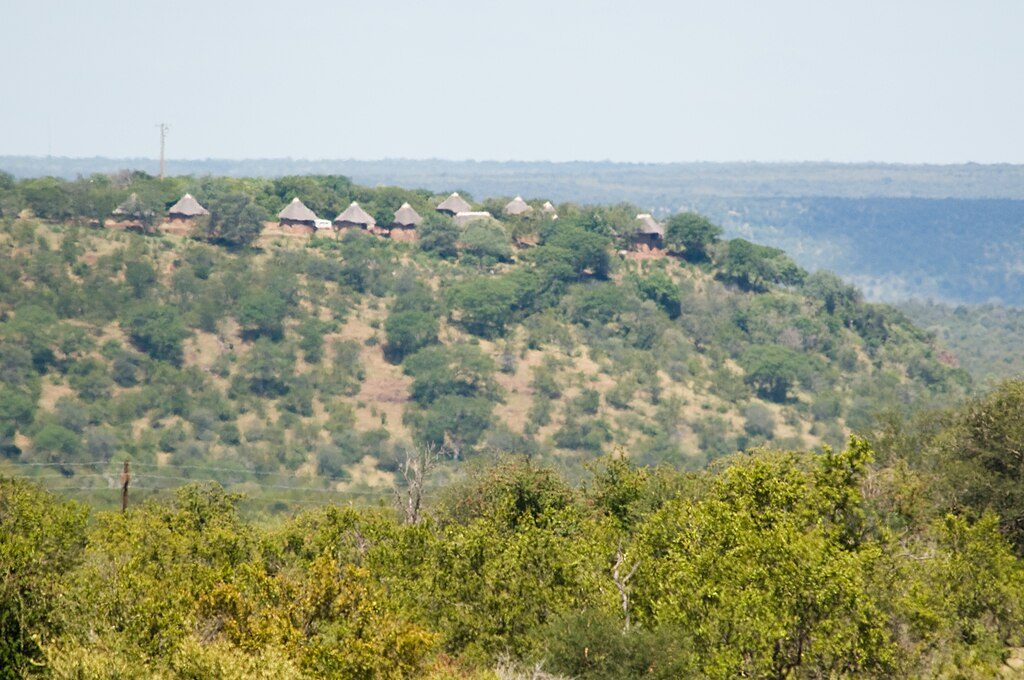
Place · 0 mi away
Moderate
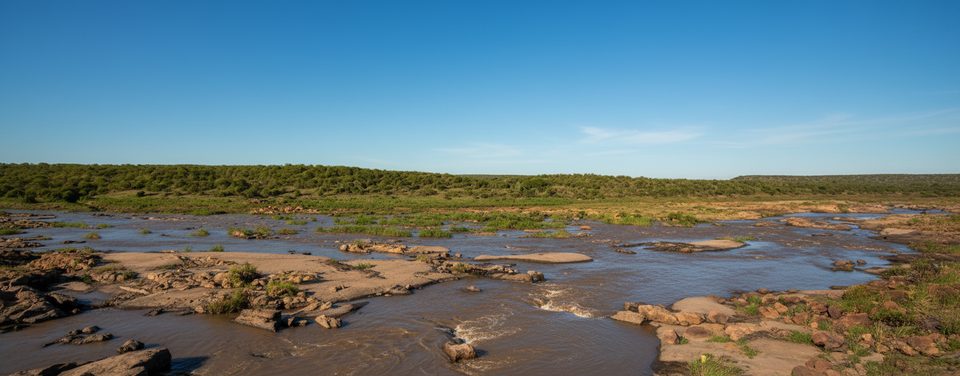
This is Kruger’s classic on‑foot wilderness experience: 4 days/3 nights based out of a rustic, electricity‑free trail camp, walking the Olifants–Letaba river system with a maximum of eight participants. Expect silence, big skies, and the kind of intimate, ground‑level encounters you won’t get from a vehicle. It’s not a set “track” so much as guided exploration—routes change with conditions and wildlife.
You’ll walk roughly 15–20 km per full day (about 9–12 miles), usually over two walking days for an estimated total of about 21.7 miles. Pace is leisurely with plenty of stops, but the terrain can surprise first‑timers: sandy riverbeds that hold heat, dongas (eroded gullies), Mopani scrub, and uneven ground. Reasonable fitness is required; ages typically 12–65. If you need wheelchair access or struggle on uneven surfaces, this isn’t the right fit.
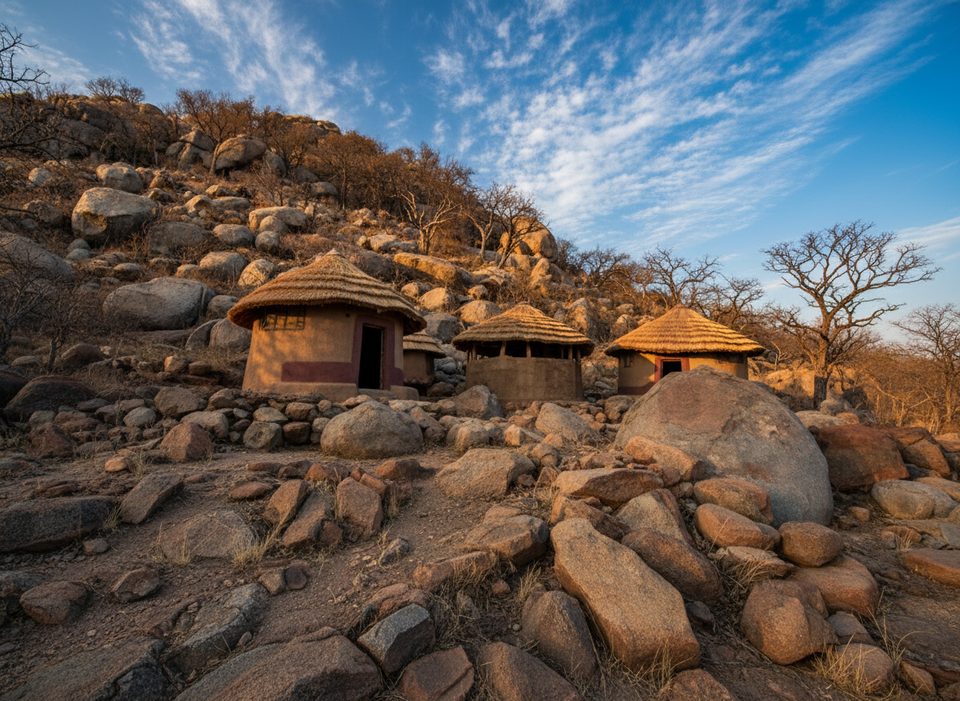
Day 1 meets mid‑afternoon at Letaba Rest Camp for transfer to the trail camp. Days 2–3 start before dawn with coffee and rusks, then a long morning walk; after a siesta, a shorter late‑day walk and sundowners. Evenings center on the fire and a simple, hearty meal. Day 4 is a light start and return to Letaba. Huts or tents are basic (often two beds each), communal ablutions, kerosene lanterns for light, and a camp cook handles the meals. There’s limited cooling for drinks; bring your own alcoholic/soft drinks.
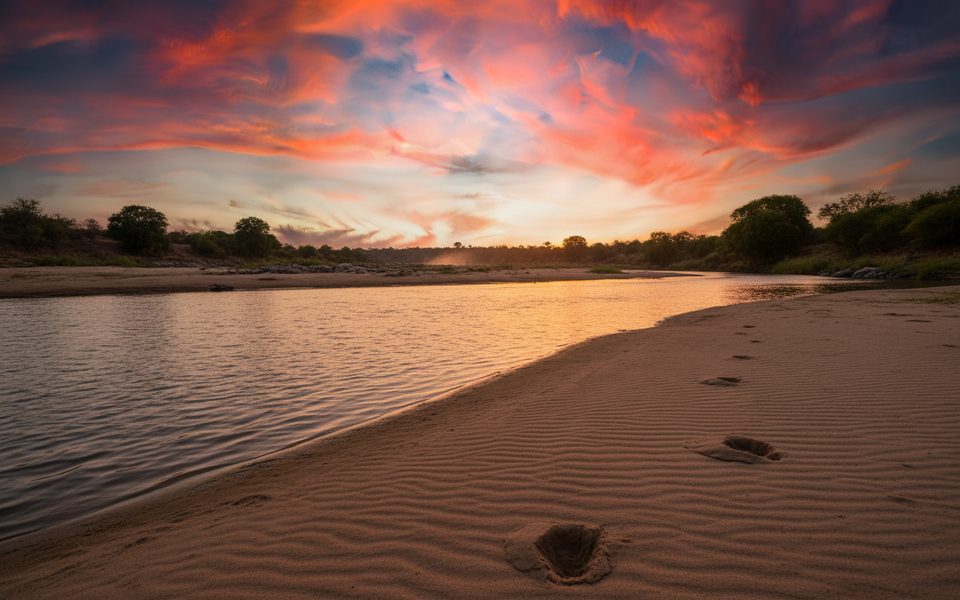
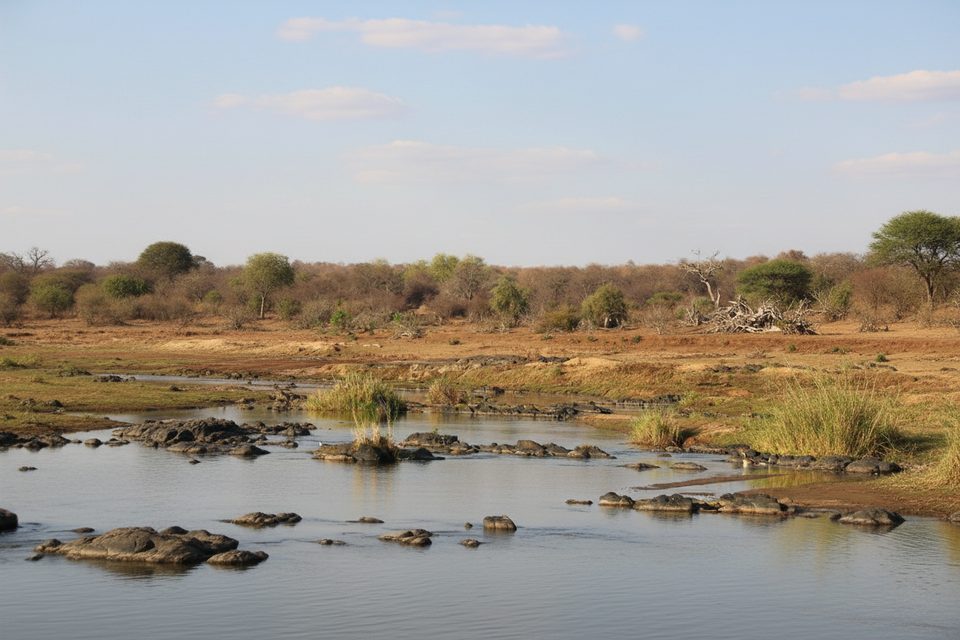
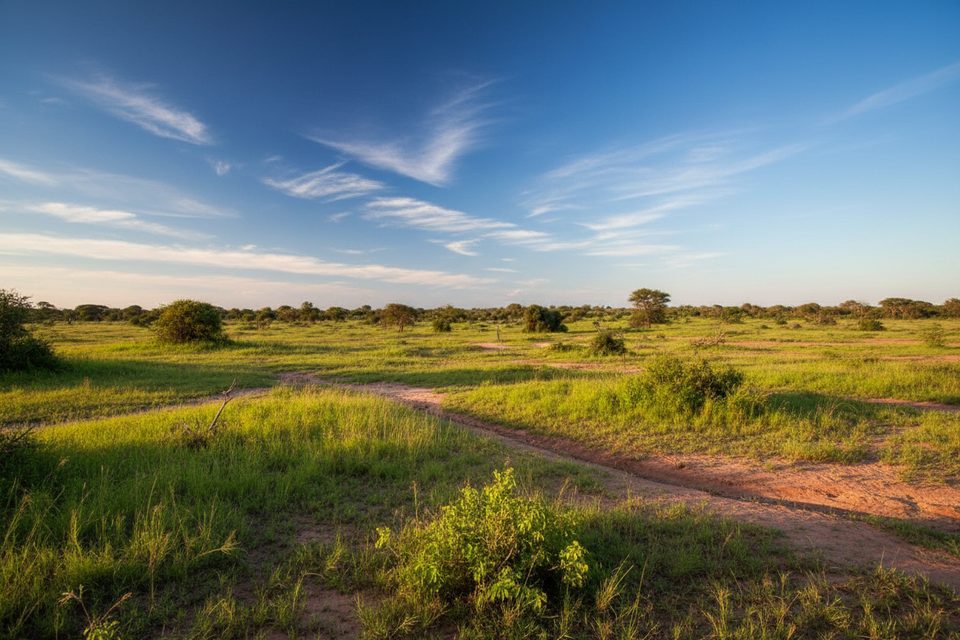
Think quality over quantity. Animals are more wary of humans on foot, so sightings may be fewer than on game drives—but the encounters can be unforgettable. Expect riverine scenes with hippo and crocodile along the Olifants and Letaba, plus chances for elephant, rhino, big cat tracks (and the occasional cat), hyena, jackal, and excellent birding. The mix of gorges, valleys, and open plains keeps the walking varied.
Cooler, drier months make this shine. Trails generally don’t operate in the peak‑heat summer period, and even shoulder‑season afternoons can be toasty in the sand. Aim for the cooler months, start early, and save photography for golden hours when animals are active and the river corridors glow.
Neutral clothing (khaki tones), a brimmed hat, sunscreen, insect repellent, malaria prophylaxis, worn‑in boots with thick soles (ankle support helps), a warm layer for chilly mornings/evenings, a small daypack with 2+ liters of water‑carry, binoculars, and a reliable headlamp/torch. Dietary needs can often be accommodated with prior arrangement.
Plan on about 21.7 miles total walking over the two full days (routes vary), within a 4‑day/3‑night, ranger‑guided format starting and ending at Letaba Rest Camp.
Park at the designated trail parking inside Letaba Rest Camp; meet the trail ranger at 15:30 for group transfer to the wilderness camp.
Malaria area—take prophylaxis. Expect heat, soft sand, and uneven terrain (dongas). Obey ranger instructions at all times; no phones/radios in camp. Camps may be reassigned—confirm details before travel.
Place · 0 mi away
Place · 0 mi away
Place · 0 mi away
Place · 0.1 mi away
Challenging · 0 mi away
Easy · 0 mi away
Easy · 30.4 mi away
Moderate · 35.4 mi away

Parkwolf Tour Guide
