
Place · 1.2 mi away
Moderate
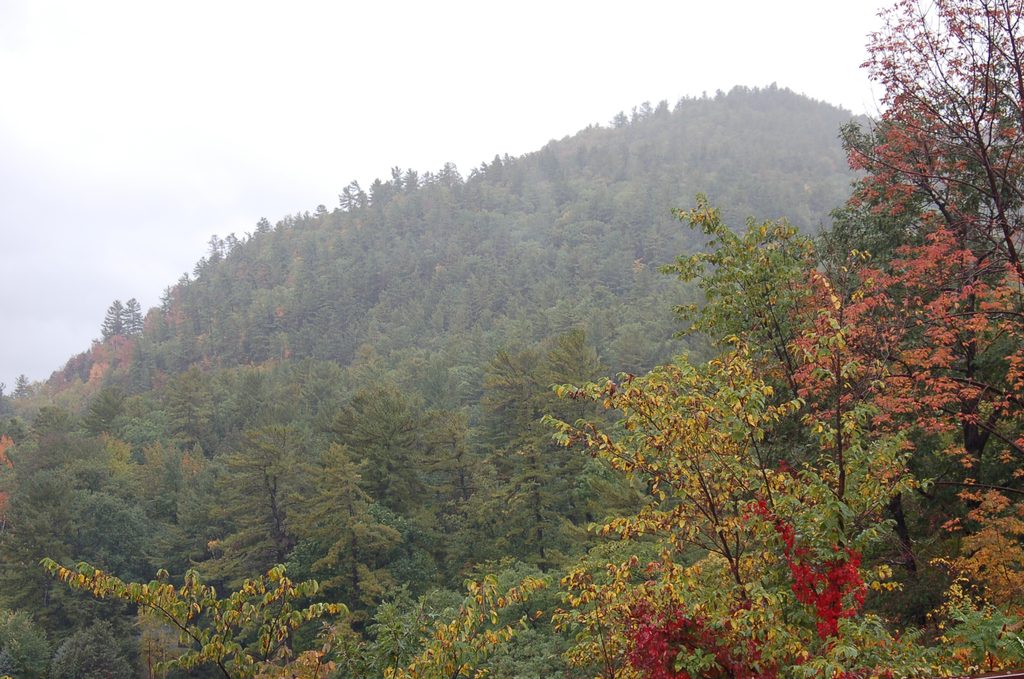
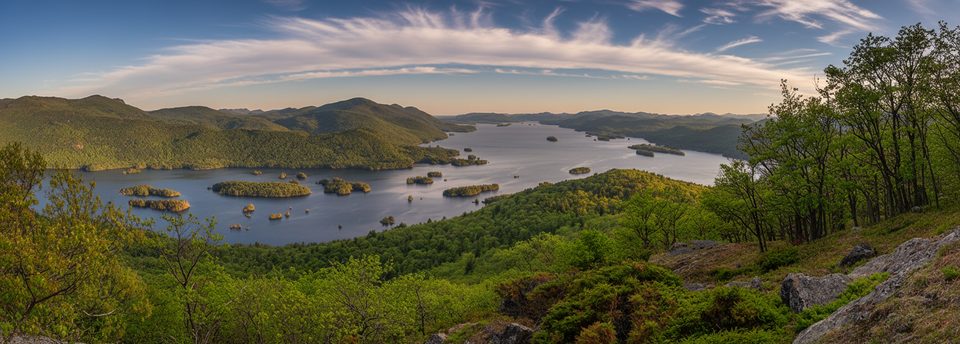
This is a classic Adirondack ridgeline stroll with frequent peeks at Lake George, open bedrock patches, and a real sense of being out there—without the brutality of the High Peaks. The summit sits at 2,256 feet and the views near the top sweep over the lake and distant ranges. If you like steady climbs, big-water vistas, and a wilderness feel, this one’s worth your day.
Plan on roughly 7.2 miles total, out-and-back. Most hikers start from the Clay Meadow Parking Area on NY‑9N (Lake Shore Drive). Follow the Five Mile Point Trail for about 2.0 miles, then turn north onto the Tongue Mountain Range Trail for 1.7 miles and about 685 feet of gain to reach Five Mile Mountain. There’s a lean-to about 0.9 miles beyond the summit if you want a longer break or an overnight.
“Moderate” fits: the elevation gain is steady and sustained, but never outrageous. Footing is classic Adirondack—dirt, roots, rocks, and some slabby, sunlit bedrock along the ridge. The summit spur is not obvious; there’s an unmarked herd path to the true high point, so keep your eyes open. The ridge is known for timber rattlesnakes in warm months—give any snake a wide berth and watch pets closely.
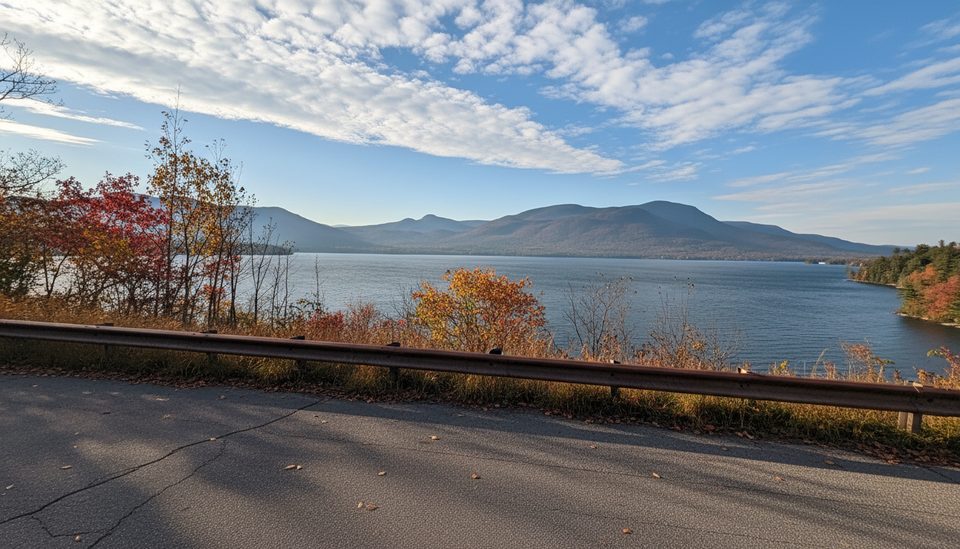
You’ll get recurring views to Lake George, with especially strong vistas near the top. The ridge itself is a highlight—open rock, airy sections, and quiet forest. If you have extra gas, a steep side trip to Deer Leap offers lake access for a dip, but budget energy for the return climb.
Late spring through fall is prime. Summer brings warm ridge breezes—and rattlesnakes sunning on rocks—so stay alert. Foliage season lights up the lake-and-mountains views. Winter is possible with proper gear and experience but expect a slower, more strenuous outing. Weekdays or early starts help keep the ridge quiet.
Park at the Clay Meadow Parking Area on NY‑9N (Lake Shore Drive). Follow Five Mile Point Trail ~2.0 miles, then turn north on the Tongue Mountain Range Trail toward Five Mile Mountain.
Watch for timber rattlesnakes on warm, rocky stretches; the summit spur is unmarked; ridge water sources often dry up in late summer; winter travel can require snowshoes and trail breaking.
Place · 1.2 mi away
Place · 2.2 mi away
Place · 2.2 mi away
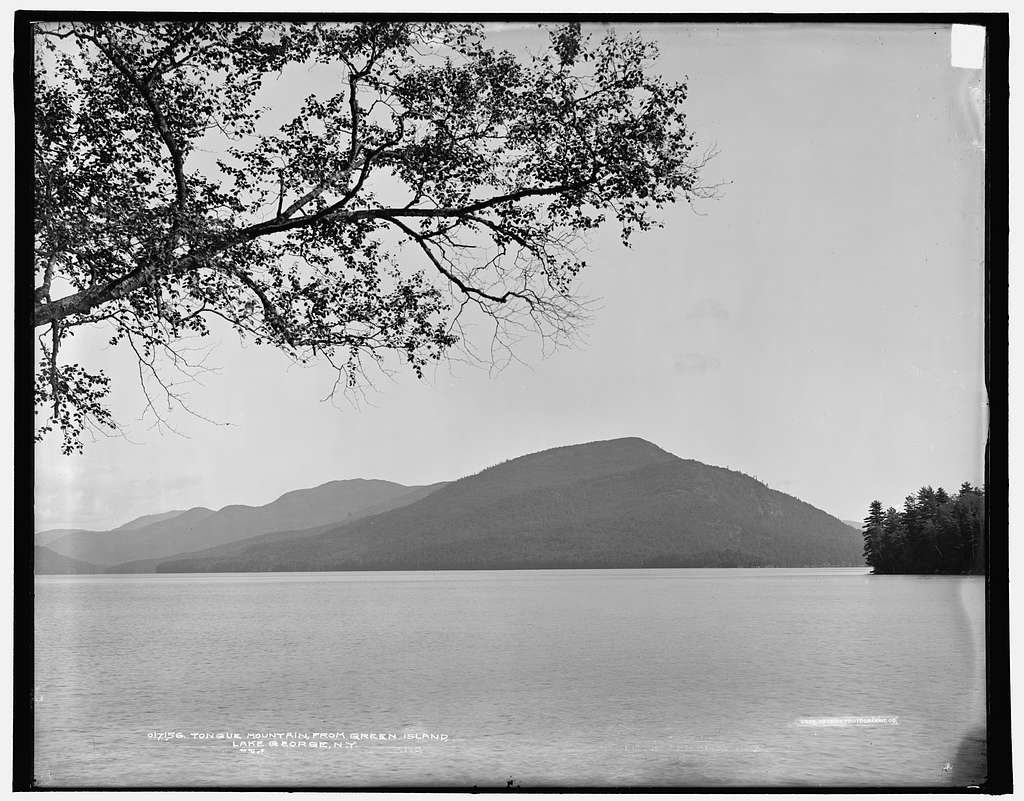
Place · 2.9 mi away
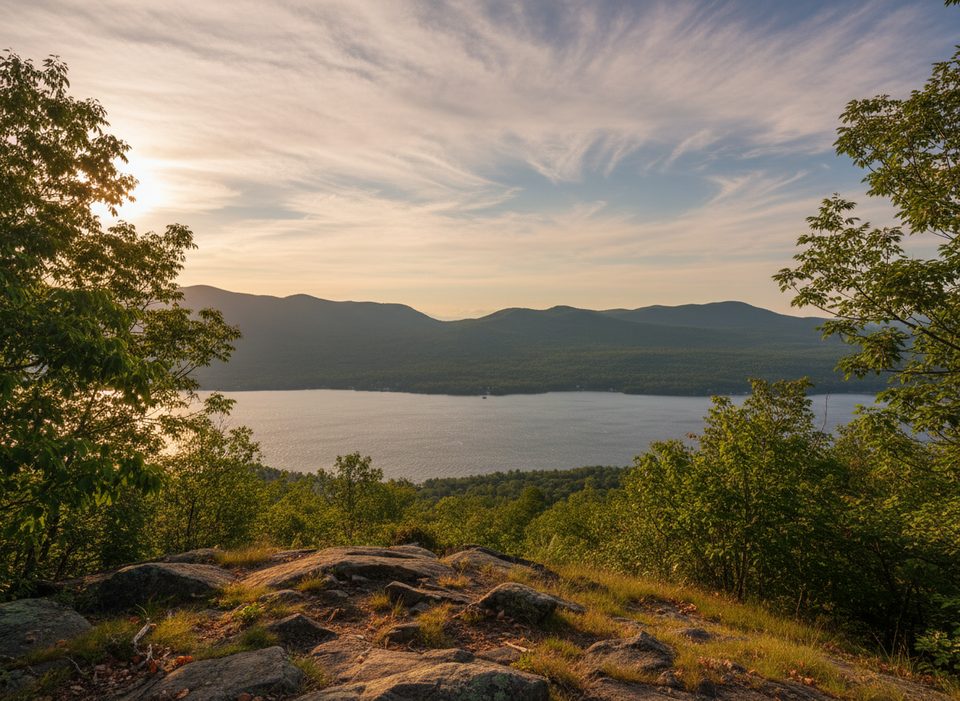
Moderate · 0 mi away
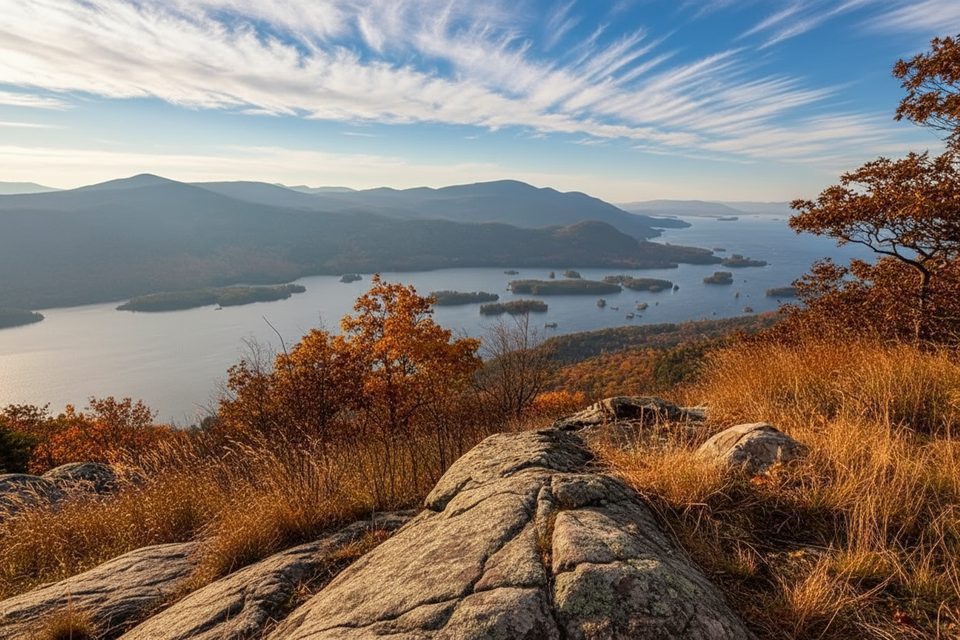
Moderate · 0 mi away
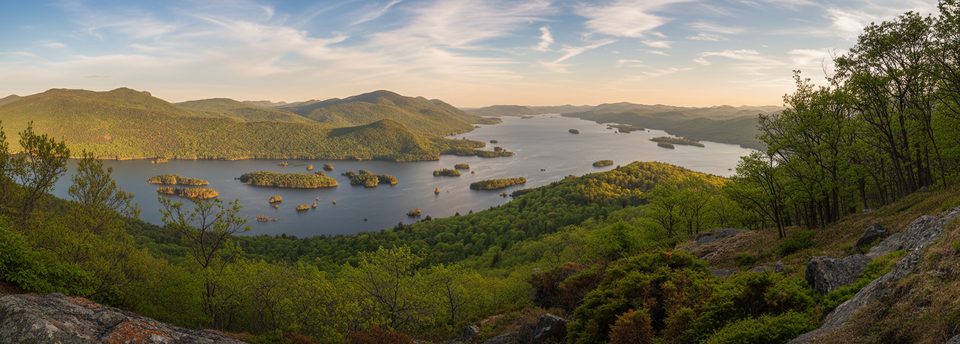
Challenging · 3.9 mi away
Challenging · 3.9 mi away

Parkwolf Tour Guide
