
Place · 0 mi away
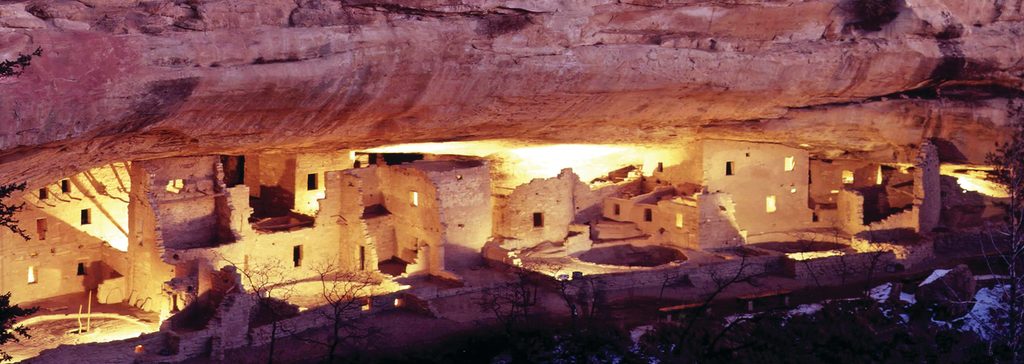
Spruce Tree House is Mesa Verde’s third-largest cliff dwelling, built roughly 1211–1278 CE and home to an estimated 60–80 people. Sheltered in a broad sandstone alcove, the village includes about 130 rooms and 8 kivas arranged in a graceful crescent. It was first recorded in 1888 by ranchers who reportedly descended by a “spruce” tree (actually a Douglas-fir). The alcove’s protection helped preserve walls, wood, and plaster remarkably well.
The dwelling is closed to entry due to ongoing rockfall hazards related to a natural sandstone arch above the alcove. You’ll view it from excellent overlooks near the Chapin Mesa Archeological Museum. Expect a short, paved walk to the primary overlook. Restrooms are at the museum area, not at the alcove itself. Verify current conditions before you go.
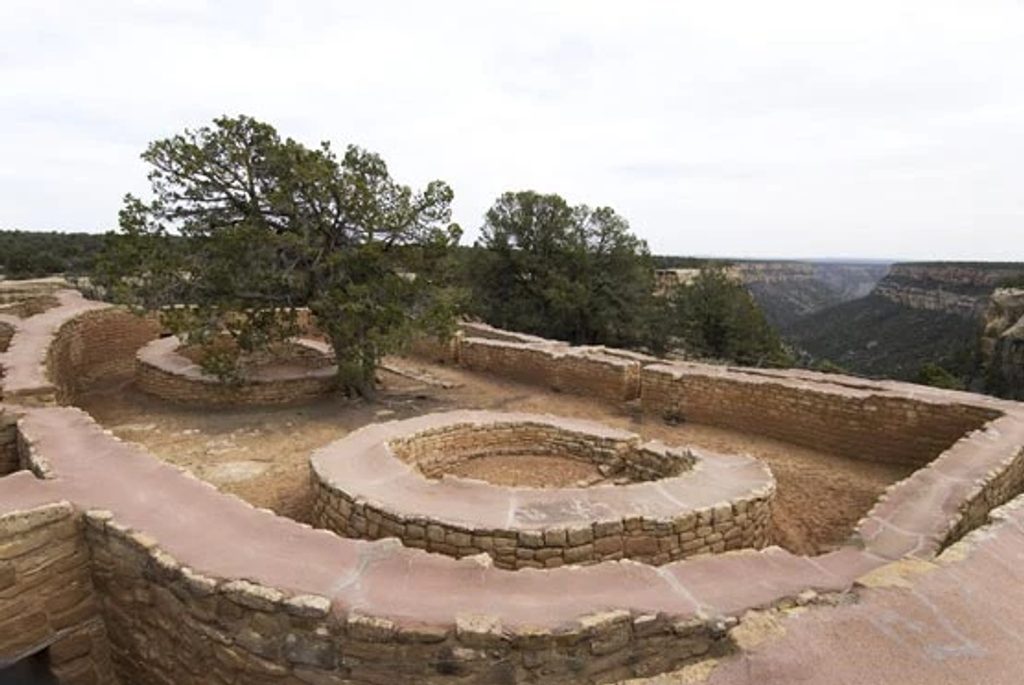
Bring a zoom lens or binoculars to pick out details: circular kivas set within plazas, room blocks hugging the back of the alcove, and the line of the former low front wall. You may notice variations in masonry and remnants of colored wall plasters. Historically, two kiva roofs here were reconstructed using Square Tower House as a model, offering a sense of how roofs once looked.
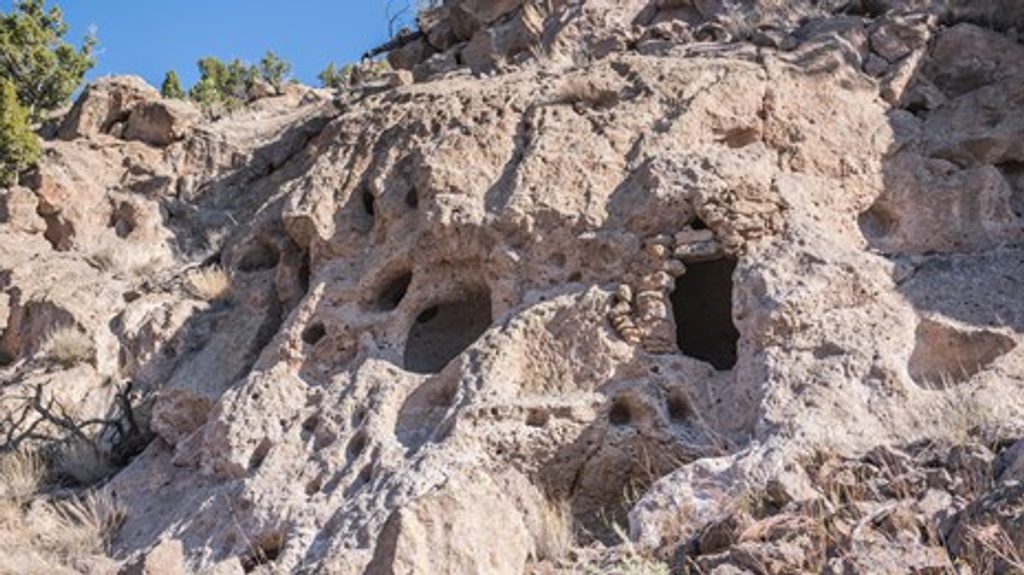
This is classic Cliff House Sandstone—porous rock where groundwater seeps helped sculpt the alcove. Seep springs emerge where sandstone meets less-permeable shale; they’re part of why these alcoves were so livable. From the Spruce Tree House overlook area you can spot well-formed concretions, and on the cliffs above, the rounded “turtle back” weathering that develops as overlying rock erodes away. Dark streaks of desert varnish accent the alcove walls after runoff.
The layout here follows a familiar Ancestral Pueblo pattern: kivas paired with adjacent room blocks, adapted to the alcove’s curve. Early excavation in 1908 cleared debris and stabilized masonry for visitors, taking advantage of the alcove’s natural protection.
For photos and detail, aim for morning or late afternoon when the alcove is side-lit and textures pop. Midday can feel busier around the museum overlooks. In summer, afternoon thunderstorms are common; they can even create ephemeral waterfalls beside the dwelling—dramatic to watch but plan your timing and carry water and sun protection.
Place · 0 mi away
Place · 0.1 mi away
Place · 0.2 mi away
Place · 1 mi away
Moderate · 0.3 mi away
Easy · 1 mi away
Moderate · 1.4 mi away
Easy · 1.5 mi away

Parkwolf Tour Guide
