Place · 0 mi away

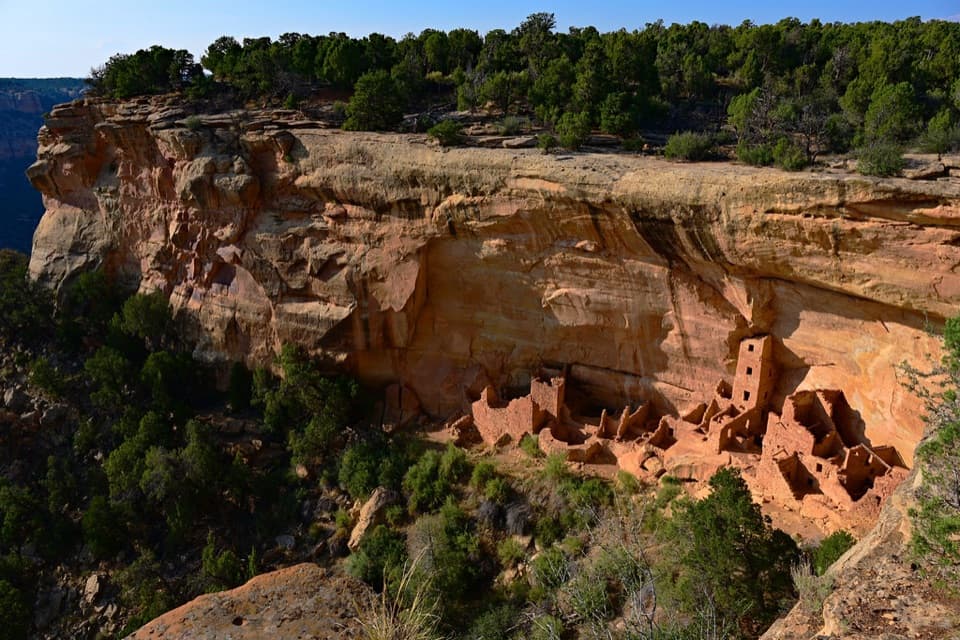
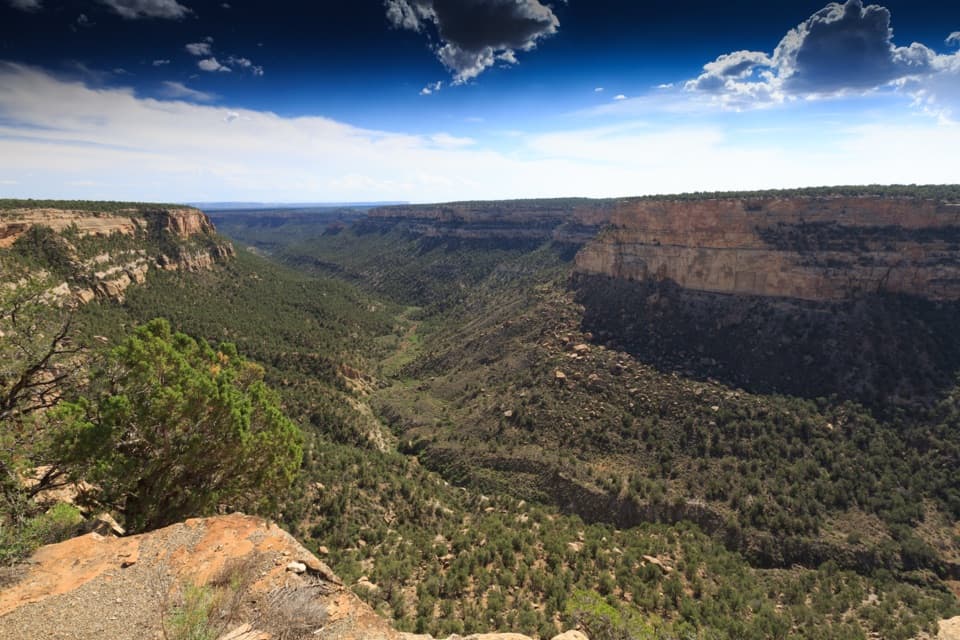
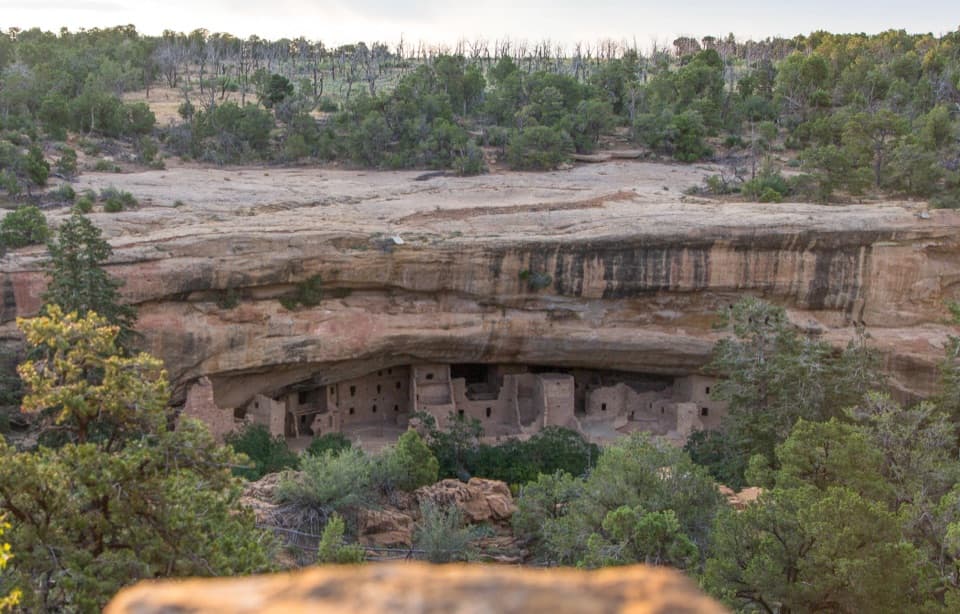
Spruce Tree House Overlook is the easiest way to appreciate one of the park’s best‑preserved cliff dwellings without a tour. The dwelling itself is closed to entry due to ongoing rockfall hazards from the alcove above, but the designated overlooks give clear, satisfying views across the canyon [nps.gov]. Expect a quick, rewarding stop even if you’re short on time.
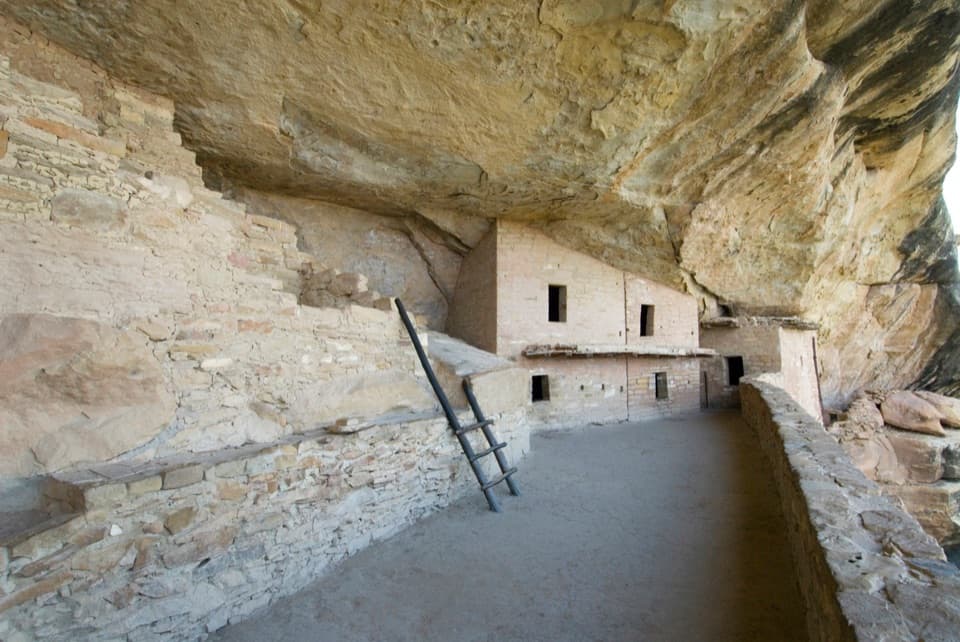
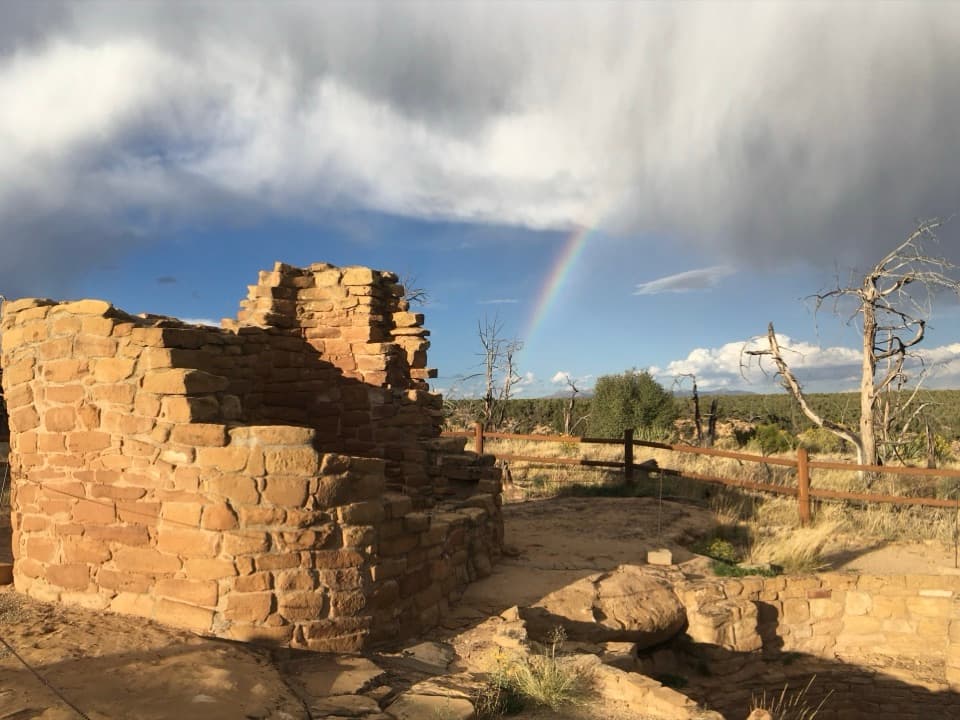
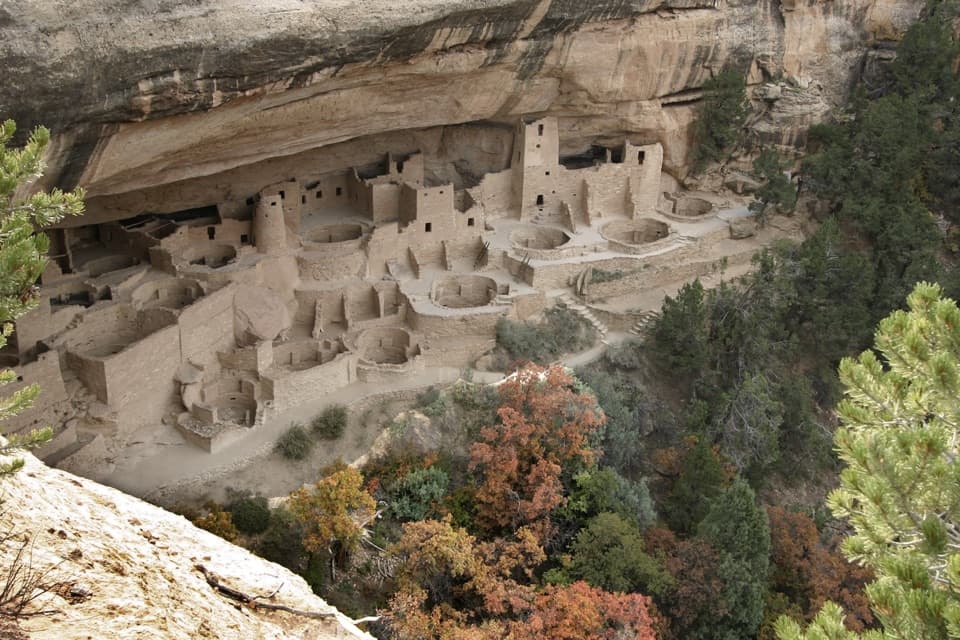
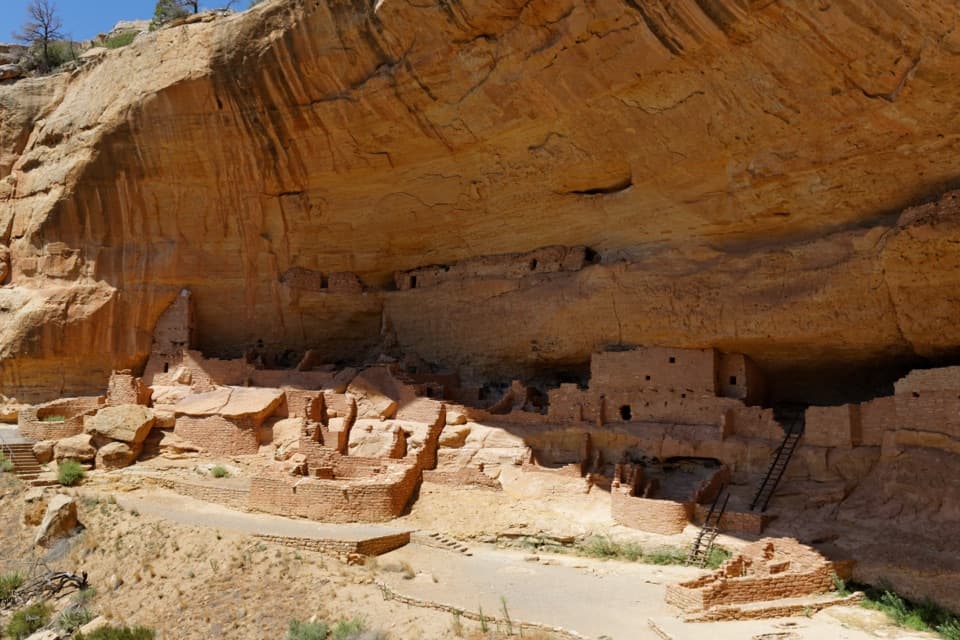
You’re looking at a Puebloan community built roughly 1211–1278 CE, tucked into a natural alcove about 216 feet wide and 89 feet deep. It includes around 130 rooms and 8 kivas, likely housing 60–80 people. Much original wood, walls, and plaster remain visible, which is why it’s considered exceptionally well preserved [nps.gov].
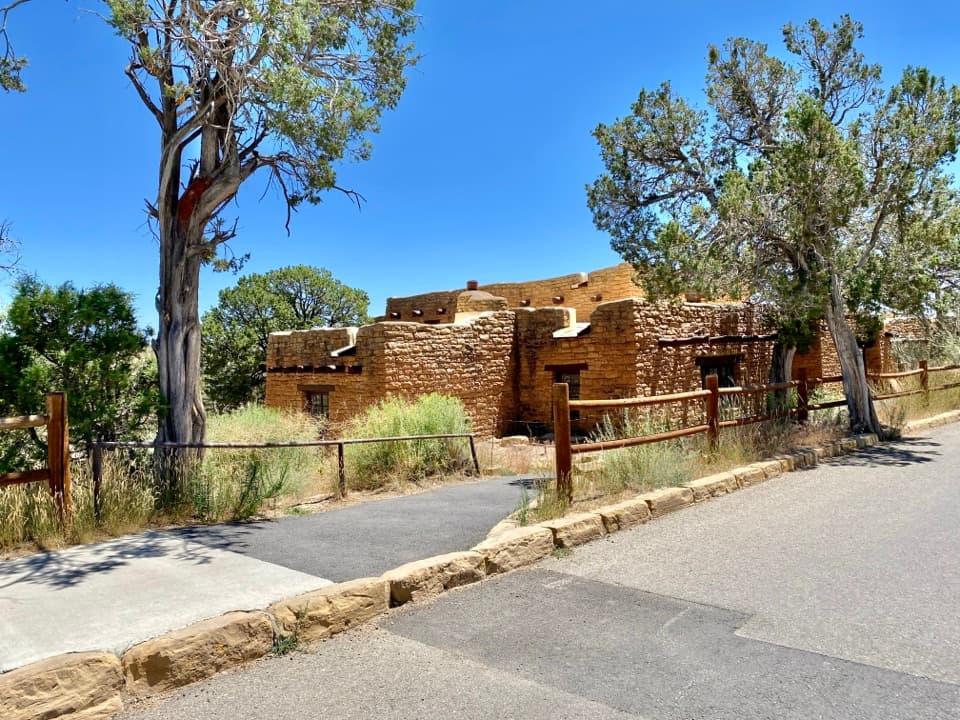
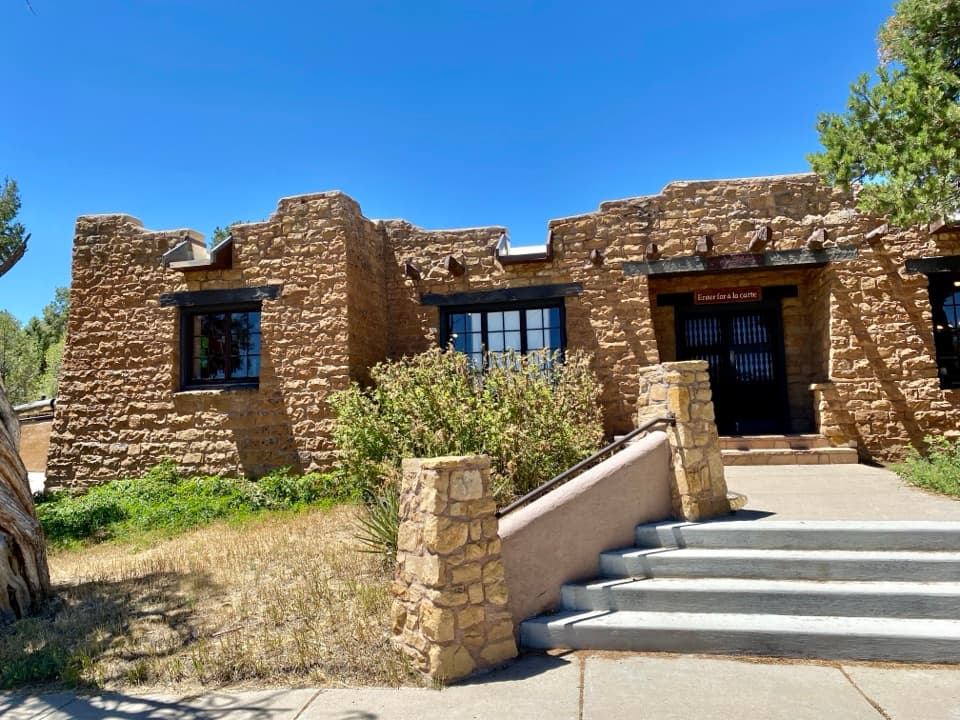
There are two viewpoints near the Chapin Mesa Archeological Museum. The main overlook is a very short walk behind the museum with a broad, face‑on view. A lower viewpoint sits just below the museum area via a paved path that drops about 100 feet; it’s roughly 0.5 miles round‑trip. Plan 15–30 minutes for the main overlook, longer if you add the lower viewpoint. Follow signs, stay behind railings, and heed closure notices—rockfall is an active hazard [nps.gov].
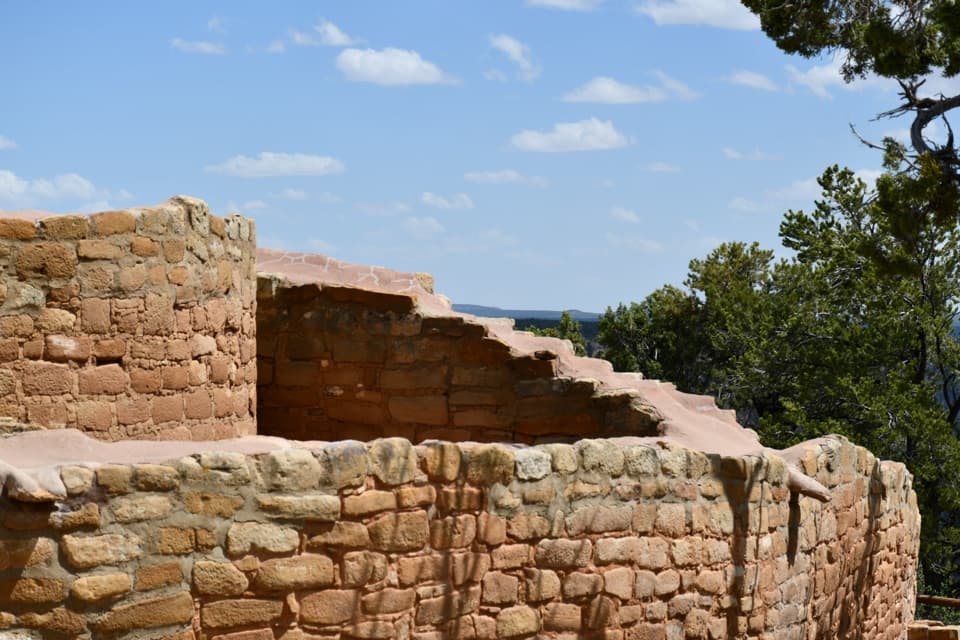
Travelers often prefer afternoon light, which tends to bring out architectural details in the alcove. From the benches behind the museum area you can linger and study the masonry for patterns and granaries high in the alcove [nps.gov].
Spruce Tree House is the park’s third‑largest cliff dwelling and was likely discovered by ranchers in 1888; its name comes from a large Douglas spruce they reportedly used to descend into the site. Granaries perched high in the alcove hint at food storage strategies to keep supplies dry and safe [nps.gov].
Anytime you’re on Chapin Mesa, this is an easy add. For softer light and fewer people, aim for early or late in the day; many visitors like mid‑to‑late afternoon for detail shots. Midday can feel busier around the museum area.