
Place · 1.6 mi away
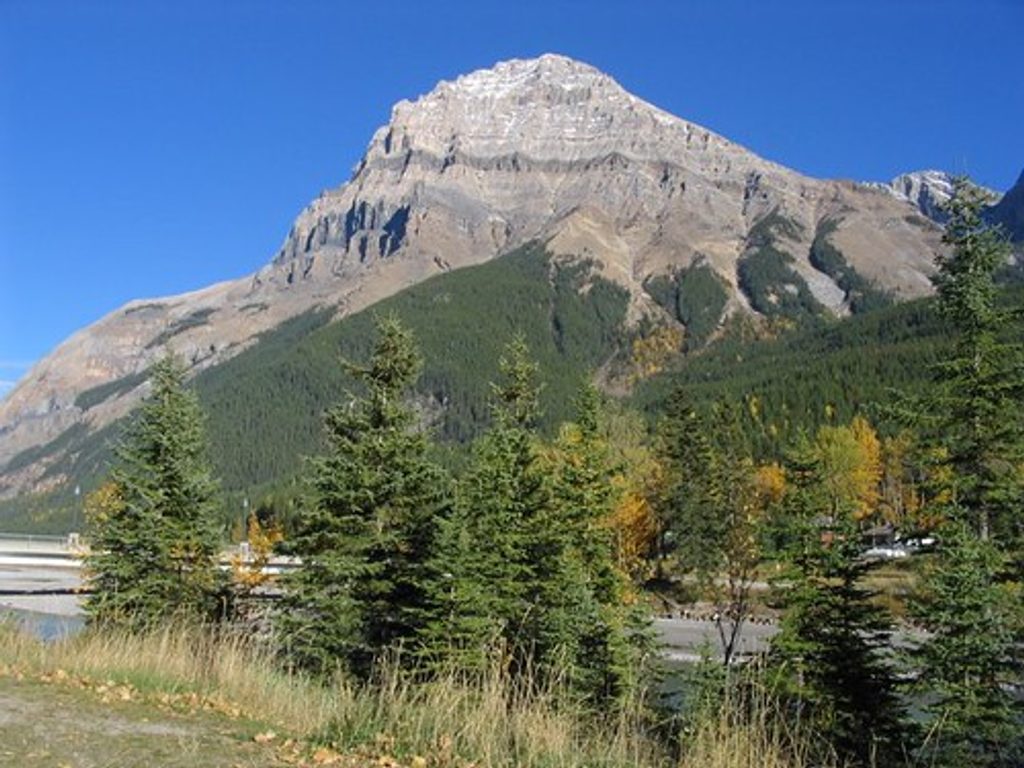
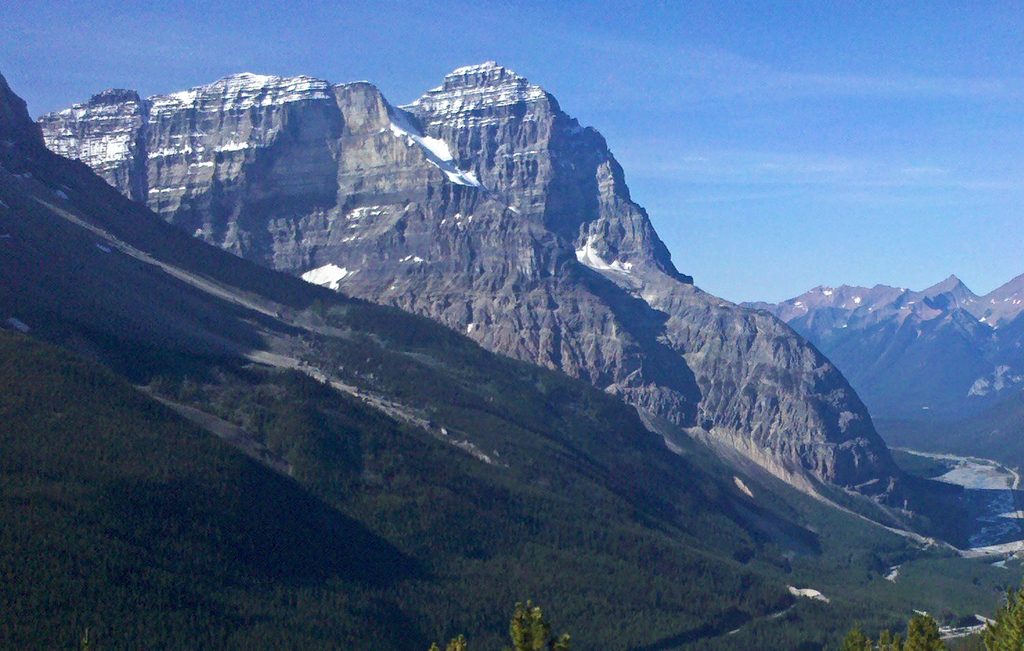
Mount Burgess (2,599 m) is the craggy twin‑summit backdrop to Emerald Lake and one of the park’s most storied peaks. It’s famous for the Burgess Shale discovery that changed our understanding of early animal life and for sweeping views once you earn the height.
This is “Ten Dollar Mountain,” once featured on Canada’s $10 bill. In 1909, Charles D. Walcott found the Burgess Shale fossil deposit here—exquisitely preserved soft‑bodied creatures from the Cambrian Explosion. The north summit is officially Walcott Peak (the easier scramble); the more difficult south summit is Mount Burgess.
Routes approach from the Burgess Pass side (parking east of Field) or from the Emerald Lake area; both are documented in trip reports. For the fossil quarry, spots are limited and must be reserved in advance; only guided groups are permitted at the site.
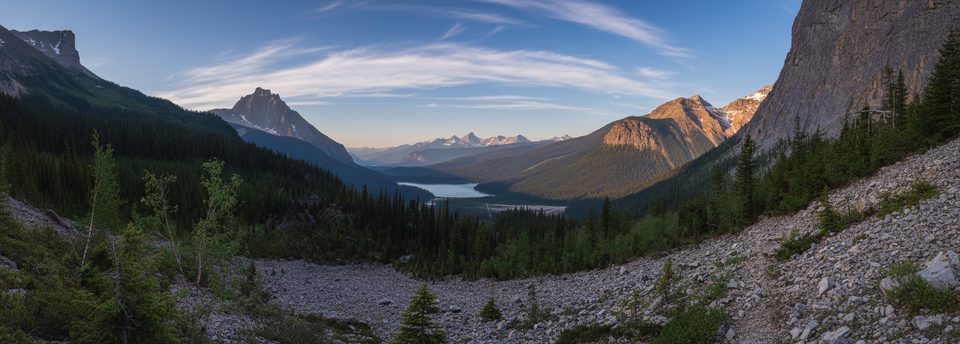
At the quarry, you’ll examine fine‑detail fossils—think eyes and gut contents preserved in shale. On the mountain itself, expect subalpine forest, rocky gullies, and big‑view summits taking in Emerald Lake, Yoho Valley, and neighboring peaks.
Scrambling difficulty depends on your objective: Walcott Peak (north) is easier; Mount Burgess (south) is a more serious scramble. The long descent can be tough on knees, and there are narrow, mildly exposed sections. Weather shifts quickly—bring layers and rain protection. Bear advisories are posted at times; carry bear spray and know how to use it.
Book the Burgess Shale hike as soon as reservations open (January); spaces go fast. Start early for long days, more stable weather windows, and unhurried time at viewpoints. Quarry access remains uncrowded due to strict group size limits.
Fossil collecting is illegal and heavily penalized. Dogs and some age groups are restricted on the guided fossil hike. Follow all guide and park instructions.
Place · 1.6 mi away
Place · 1.6 mi away
Place · 1.6 mi away
Place · 1.7 mi away
Easy · 1.6 mi away
Challenging · 1.8 mi away
Easy · 2 mi away
Moderate · 2 mi away

Parkwolf Tour Guide
