
Place · 0.2 mi away
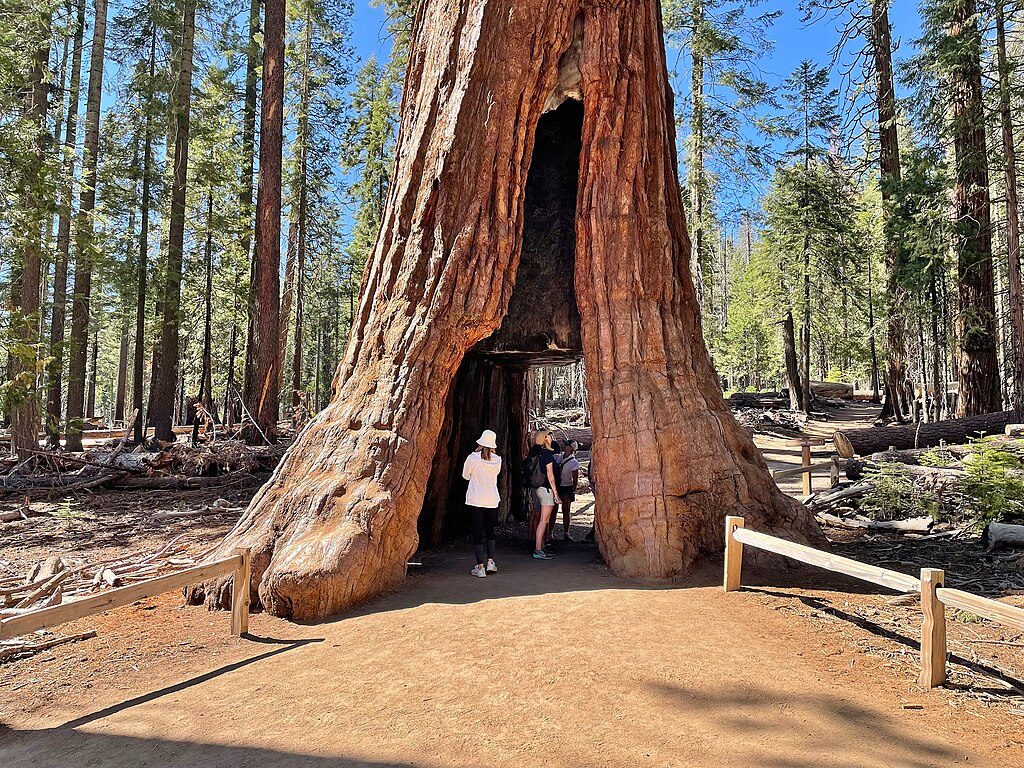
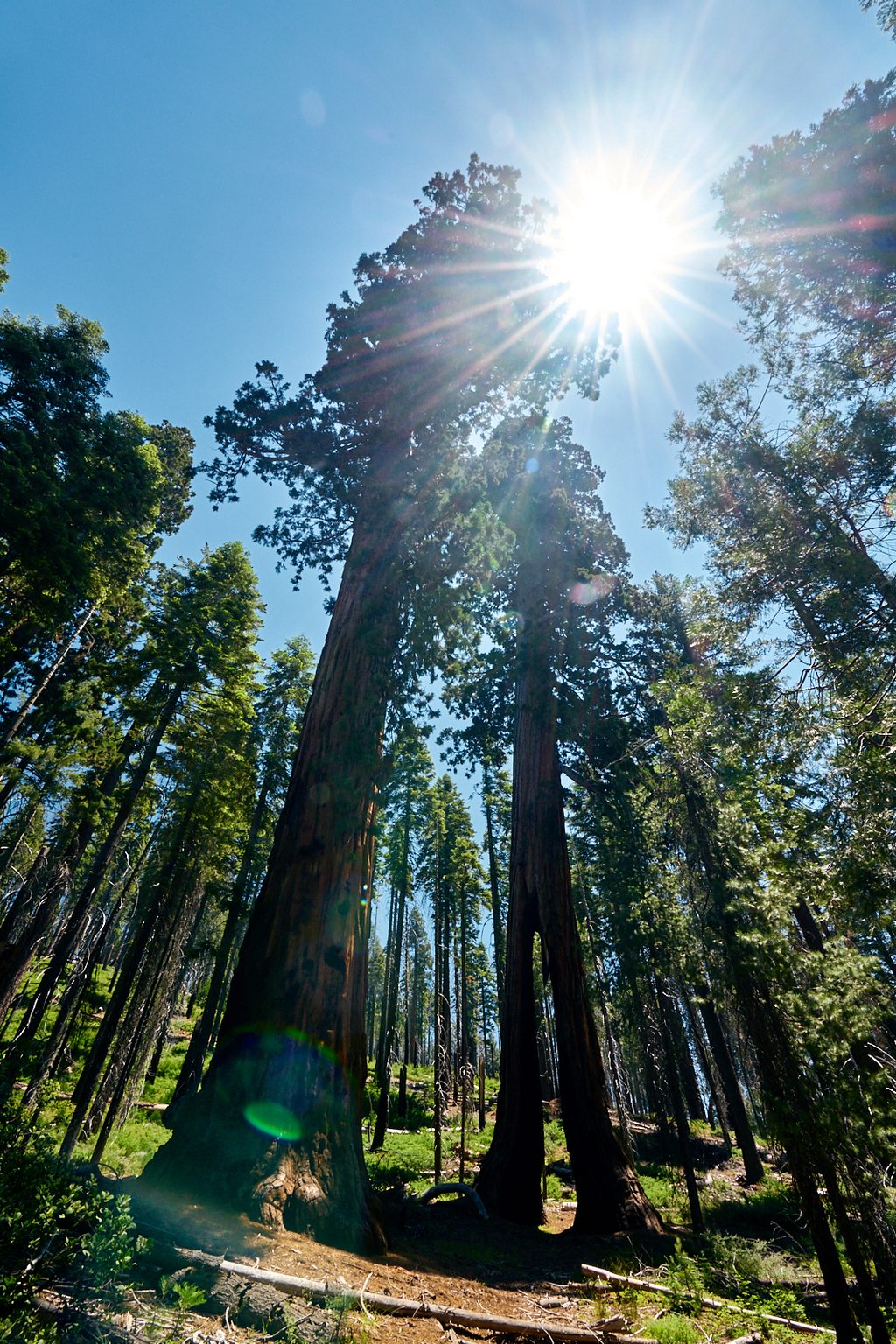
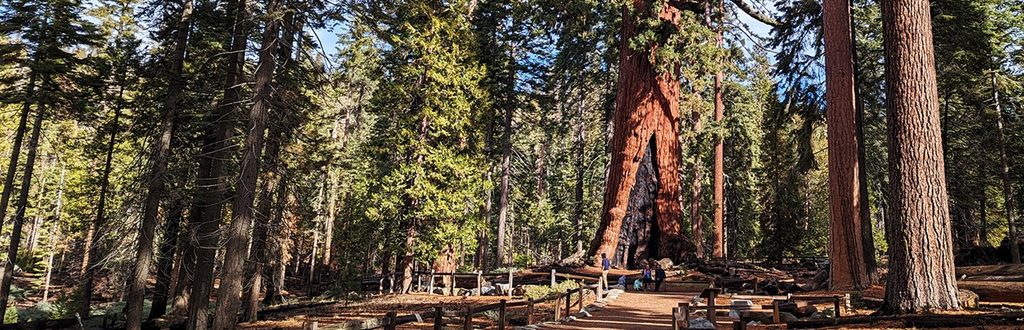
A living giant sequoia with a human-carved passage through its base, the California Tunnel Tree delivers that pinch‑me moment: you can actually walk through a still‑standing sequoia. It’s the only remaining tunnel tree in the park and a guaranteed crowd‑pleaser, especially for first‑time visitors.
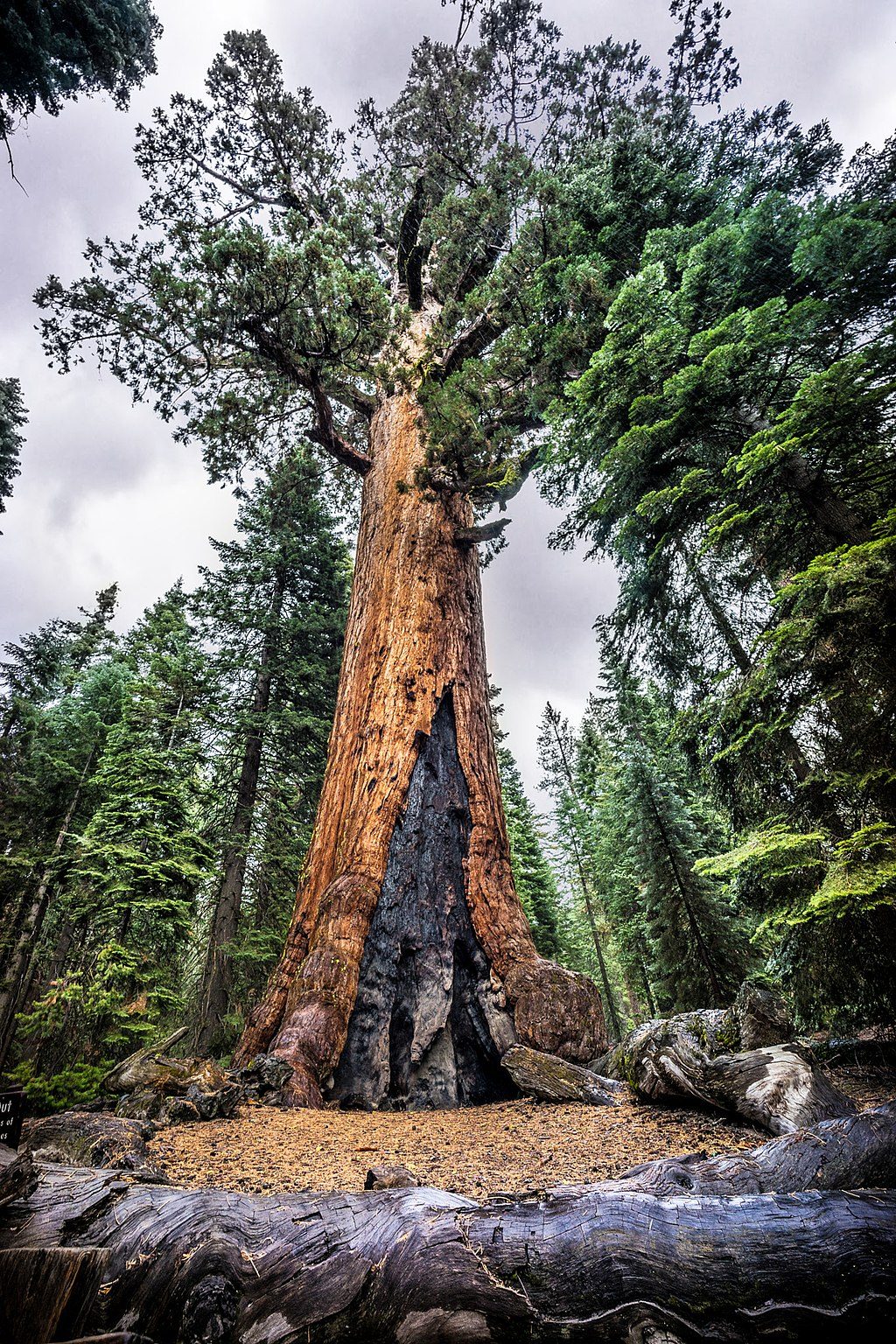
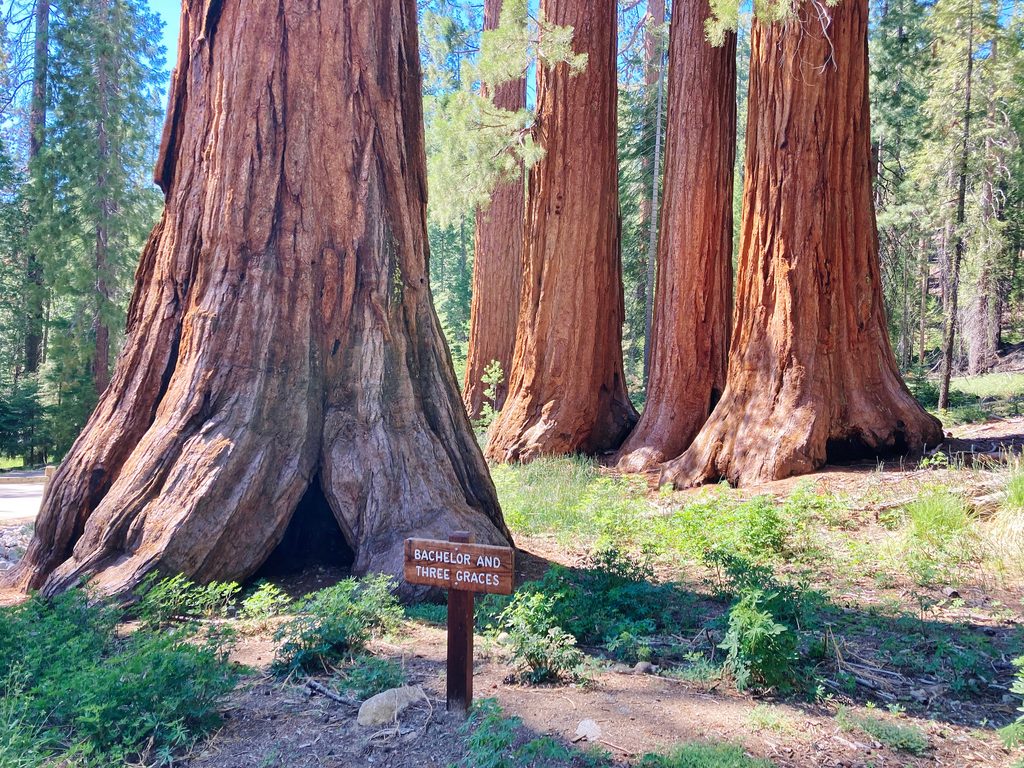
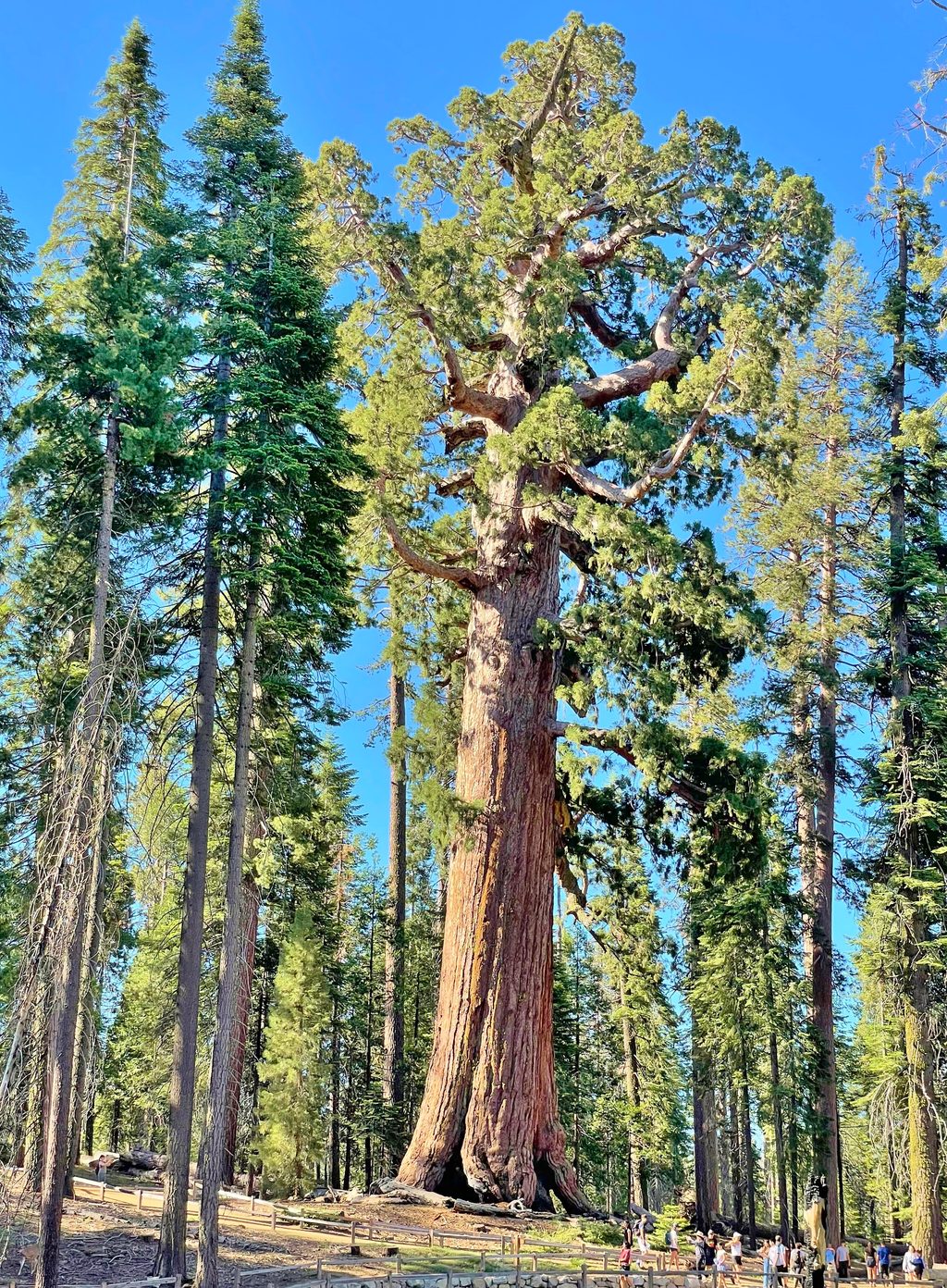
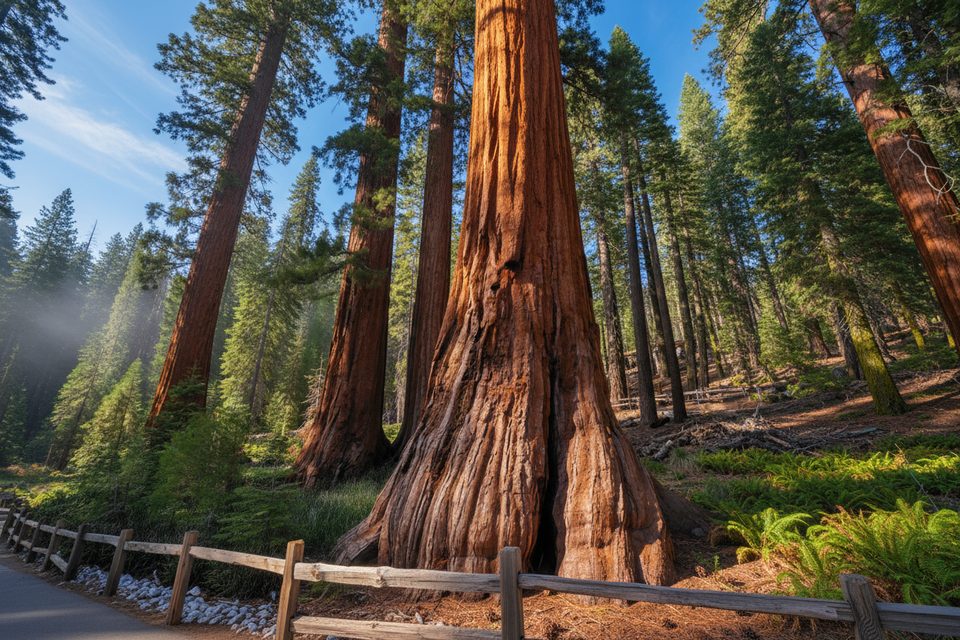
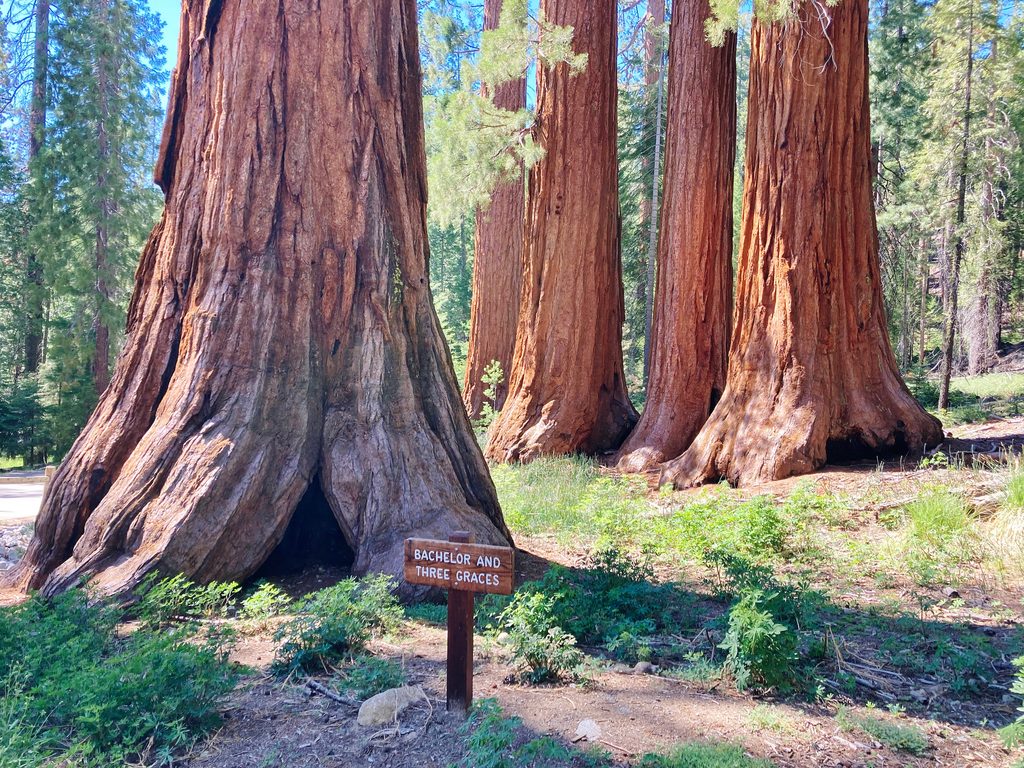
Park at the Mariposa Grove Welcome Plaza by the South Entrance (Highway 41). In the main season, a free shuttle runs to the Mariposa Grove Arrival Area; from there, follow the Grizzly Giant Loop (about 1.6–2 miles round trip) past Fallen Monarch, Bachelor & Three Graces, and the Grizzly Giant to reach the Tunnel Tree. When shuttles aren’t operating, plan on the Washburn Trail (roughly 2 miles one way with about 500 feet of gain) to access the grove. Expect a mildly uphill walk with plenty of shade.
Beyond the sheer size, the thrill here is experiential—stepping through a living sequoia. It’s a photogenic spot and a natural add‑on to the marquee trees on the loop, so you can bundle several highlights in a single outing. Do expect a short queue at peak times as folks take turns with photos.
The tunnel was cut in the late 1890s to let horse‑drawn stagecoaches pass and to entice visitors. Yosemite once had a drive‑through tunnel tree (the Wawona Tree), but it fell in 1969; the practice of cutting tunnels stopped as managers recognized the damage it causes. Today’s Tunnel Tree is strictly walk‑through.
There are restrooms at the Welcome Plaza and at the Mariposa Grove Arrival Area, and pit toilets near Grizzly Giant in some seasons. There’s no running water inside the grove—bring what you need. Mariposa Grove Road is generally closed to private vehicles; most visitors use the shuttle or hike in. Pets aren’t allowed on grove trails, and strollers are best kept to the easier, near‑arrival loops.
Black bears, mule deer, and woodpeckers frequent the grove. Keep your distance, never feed wildlife, and store food properly. Stay on trails and boardwalks; sequoia roots are shallow and easily damaged.
Go early or late for softer light and fewer people—weekdays are best. Midday in summer is busiest and hottest, and you may wait 5–10 minutes for a photo. In winter, expect snow or ice (traction helps), shuttles may not run, and facilities are limited. On some days, the park requires a peak‑hours entry reservation between morning and early afternoon—check before you go.
Place · 0.2 mi away
Place · 0.2 mi away
Place · 0.5 mi away
Place · 0.5 mi away
Easy · 0.6 mi away
Easy · 0.6 mi away
Moderate · 0.6 mi away
Challenging · 0.6 mi away

Parkwolf Tour Guide
