
Place
Moderate
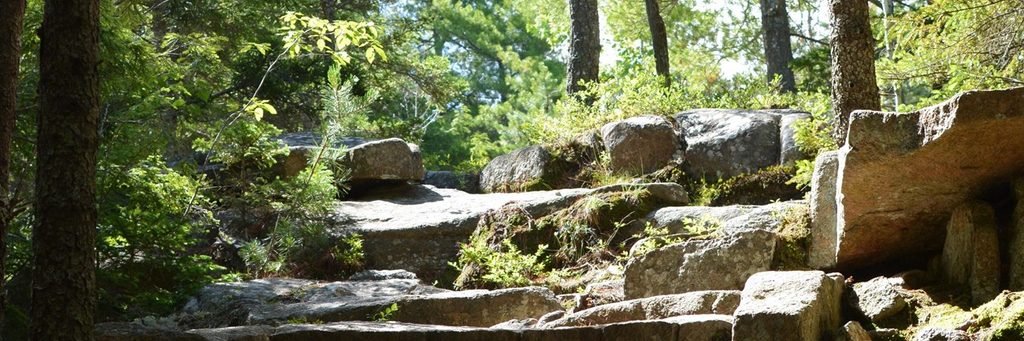
If you want a low-key Acadia hike close to Bar Harbor without the Cadillac crowds, Kebo Mountain delivers. Expect a peaceful forested ridge, granite ledge here and there, and only modest peeks at the ocean—this one’s about atmosphere, not panoramas.
Most hikers link the Kebo Mountain Trail into a 2.0–2.3 mile loop (total) using nearby connectors. It’s a moderate effort with roughly 330–400 feet of gain, plus short, steeper rocky pitches and stone steps. The summit is low (about 407–408 feet) and mostly wooded. Allow 1–1.5 hours depending on pace and conditions.
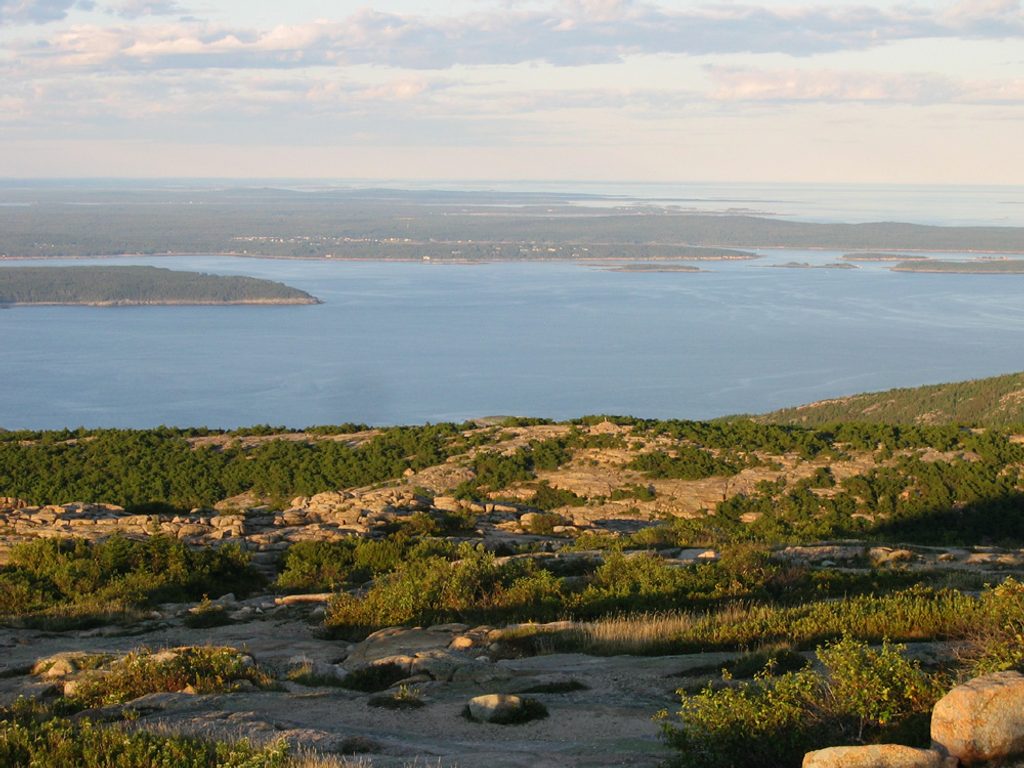
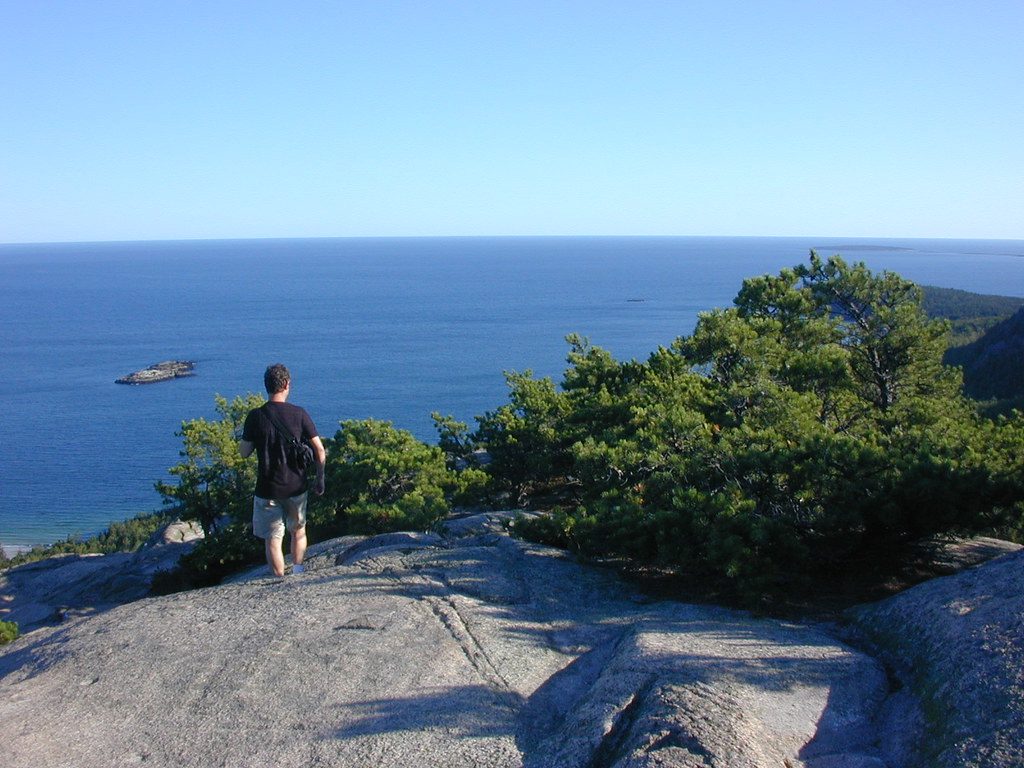
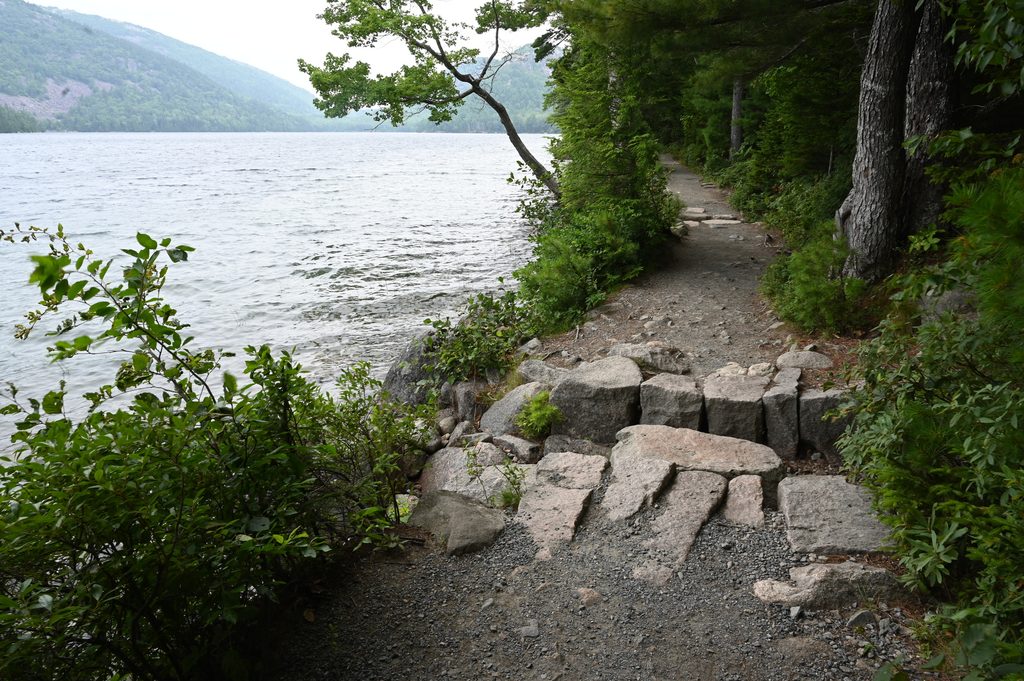
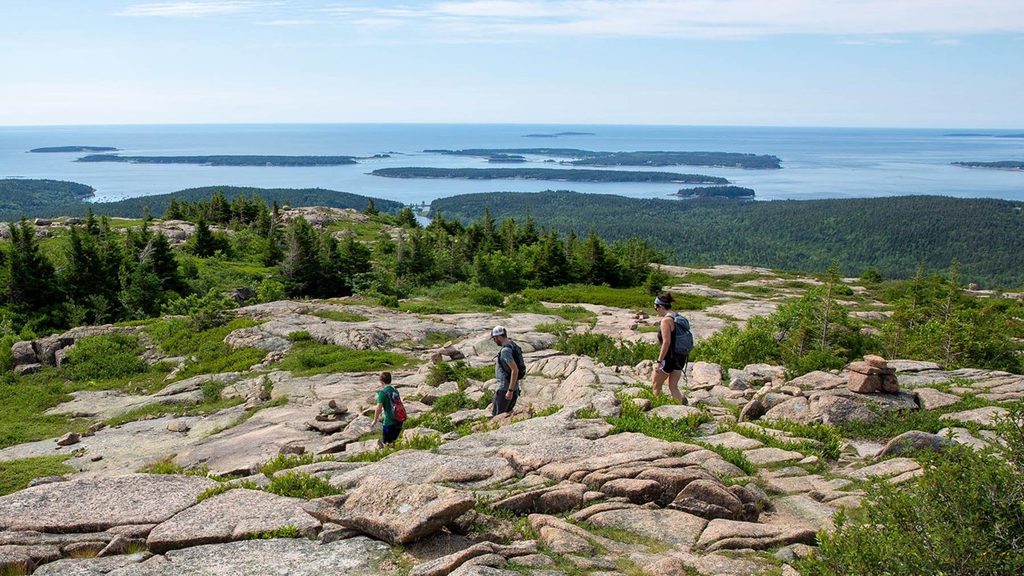
You’ll wind through quiet pitch pine and spruce, cross Kebo Brook, and tiptoe over exposed granite near the top. Views are limited from the main summit, but a small open spot along the ridge south of the high point offers partial looks toward Frenchman Bay and the Porcupine Islands. Solitude is a real perk compared to Acadia’s headliners.
This path ties into a dense web of trails—Cadillac North Ridge, Gorge Path, Stratheden Path, and Great Meadow Loop—so it’s easy to extend your day or build a loop that fits your time. Just know intersections come fast; bring a real map and pay attention at junctions.
Year-round. Spring through fall bring mild temps and lush woods, with excellent fall foliage. In winter, it’s a gem for solitude—just bring traction if it’s icy and expect variable coastal weather. Start early in peak summer for easier parking and cooler air. Light is softest for photos early and late; the limited view spots face generally toward Frenchman Bay.
Choose Kebo if you’re after a quiet, woodsy Acadia sampler close to town. Skip it if you’re chasing big summit vistas—nearby peaks deliver more drama. As a mellow add-on or shoulder-season outing, it’s underrated and satisfying.
Park at the Cadillac North Ridge Trailhead off Park Loop Road, or use Kebo Street parking (often easier in winter). Arrive early in summer.
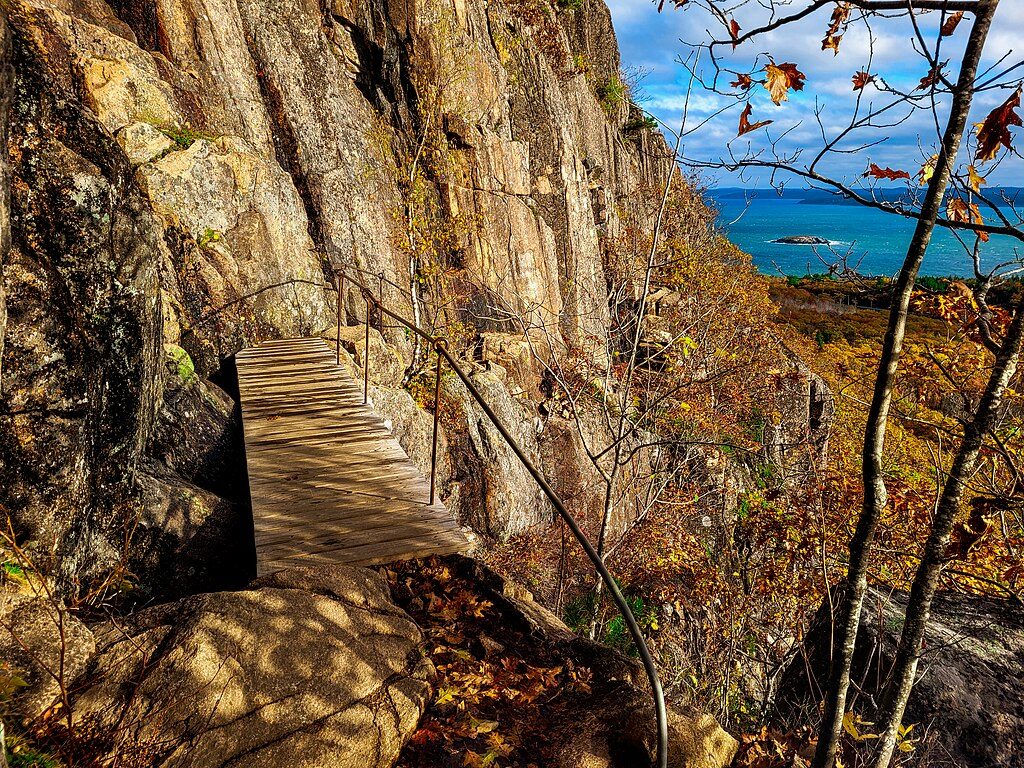
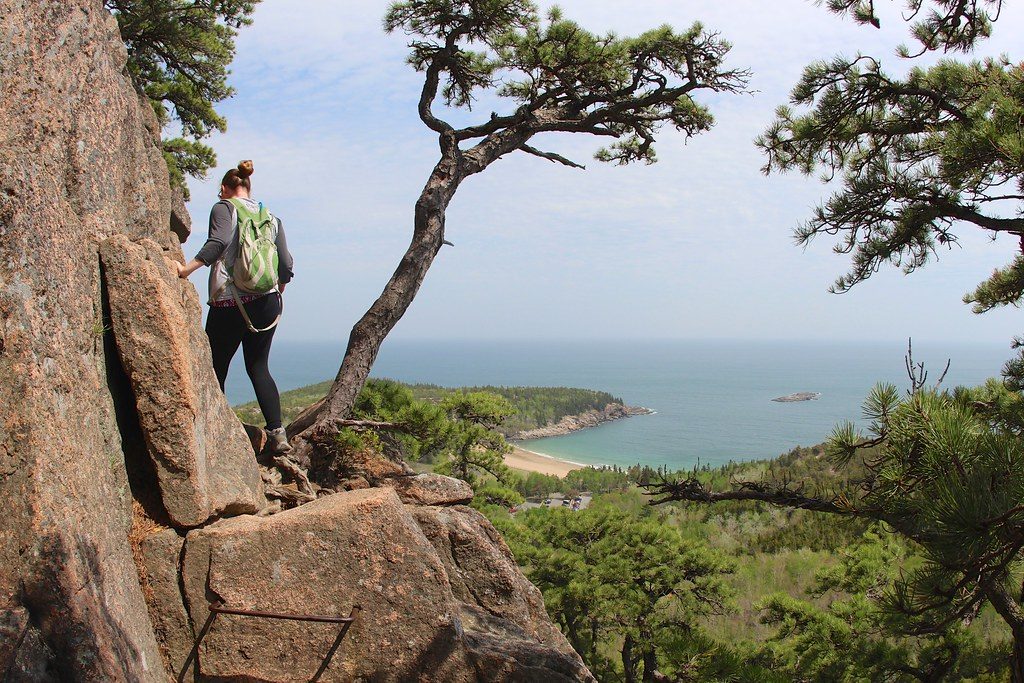
Rocky, uneven footing with stone steps; brief steep pitches. Carefully cross Park Loop Road on route. Ticks possible along brushy edges. In winter, expect ice—use traction.
Place
Place
Place
Place
Challenging
Challenging
Easy
Challenging

Parkwolf Tour Guide
