
Place
Challenging
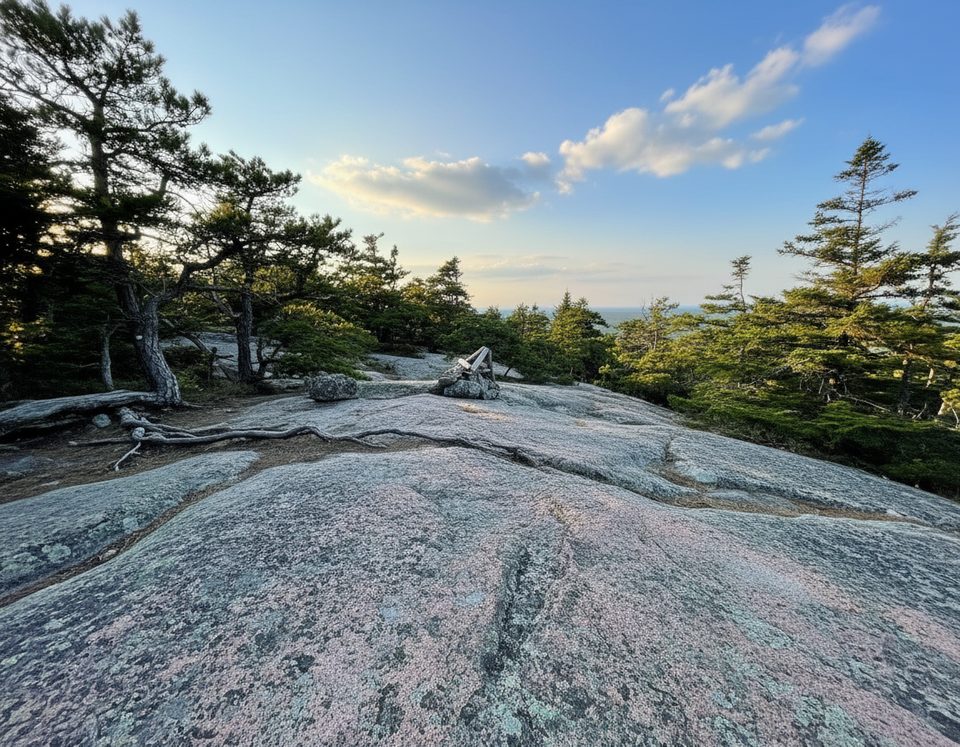
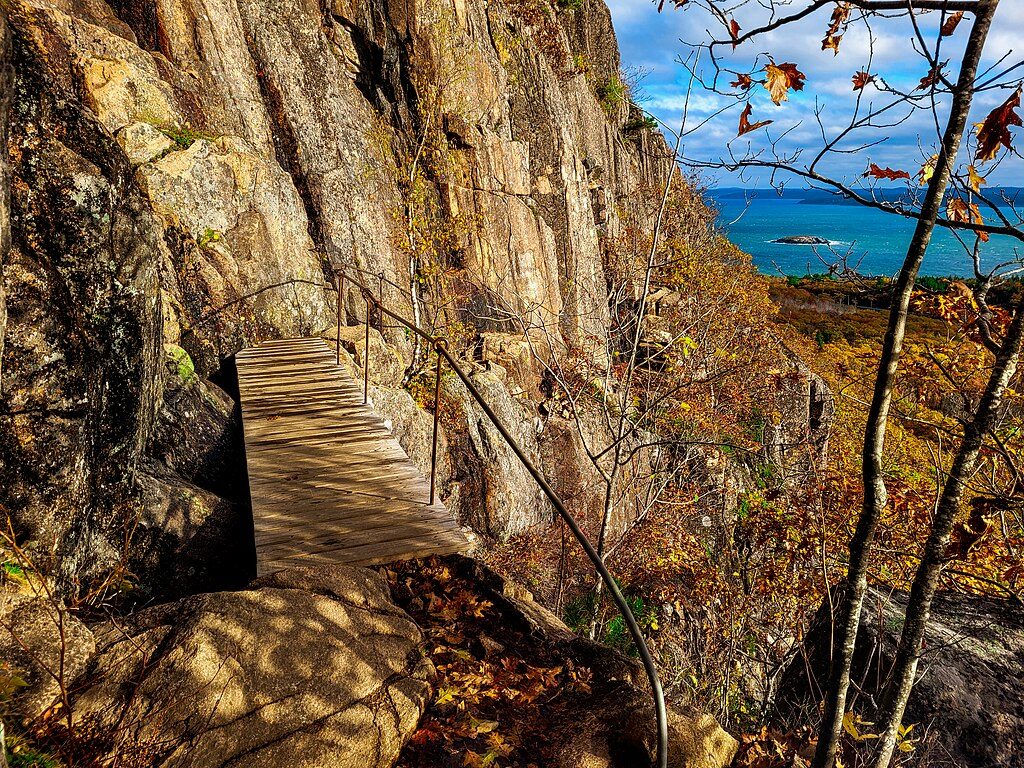
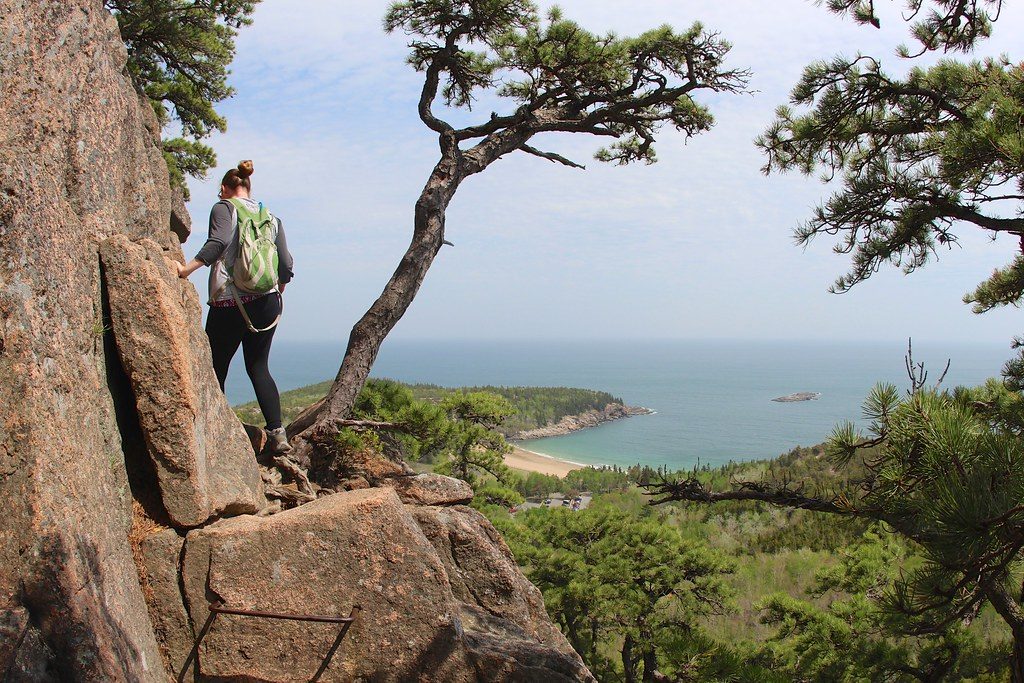
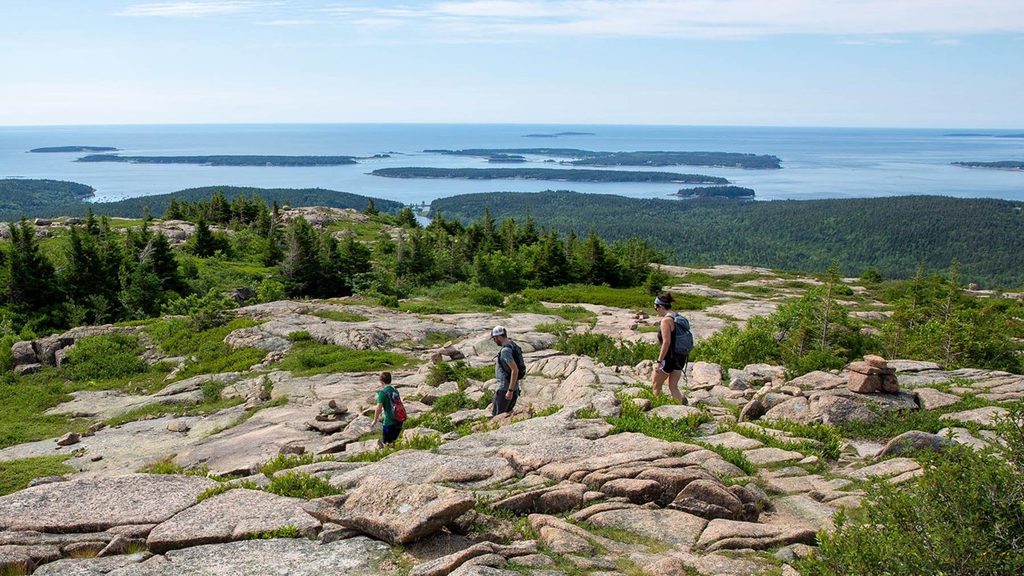
The Goat Trail is the fast-and-steep way up Norumbega Mountain. It packs roughly 570 feet of gain into the first half-mile on rough granite, with a few spots where you’ll want your hands for balance. Expect a workout, not a stroll. If you’re just doing the Goat Trail out-and-back, plan on about 1.0 mile total and limited views at the signed 852-foot summit.
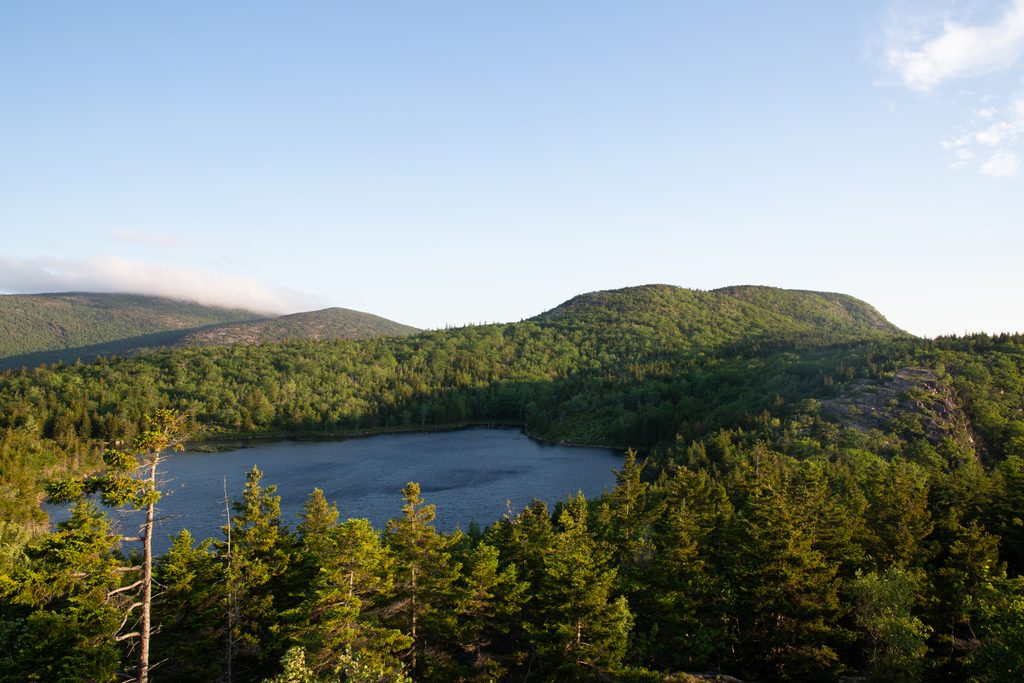
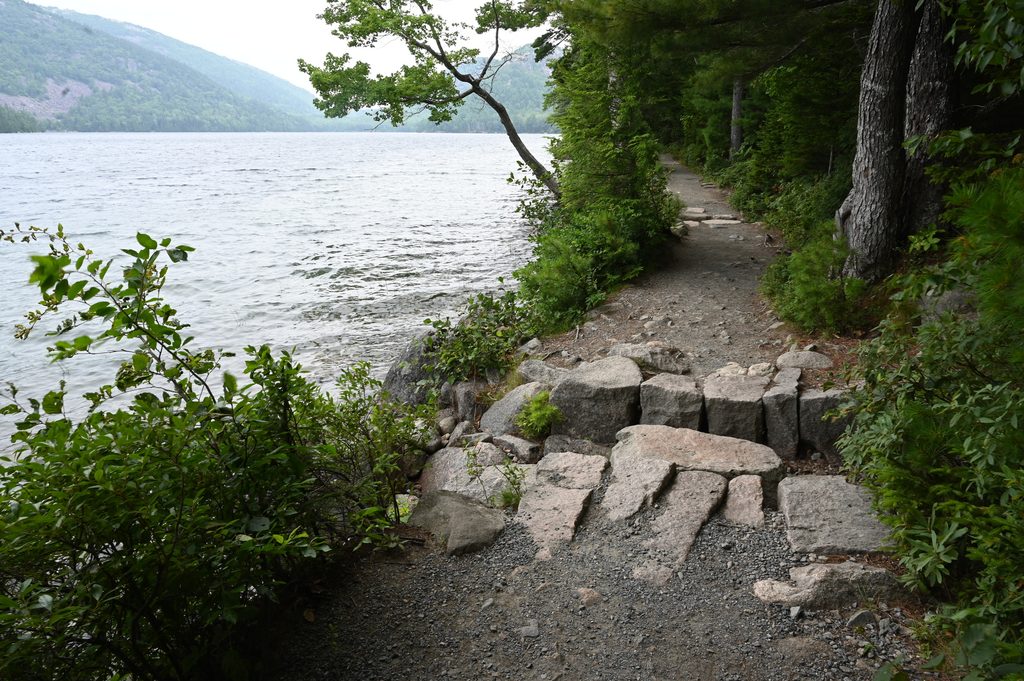
Most hikers turn this into the 3.2-mile Norumbega Loop: climb up the Goat Trail, descend the more gradual Norumbega Mountain Trail, then connect along the Hadlock Ponds corridor (Lower Norumbega). It’s easier on the knees and adds variety, including pondside boardwalks and, in season, a small waterfall where Upper Hadlock spills into Lower Hadlock.
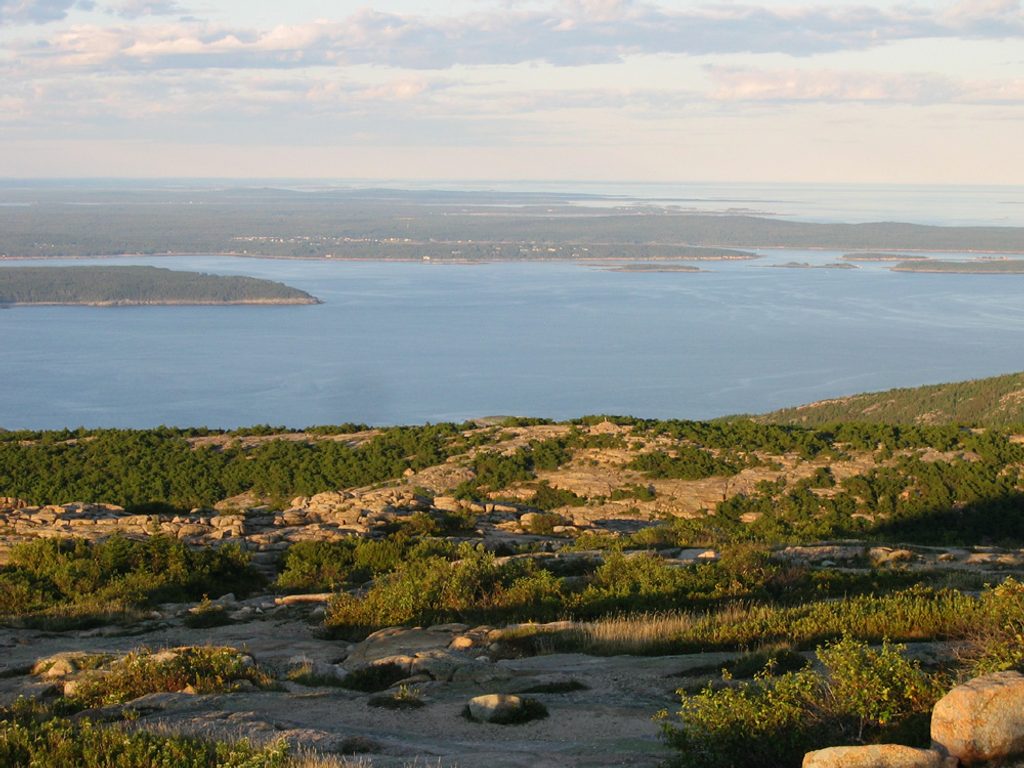
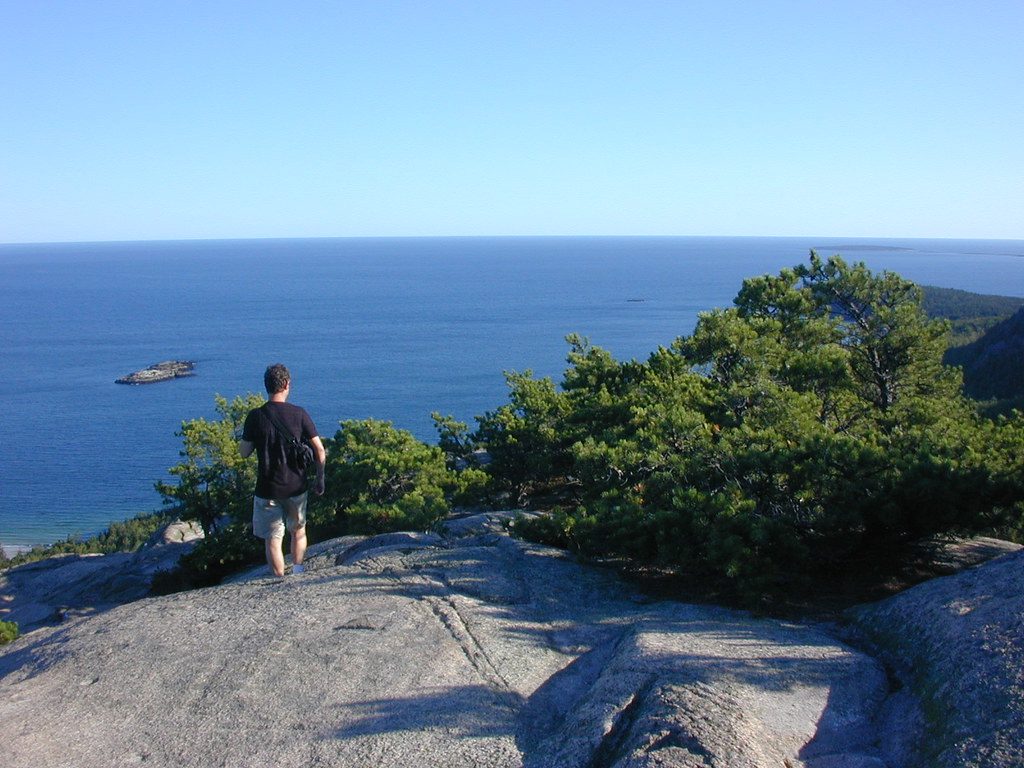
Views are better on the upper ascent than at the summit itself—look back for sightlines toward Sargent and Penobscot. Otherwise, this is a woods-forward hike: thick forest, a lovely stand of young pines, and quiet trails with far fewer people than Acadia’s headline peaks. If you do the loop, the Hadlock Ponds stretch can offer wildlife sightings along calm water.
Short, steep, and rugged. Footing is uneven with granite ledges that turn slick when wet or icy. Trekking poles help, especially on the descent. If you’re not into downclimbing steep rock, go up the Goat Trail and down the gentler Norumbega Mountain Trail. In winter, this route becomes an advanced undertaking—ice traction and winter experience required.
Late spring through fall offers the best footing and weather. Avoid or take extreme care after rain—wet granite and pond boardwalks are slippery. Winter is possible only with proper gear and experience. Crowds are typically light here even on busy summer weekends.
Use the Norumbega Mountain Trail access near the Hadlock Ponds corridor; consult the park/loop map to confirm the Goat Trail start.
Steep granite slabs and ledges are slick when wet or icy; brief scrambling; consider ascending via Goat Trail and descending the gentler Norumbega Mountain Trail. Carry a headlamp for dawn/dusk and use traction in winter.
Place
Place
Place
Place
Challenging
Challenging
Easy
Challenging

Parkwolf Tour Guide
