
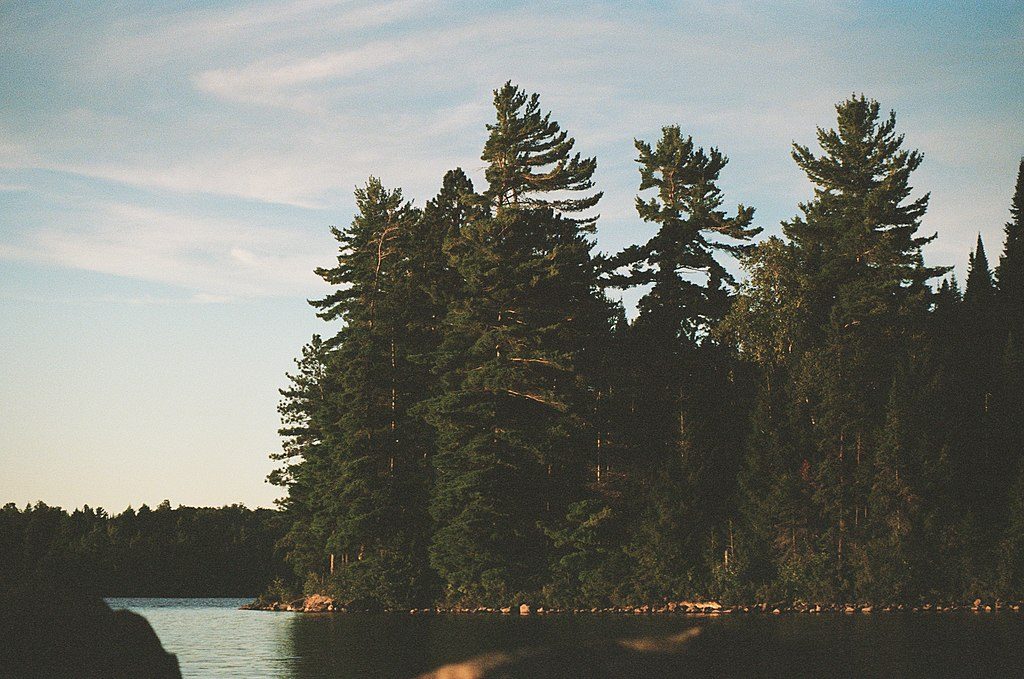
Place · 10.2 mi away
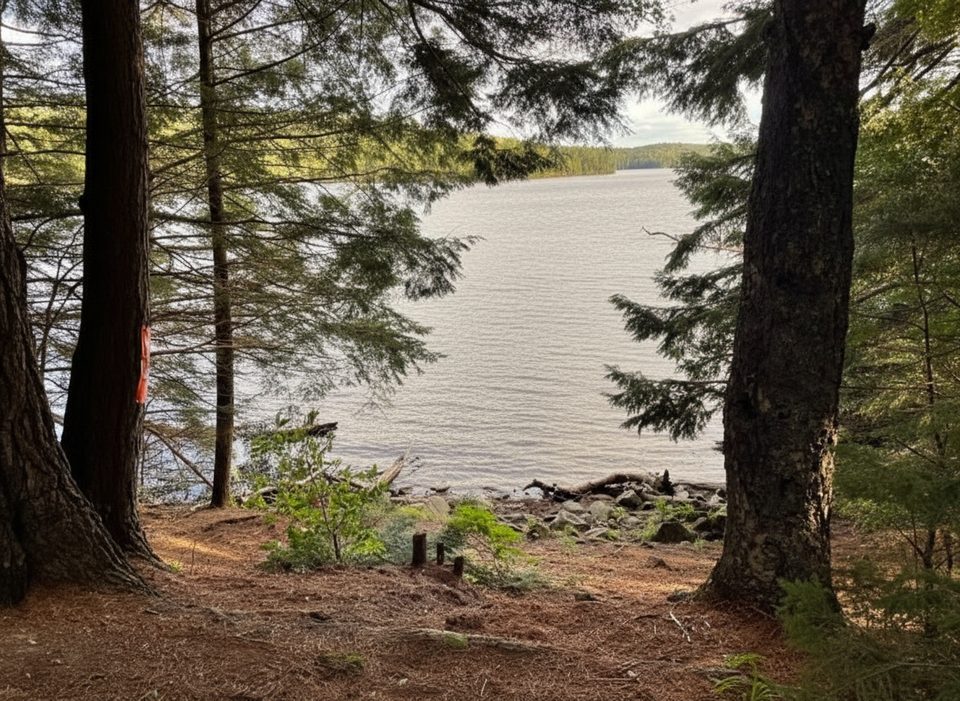
Dickson Lake is classic Algonquin backcountry—quiet water, rocky shorelines, and a true sense of being out there. It’s not on the Highway 60 strip; you earn it by paddle and portage, which keeps traffic down and the experience serene.
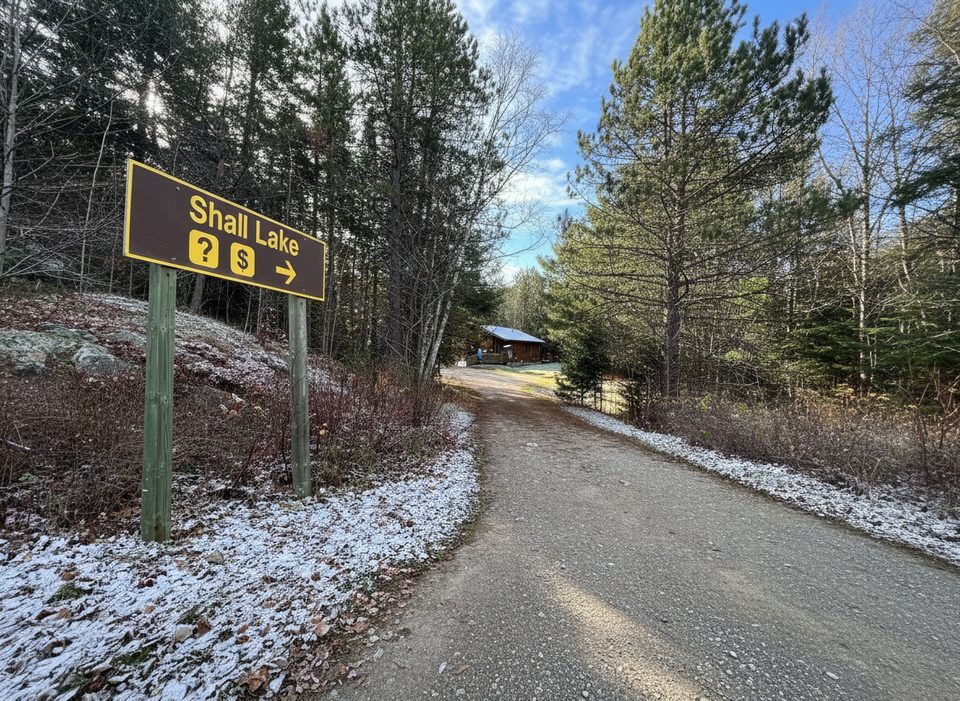
Most paddlers enter via Lake Opeongo (Access #11) or Shall Lake (Access #17). From Shall Lake it’s roughly 22 km, typically a two‑day reach. From Opeongo it’s about 27 km—two days for most parties, or one long push if you use the Opeongo water taxi. The Bonfield–Dickson portage sits on this approach and is noted as the park’s longest official carry, so plan your time and energy around it. The Dickson–Little Crooked link has been reported as very difficult/overgrown at times; get current conditions before committing. An official, regularly updated canoe routes map is available from park staff and is the best planning tool.
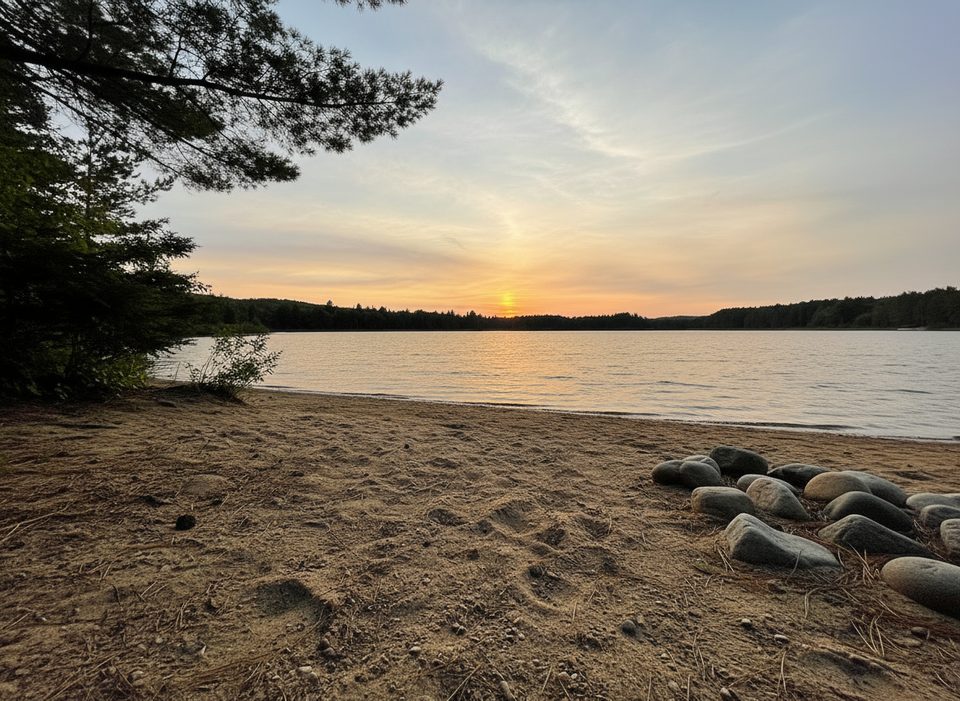
Sites here are true backcountry. Shorelines on some camps can feel grown‑in with limited interior views, but there are gems. Site 7 (an island mid‑lake) has a forgiving beach landing and standout sunset vantage from the island’s west tip. Near the Bonfield–Dickson portage, Site 1 functions more like a staging/emergency spot right on the trail—flat but exposed with through‑traffic. Over in Cisco Bay, Site 11 on Raccoon Island is small with a rocky landing that can be awkward in waves.
Once you arrive, the vibe is relaxed: good swimming off sandy or gently sloping landings where you find them, sheltered fires, and long evening light if you’re positioned well. Expect passing parties near the big portage terminus, but otherwise solitude is the draw here.
This is interior camping—no taps, showers, or garbage service. Each campsite typically has a thunder box. Draw your water from the lake and treat it. Pack out all trash and plan secure food storage (hangs or canisters). Frontcountry flush toilets and taps exist at access points and campgrounds before you launch; once you’re en route to Dickson, services disappear.
Backcountry camping is available year‑round. For comfort and daylight, many paddlers time their trip to make the long carries manageable and to catch sunset light from viewpoints like Site 7’s west tip. Always check current advisories for portage maintenance, fire status, and water levels before you go.
Place · 10.2 mi away
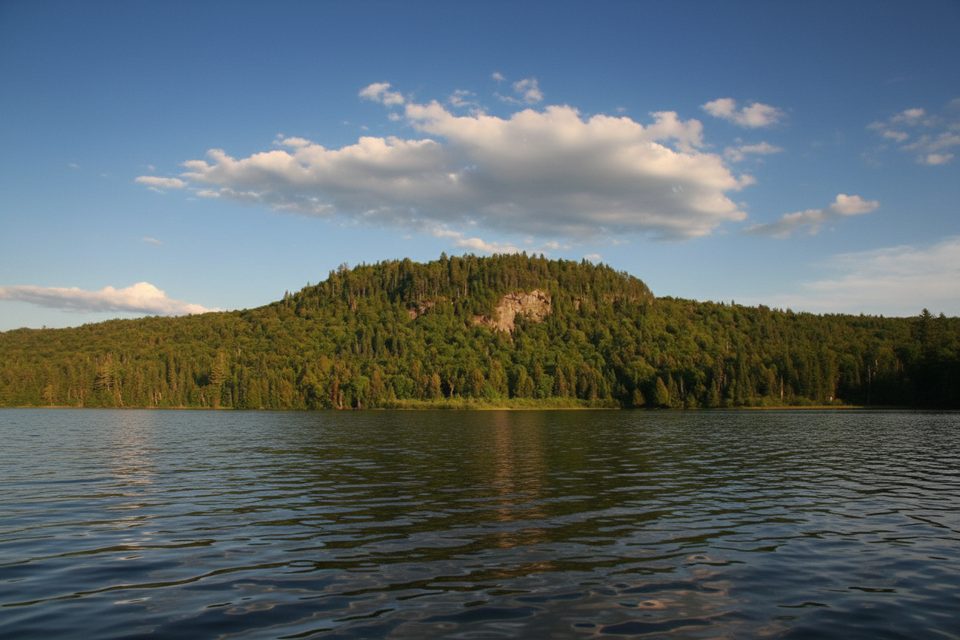
Place · 11.2 mi away
Place · 11.2 mi away
Place · 11.4 mi away
Moderate · 15.2 mi away
Easy · 16.2 mi away
Easy · 17.2 mi away
Easy · 17.4 mi away

Parkwolf Tour Guide
