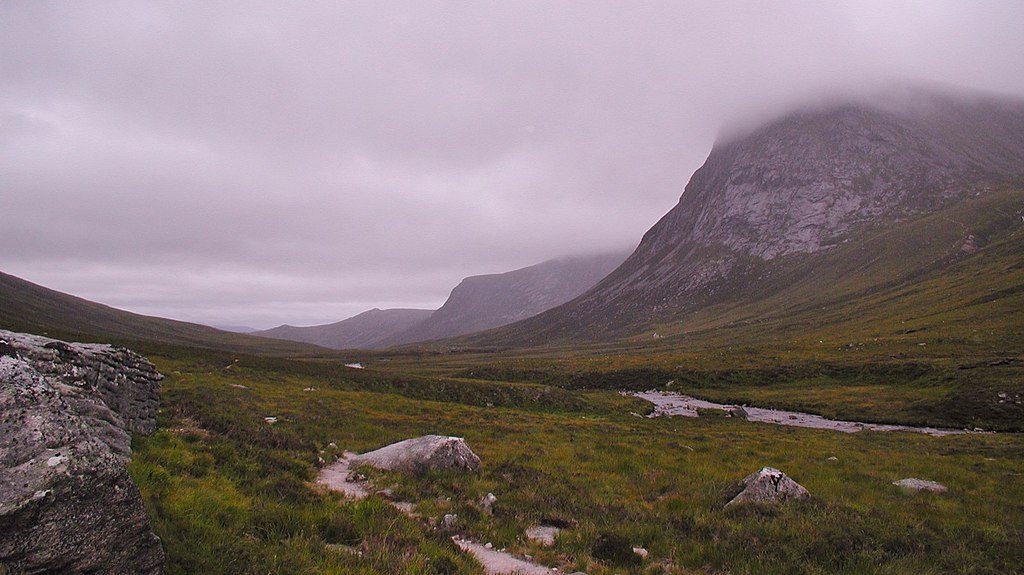
Lairig Ghru

A wild, historic mountain pass and classic highland traverse
Lairig Ghru, Cairngorms National Park
InsideCairngorms National Park

Overview

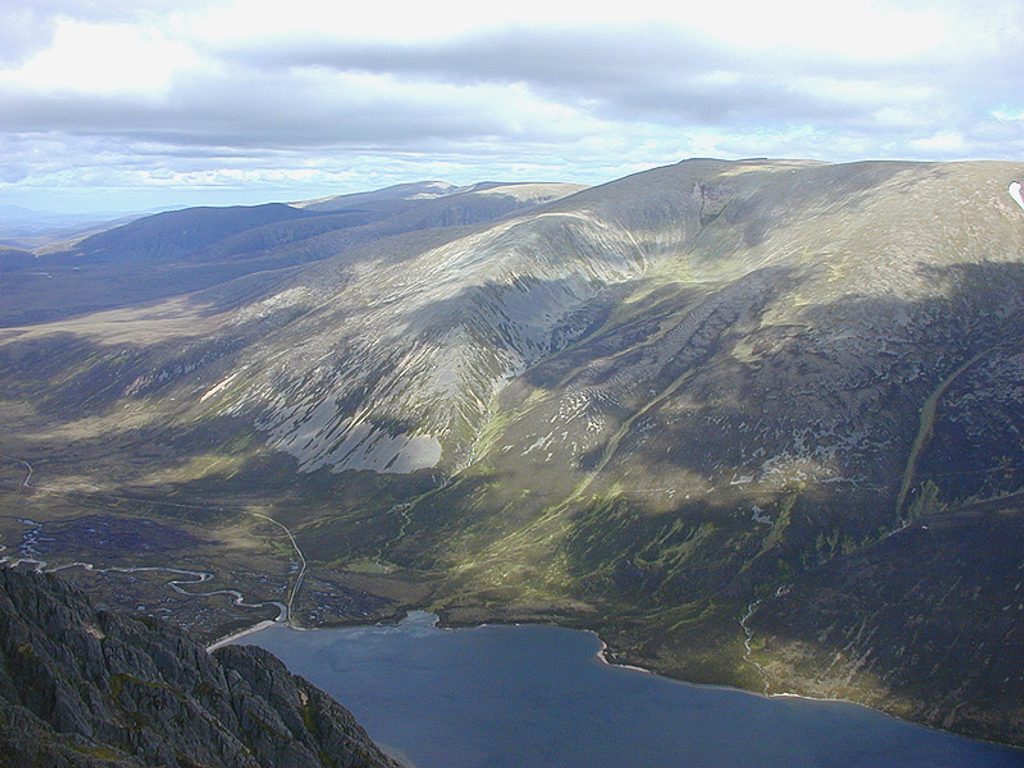
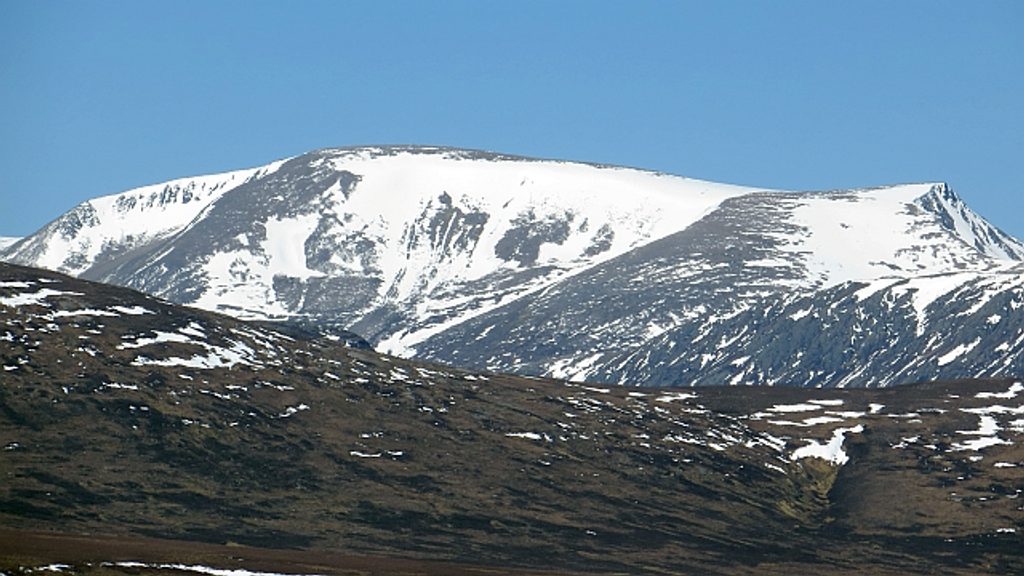
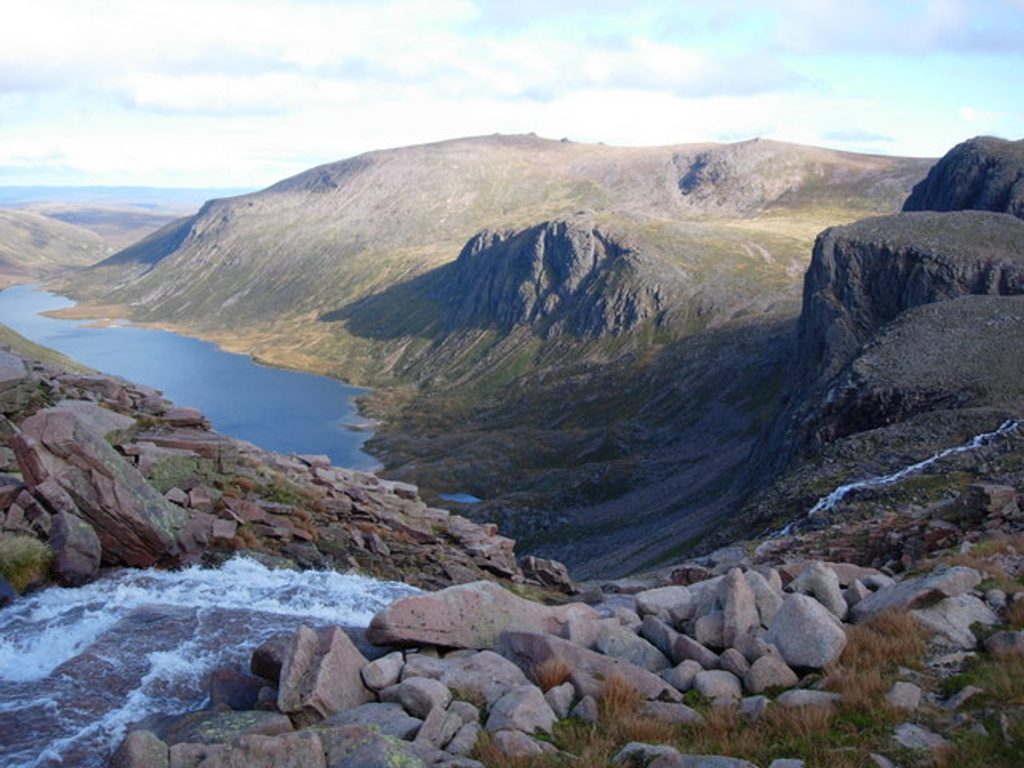
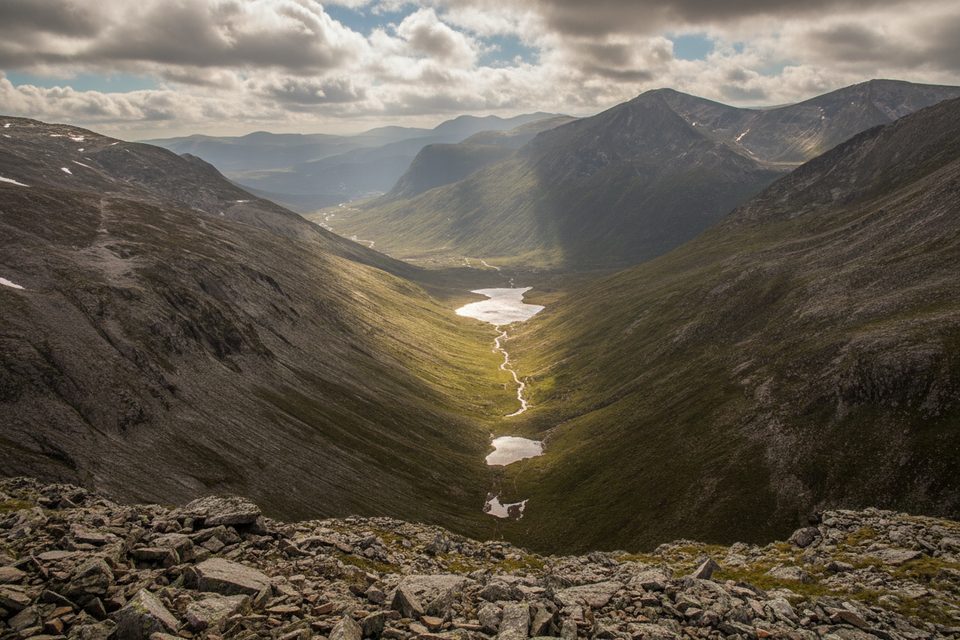
The Lairig Ghru is the Cairngorms’ legendary north–south mountain pass, a wild corridor right through the heart of the range. Expect an austere, glacial U‑shaped valley, a highest point around 835 m, and a palpable sense of history under enormous plateaus. It’s a serious undertaking that rewards committed walkers and runners with some of the most dramatic scenery in the Highlands.

What You’ll See

  • Big‑mountain drama from start to finish, with sightlines to major peaks including Braeriach, Ben Macdui, Cairn Toul and Angel’s Peak.
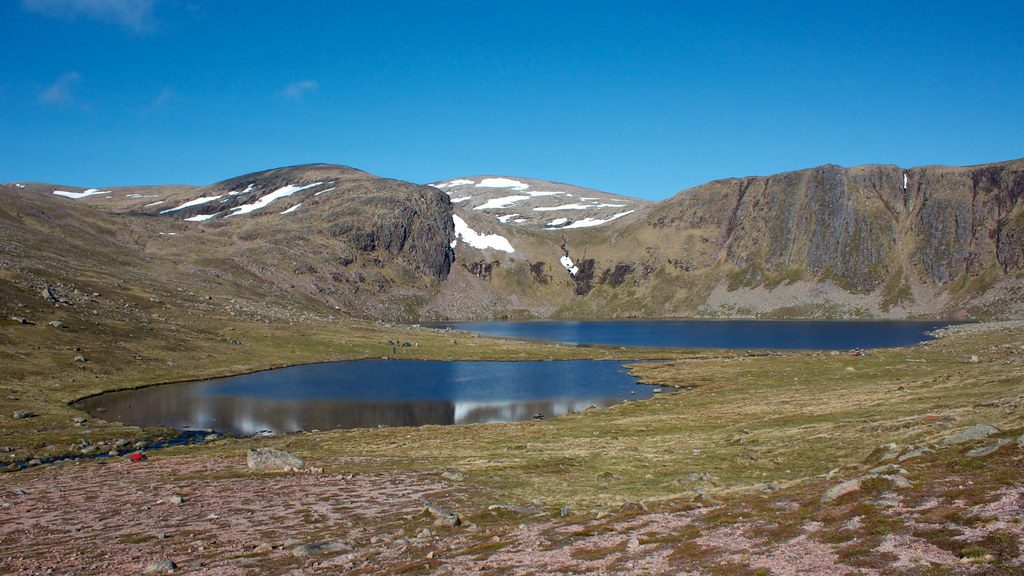
  • The Pools of Dee—clear, high tarns set among granite boulders near the top of the pass.
  • A journey of contrasts: ancient Caledonian pinewoods on the Speyside side, then a stark, boulder‑strewn heart before rolling out towards Deeside. Corrour Bothy sits just off the main line and makes a classic pause or overnight stop.

Route Character & Difficulty

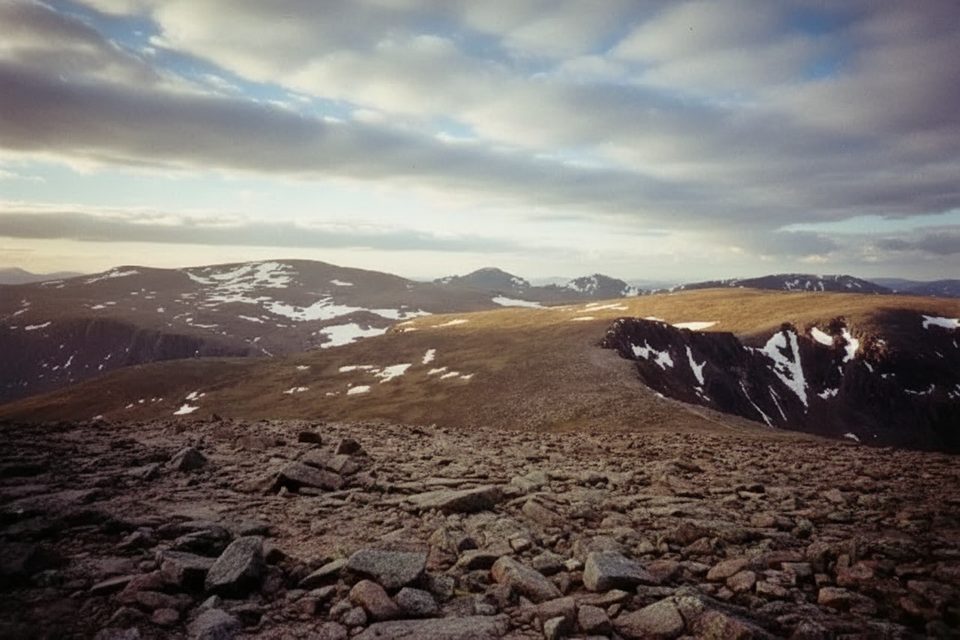
This is not a gentle stroll. The central section replaces path with shifting boulders, demanding steady feet and patience. Route‑finding can be tricky in poor visibility, and the high ground is exposed to weather. Many complete the traverse in a long day; others split it with a wild camp or a night at the bothy. Once you’re committed to the middle, turning back is often the only “escape.”

History & Landscape

A historic pass linking Strathspey and Deeside for centuries, the Lairig Ghru weaves folklore and travel heritage through textbook glacial architecture—steep walls, granite tors and an unmistakable U‑shaped trench carved by ice.

Wildlife

Keep eyes peeled for red deer on the flanks and high‑country birds like ptarmigan. In the forests on the Speyside side, the Caledonian pinewoods are notable habitat that can support species such as capercaillie and crested tit. Wildlife is never guaranteed, but the setting is prime.

Logistics & Safety

  • Point‑to‑point logistics are key—most people link Aviemore/Coylumbridge and the Linn of Dee/Braemar side using pre‑arranged transport.
  • Navigation competence is essential; the line can vanish in clag or snow.
  • There are no services on the pass: no toilets, food, water taps or shelters beyond the basic bothy.
  • Expect rough underfoot going in the middle; sturdy footwear and enough food/water are non‑negotiable.

Best Time to Visit

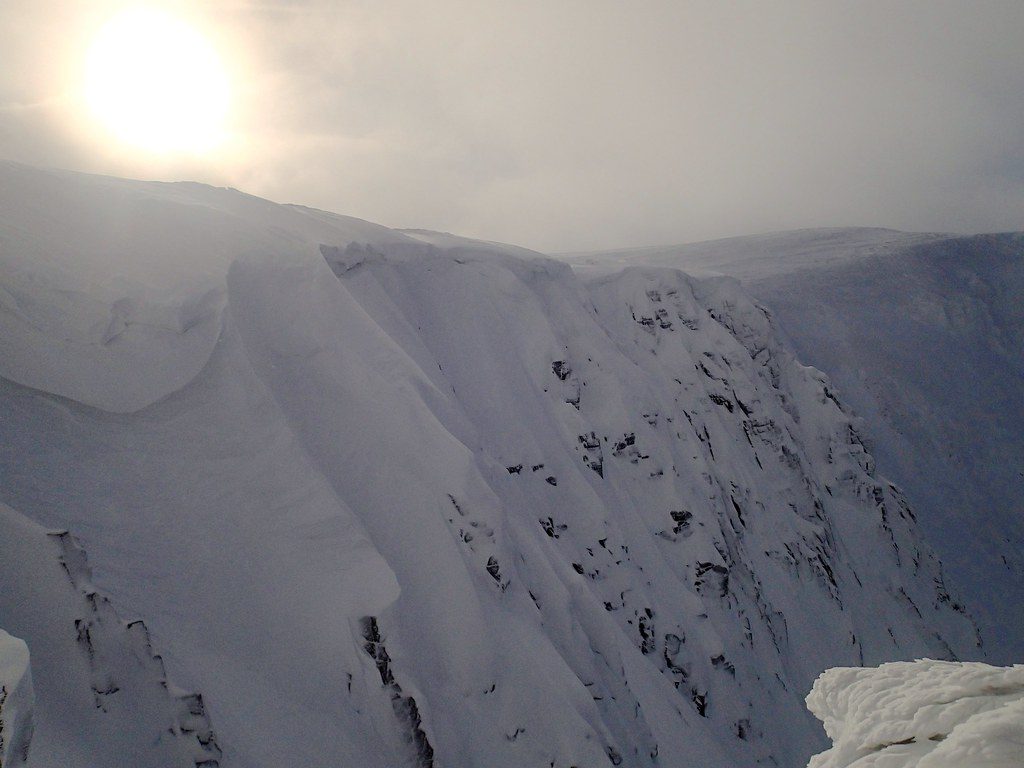
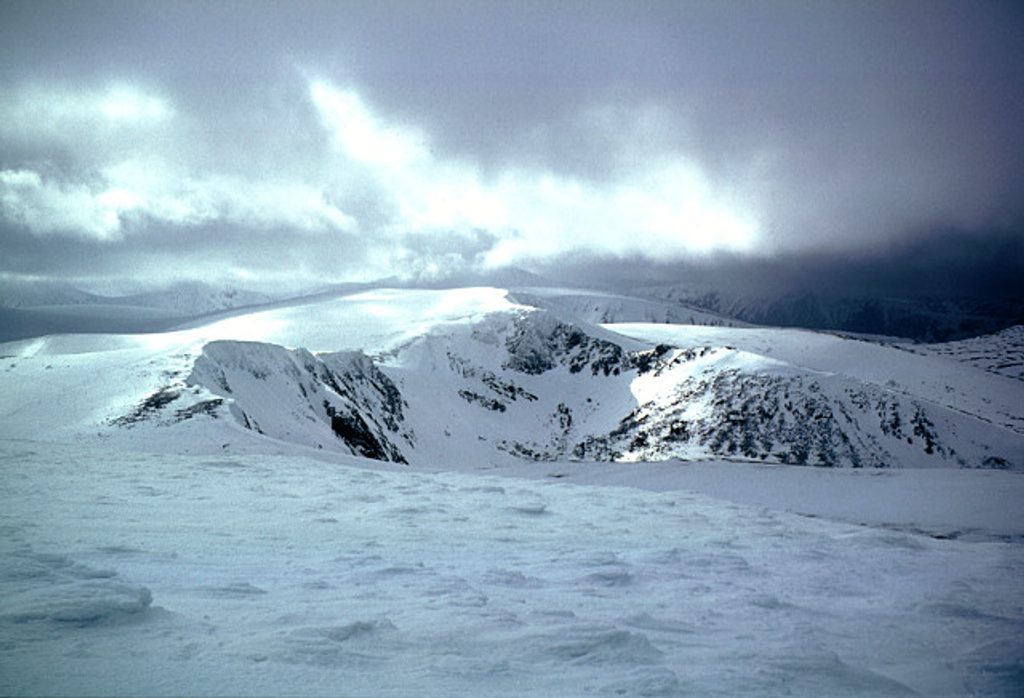
Late spring through early autumn suits most walkers. Summer offers longer daylight but also more company; outside of summer it feels even wilder, with increased seriousness and potential snow. Start early for the longest, calmest window and to keep options open if progress slows in the boulder fields.

Pros

  • Wild, glacial pass with towering views of Braeriach, Ben Macdui and more
  • Classic point‑to‑point traverse between Aviemore and Braemar with deep history
  • Unique highlights like the Pools of Dee and nearby Corrour Bothy

Cons

  • Boulder‑strewn central section is slow, rough and hard on ankles
  • Highly committing with no real escape routes or services en route

Tips

  • Arrange point‑to‑point transport before you set off; returns can take all day.
  • Carry map, compass and know how to use them—navigation can be tricky in clag.
  • Expect slow going in the boulder‑strewn central section; protect ankles and pace food.
  • Plan for zero amenities en route; bring all water treatment, calories and layers.
  • Consider breaking the trip with a wild camp or a night at Corrour Bothy.
The Parkwolf tour guide sitting on a phone mounted in a car

Parkwolf Tour Guide

Like a tour guide in your car.

Save the places you found around Cairngorms, then let Parkwolf guide the drive between them.Download Parkwolf on the App Store