
Place · 0 mi away
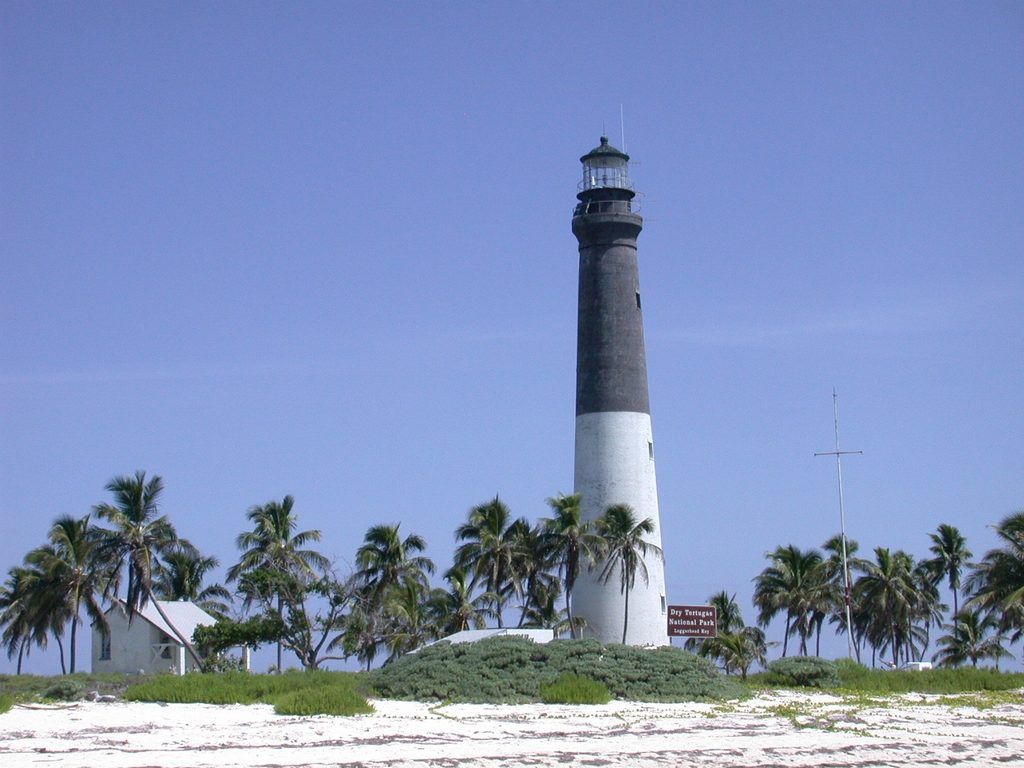
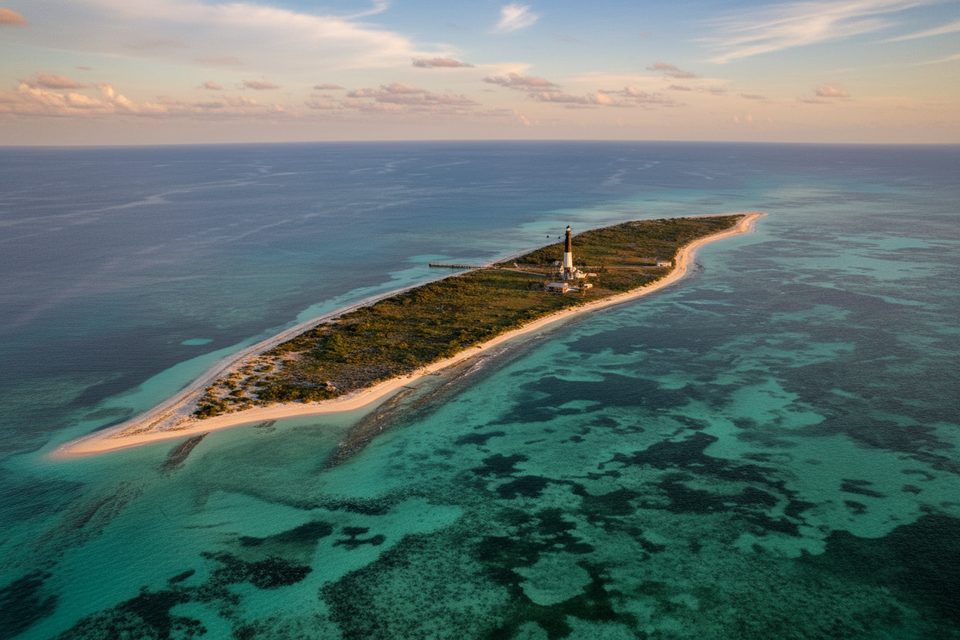
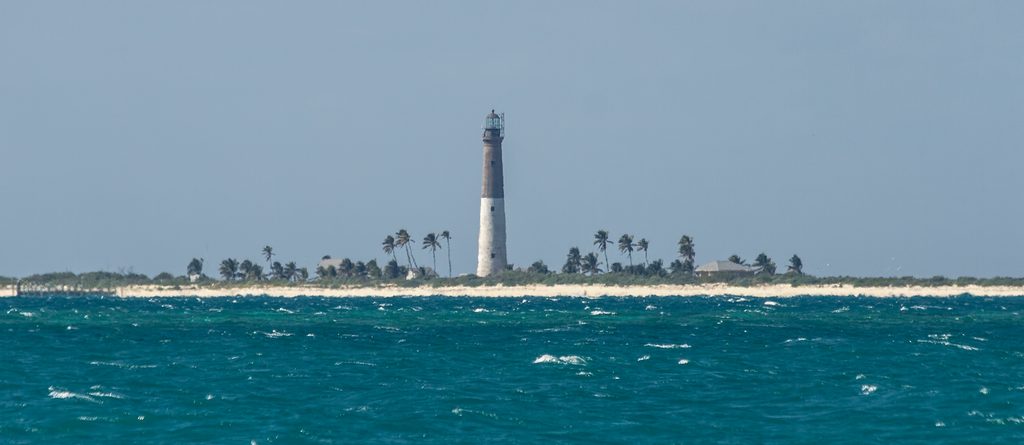
Also called Loggerhead Key Lighthouse, Dry Tortugas Light rises above the park’s most remote island. Built in 1858 to fix the shortcomings of the earlier Garden Key light, it became the workhorse beacon for these wreck‑prone reefs. Today it’s decommissioned, but the stark black tower against turquoise water is still a goosebump moment.
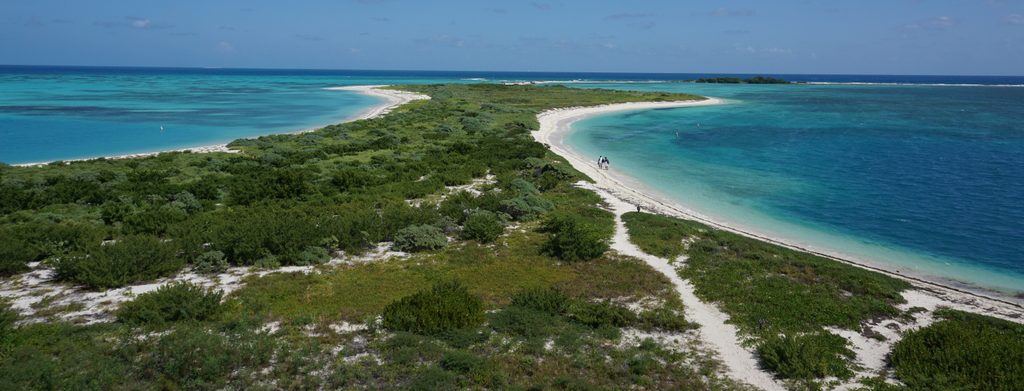
A tall, cylindrical brick tower (painted black) anchored by the remains of the keeper’s quarters and outbuildings. Around it: gin‑clear shallows, coral reefs, and the kind of horizon that makes you forget your phone exists.
At 150 feet, it’s the tallest lighthouse in the state and once carried a massive first‑order Fresnel lens. Its isolation on Loggerhead Key keeps the vibe raw and peaceful—very different from busier Garden Key.
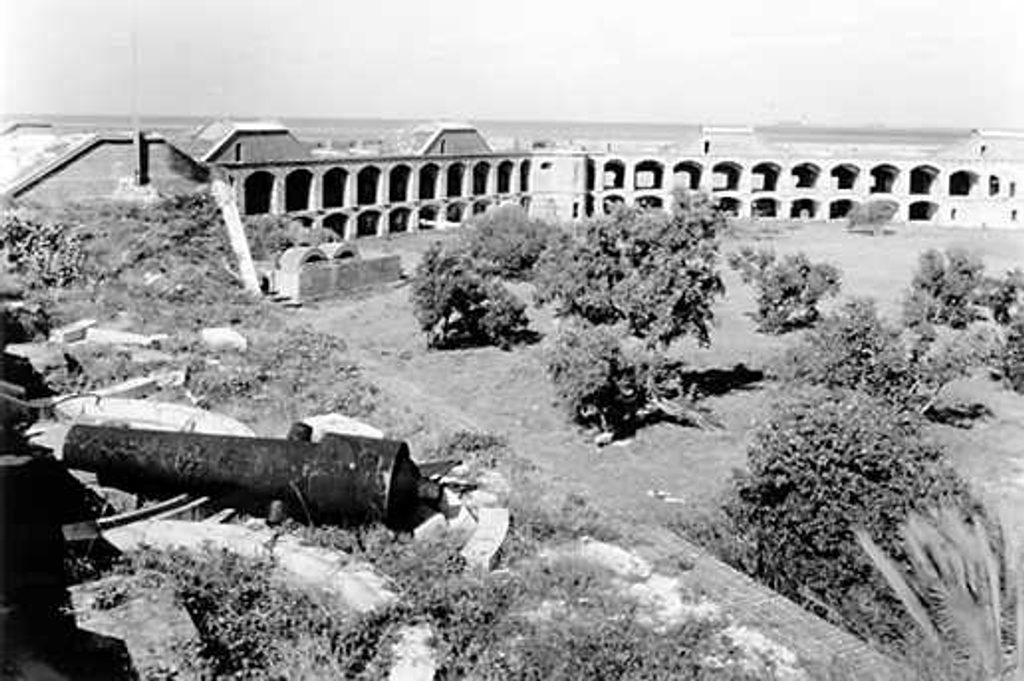
Mariners complained the original Garden Key light wasn’t cutting it, so this new light went up on Loggerhead Key in 1858. It stayed lit through the Civil War, received a powerful electric upgrade in 1931, and was decommissioned in 2015. Don’t mix it up with the smaller Tortugas Harbor (Garden Key) light at Fort Jefferson—different towers, different stories.
Loggerhead Key lives up to its name: loggerhead sea turtles are commonly seen, and the surrounding reefs draw tropical fish and rays. If you’re packing a mask and fins, the waters here are a magnet for snorkelers.
Reaching the lighthouse is the crux. There’s no regular ferry to Loggerhead Key—access is by private boat or authorized tours. The island is undeveloped: no restrooms, no water, no store, no campground, no shade. Come self‑sufficient with water, food, sun protection, and insect repellent.
Crowds aren’t the issue here—access is. When you secure transport, favor the cooler parts of the day to dodge the intense sun and heat. There are no interior tours; plan on exterior views and shoreline wandering.
Place · 0 mi away
Place · 0.1 mi away
Place · 2.9 mi away
Place · 3 mi away
Easy · 3 mi away
Easy · 3 mi away
Easy · 3 mi away
Easy

Parkwolf Tour Guide
