Loggerhead Key

Remote island with pristine reefs, beaches, and a storied lighthouse
Loggerhead Key, Dry Tortugas National Park
InsideDry Tortugas National Park

Overview

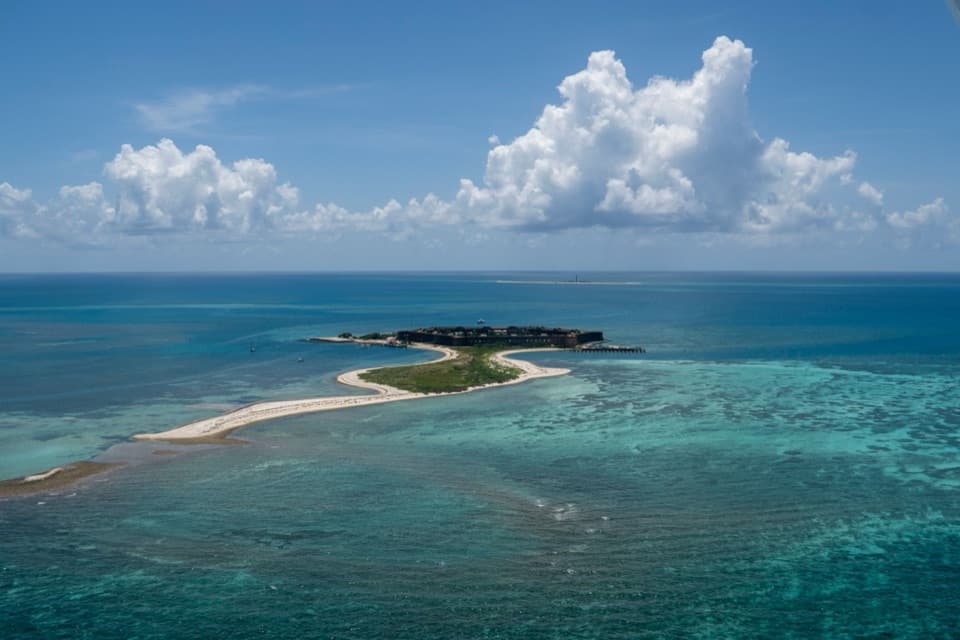
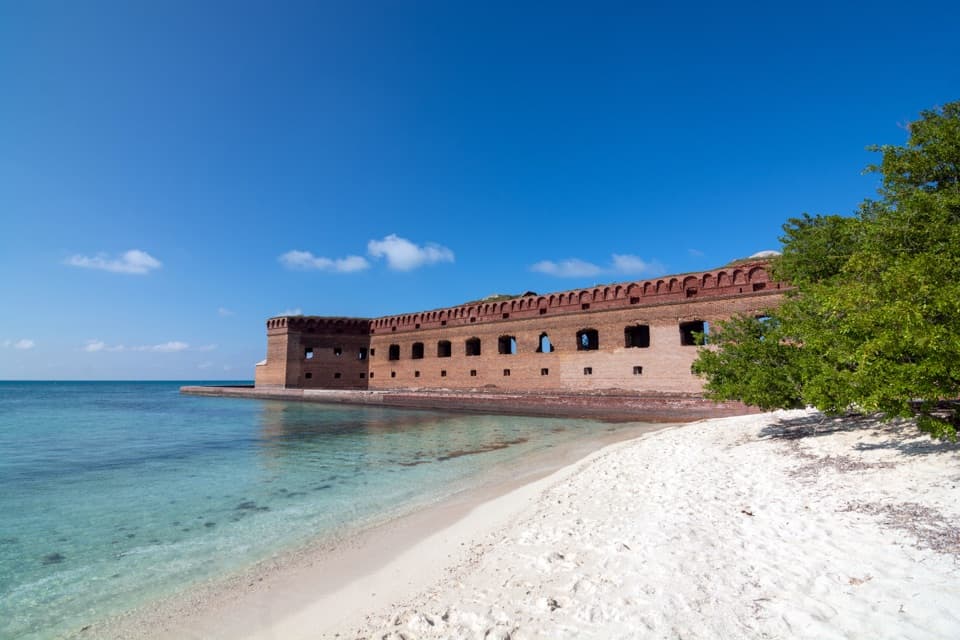
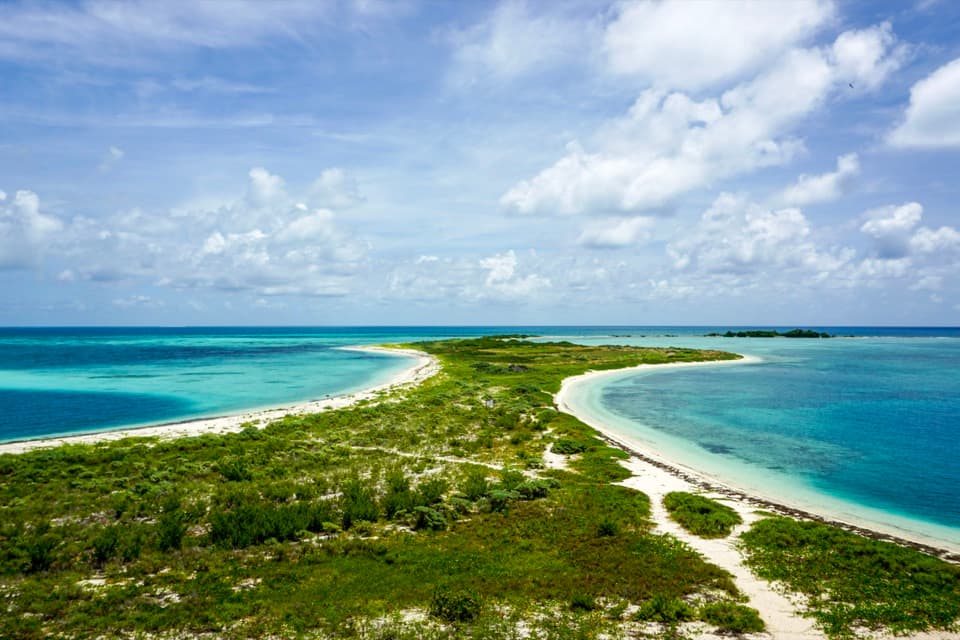
Loggerhead Key is the largest and most remote island in the Dry Tortugas, about three miles west of Garden Key. It’s the classic cast‑away scene: white sand, turquoise water, and a towering historic lighthouse—all with far fewer people than the main fort island. Expect a wild, undeveloped vibe and serious solitude.

What You’ll See

  • Beaches and clear, shallow water ideal for swimming and snorkeling.
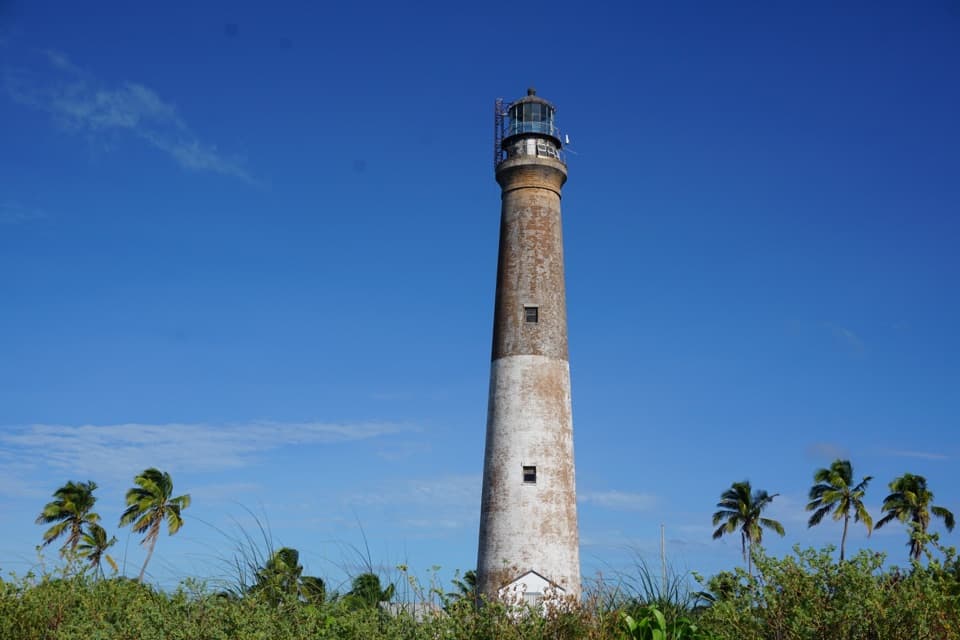
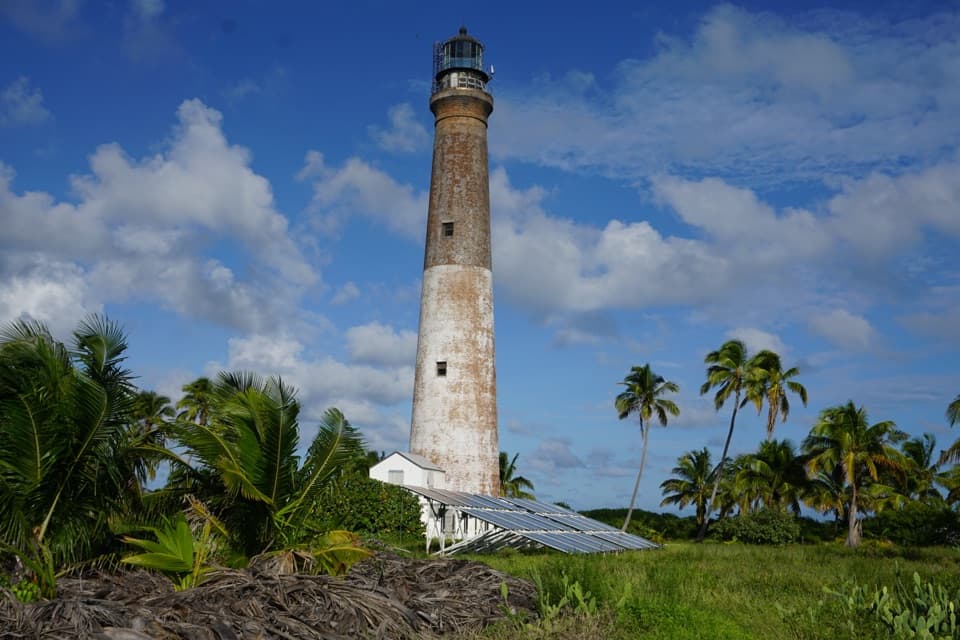
  • The Dry Tortugas Light (1857), plus the light station area and remnants tied to the island’s research past.
  • Informal footpaths weaving through native vegetation.
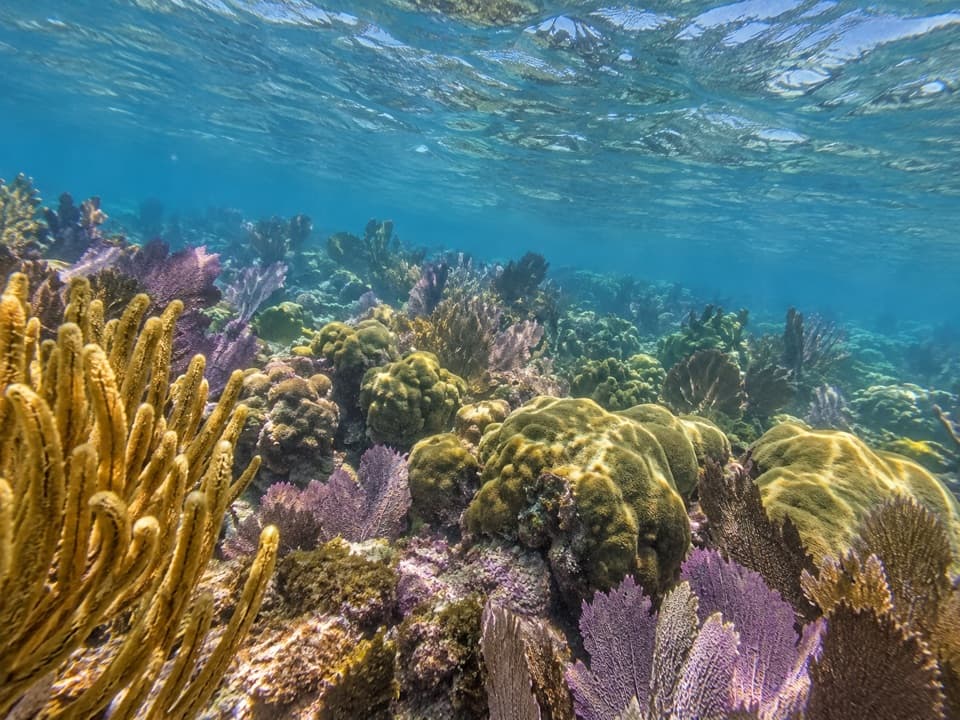
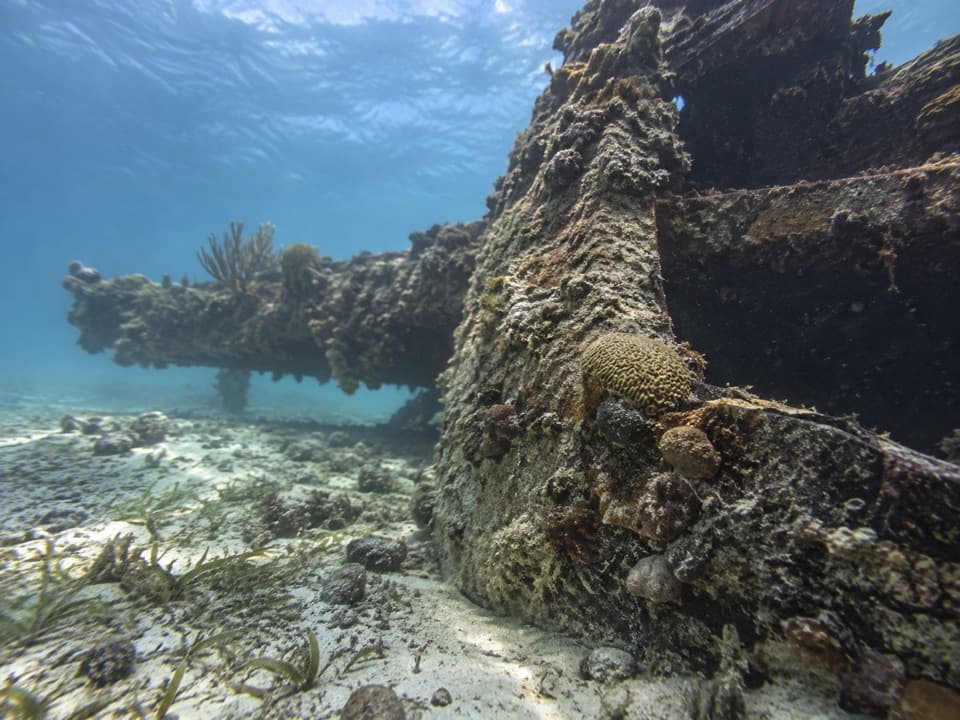
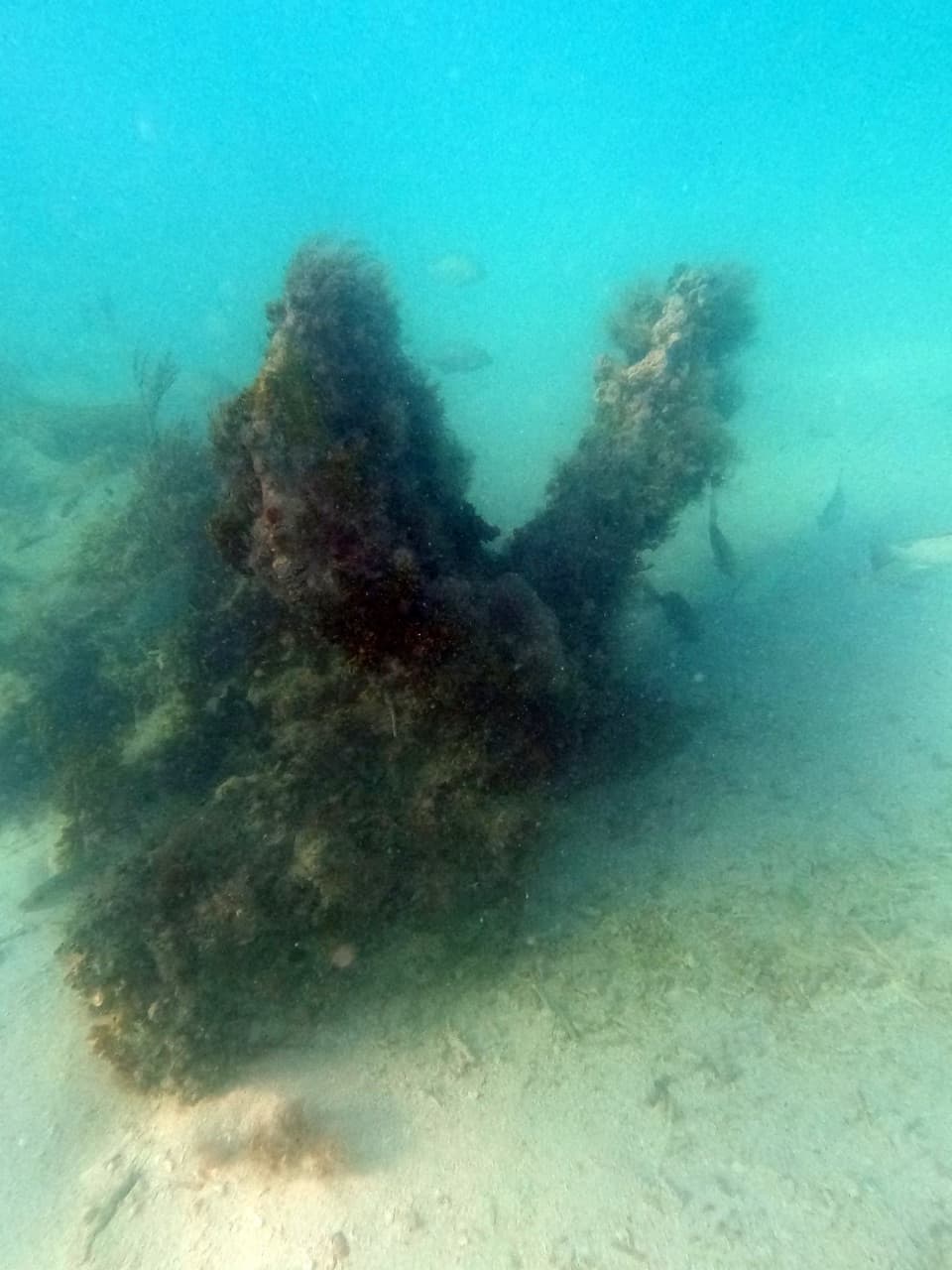
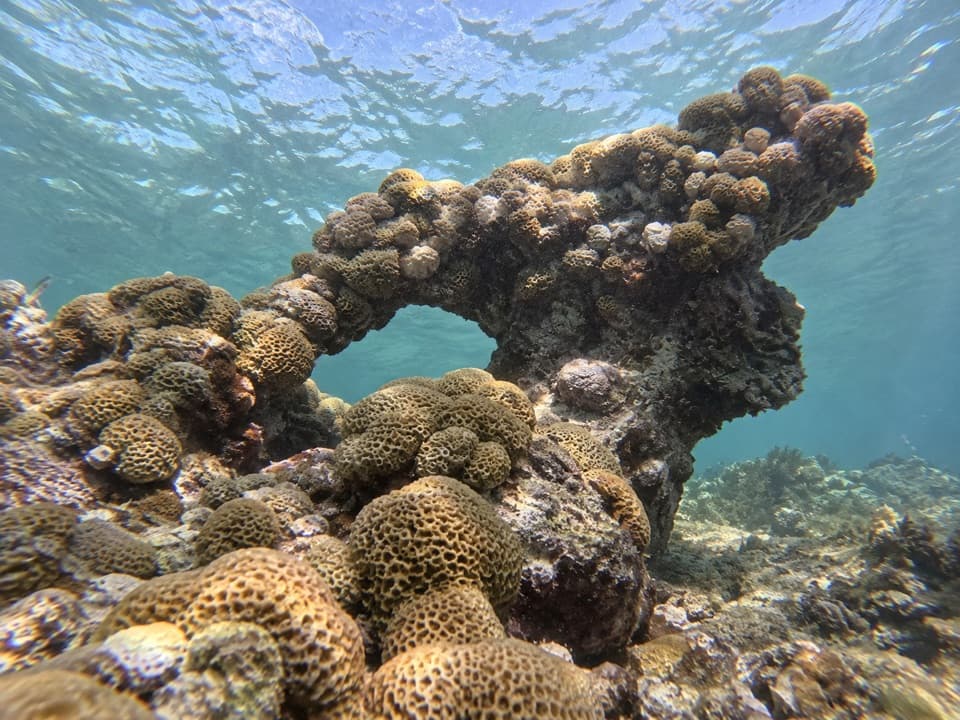
  • Offshore highlights including Little Africa Reef and the Windjammer shipwreck—two of the park’s snorkeling standouts.

Snorkeling Highlights

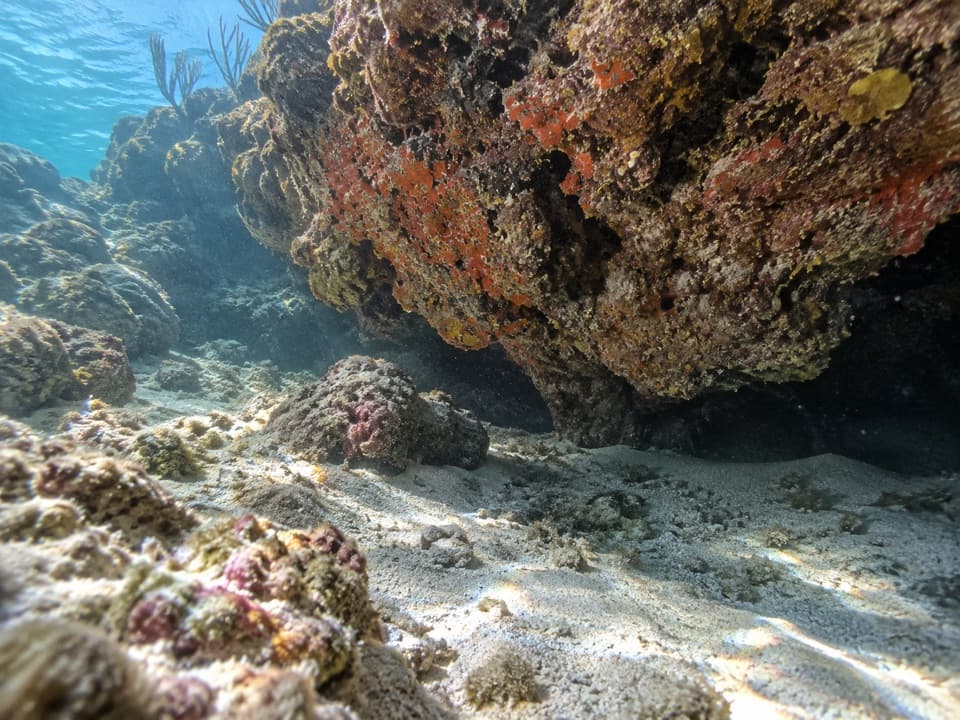
Little Africa Reef is known for large coral heads and diverse fish life, and the nearby Windjammer wreck adds a dose of adventure. Bring your own gear; visibility is often excellent and marine life ranges from tropical fish to spiny lobsters and juvenile game fish.

Wildlife

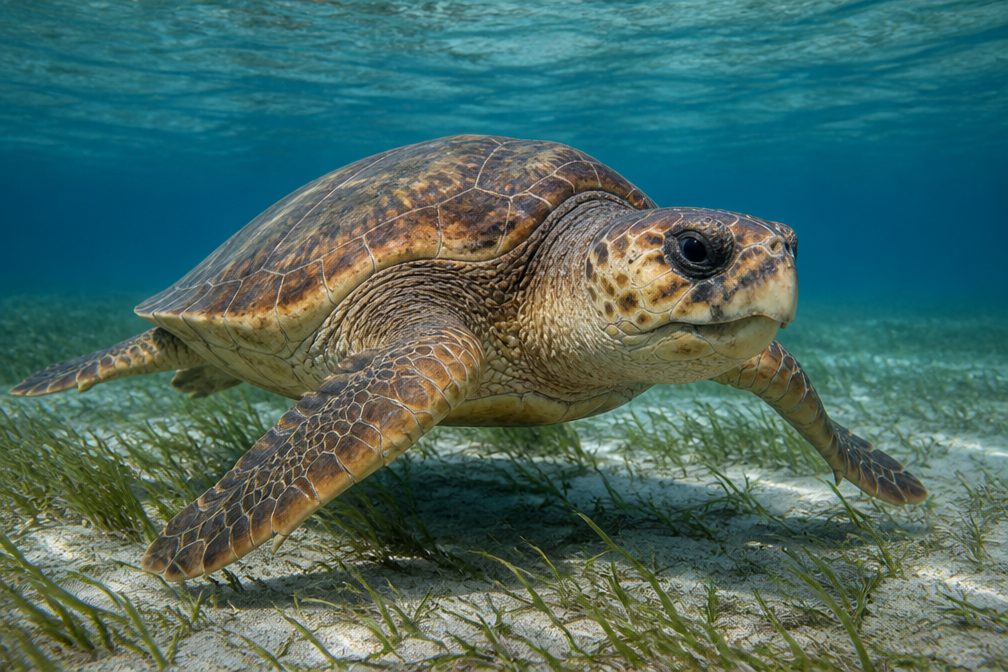
The island is named for loggerhead sea turtles, which use its beaches for nesting. The surrounding reefs support a wide array of corals and reef fish, and the island functions as a refuge for island wildlife (no large land mammals here).

Getting There & On‑Island Reality Check

There’s no public ferry landing here. Visits are typically by private vessel or special charter, and the island is day‑use only—no camping. Weather and sea conditions can complicate travel, so plan conservatively. There are no services: no water, no restrooms, no food, no store, and limited natural shade. Pack in everything and pack out all trash.

Conservation & History Snapshot

Loggerhead Key’s centerpiece is the 1857 lighthouse, once a critical navigational beacon for the treacherous reefs; it was later decommissioned. The island also hosted the Carnegie Marine Biological Laboratory (early 1900s), reflecting its role in pioneering tropical marine research. Today, the park has focused on restoring native habitats by removing invasive plants that altered the island’s natural communities.

Best Time to Visit

There are no posted “hours,” but use is limited to daylight. Aim for periods of calm weather and seas; your captain or charter will time windows accordingly. Thanks to the remoteness, crowds are usually minimal compared to Garden Key.

What to Bring

Plenty of drinking water, snacks, sun protection (hat, sunscreen, UV clothing), a first‑aid kit, navigation/communication tools, trash bags, and well‑fitting snorkel gear. Treat this as a fully self‑supported outing.

Pros

  • World‑class snorkeling at Little Africa Reef and the Windjammer wreck
  • Secluded, undeveloped beaches with crystal‑clear water
  • Historic lighthouse and remnants of early marine research

Cons

  • No services at all: no water, restrooms, or reliable shade
  • Access requires a private boat or charter and is day‑use only

Tips

  • Bring all the water and food you’ll need—there are no services on the island.
  • Pack out every scrap of trash to keep the island pristine.
  • Carry well‑fitting snorkel gear to explore Little Africa and the Windjammer.
  • Confirm weather and sea conditions; access is by private boat or charter only.
  • Expect day‑use only and limited shade—plan for full sun exposure.
The Parkwolf tour guide sitting on a phone mounted in a car

Parkwolf Tour Guide

Like a tour guide in your car.

Save the places you found around Dry Tortugas, then let Parkwolf guide the drive between them.Download Parkwolf on the App Store