
Place · 0.1 mi away
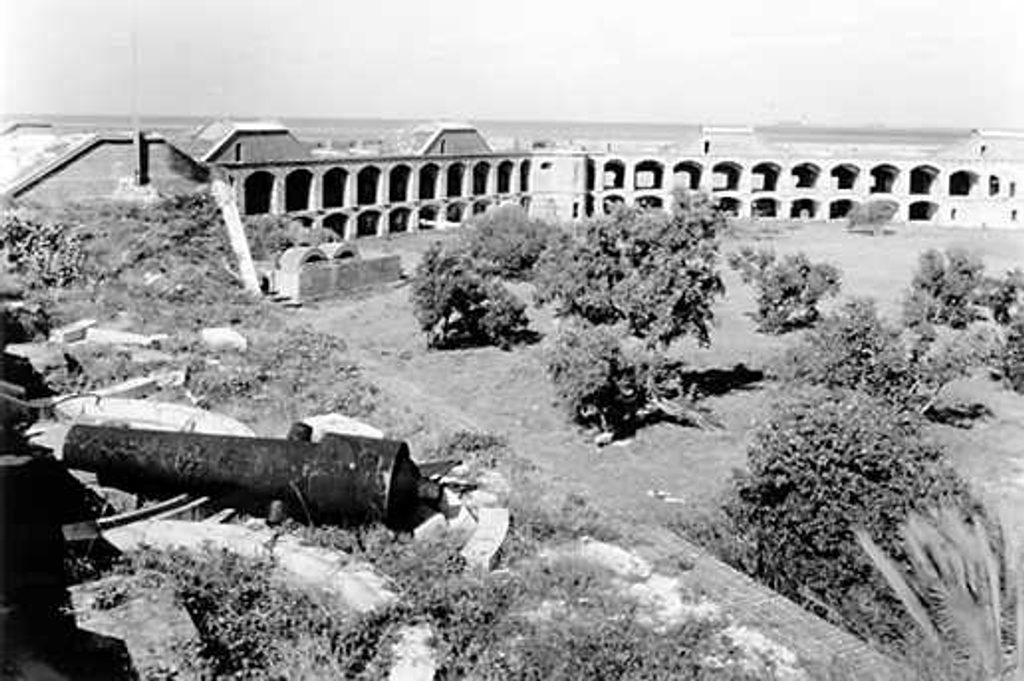
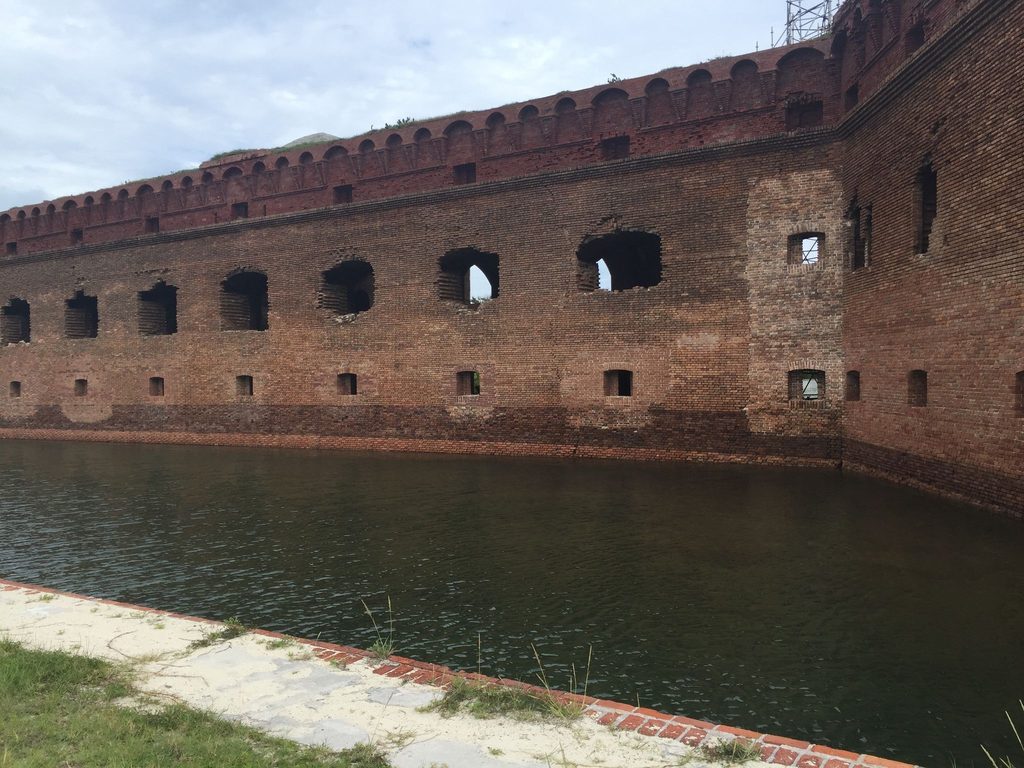
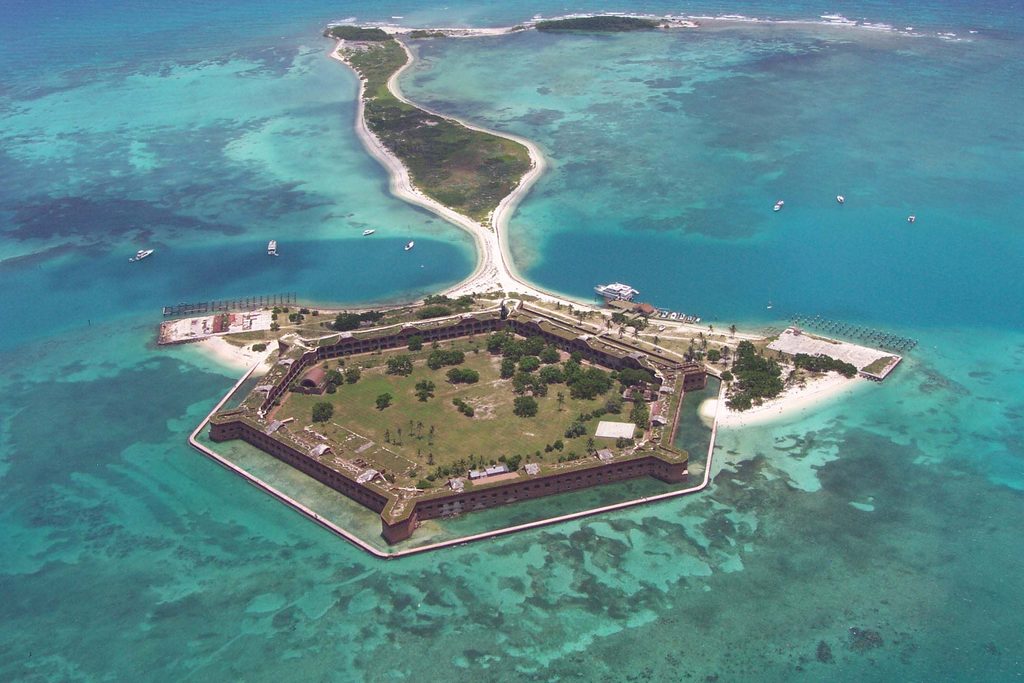
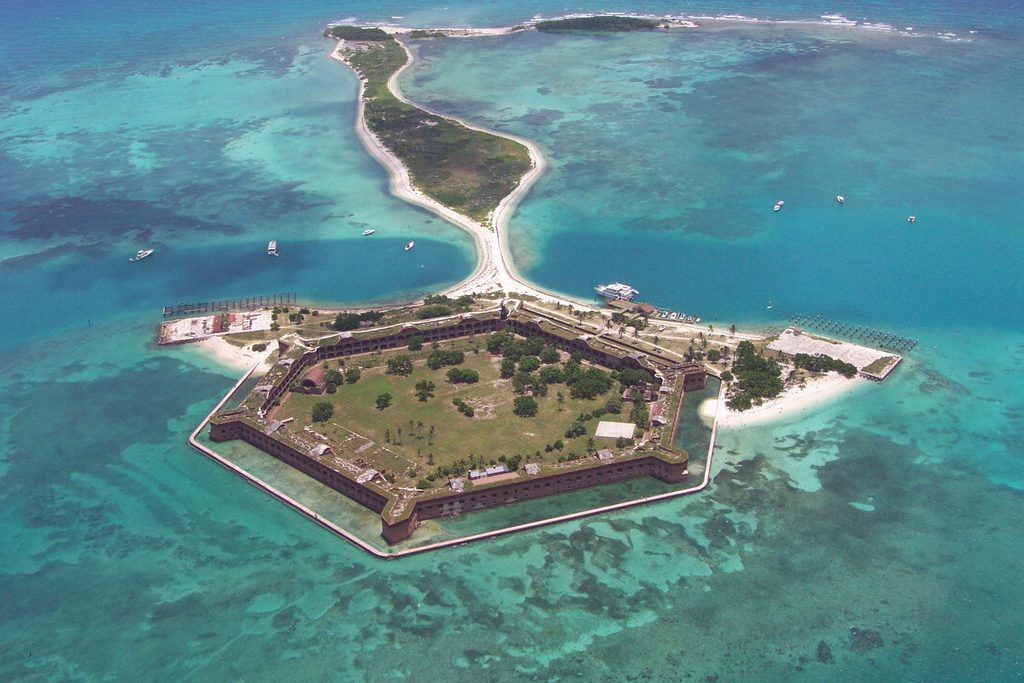
Set on Garden Key’s massive brick stronghold, the Historic Cannons at Fort Jefferson are a highlight for anyone who loves history, engineering, or just jaw-dropping coastal scenery. This is one of the nation’s most significant collections of seacoast artillery, including six of only twenty-five surviving 15-inch Rodman cannons and four of only thirteen surviving 300‑pounder (10-inch) rifled Parrott guns. Their sheer scale and the setting—turquoise water, a moat, and a fortress at sea—make them memorable.
You’ll find the big guns mounted on the fort’s bastions and at key defensive points around the perimeter. Expect imposing iron barrels, reproduction carriages, and views through arched openings across an endless horizon. Interpretive material and ranger talks often explain how these weapons worked and why this remote outpost controlled vital shipping lanes.
These cannons were part of a strategic coastal defense system in the Gulf of Mexico. The fort’s artillery never fired in battle, but their presence was a powerful deterrent. Ongoing preservation and restoration—mixing period techniques with modern materials—help these heavyweights survive the salt, sun, and storms.
Fort Jefferson (and these cannons) are only accessible by ferry, seaplane, or private boat from Key West. On-site services are minimal to none at the cannon areas: no restrooms, food, water, or shade. Bring what you need and plan around your transport schedule.
While exploring the walls and bastions, watch for seabirds like sooty terns and brown noddies overhead. Sea turtles and other marine life frequent the surrounding waters—more visible if you add a snorkel session to your day.
Aim for morning: it’s cooler, less crowded, and the light is softer on the brickwork and guns. Midday heat can be brutal, and your time on Garden Key is often capped by ferry or seaplane schedules, so front-load the fort and cannon areas before the day warms up.
Built between 1846 and 1875, the fort anchored U.S. defense in the Straits of Florida and later served as a prison during and after the Civil War. Constructing and mounting such heavy artillery on remote coral-sand islands was a feat—part of what makes standing beside these cannons feel extraordinary today.
Place · 0.1 mi away
Place · 0.1 mi away
Place · 0.1 mi away
Place · 0.1 mi away
Easy · 0.1 mi away
Easy · 0.1 mi away
Easy · 0.2 mi away
Easy

Parkwolf Tour Guide
