
Place · 0 mi away
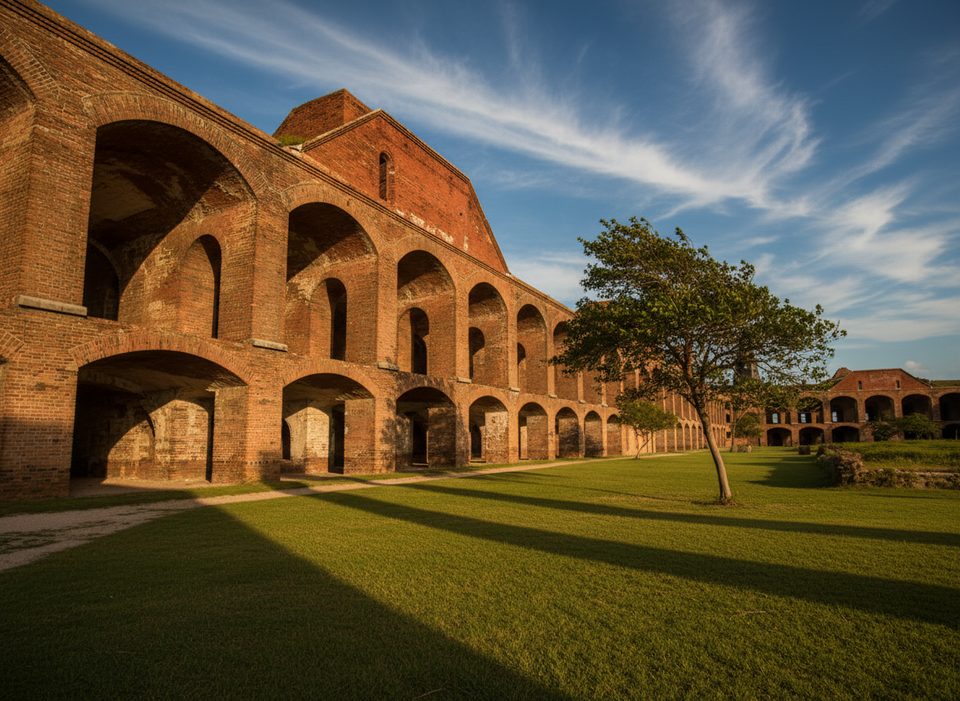
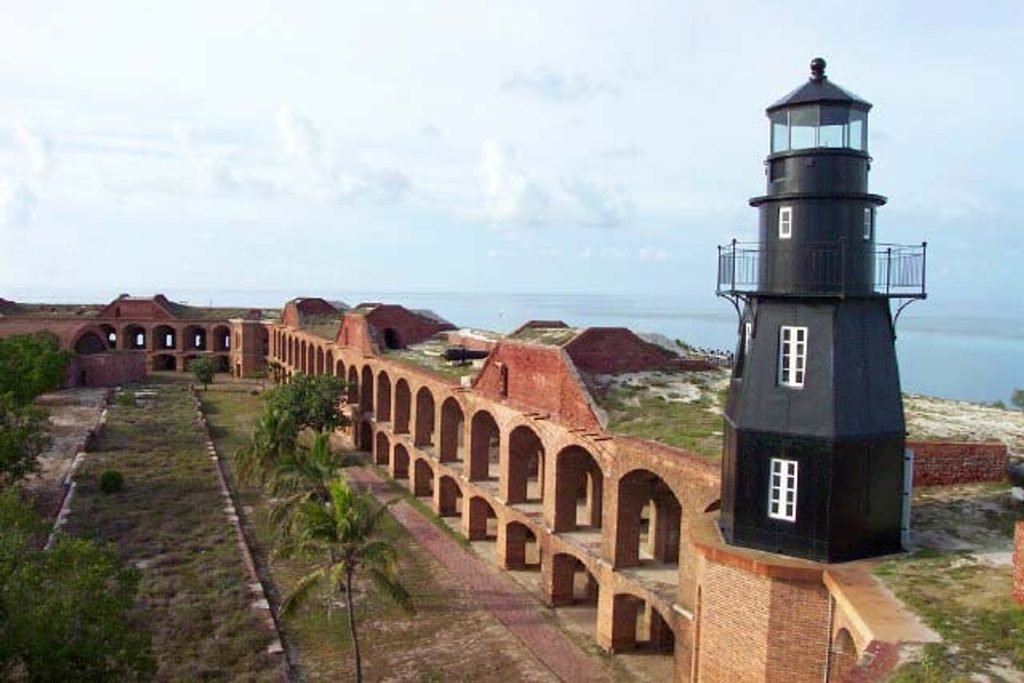
Inside the walls of Fort Jefferson on Garden Key, the Historic Barracks (soldiers’ quarters) sit as evocative brick ruins that immediately transport you to 19th‑century garrison life on a remote coral key. It’s a powerful contrast: weathered masonry, open sea in every direction, and the sense of isolation soldiers once felt here.
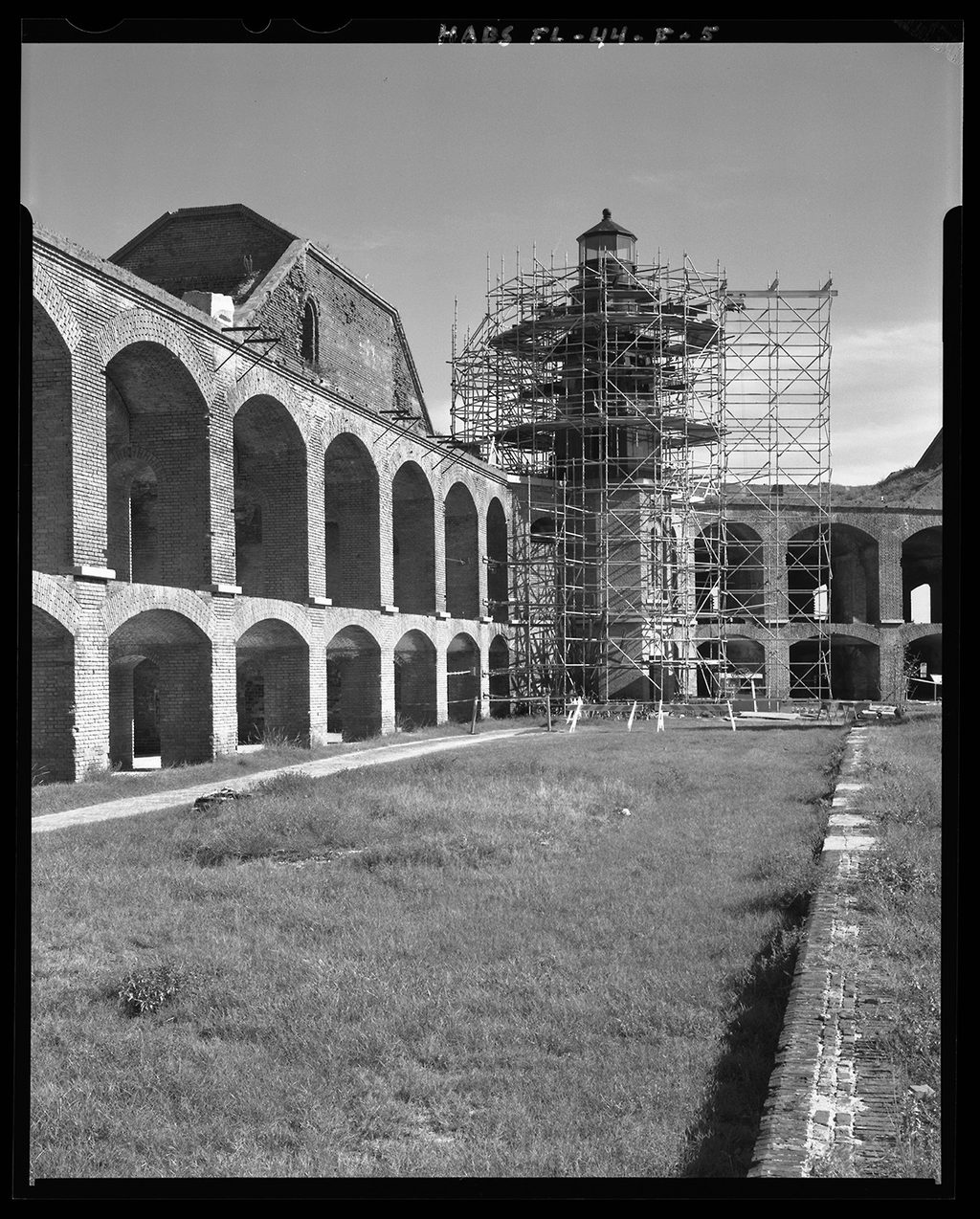
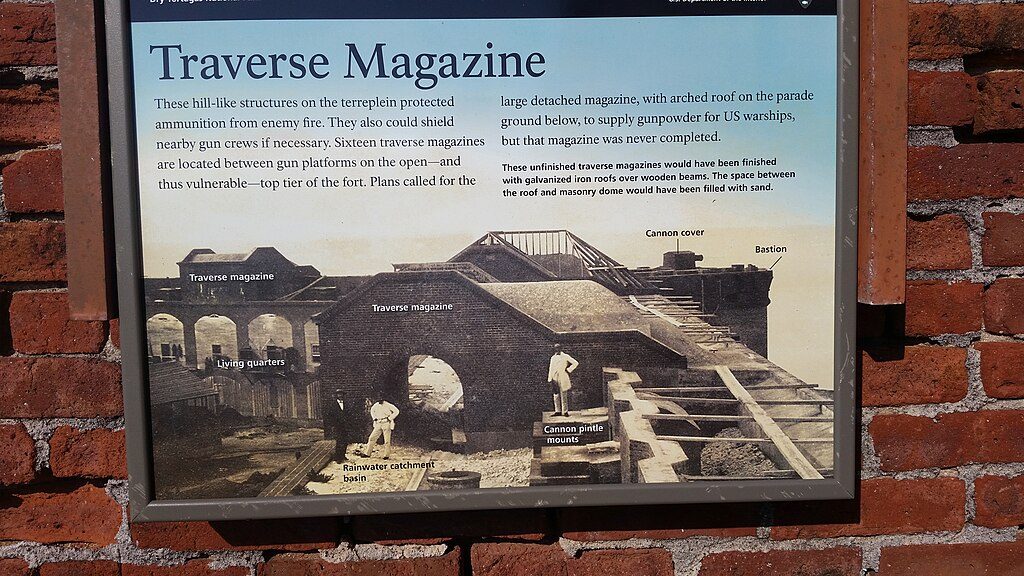
Walk the parade ground and you’ll spot foundations, partial walls, and arches that outline the former Soldiers’ Barracks. The exposed brickwork and the sheer scale of the surrounding fort make this one of the most photogenic corners of the island. Nearby you’ll also find remnants of Officers’ Quarters, two magazines, and a restored hotshot furnace—useful context for how this outpost functioned day‑to‑day.
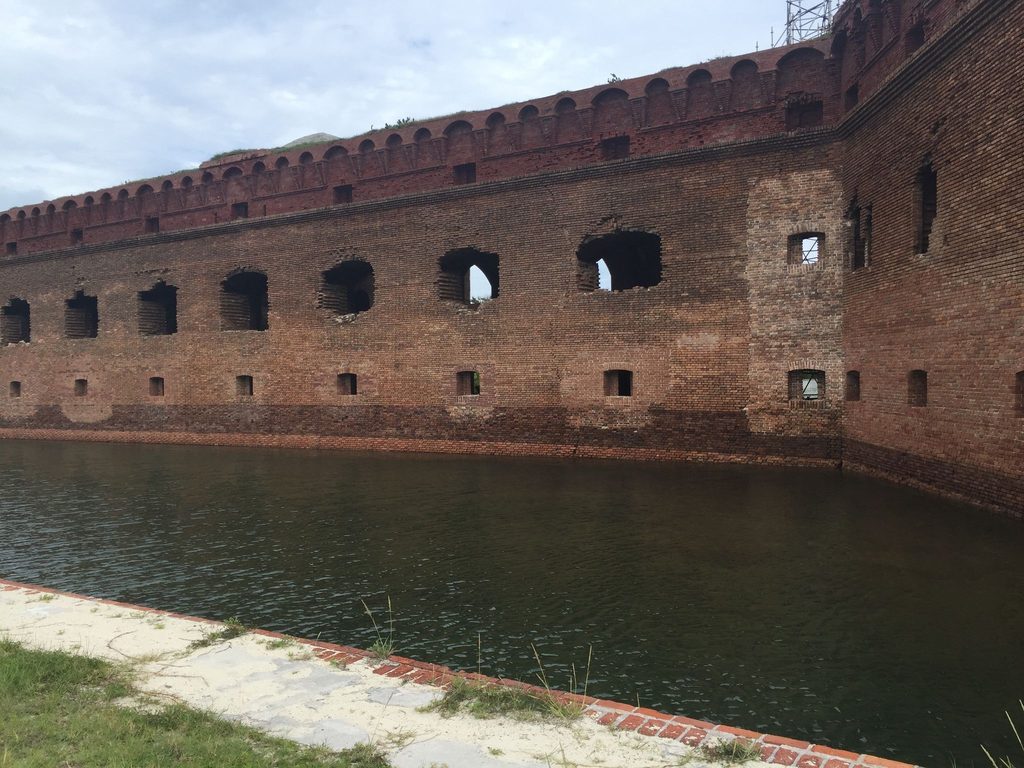
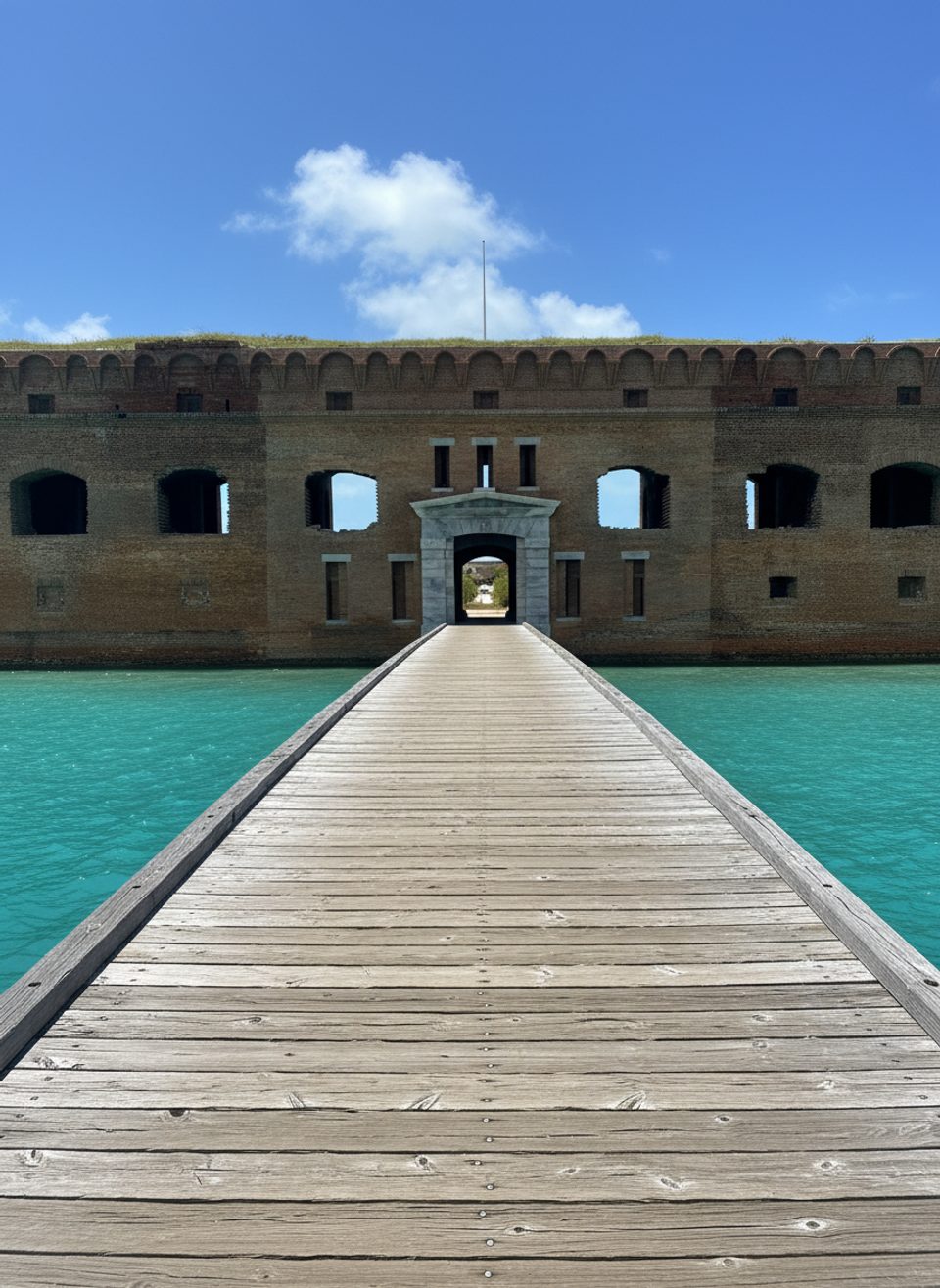
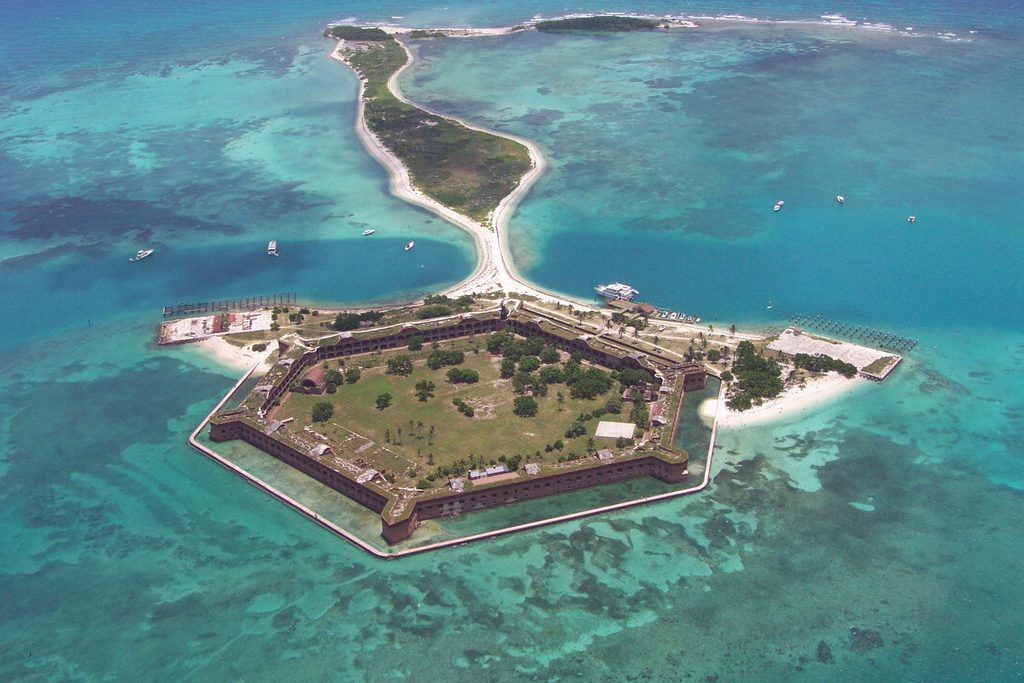
These barracks were components of one of America’s largest masonry coastal fortifications, strategically planted to control key channels in the Tortugas. Seeing them in situ—within a massive fort ringed by turquoise water—adds a sense of place you simply can’t get from a museum display.
Built in the mid‑1800s as Fort Jefferson took shape, the barracks housed enlisted men tasked with defending Gulf shipping lanes. The fort later served as a Union prison during the Civil War, and the parade ground once buzzed with the routines of a remote military community.
Salt air, heat, storms, and water relentlessly work on the fort’s brickwork. Ongoing stabilization is a fact of life here, and you may encounter scaffolding or temporary closures around delicate areas. Respect closures—these ruins are fragile and protected.
Even among the ruins, you’re in prime bird territory. Terns, noddies, and migratory species frequent the area, especially in spring and fall. You might also notice hermit crabs and small reptiles nosing around the brick edges.
Early morning and late afternoon bring softer light for photos and a noticeable break from the midday furnace. Thanks to the park’s remoteness, crowds are manageable compared to mainland sites, but aim for the bookends of the day for the most comfortable wander.
Place · 0 mi away
Place · 0 mi away
Place · 0 mi away
Place · 0 mi away
Easy · 0 mi away
Easy · 0 mi away
Easy · 0.1 mi away
Easy

Parkwolf Tour Guide
