
Place · 0 mi away
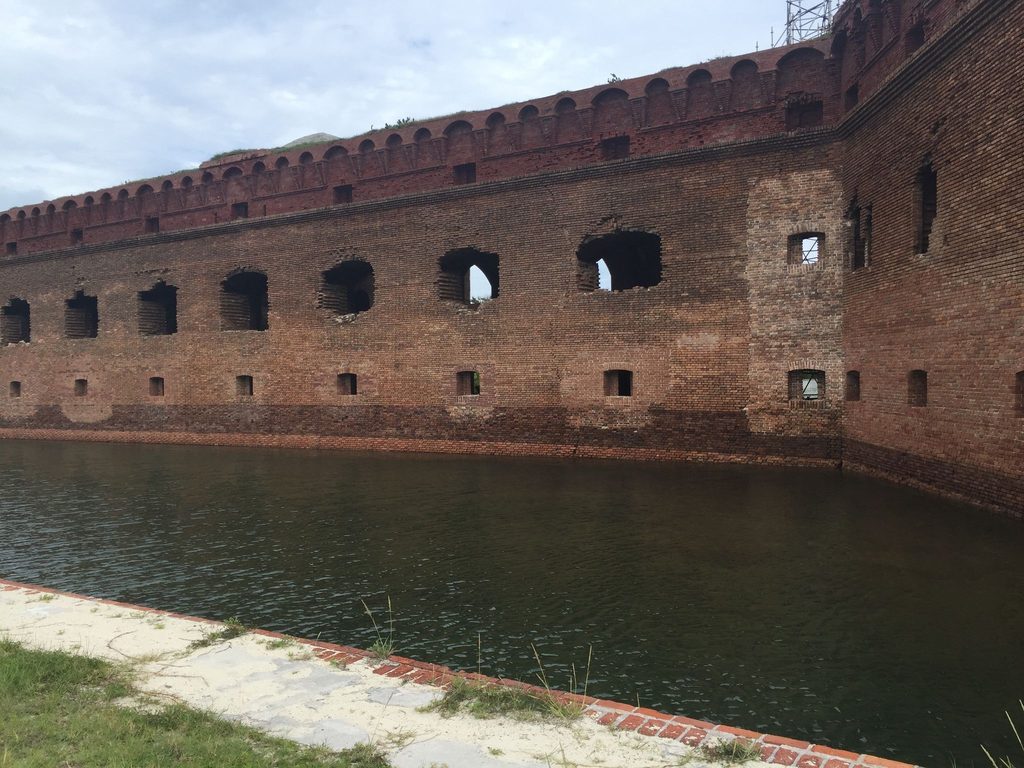
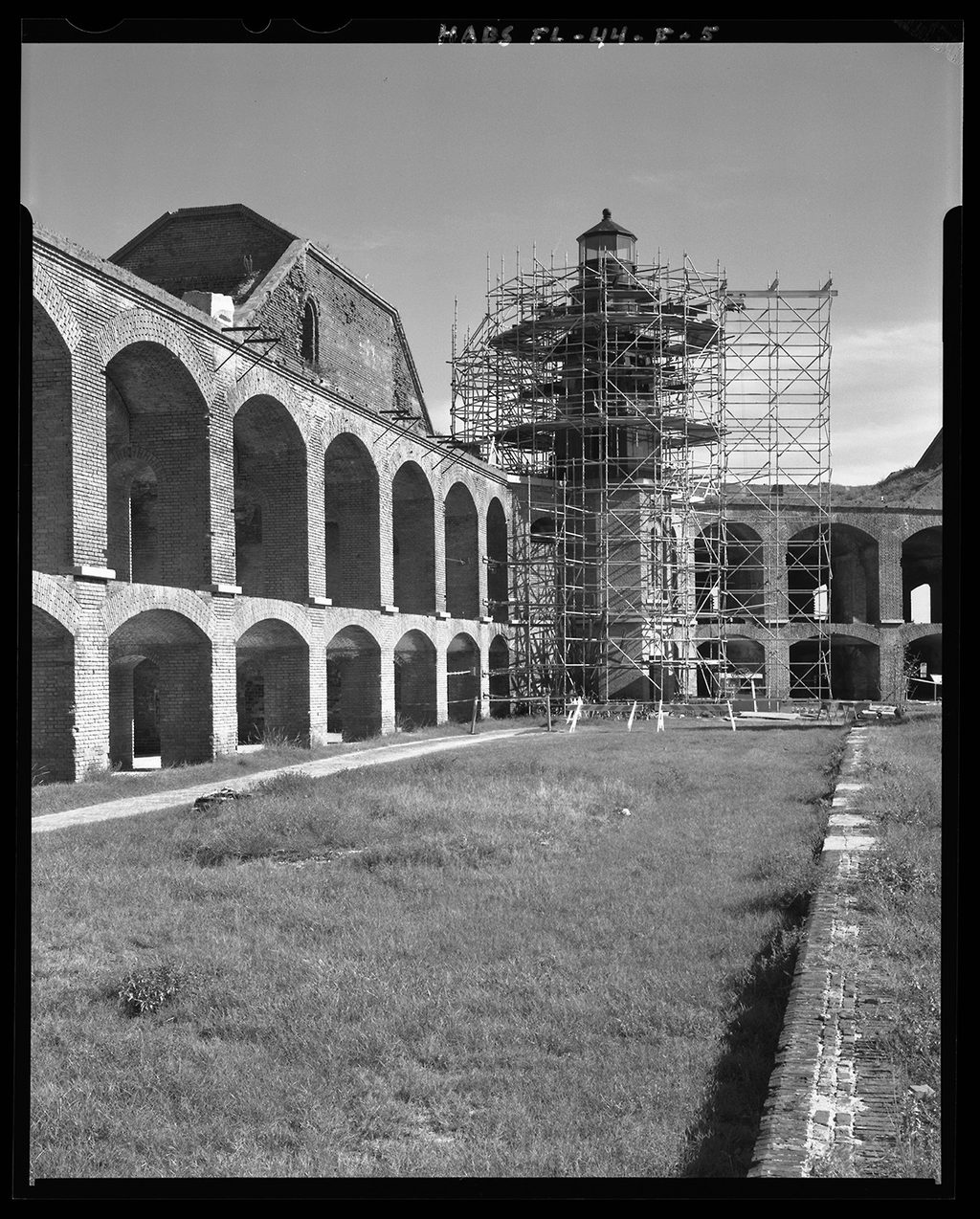
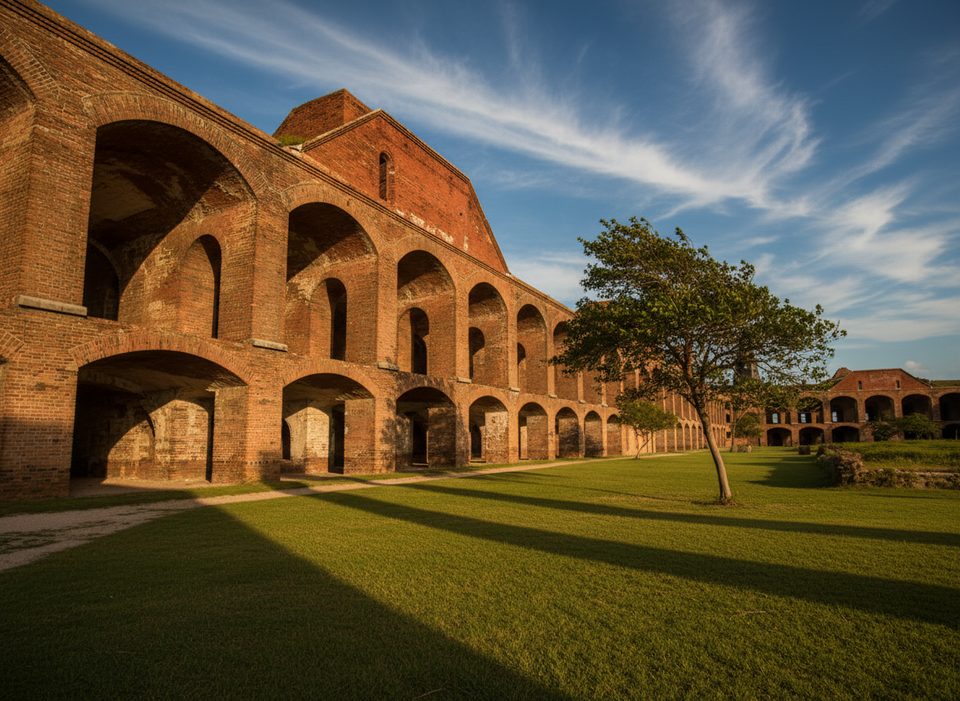
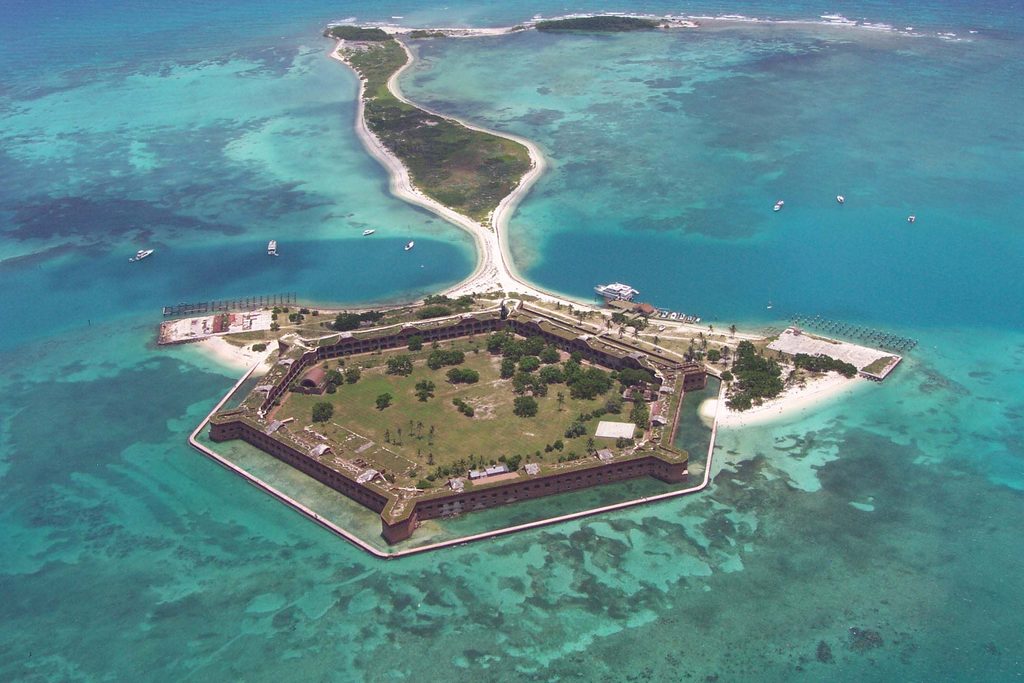
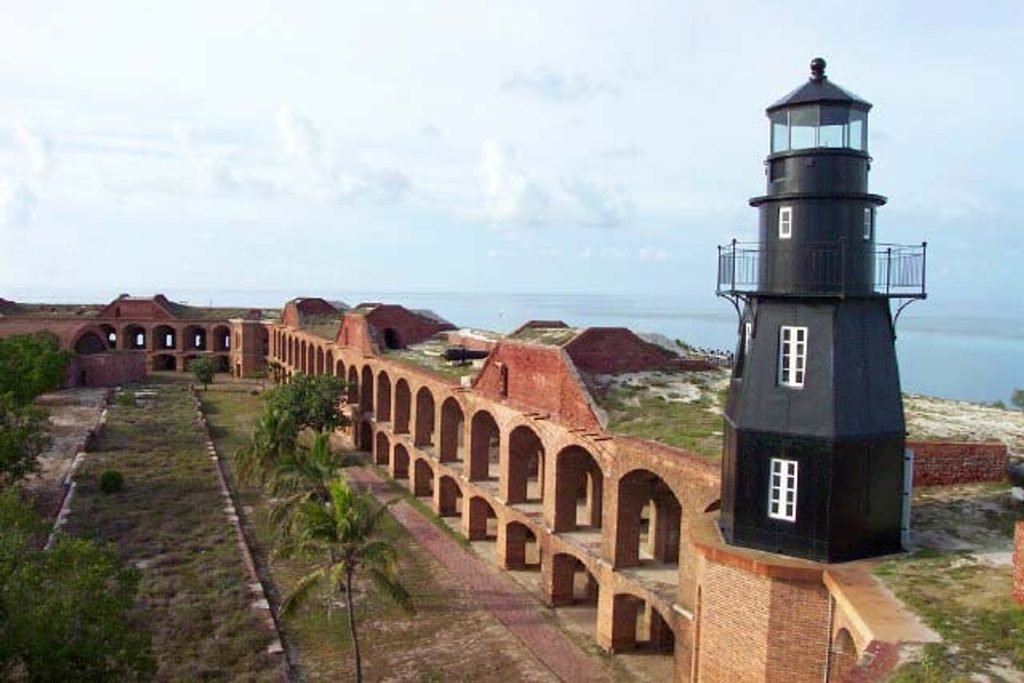
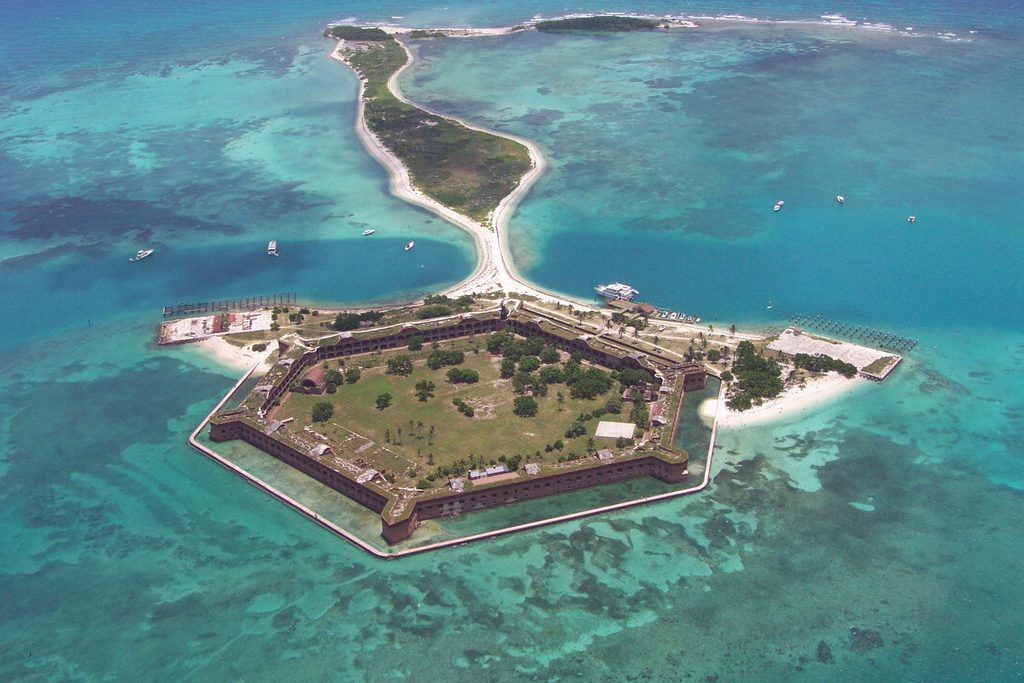
Tucked on the parade ground inside Fort Jefferson on Garden Key, the Historic Latrines spotlight how a massive, isolated 19th‑century fort handled everyday life. Built of brick and designed to use gravity and tidal action to move waste out to sea, they’re a practical marvel that helped keep a large garrison and later prisoners going in a place with no natural fresh water.
You’ll find remnants of brick latrine vaults and channels that trace how waste was directed away from living spaces. The layout is easy to read once you’re standing there, and interpretive stops or ranger commentary frequently call out the details. It’s strictly a historic feature—don’t expect modern facilities here.
In a remote outpost, self‑sufficiency wasn’t optional. These latrines are part of the fort’s core infrastructure, a window into daily routines that rarely make the headlines. They round out the story told by the ramparts, magazines, and cisterns, and they underscore how the garrison adapted to sandy, porous ground and a harsh marine environment.
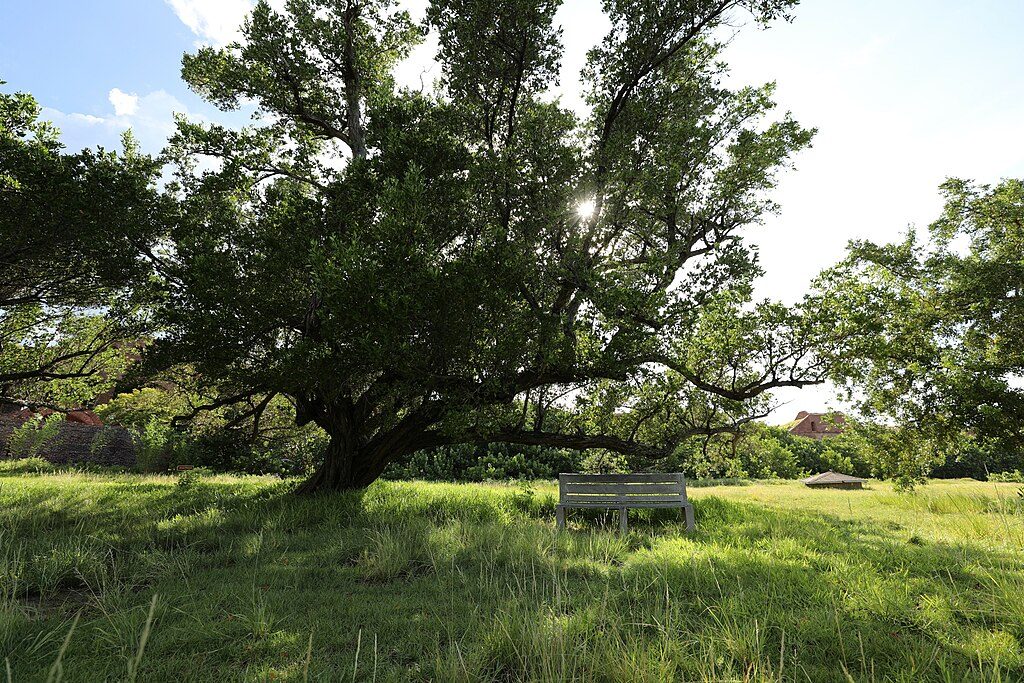
This isn’t a wildlife viewing hotspot, but you’ll likely see seabirds overhead and around the moat. Hermit crabs and small lizards frequent the fort’s nooks, and the brickwork—even near the latrines—can shelter birds in season.
Hit it early or late in the day for cooler temps and softer light as you cross the parade ground. It also pairs well with a guided tour window when a ranger is interpreting Fort Jefferson’s daily‑life infrastructure. Otherwise, fold it into your standard lap through the fort—think of it as a smart, quick stop rather than a linger‑longer destination.
Place · 0 mi away
Place · 0 mi away
Place · 0 mi away
Place · 0 mi away
Easy · 0 mi away
Easy · 0 mi away
Easy · 0.1 mi away
Easy

Parkwolf Tour Guide
