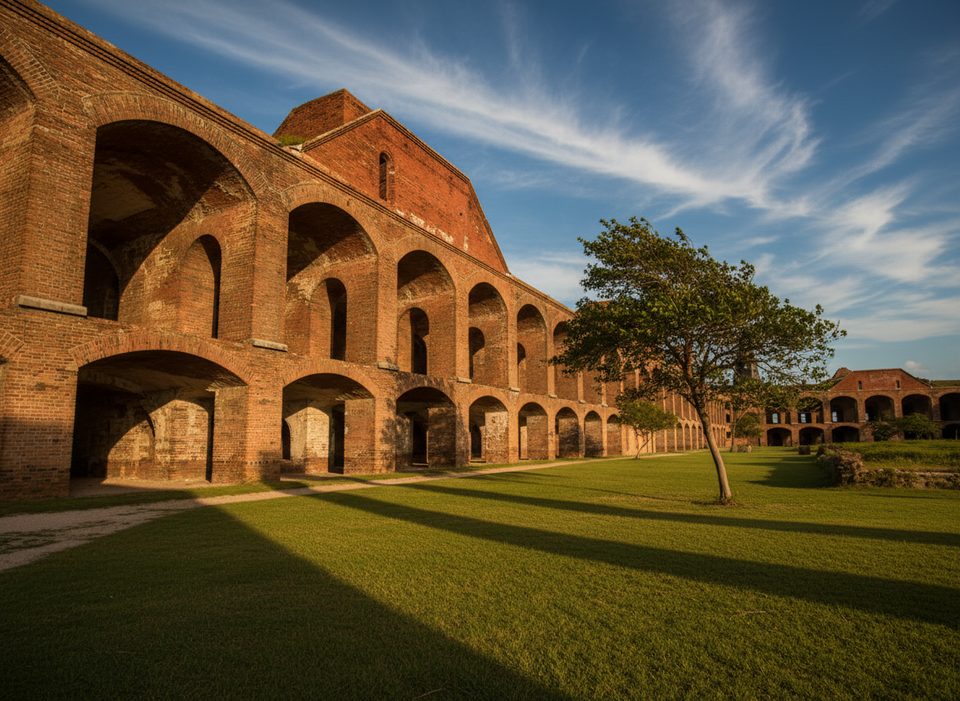
Fort Jefferson Parade Ground Bastions

Corner bastions and spiral stairs with sweeping fort views
Fort Jefferson Parade Ground Bastions, Dry Tortugas National Park
InsideDry Tortugas National Park

Overview

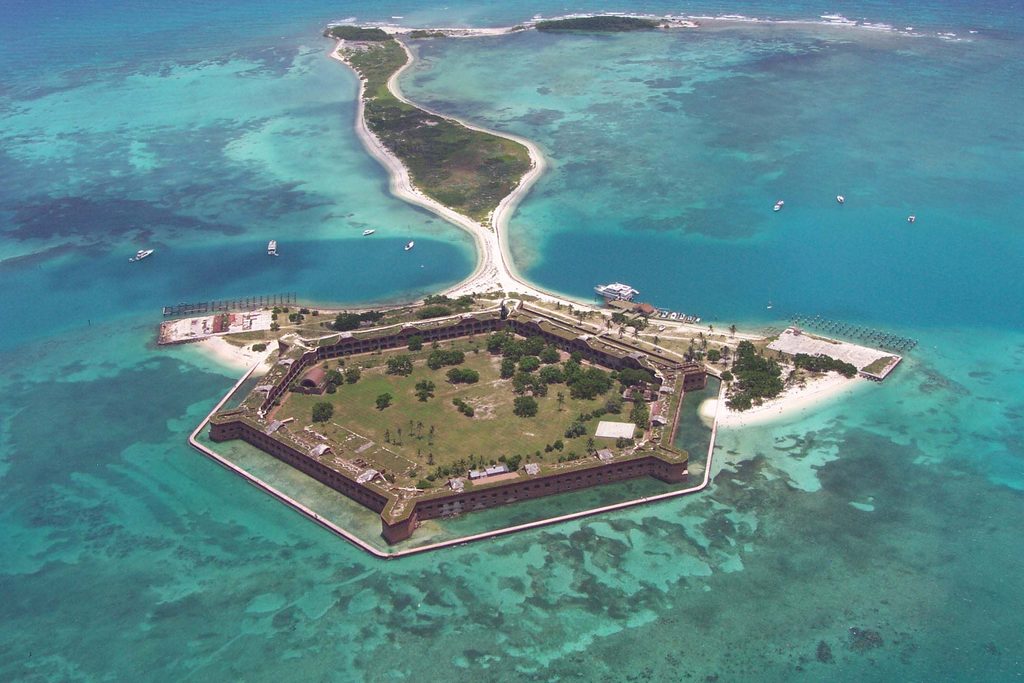
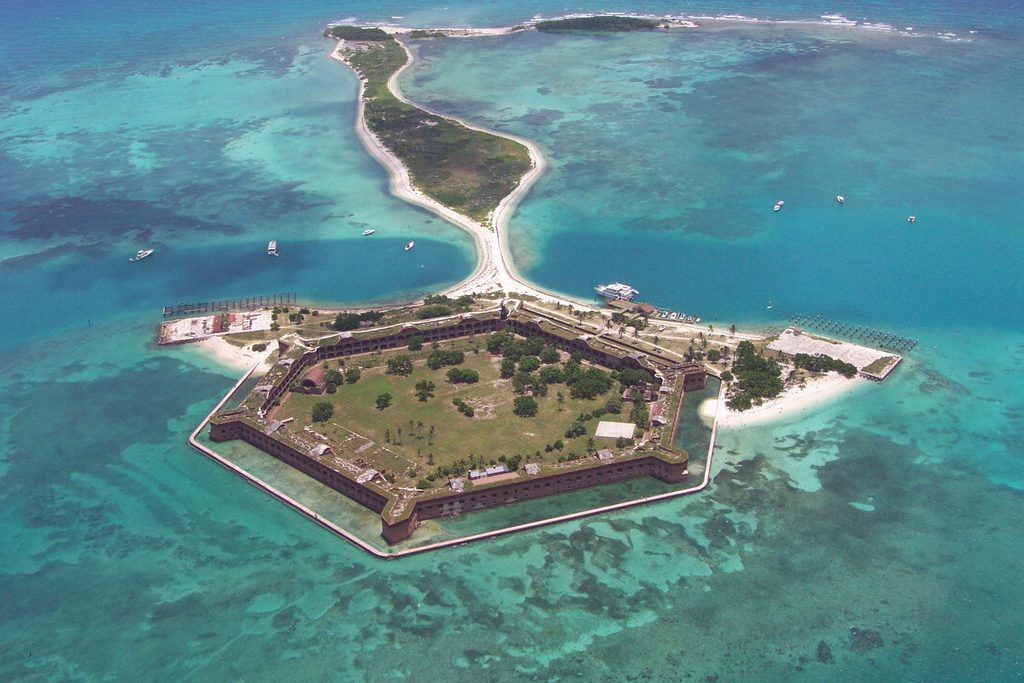
At the six corners of Fort Jefferson, the bastions frame the vast parade ground and make the fort’s purpose click into place. These outward‑projecting strongpoints let defenders sweep the walls with artillery, and today they’re the most dramatic pieces of brickwork you’ll walk through inside the fort.

What You’ll See

  • Granite spiral staircases in each bastion climb through the fort’s three tiers to the parapet—photogenic, sturdy, and a testament to the workmanship.
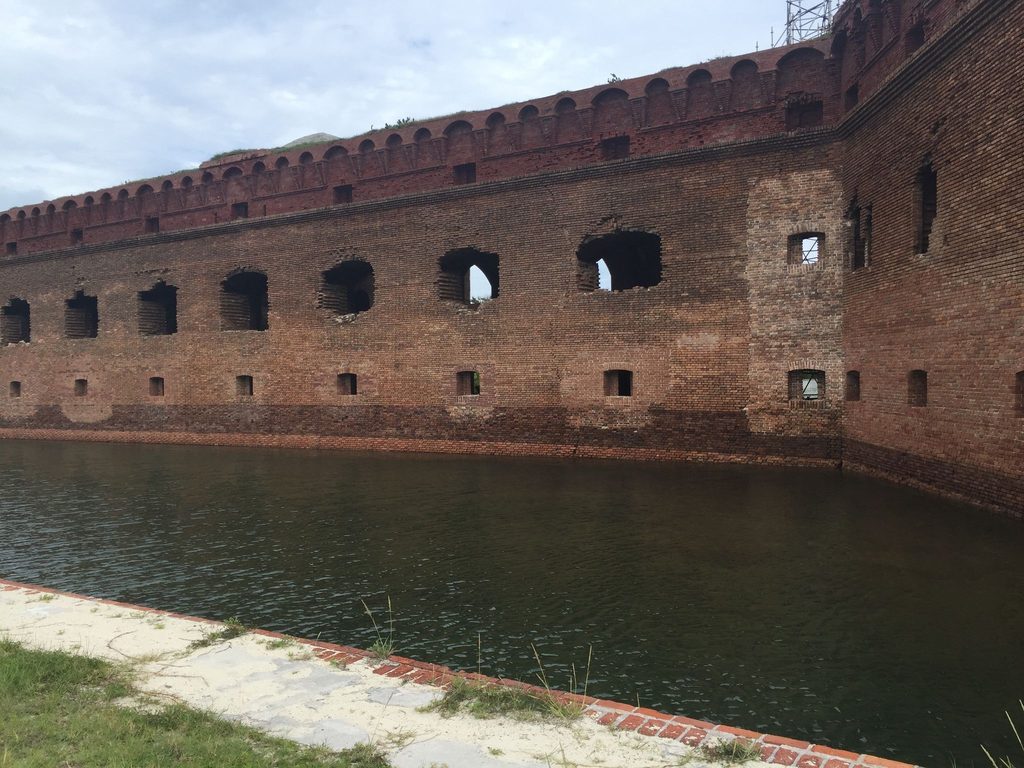
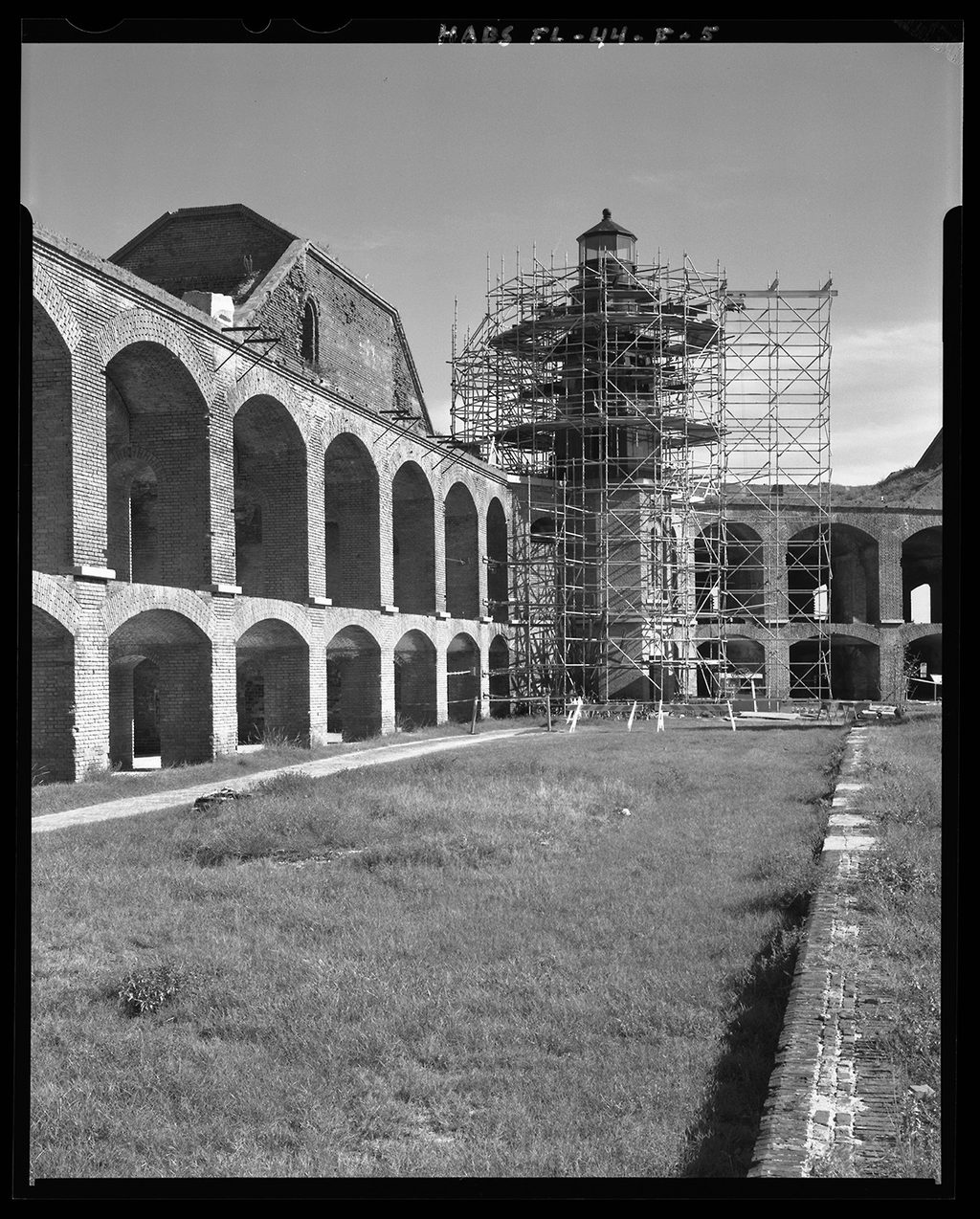
  • Casemates and embrasures line the bastions, where cannons once aimed down the faces of the walls.
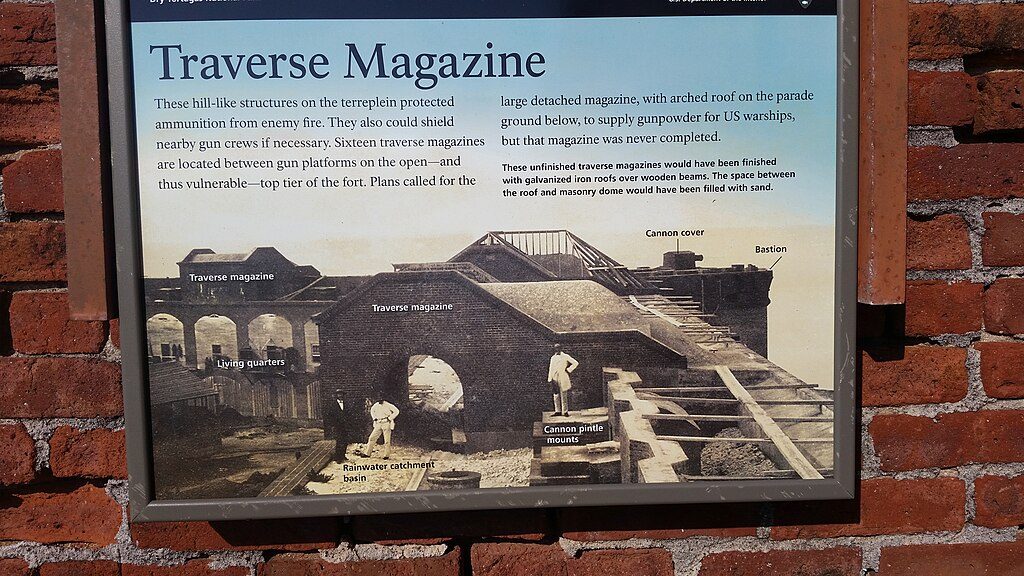
  • Powder magazines—barrel‑vaulted, shell‑resistant rooms designed under Chief Engineer Joseph Totten—some completed, some unfinished.
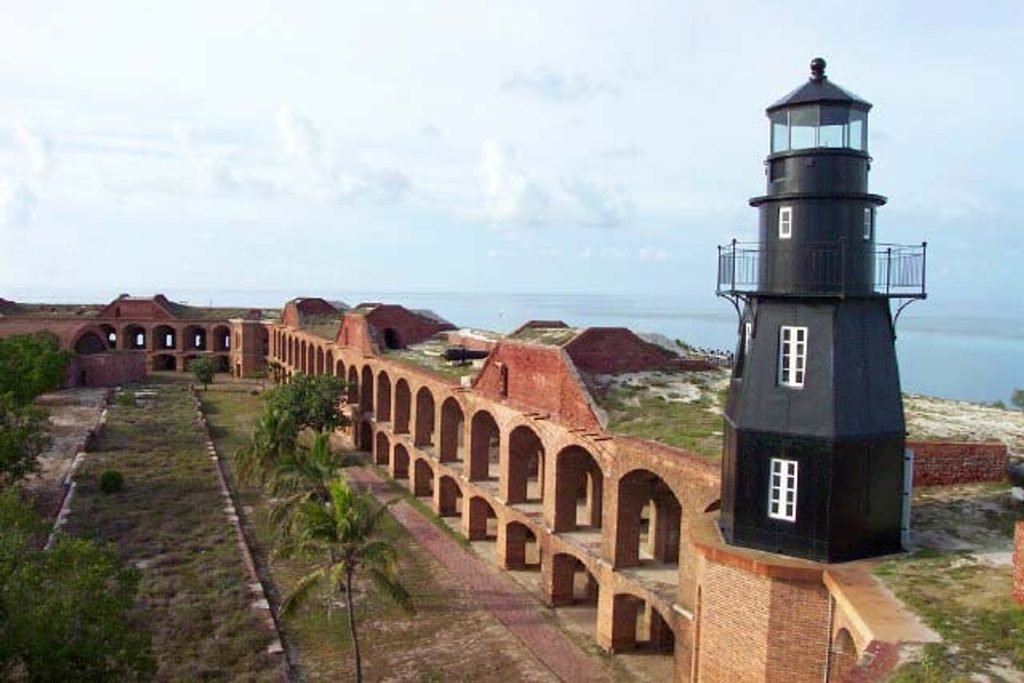
  • Across the open parade ground, look for foundations and ruins of the long‑gone barracks and detached kitchens that once filled this space.

Why It’s Unique

This is the fort’s defensive brain at work: six massive corners tied into a munitions network, built from more than 16 million handmade bricks. Hurricanes battered the interiors over the years, but the scale and engineering remain jaw‑dropping.

Wildlife

The parade ground and walls draw passing seabirds—terns, noddies, and their friends. You might spot lizards and insects around the masonry, but most wildlife action is along the moat and beaches.

Best Time to Visit

Early morning or late afternoon brings softer light for photos and cooler temps on the exposed bricks. The area is open year‑round and forms the core of most self‑guided walks.

Good to Know

  • Some interiors and ruins may be closed for safety; respect barriers.
  • Surfaces are uneven and the stairs are historic—wear sturdy shoes.
  • There are no services inside the bastions or on the parade ground; bring water and sun protection.

Quick History Snapshot

Construction began in the mid‑1800s to control one of the hemisphere’s busiest sea lanes. The bastions’ magazines use innovative, shell‑proof designs of their era, and the spiral stairs—cut from Vermont granite—tie the whole vertical labyrinth together.

Pros

  • Granite spiral stairways connect tiers for sweeping views
  • Historic magazines and casemates showcase 19th‑century engineering

Cons

  • Very exposed with little shade; it gets hot
  • No on‑site amenities like water or restrooms

Tips

  • Climb a bastion’s granite spiral stairs for the best perspectives.
  • Bring plenty of water and sun protection—the parade ground bakes.
  • Wear sturdy shoes; expect uneven bricks, steps, and low light in magazines.
  • Shoot early or late for warm light on the arches and casemates.
  • Some interiors are closed for safety—follow signs and barriers.
The Parkwolf tour guide sitting on a phone mounted in a car

Parkwolf Tour Guide

Like a tour guide in your car.

Save the places you found around Dry Tortugas, then let Parkwolf guide the drive between them.Download Parkwolf on the App Store