
Place · 1.7 mi away
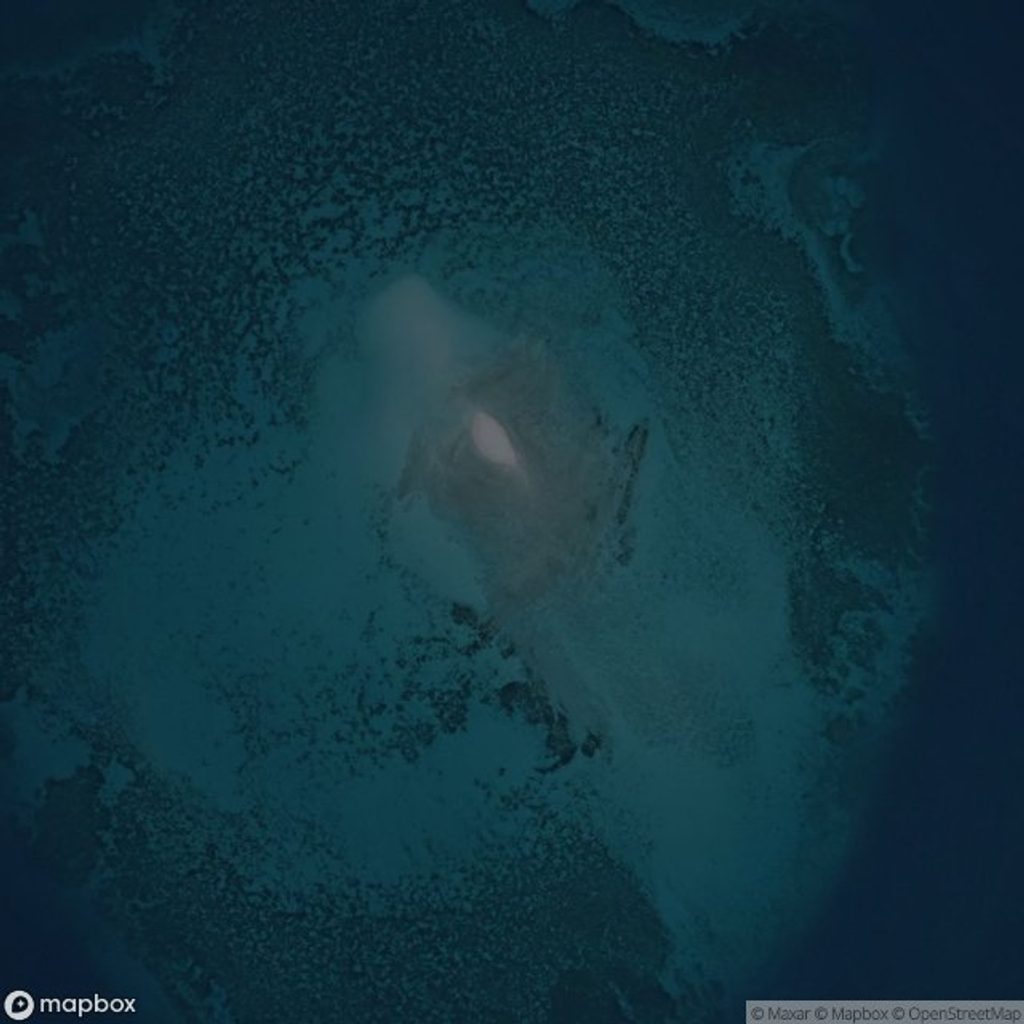
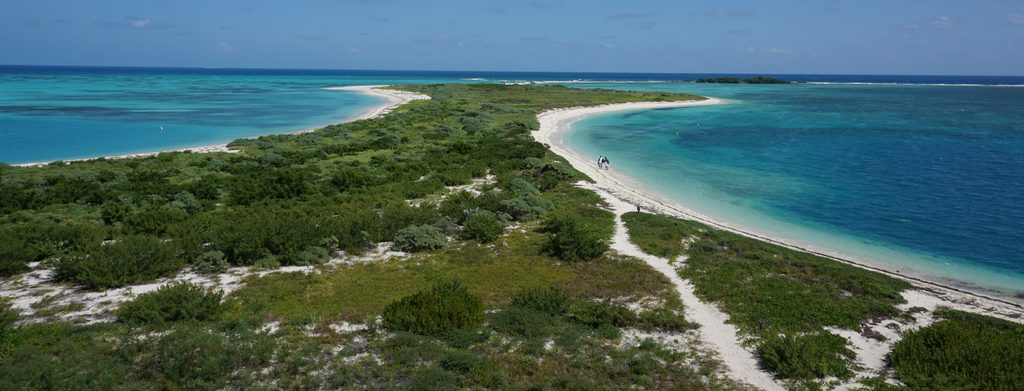
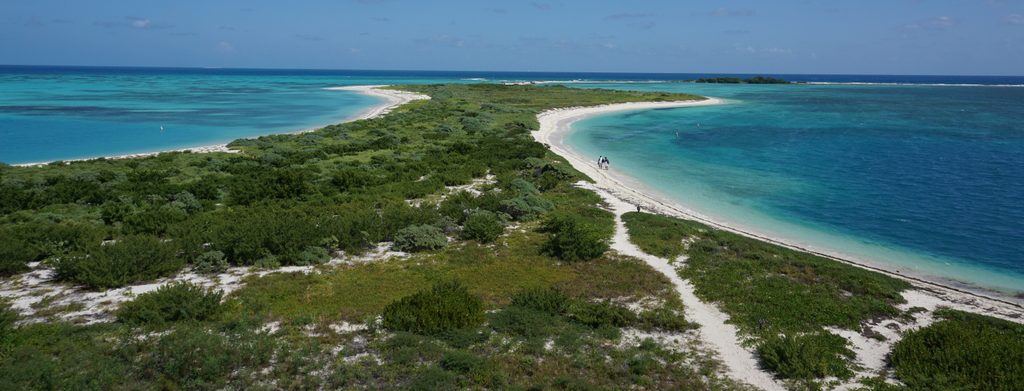
Hospital Key is a tiny, low-lying islet in the Dry Tortugas—more a sandy speck than a destination—known for its role as a 19th‑century quarantine site for Fort Jefferson. It’s remote, undeveloped, and rarely visited, which is precisely why it appeals to history buffs and solitude seekers.
Don’t expect obvious ruins. Any remnants of the hospital era are sparse at best, with much lost to erosion and submersion over time. What you do get is a stark stretch of sand, turquoise water, and the feel of a place that nature is constantly reshaping. Keep an eye on the surrounding waters for seabirds and passing marine life.
In the 1870s, this little island was used to isolate the sick from crowded Fort Jefferson during disease outbreaks. That history adds a somber layer to an otherwise tranquil patch of sand—part cultural resource, part living lesson in how fragile these keys are.
There’s no public ferry or regular tour stop here. Reaching Hospital Key requires a private vessel and careful navigation of shoals. Activity zones and closures in the surrounding waters and on the key can change; plan your visit around the park’s current marine-use rules and only land or anchor where allowed.
While not the park’s headline bird rookery, the surrounding waters and skies can be lively: seabirds overhead, fish below, and the occasional turtle. The allure here is more about quiet observation than guaranteed sightings.
Whenever conditions, regulations, and your plans align. Aim for a day with calm seas, and avoid weekends if you want maximum solitude. There’s no shade, so early or late daylight is more comfortable and kinder for photos.
There are zero amenities—no water, no restrooms, no shelter—so arrive fully self-sufficient. Treat the site as the protected cultural resource it is: don’t disturb the ground, collect artifacts, or step on fragile dune areas. Erosion is ongoing, so expect the island’s shape and size to be different than on any map.
Place · 1.7 mi away

Place · 1.7 mi away
Place · 1.7 mi away
Place · 1.8 mi away
Easy · 1.8 mi away
Easy · 1.8 mi away
Easy · 1.9 mi away
Easy

Parkwolf Tour Guide
