Place · 0.2 mi away

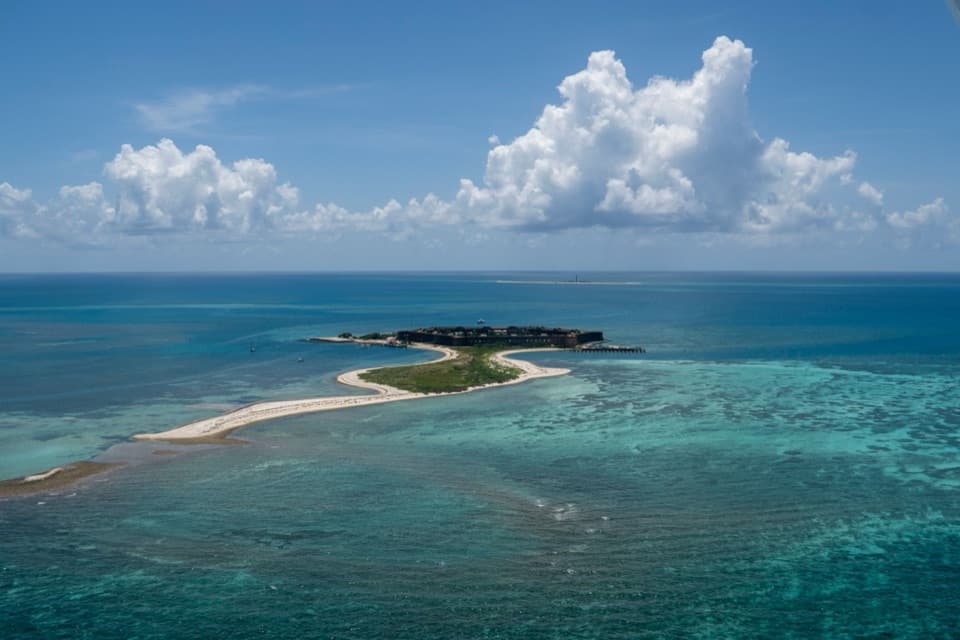
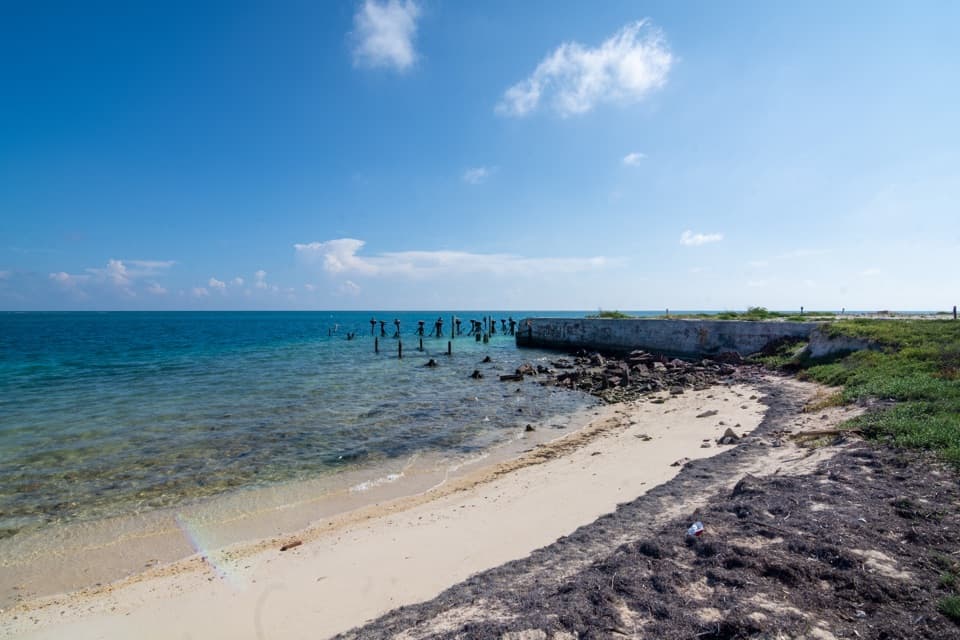
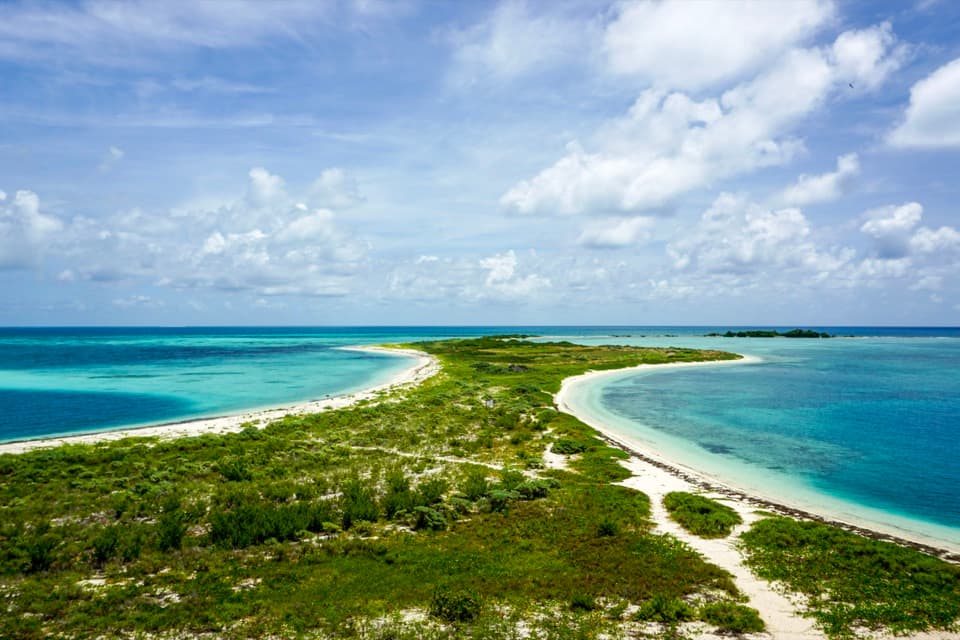
Just east of Garden Key and Fort Jefferson, Bush Key is a low, sandy island shaped by wind and tides. A shifting sandbar sometimes links it to Garden Key, letting you walk over when conditions cooperate. Small (roughly a few dozen acres) and less than three feet above sea level, it changes shape after storms. Once called Hog Island—when it supplied food for soldiers and prisoners—it’s now protected primarily for wildlife.
Bush Key hosts the only significant U.S. breeding colonies of sooty terns and brown noddies. In peak season, tens of thousands of birds pack the island. That’s why it’s closed for nesting most of the year to give seabirds space to breed successfully.
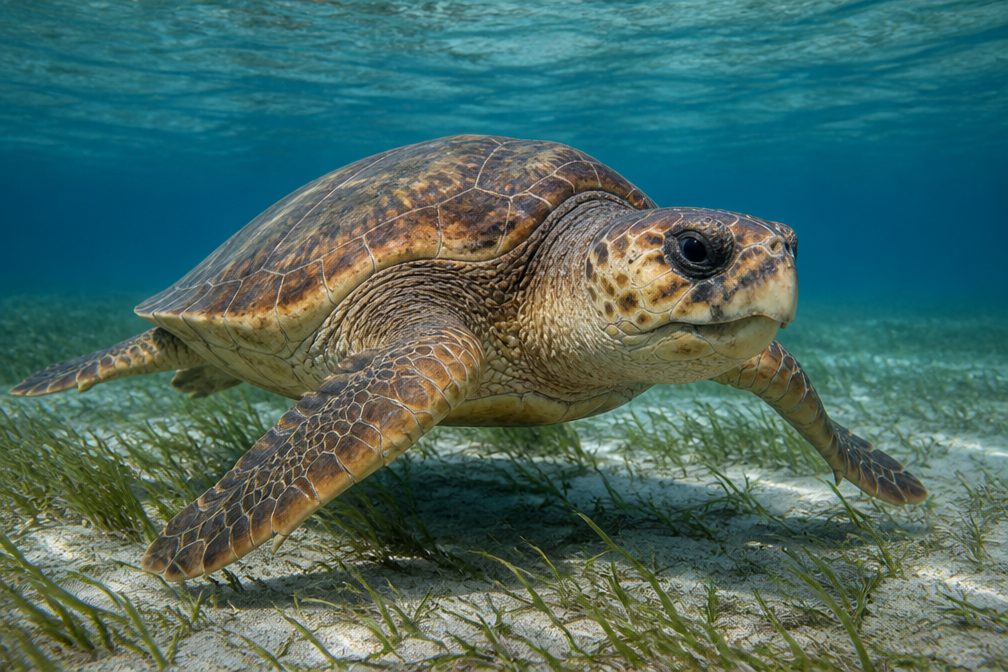
From February through September, the island is a nursery for sooty terns and brown noddies, with frigatebirds, pelicans, and cormorants often in the mix. The beaches also serve as nesting habitat for green and loggerhead sea turtles. Outside nesting season, you’ll still see plenty of seabirds overhead and along the waterline.
When open (typically October–January), you can walk a mellow, roughly 1‑mile shoreline loop. The sandbar connection can appear, disappear, or shift—plan for variability. It’s a strictly protected area: no swimming, no fishing, and no collecting (yes, even shells and coral fragments stay put). There are no facilities of any kind—no water, food, restrooms, or shade structures—so come self‑sufficient.
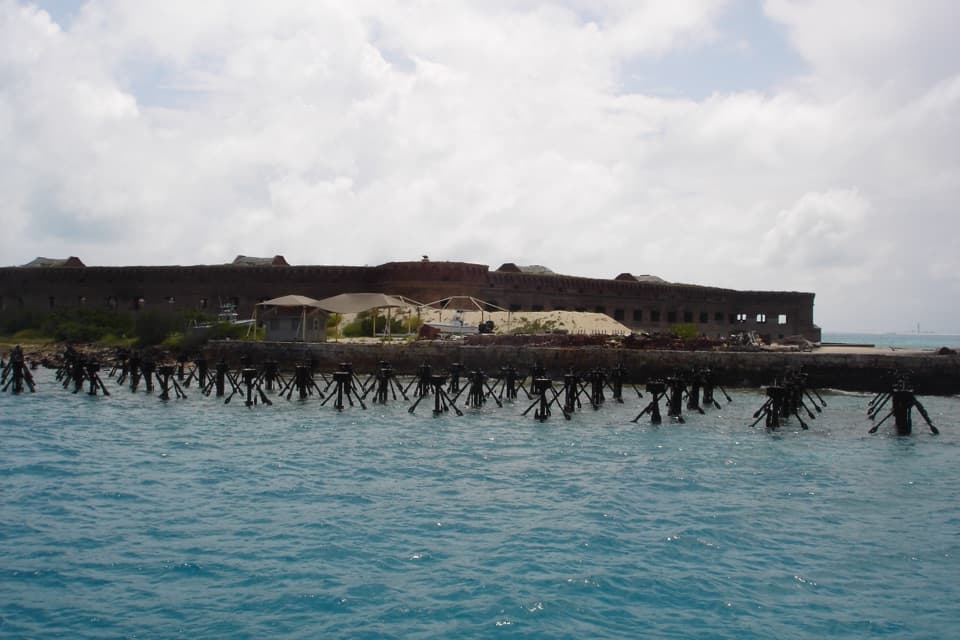
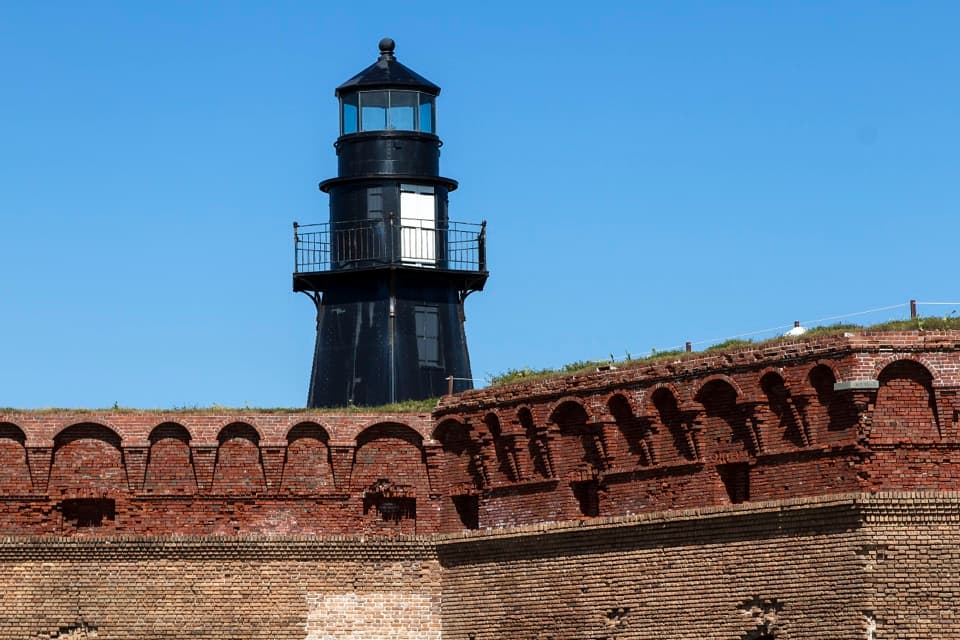
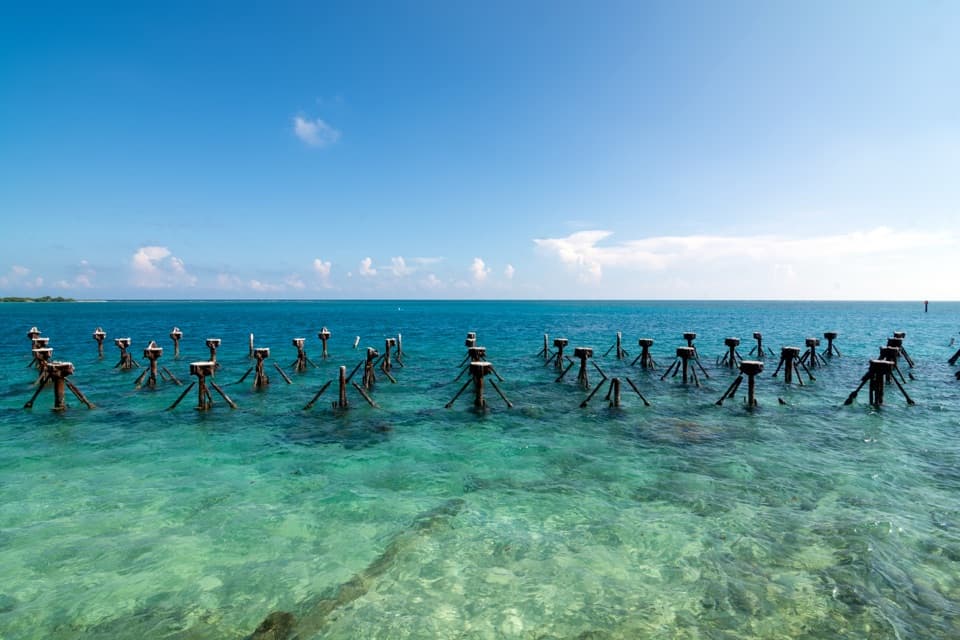
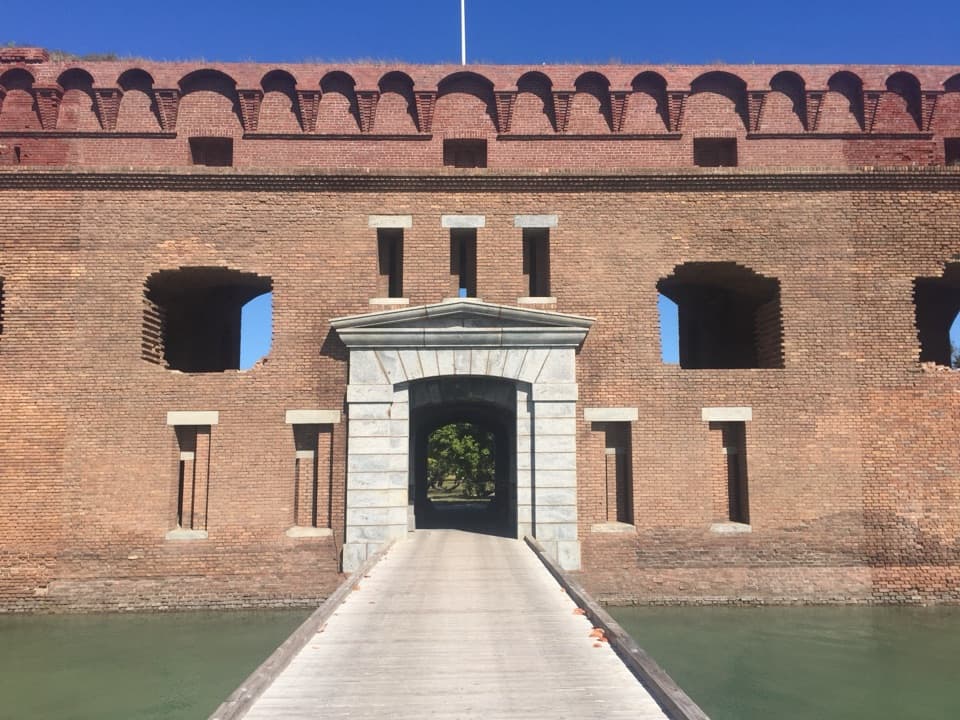
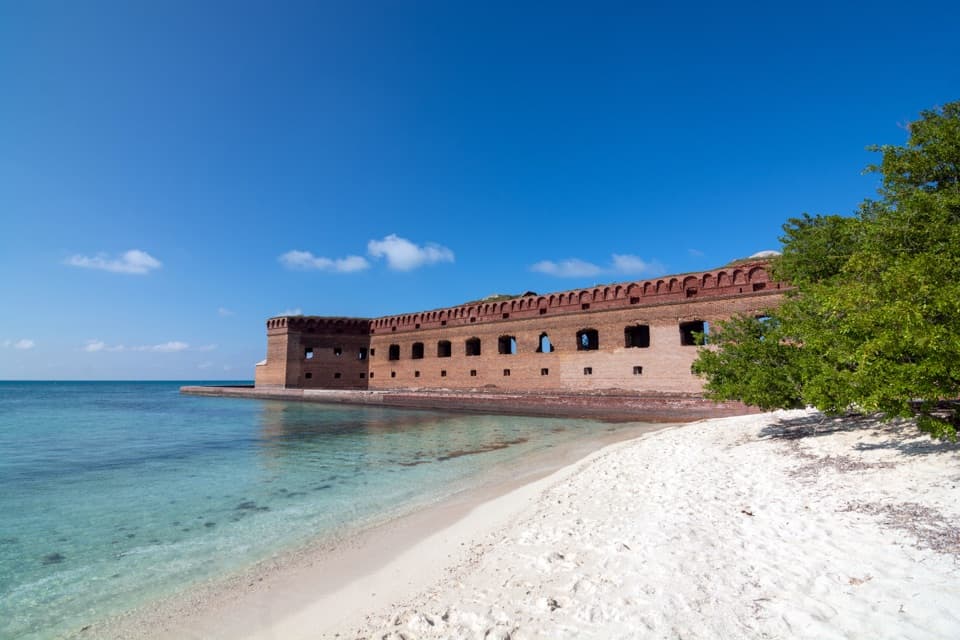
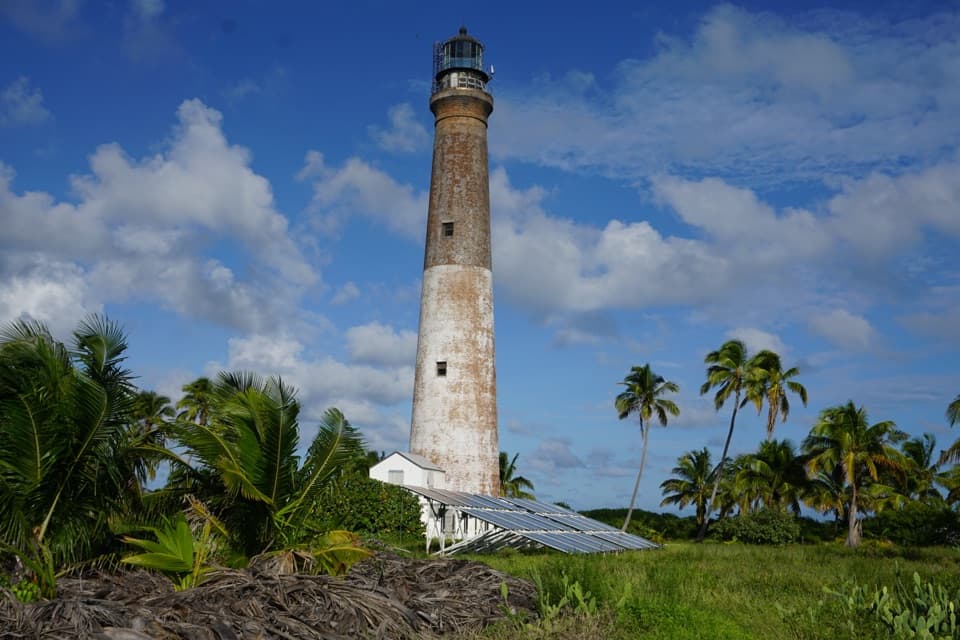
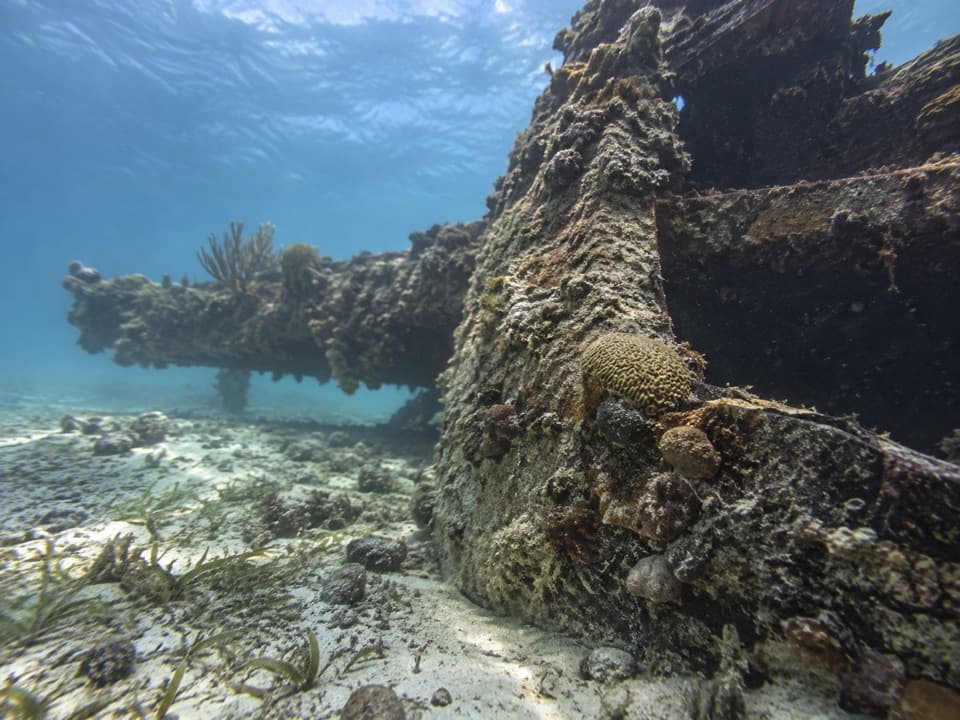
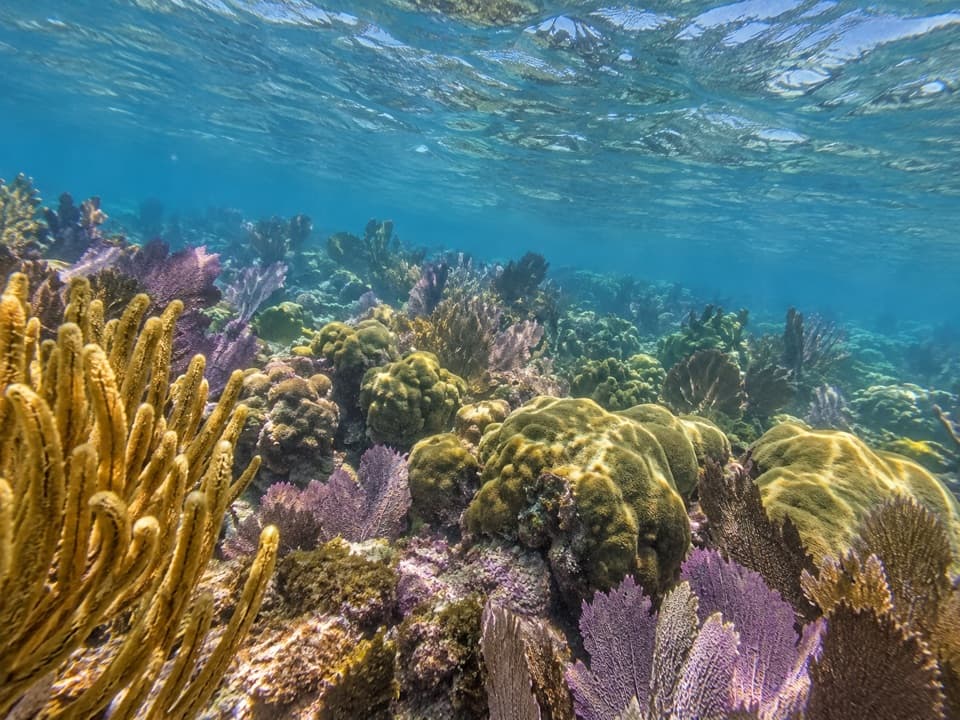
Expect sweeping views back to Garden Key and Fort Jefferson, clear shallows, and beaches strewn with natural flotsam like coral fragments. The vibe is quiet and wild—more about birdlife and coastal scenery than lounging or snorkeling.
Aim for the open window outside nesting season—roughly October through January. Go early or late in the day for softer light and fewer people off the ferry. Always check current conditions; storms and tides can submerge the sandbar or temporarily change access.
Bring plenty of water, sun protection, a camera, and binoculars. Treat the island like the wildlife sanctuary it is: stay on the shoreline, give birds space, and leave everything you find.