
Place · 0.1 mi away
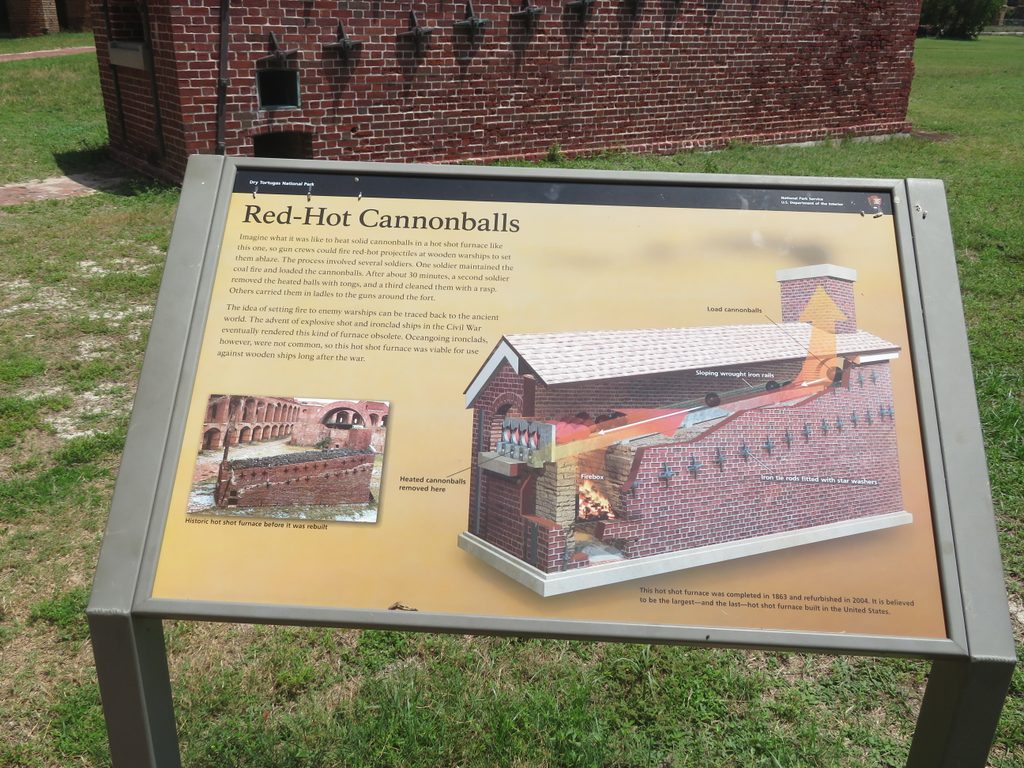
Tucked inside Fort Jefferson on Garden Key, the Hot Shot Furnace is a striking brick relic from the age of wooden warships. Soldiers heated cannonballs here until they glowed red, then fired them to ignite enemy vessels—simple, brutal, and effective. It’s an eye‑catching piece of 19th‑century engineering that adds real texture to a walk through the fort.
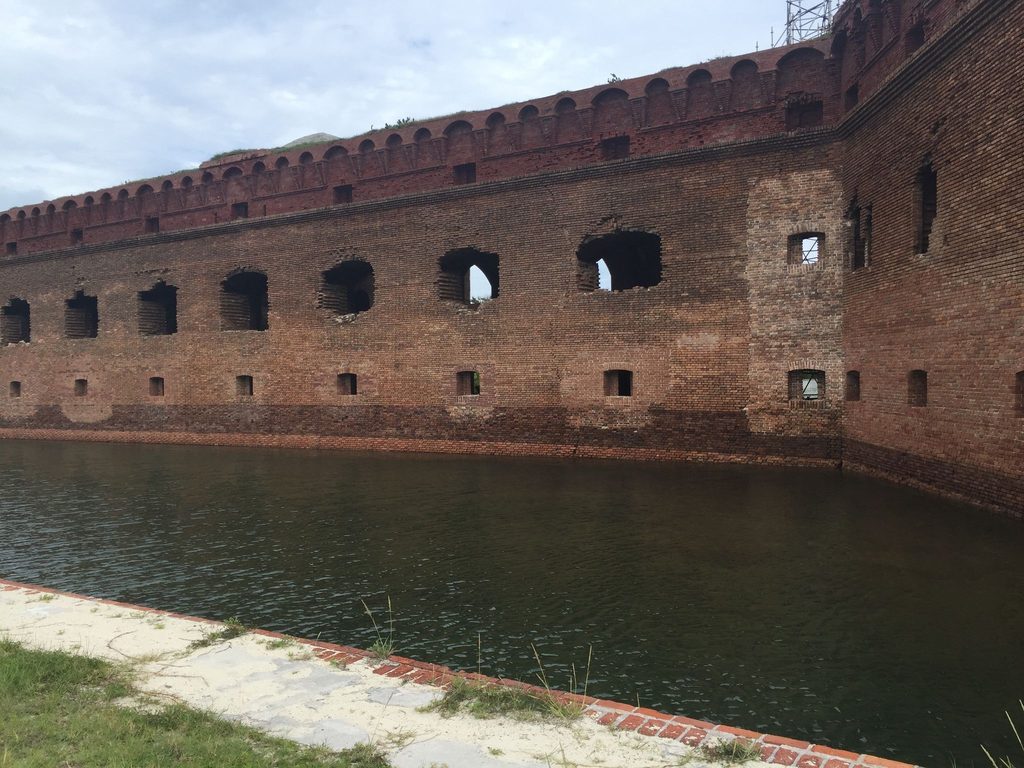
You’ll find a robust, arched brick structure on the parade ground—a purpose‑built “oven” for superheating iron shot. Expect clean brick lines, multiple arches, and a design that makes immediate sense once you know its job. It’s an easy photo stop and, according to visitors, a surprisingly nice vantage point for moat and shoreline shots.
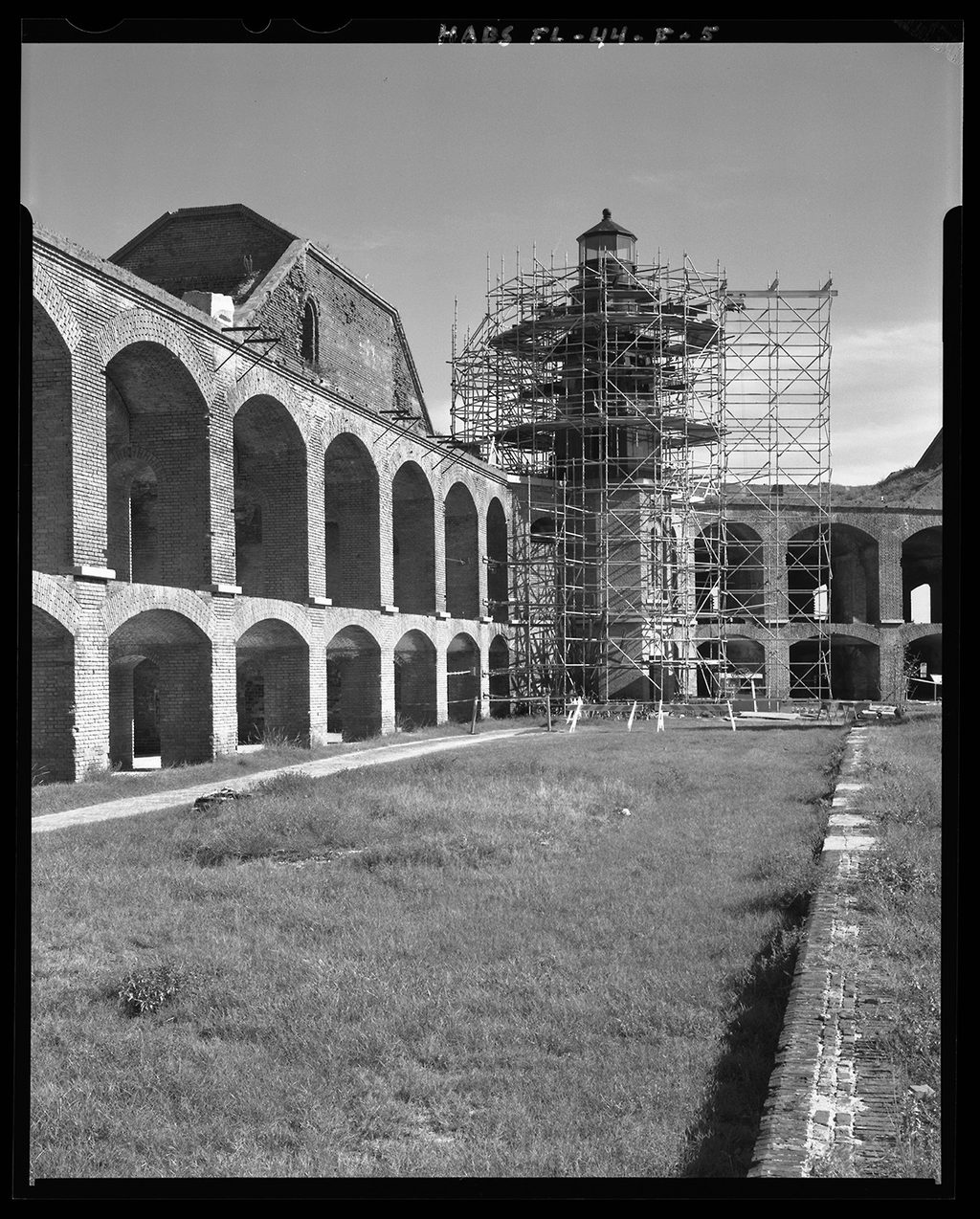
This furnace is a documented historic feature of Fort Jefferson and has been recorded by the Library of Congress’ Historic American Buildings Survey, underscoring its significance within the fort’s defensive system. It’s the kind of artifact that turns the fort from a scenic shell into a tangible story of how coastal defense actually worked here.
Built during the Civil War era for one job—turn cold iron into ship‑killing “hot shot.” The fort’s broader military story and maritime setting explain why features like this were essential on such a remote outpost. Ongoing preservation is a constant battle in the salt, sun, and storms of the Dry Tortugas, which makes the furnace’s condition all the more impressive.
There are no facilities at the furnace. Restrooms are not inside the fort; composting toilets are elsewhere on Garden Key, and when the day‑ferry is docked, passengers use the ferry restrooms. Bring water, sun protection, and curiosity. A ranger‑led tour (when offered) adds great context; otherwise, plan a slow lap of the parade ground and read any interpretive signs you encounter inside the fort.
Midday is typically when day‑trippers arrive, so it’s the busiest and hottest window. If possible, swing by in the morning or late afternoon for cooler temps and gentler light on the brickwork. There’s little shade here, so avoid lingering under the noon sun.
This isn’t a wildlife stop, but you’re in a park famed for seabirds and marine life. Save your birding and snorkeling for outside the fort; come to the furnace for the history.
Place · 0.1 mi away
Place · 0.1 mi away
Place · 0.1 mi away
Place · 0.1 mi away
Easy · 0.1 mi away
Easy · 0.1 mi away
Easy · 0.2 mi away
Easy

Parkwolf Tour Guide
