
Place · 0.6 mi away
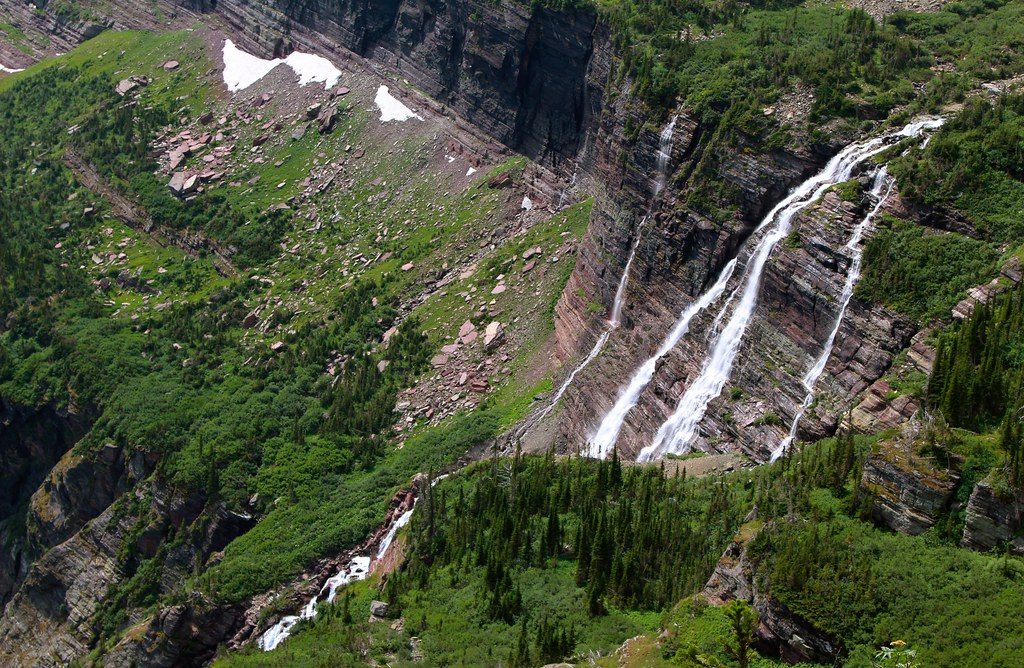
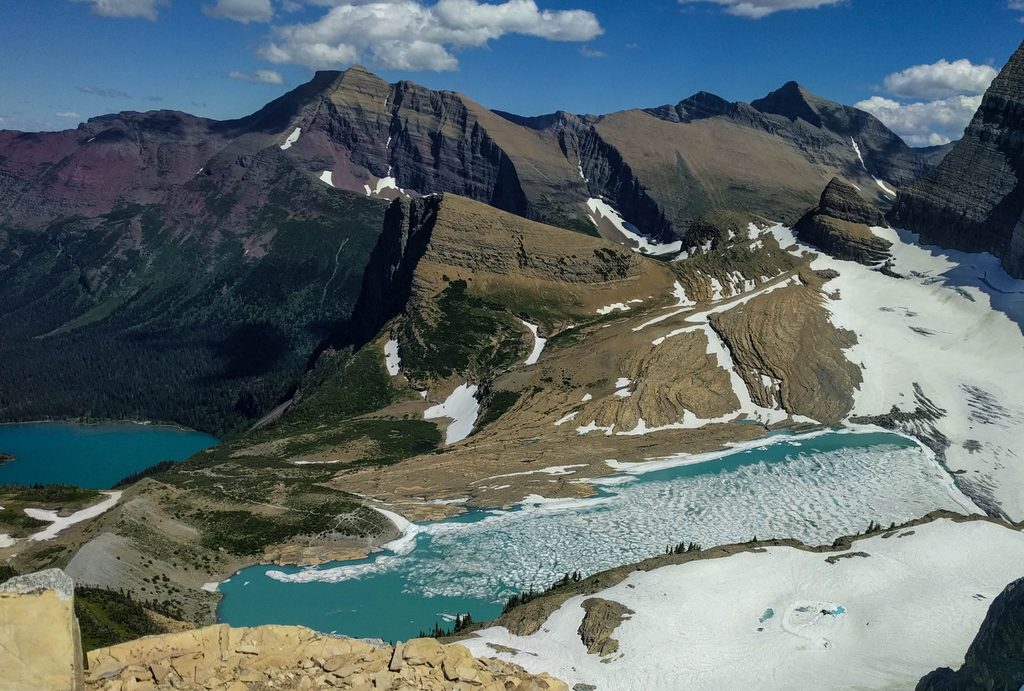
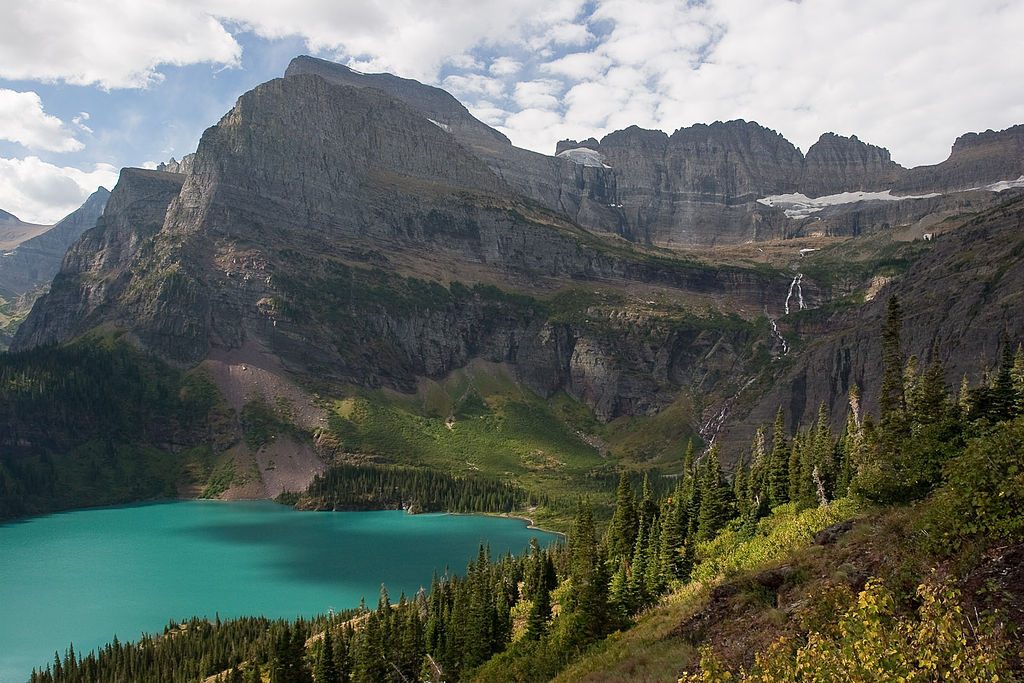
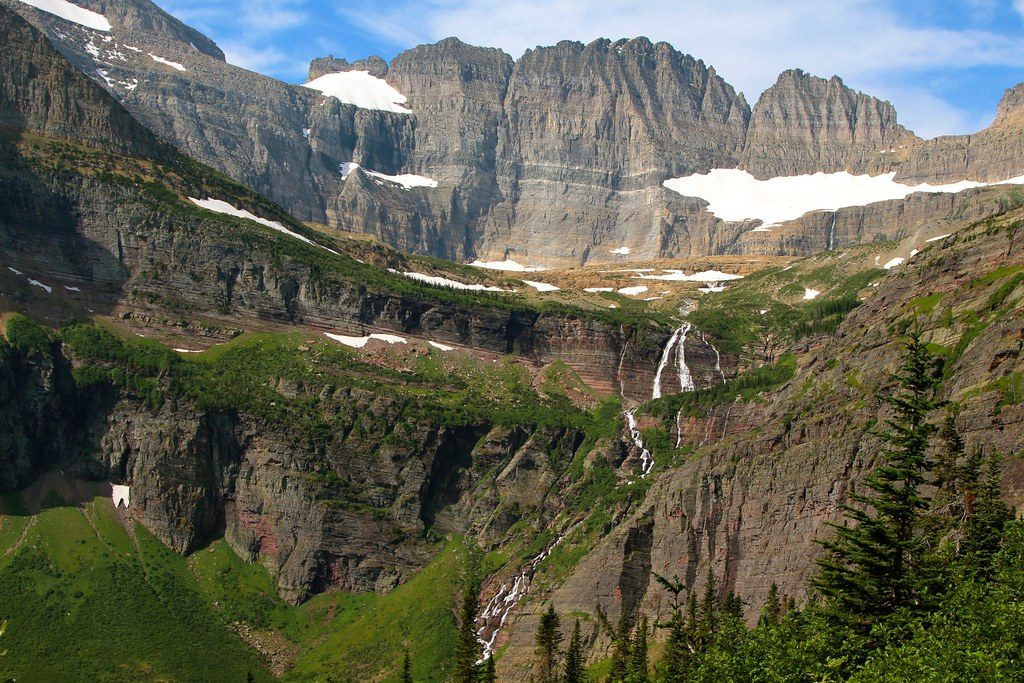
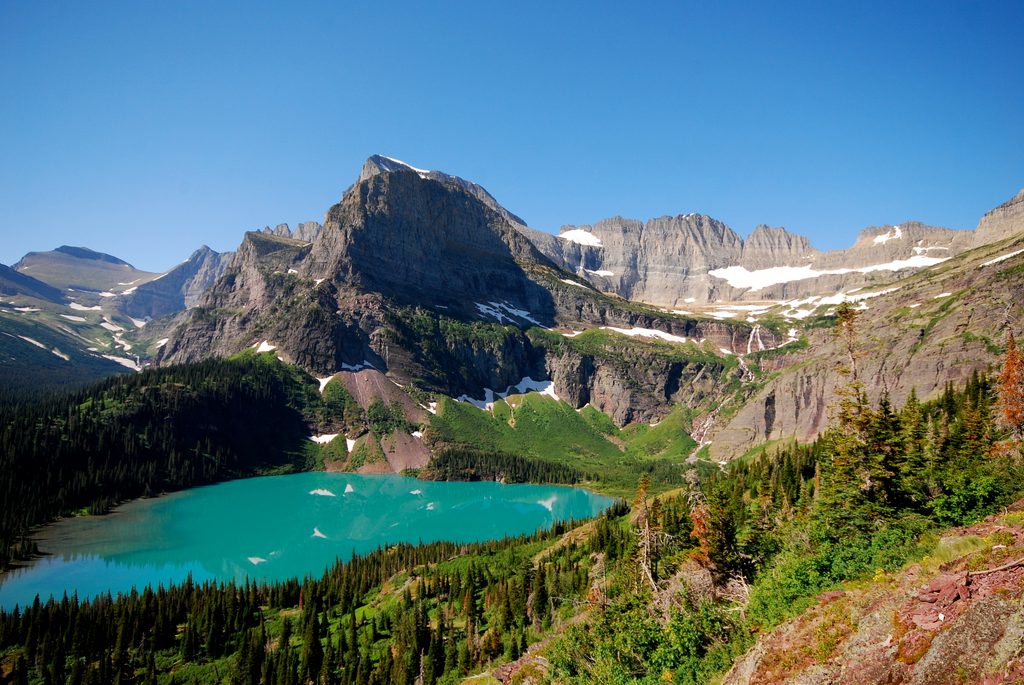
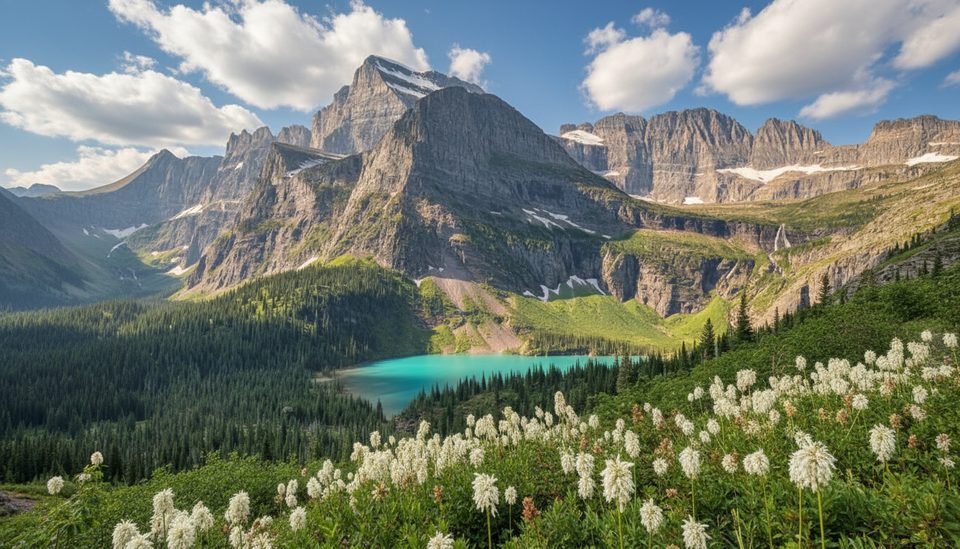
Grinnell Falls is the dramatic, glacier-fed cascade you’ll spy tumbling into vivid turquoise Grinnell Lake, framed by the Garden Wall and the remnants of Grinnell and Salamander Glaciers above. It’s a head-turner from multiple points along the Grinnell Glacier Trail, with an estimated drop around 280 feet. Expect classic Glacier scenery: teal lakes, striped cliffs, and a waterfall soundtrack the whole way.
This sits in the Many Glacier area, which has special rules in 2025. From July 1 to September 21, there is no general public vehicle access into Many Glacier; instead, the park is running a temporary Day Hiker Shuttle to reach the valley. Hiking or biking the road won’t be allowed during that window. Tickets are limited and must be secured in advance. Also note: Swiftcurrent Motor Inn, Many Glacier Campground, and all trailhead parking in the Swiftcurrent area are closed through mid-May 2026. The Many Glacier Ranger Station is closed for 2025, and all waters in the valley are closed to private personal watercraft for the season. Park information and trail updates will be available at Many Glacier Hotel.
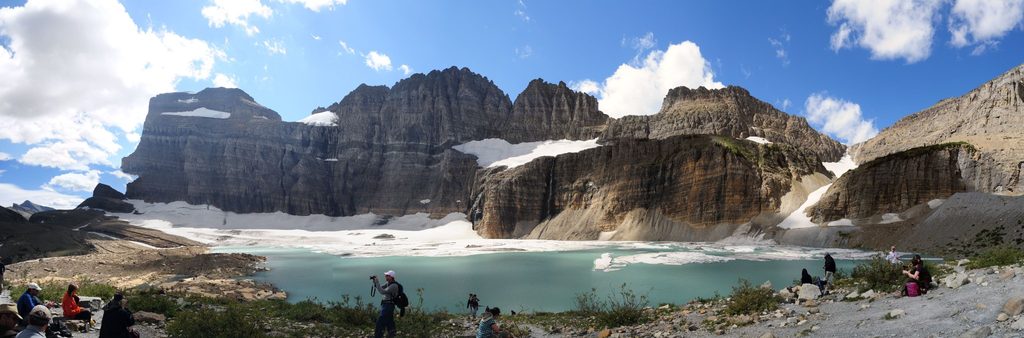
As you climb above Swiftcurrent and Josephine, the views open up to Grinnell Lake and its signature waterfall pouring in below. Higher up, you’ll spot the thin sheet of Salamander Glacier perched above the basin and the ice-chilled waters of Upper Grinnell Lake near the trail’s end. Early summer often adds small spillovers along the cliffs that the trail cuts across—wet feet and great photos.
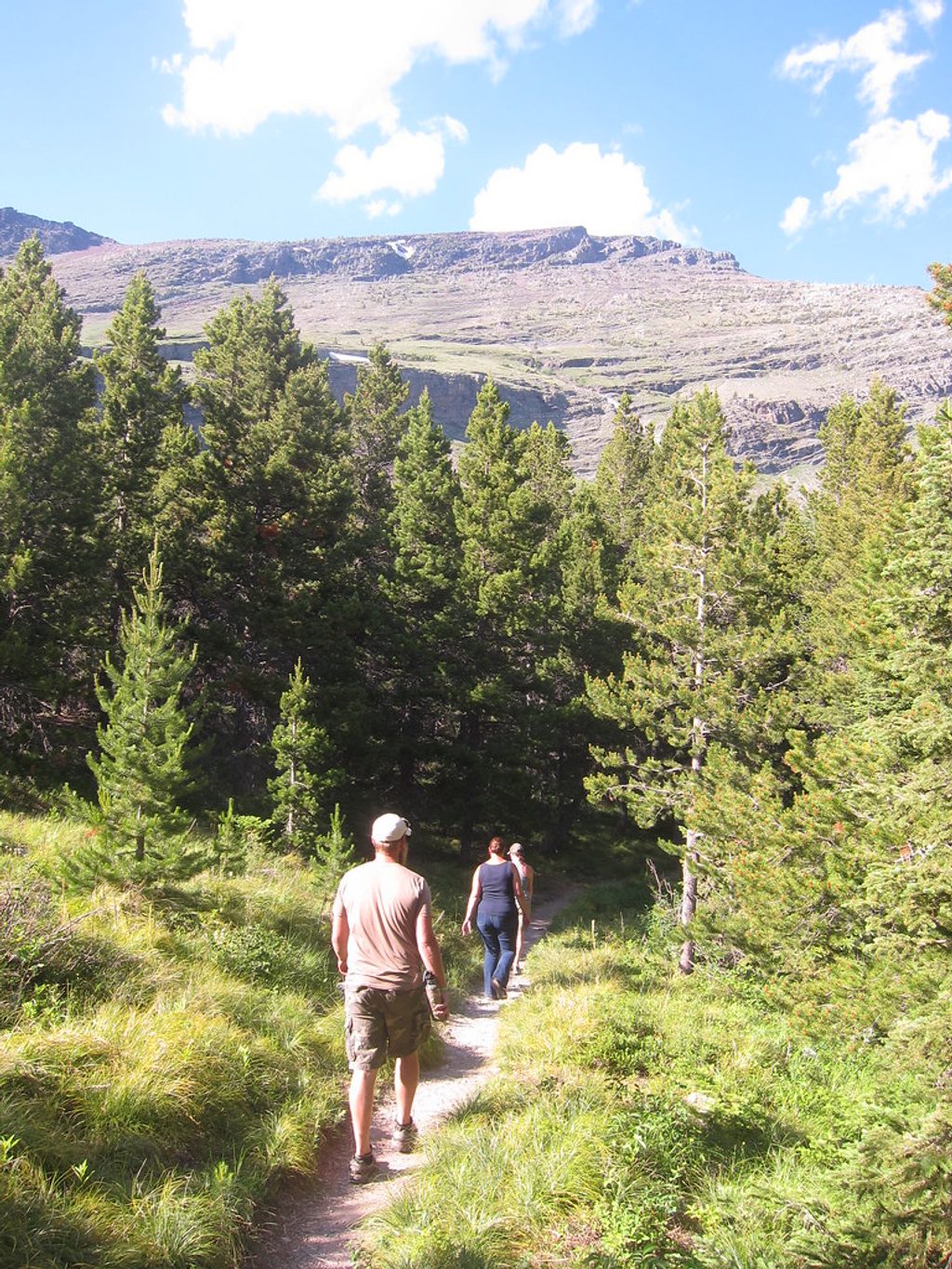
This is a long, sustained climb with exposure and drop-offs in places. Early season (June into July some years) can bring snow/ice across narrow traverses; closures are common until conditions improve. It’s doable for fit hikers with a head for heights and the right gear, but it’s not a casual stroll.
Goats and bighorn sheep regularly graze the high meadows, and bears are possible anywhere. Carry bear spray, make noise, and give wildlife plenty of space.
June through October is typical, but the upper sections may not open until into July depending on snow. For the waterfall itself, early to mid-summer gives you the strongest meltwater flow. Start at first light for cooler temps and fewer people; midday light pops the lake’s color, while late afternoon softens the glow on the walls.
There are bathrooms at the trailhead area and pit toilets shortly before the final climb to the glacier basin—nothing at the falls itself. There’s no treated water on the trail; bring what you need or filter. Boat shuttles across Swiftcurrent and Josephine traditionally trim mileage when operating, but build your plan around current conditions and services.
Expect wind, sun, and quick weather changes. Pack layers, rain shell, ample water and calories, and trekking poles for the long descent. If you’re here early season, traction and extra caution on icy traverses can be the difference between turning around and a safe, confident day.
Place · 0.6 mi away
Place · 0.8 mi away
Place · 0.8 mi away
Place · 1 mi away
Easy · 3.4 mi away
Challenging · 3.4 mi away
Easy · 3.4 mi away
Easy · 3.4 mi away

Parkwolf Tour Guide
