Overview
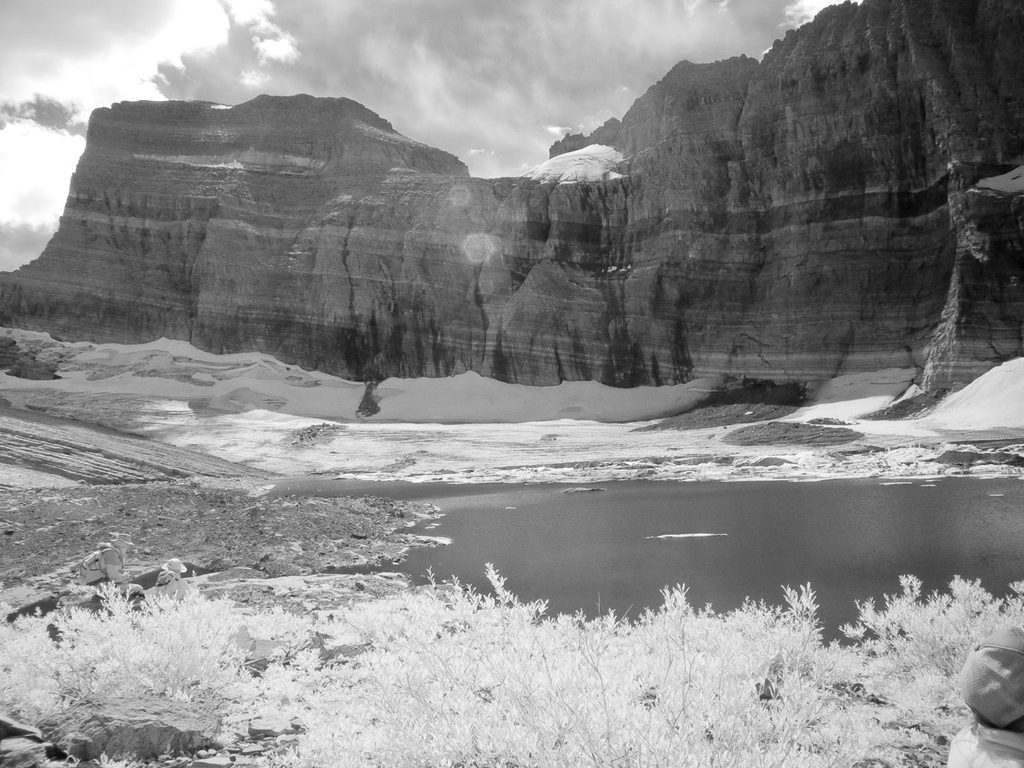
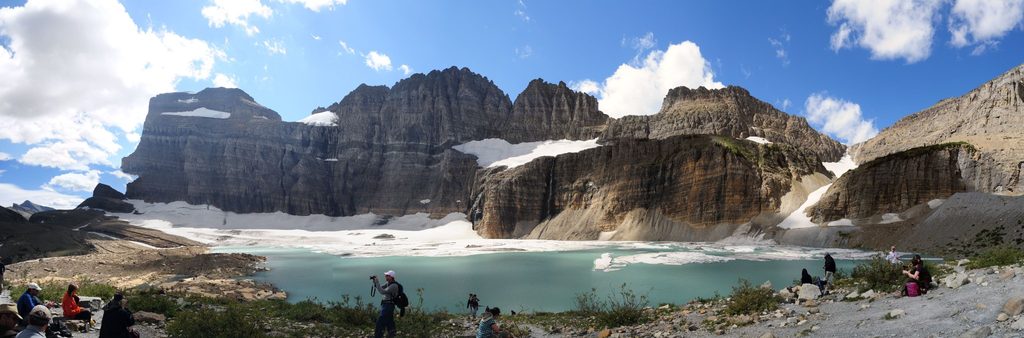
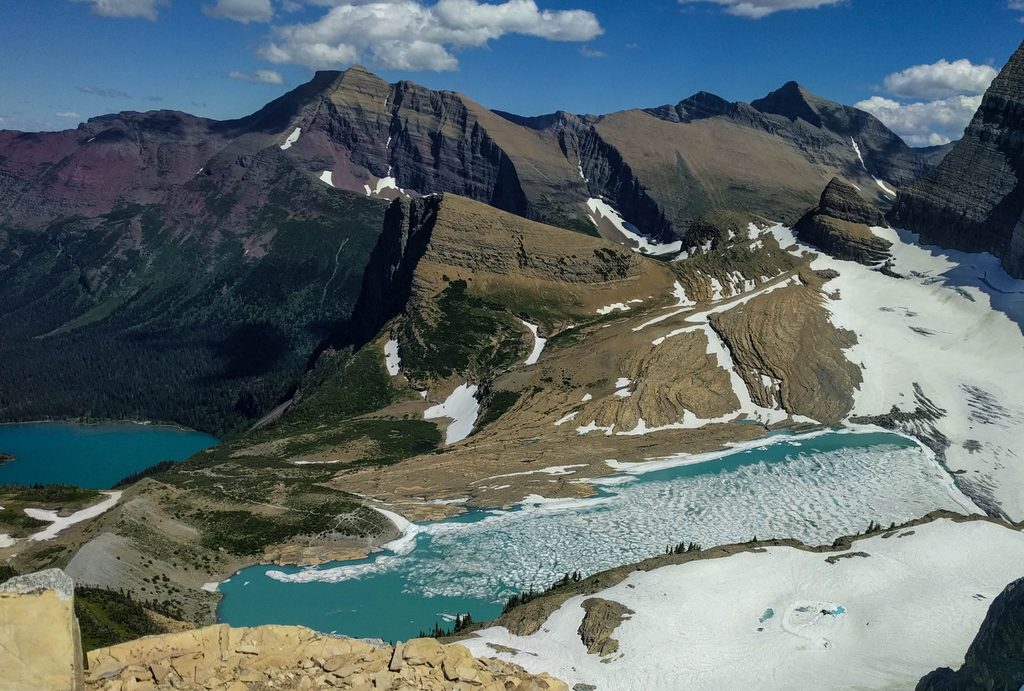
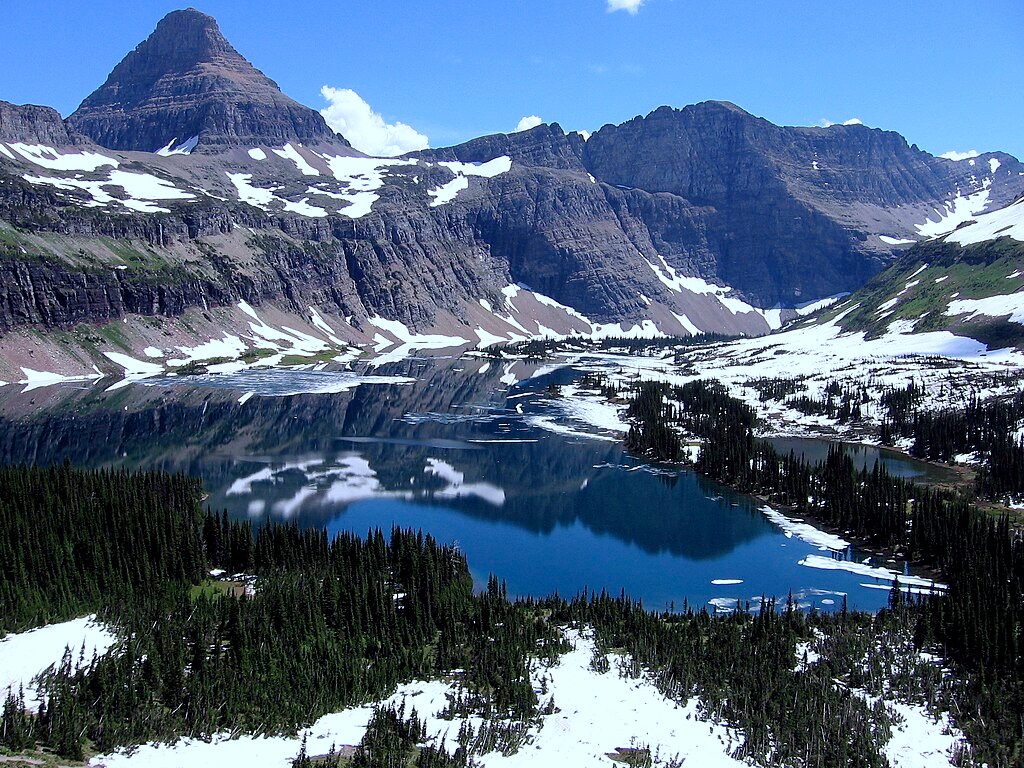
If you want the park’s signature payoff, this is it: a big, dramatic cirque with Grinnell Glacier spilling into a milky‑blue lake below the sheer walls of Mount Gould. It’s a stunning hike that also doubles as a front‑row seat to glacial retreat—powerful to see, and sobering.
What You’ll See
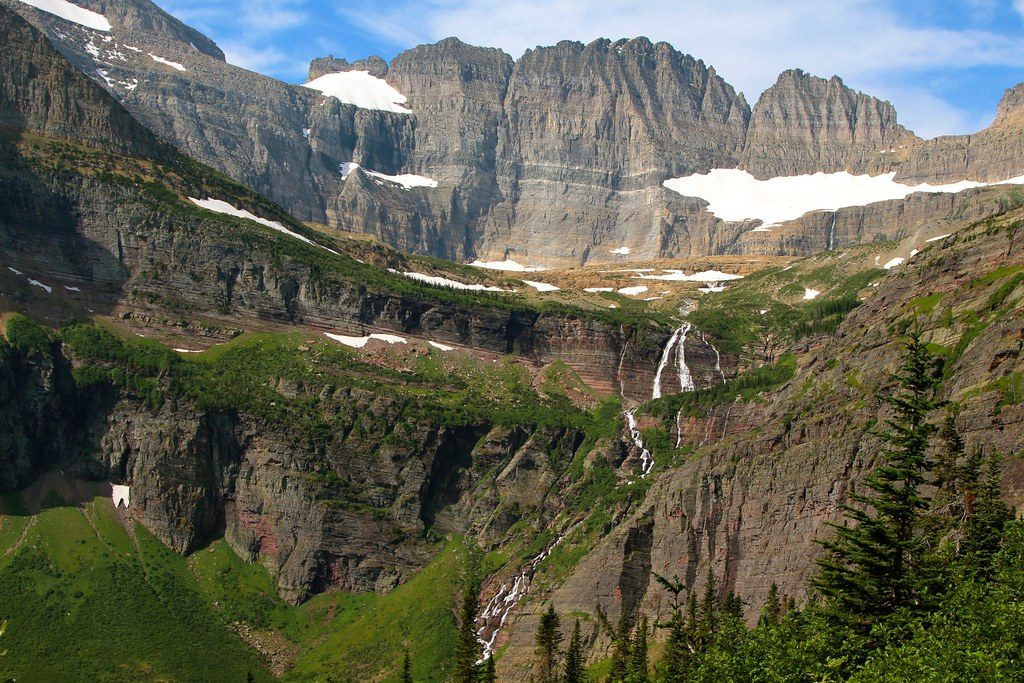
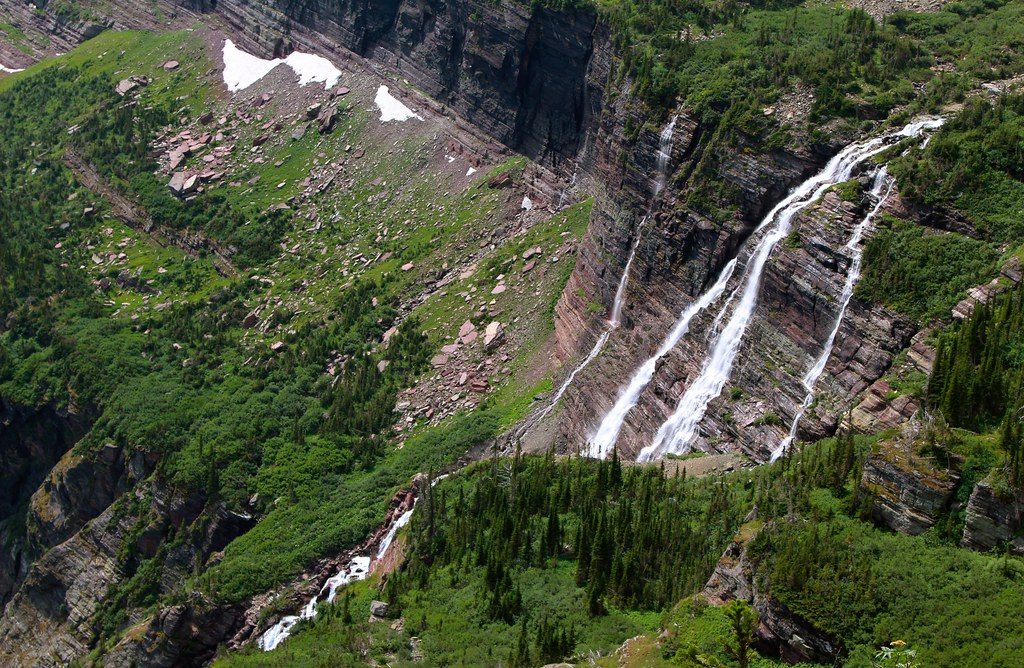
- A greatest‑hits reel of scenery: Swiftcurrent and Josephine’s turquoise water, cascading waterfalls, wildflower meadows, and long views to the Garden Wall.
- At the end, the glacier itself and Upper Grinnell Lake—icebergs often bob around in that unreal blue water. On clear days you can spot nearby Gem Glacier tucked high on the cliffs.
Route, Distance & Effort
- Plan on roughly 10.6 miles round‑trip and about 1,600 feet of gain. The first miles are gentler around the lakes; once you’re on the Glacier trail proper it’s steady uphill with few breaks and a steeper final push.
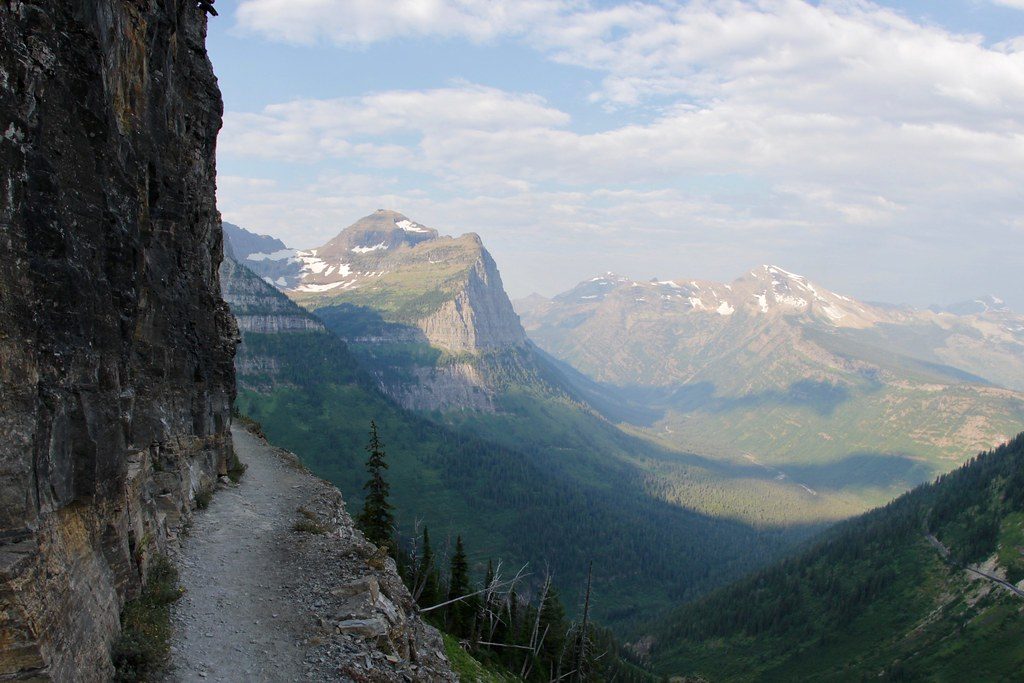
- The trail is narrow in places with drop‑offs and can hold snow and ice early and late in the season. It’s a workout, but very doable with time and pacing.
Wildlife
This corridor sees frequent wildlife: mountain goats and bighorn sheep are regulars, and moose show up near the lakes. Both black bears and grizzlies use the area—give them space and be bear‑aware.
Logistics & Amenities
- Start from the Many Glacier area; parking is limited and fills early. A boat shuttle across Swiftcurrent/Josephine can shorten the approach if you book it.
- There are no services at the glacier. Vault toilets exist along the upper trail near treeline, short of the destination; otherwise plan to be fully self‑sufficient with water and food.
History & Geology (Why it’s special)
Named for conservationist George Bird Grinnell, the glacier has been meticulously photographed for over a century, making its retreat one of the most visible climate records in the Rockies. Since the 19th century it has lost the majority of its area, with meltwater forming the classic turquoise proglacial lake you’ll see at the end.
Best Time to Visit
- Go early: sunrise to mid‑morning is best for parking, cooler temps, calmer winds, and soft side‑light on the walls.
- Midday can be hot and exposed; there’s little shade. Autumn brings gorgeous color and clearer air. Early season can mean snow/ice—carry traction if you’re going then.
- Weekdays are marginally quieter; expect company in peak summer no matter what.
Safety & Smart Prep
- Bring 2–3 liters of water, sun protection, layers for wind, and solid footwear. Trekking poles help on the sustained grade and any lingering snow.
- Carry bear spray and know how to use it. Do not venture onto the glacier—hidden hazards exist even late in summer.