
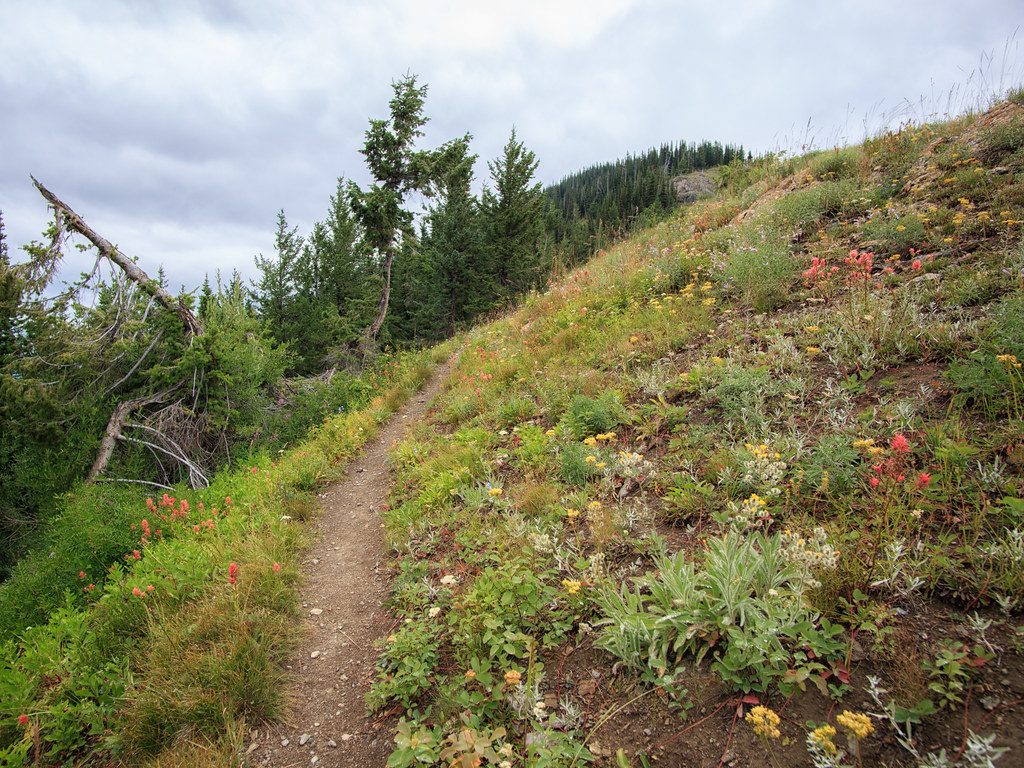
Place · 6.4 mi away
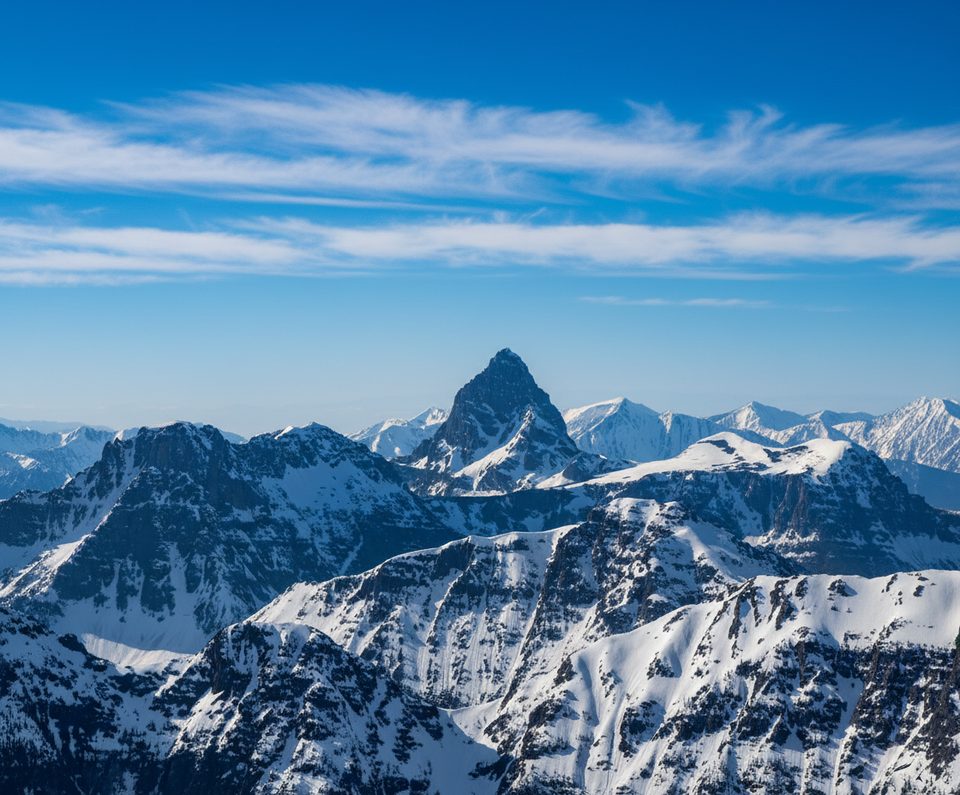
Mount Saint Nicholas is the park’s brooding horn in the remote southwest, widely regarded as the most difficult major summit here. Its sharply pointed profile rises above the Middle Fork of the Flathead River and is visible from many vantage points. At roughly 9,376 feet, it’s a true mountaineer’s objective: long approaches, real exposure, and zero front‑country comforts.
Among Glacier’s peaks, this one is revered for combining commitment with quality. Every route involves 5th‑class terrain after a serious approach, and the rock is considered "good by Glacier standards." It’s a committing, three‑day sort of climb for most teams, not a casual hike.
The standard line gains the Great Notch and then tackles the Northeast Ridge—a classic, multi‑pitch outing with cruxes reported around 5.7–5.9 on trad, using natural anchors and the occasional old pin for rappels. Expect sustained exposure, route‑finding, and a very long summit day from a high camp. There are no bolts, and efficiency matters.
There’s no true trailhead for this peak—just small pullouts and access near US‑2. Parties either add miles by starting near Walton Ranger Station (to avoid the Middle Fork ford) or shorten mileage by fording or boating across the river near Park, Muir, or Coal Creek. Common lines include:
Most teams plan three days: approach, climb, exit. Backcountry camping permits are required and obtained at park offices. There are no toilets, water taps, or developed parking dedicated to this peak—be fully self‑sufficient, treat all water, and follow Leave No Trace.
Weather dictates success here. Thunderstorms are common, and slick rock or lingering snow in the Great Notch can shut things down. The Middle Fork ford can be hazardous—many parties avoid it by adding miles from Walton. Dense brush, deadfall, and swampy stretches are part of the package.
This dramatic horn is the product of ancient Belt Supergroup rocks uplifted along the Lewis Overthrust and later carved by Pleistocene glaciers into the sharp peak you see today. It’s a textbook example of how multiple cirque glaciers can whittle a summit into a knife‑edged horn.
You’re in prime bear country on lightly traveled approaches—carry bear spray and make noise. Cell service is unreliable.
Mid to late summer into early fall is the typical window, when snow in the Great Notch recedes. Start pre‑dawn for long days, and build weather buffers. If you’re just admiring the mountain, clear days along the US‑2 corridor by the Middle Fork deliver big views without stepping into the brush.
Place · 6.4 mi away
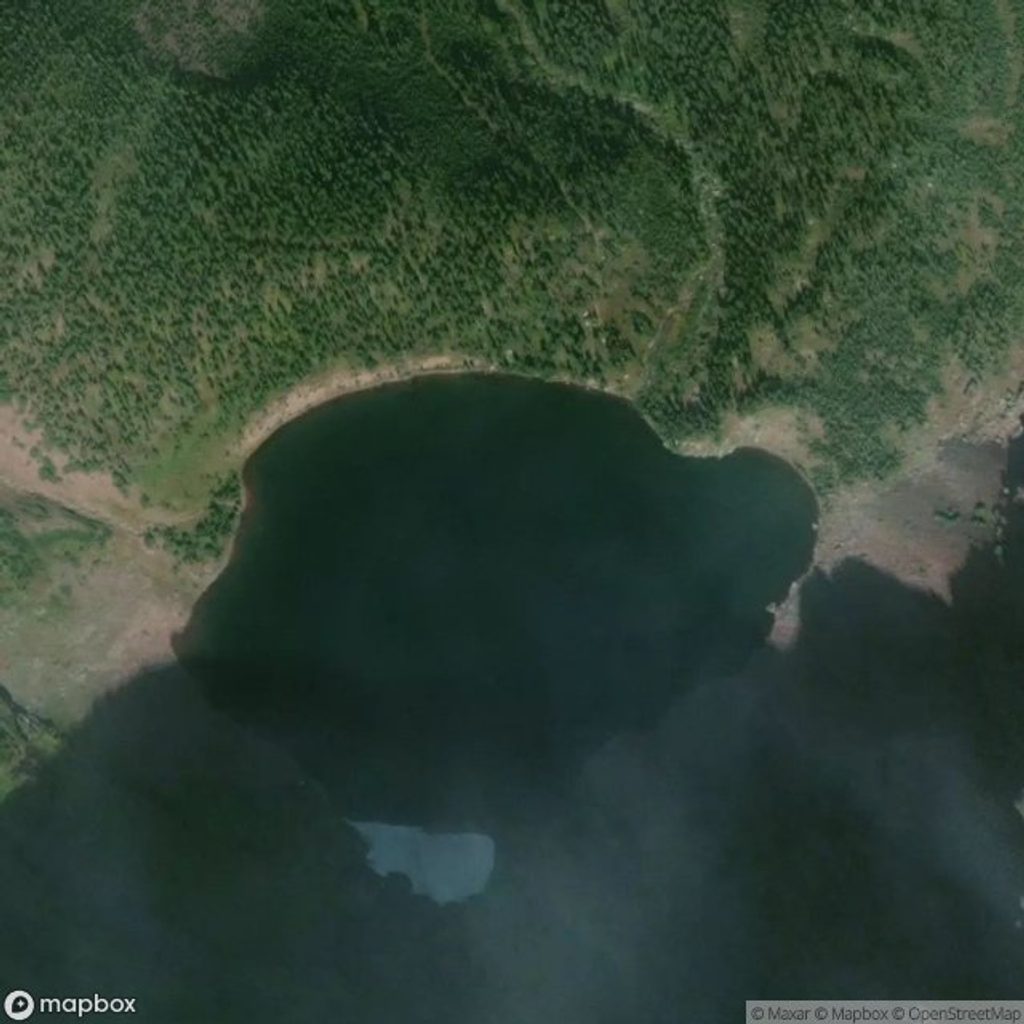
Place · 6.4 mi away
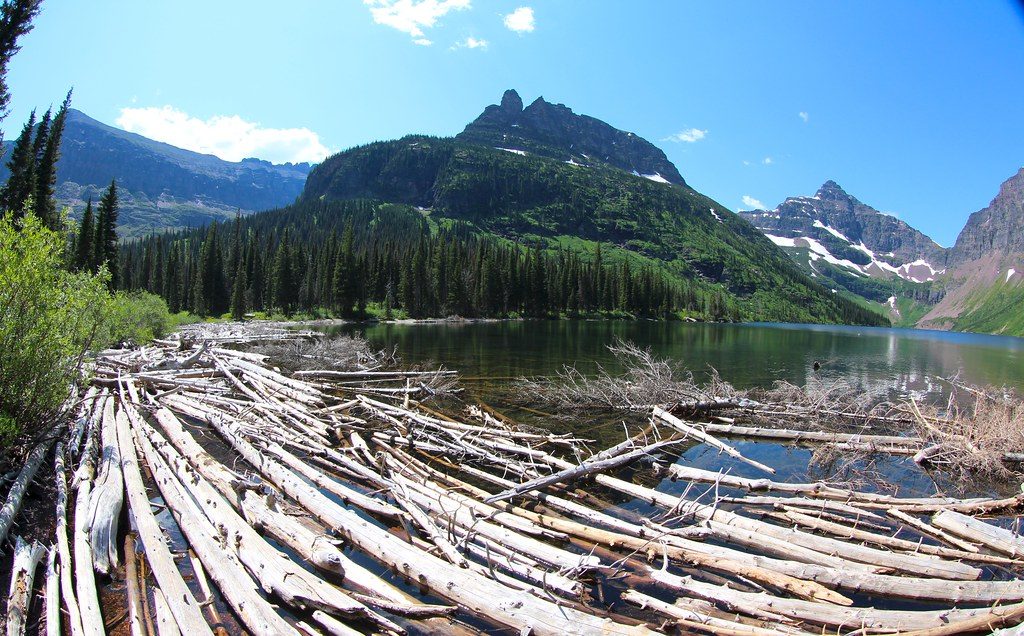
Place · 6.5 mi away
Place · 6.6 mi away
Easy · 9.3 mi away
Moderate · 10.4 mi away
Moderate · 10.4 mi away
Moderate · 10.4 mi away

Parkwolf Tour Guide
