
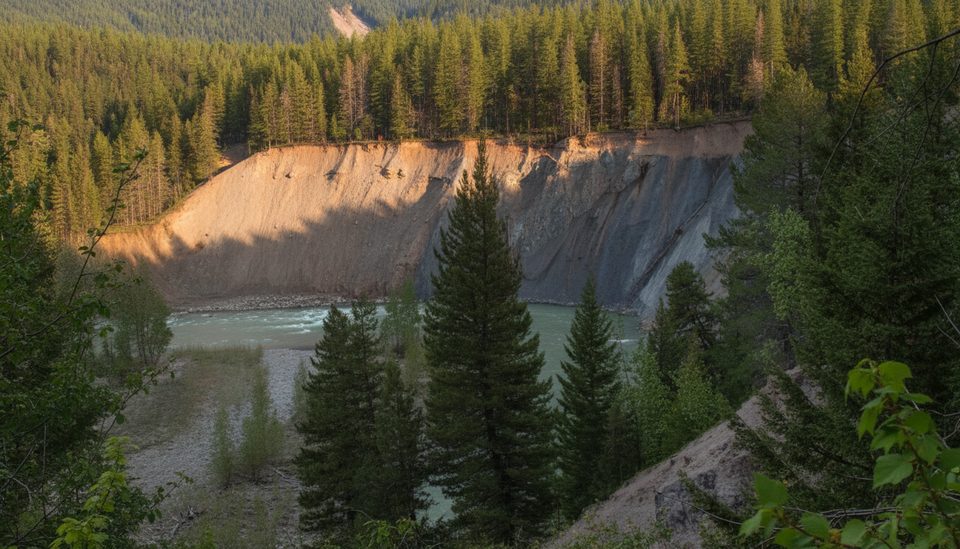
Place · 2.8 mi away
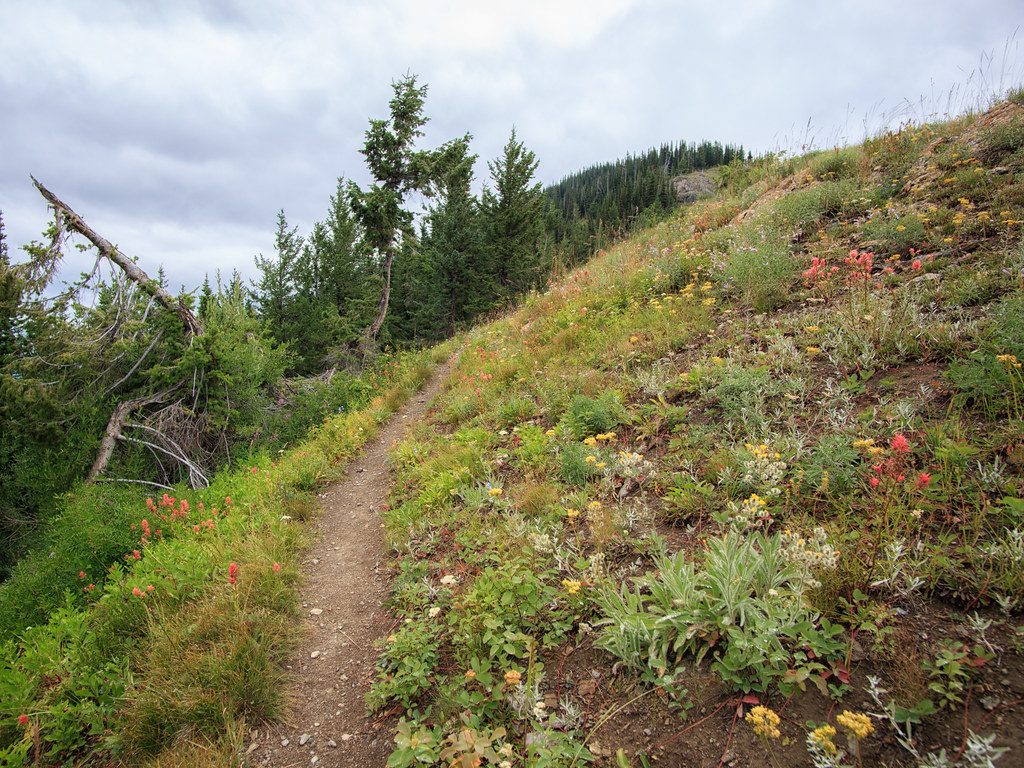
Scalplock Mountain is a classic Glacier lookout hike: a steady, leg-burning climb to a staffed, 1931-era fire lookout with huge panorama rewards. It sits in the park’s quieter Walton/US‑2 corridor, so you’re far more likely to find solitude than on the big-name trails—especially outside midsummer.
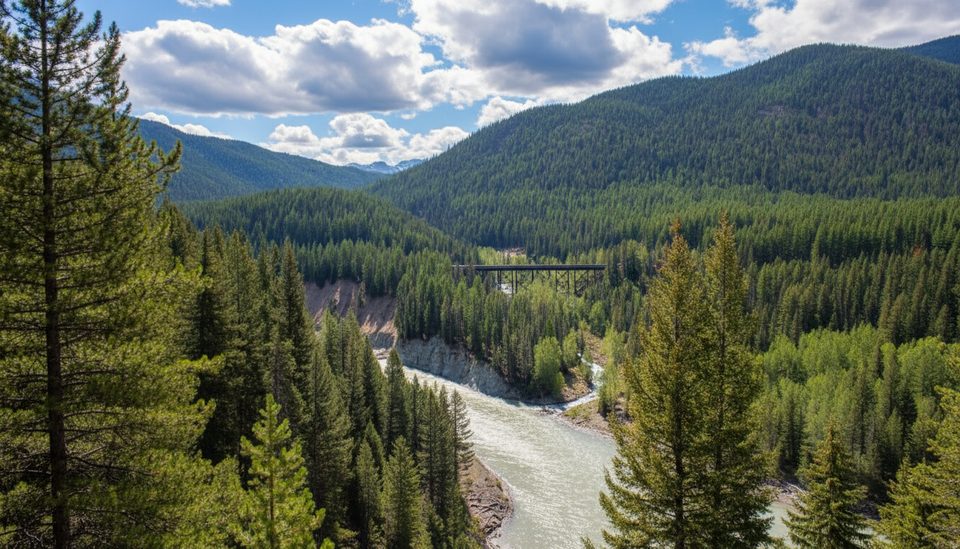
Expect roughly 9–10 miles round-trip and about 3,200–3,350 feet of gain, usually 6–7 hours for most hikers. The route begins near Walton Ranger Station, crosses a fun suspension bridge early on, then settles into sustained switchbacks through forest. Views open up on the final third along the ridge to the lookout. Dogs aren’t allowed, and there’s a park entry fee.
You’ll find a pit toilet at the trailhead and another at the summit. There’s also a picnic table right by the lookout—ideal for a long lunch if the wind cooperates. Cell service is unreliable; download offline maps before you go.
From the top, the skyline sprawls: Mount Saint Nicholas and neighbors to the north, Elk Mountain to the east, Running Rabbit, Snowslip, and Mount Shields to the south, with the wild expanse of the Great Bear Wilderness stretching beyond the highway. On a clear day, it’s a true 360-degree payoff.
The mountain’s name dates to the aftermath of the 1910 Essex Fire, when a lone clump of trees on the summit resembled a “scalp lock.” The name became official in 1911. The current lookout was built in 1931 and later modernized with solar power; it’s still staffed seasonally.
You’re hiking through Glacier’s signature ancient Belt rocks—reds and greens created by iron minerals—and looking out across mountains shaped by the Lewis Overthrust and later sculpted by Ice Age glaciers into today’s U‑shaped valleys, arêtes, and cirques.
Mid‑July through early September, huckleberries and thimbleberries ripen and can draw bears—carry bear spray, make noise, and stay alert. Water sources on this route are unreliable after the initial crossing; bring what you need for the day. Expect wind exposure (and cooler temps) at the top, and lingering snow in spring or early fall.
Fall is fantastic for golden larch color and clearer air, but start early—daylight is short and the climb is long. In summer, a morning start beats heat and afternoon clouds. Weekdays are typically quieter. Sunset is gorgeous from the lookout, but only attempt it if you’re prepared and comfortable hiking down in the dark.
Place · 2.8 mi away
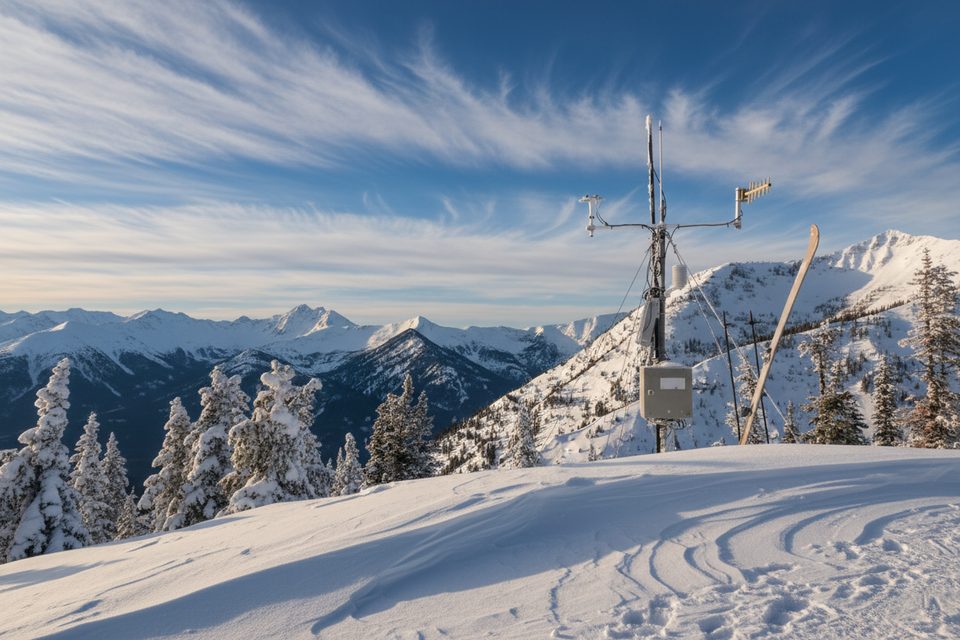
Place · 3.8 mi away
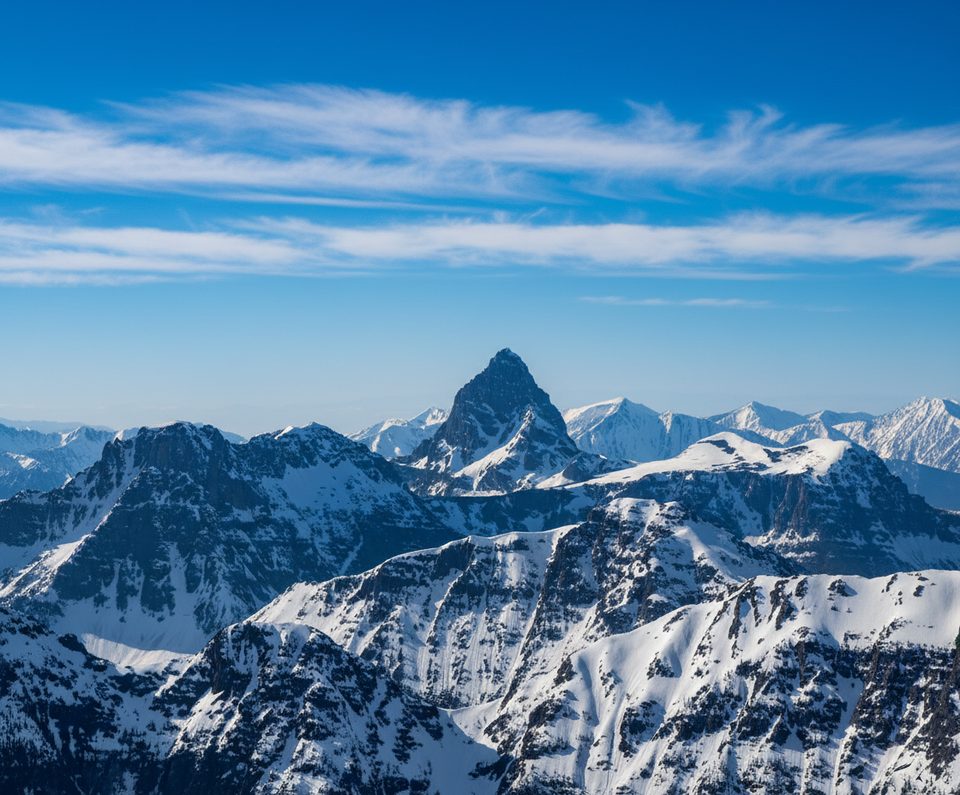
Place · 6.4 mi away
Place · 11.5 mi away
Easy · 2.9 mi away
Moderate · 15.7 mi away
Moderate · 15.7 mi away
Moderate · 15.7 mi away

Parkwolf Tour Guide
