
Place · 1.2 mi away
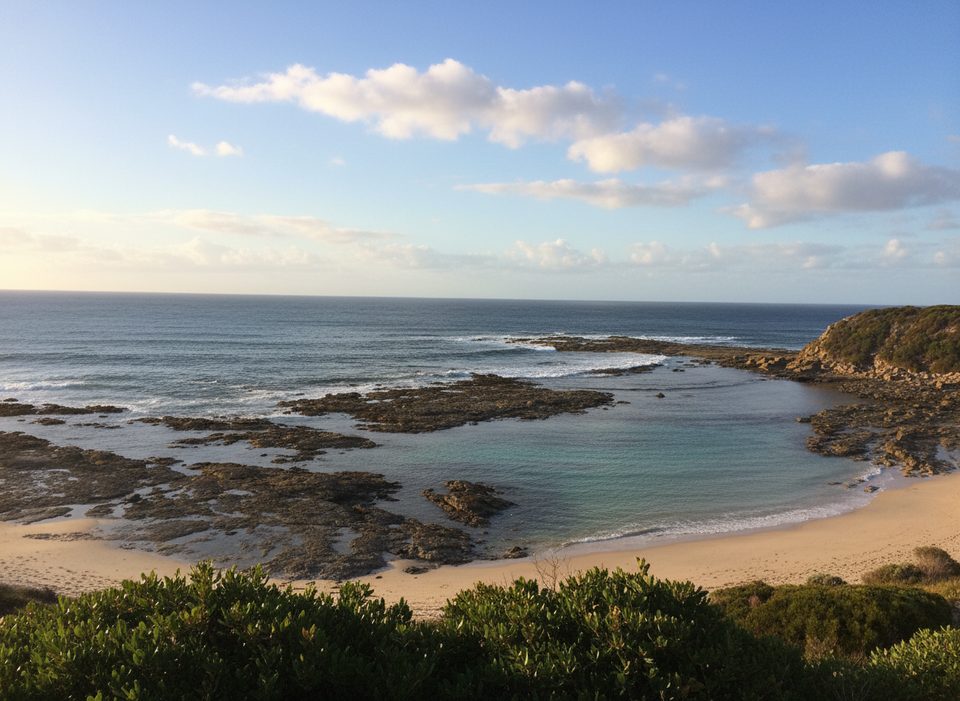
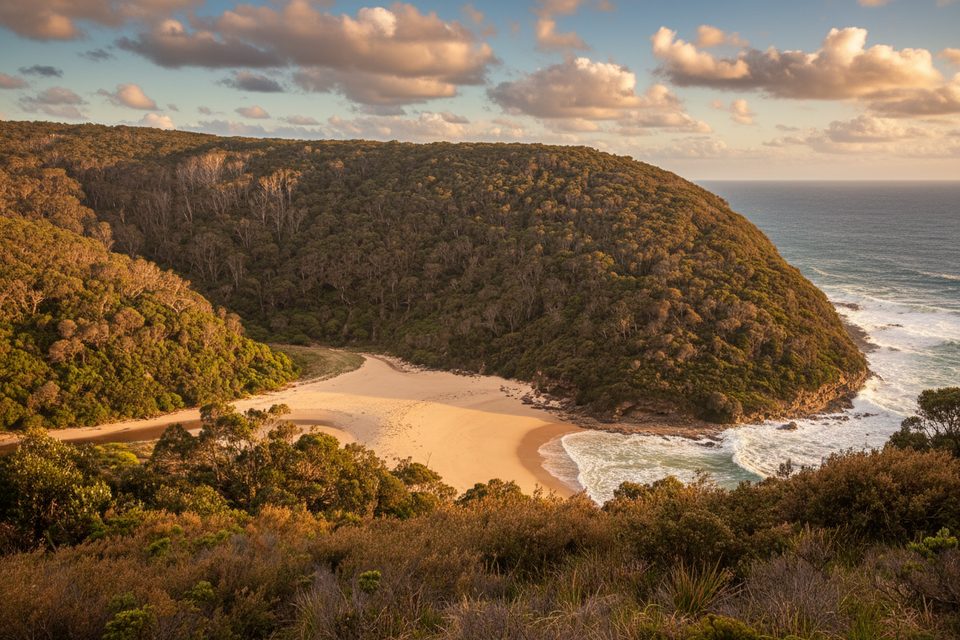
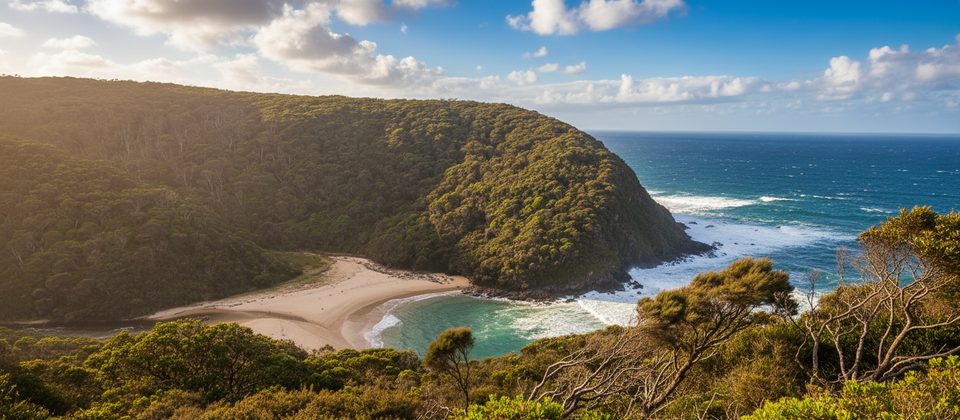
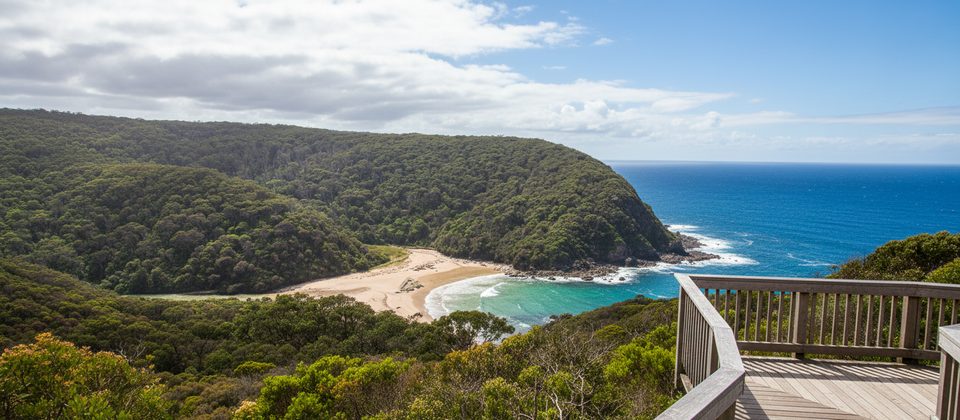
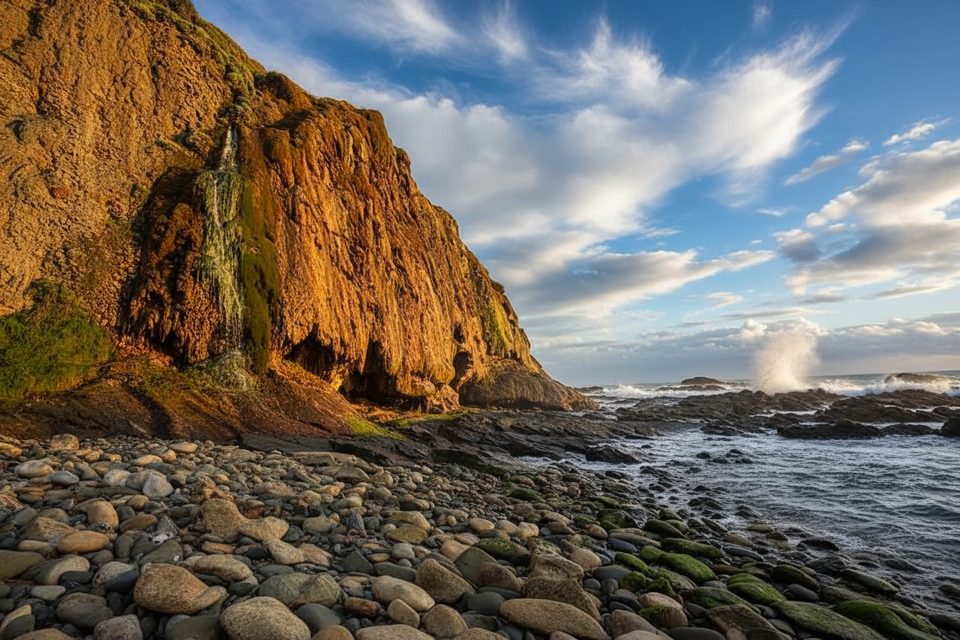
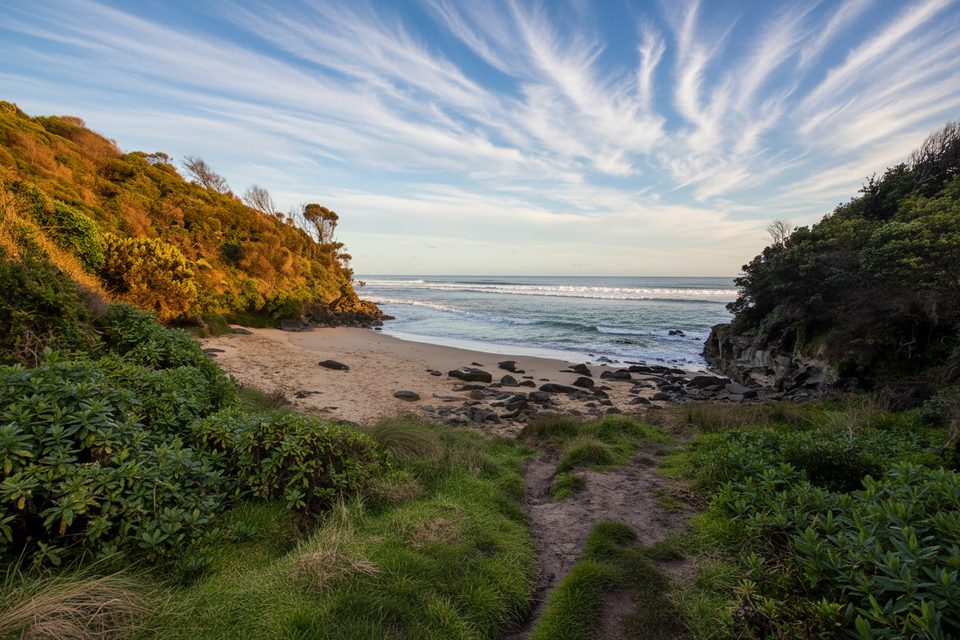
Crayfish Bay is a tiny, tucked‑away inlet on the Cape Otway coast with two pocket beaches separated by reefs and low rock platforms. It feels wild and elemental—wave energy from the Southern Ocean is ever‑present—yet the coves can turn glassy on calmer days. There are no facilities here; it’s a simple, beautiful slice of coast.
Expect vegetated bluffs, reef‑fringed shallows and kelp swirling just offshore. Thick bull kelp is common around the low‑tide mark, with underwater beds of kelp and, in places along this coast, even mini “forests” of giant kelp. The reefs support magpie perch and blue‑throated wrasse; in crevices and on the seafloor, southern rock lobsters and even Port Jackson sharks may shelter. Keep an eye on nearby rock platforms for the occasional fur seal cruising past.
This shoreline sits on Otway Group sediments—old sandstones and layered deposits now carved by one of Australia’s most energetic coasts. Cliffs, gorges and offshore stacks are constantly reshaped by swell, which also explains the bay’s mix of protective reefs and lurking hazards.
Surfing isn’t the draw—reefs and submerged rocks make it risky.
This is an unpatrolled bay. Expect strong currents, surge around rocks, slippery algae‑coated platforms and occasional snakes in warmer months. If you see lots of whitewater, skip getting in. Wear sturdy shoes for the steep access and rock hopping, and keep well clear of edges during higher swell. Recent notes on the Great Ocean Walk mention increased echidna and bandicoot diggings beside tracks—easy to trip on in low light.
No dogs, no camping, no fires, no bicycles and no firearms. Pack in everything you need and pack out all waste.
Parker Hill and Blanket Bay campgrounds are the go‑tos along this stretch if you want to base nearby.
Place · 1.2 mi away
Place · 1.2 mi away
Place · 1.2 mi away
Place · 1.2 mi away
Moderate · 1.3 mi away
Moderate · 6.2 mi away
Easy · 6.9 mi away
Challenging · 9.9 mi away

Parkwolf Tour Guide
