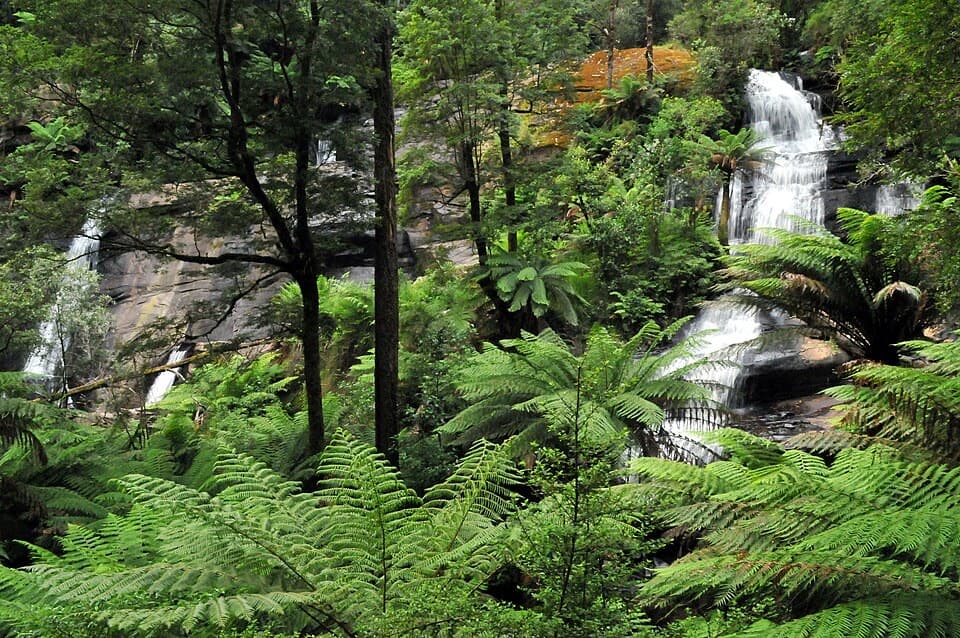
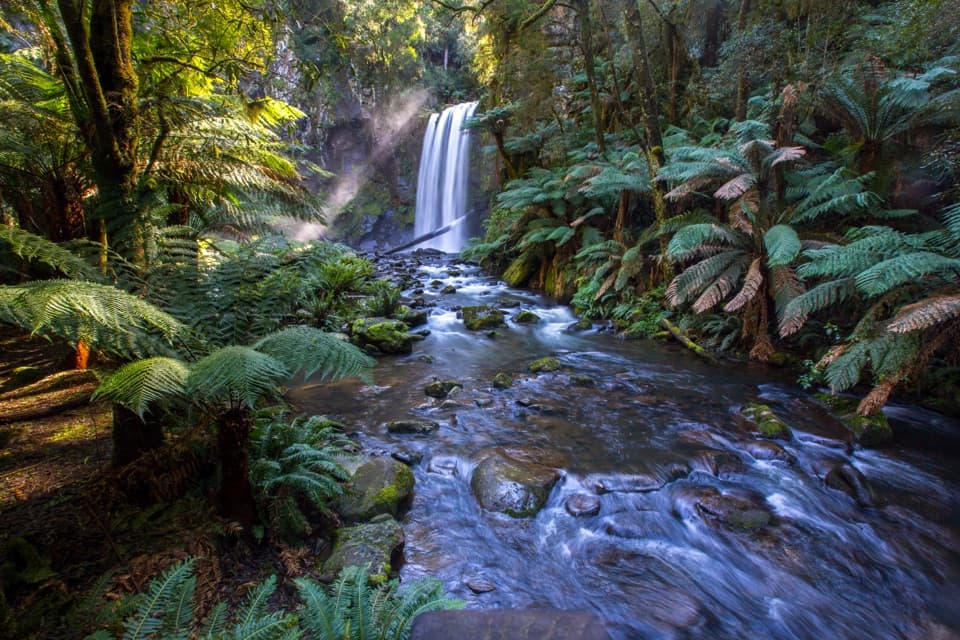
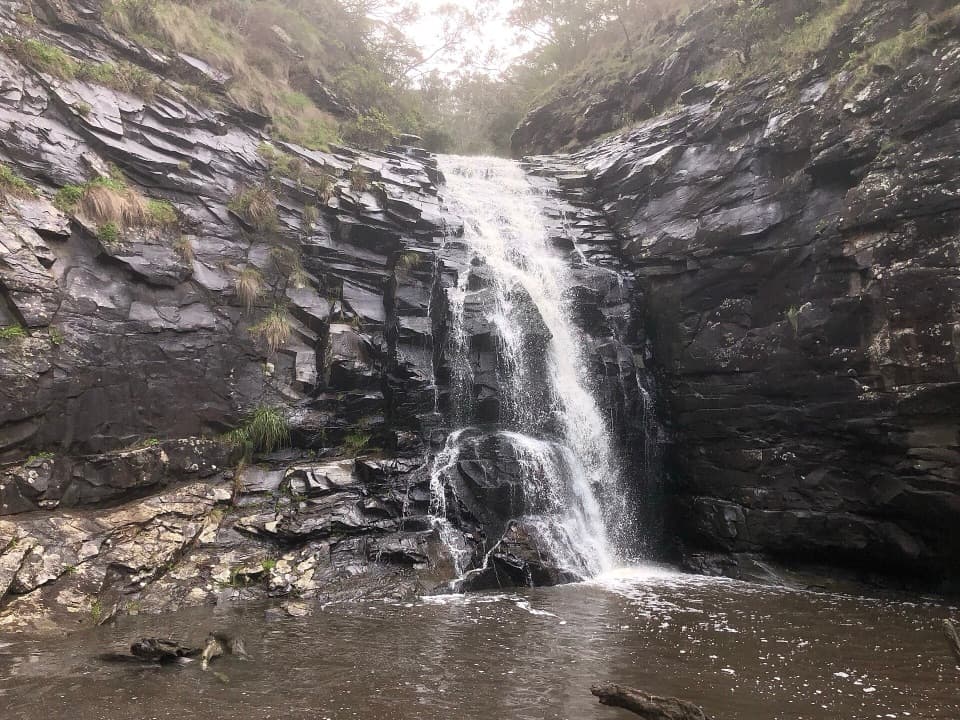
Parking
Start at Apollo Bay Visitor Information Centre and finish at the Twelve Apostles. Arrange a shuttle or pickup before starting; this is a one way walk.
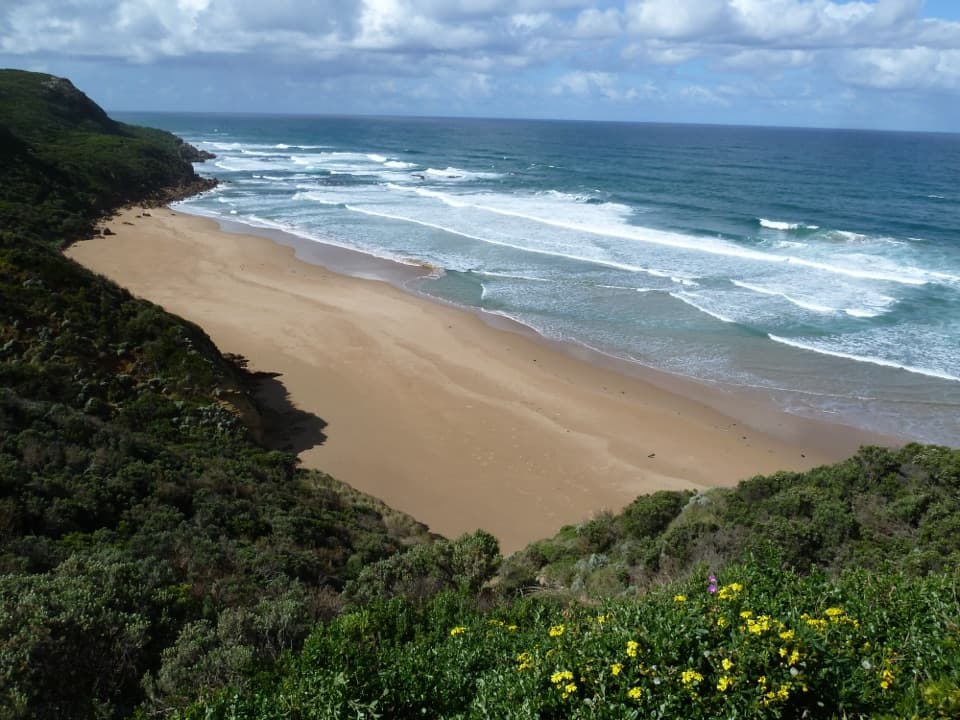
#1 of 83 trails in Great Otway
Great Otway National Park, VIC
A full coastal crossing from Otway forest to the Twelve Apostles.
Overview
Map & elevation
Plan your hike

The highest, rockiest slopes around here are a summer buffet for grizzly bears.
Great Otway Tour Guide
Parkwolf is a GPS audio tour guide for Great Otway National Park. As you drive, it chimes in with what’s ahead: hidden gems, upcoming stops, history, geology, and wildlife, right through your car’s speakers.
See the Great Otway audio tourRecorded for this trailhead
Apollo Bay: Maps and Local Advice“You're approaching the Great Ocean Road Visitor Information Centre on Apollo Bay's foreshore. Stop here if you need local maps or help choosing the next part of your Otways visit.”
Plays as you drive up to this trailhead in the Parkwolf Great Otway Tour Guide.
More stories near here in the app
“Fantastic app with many points of information… It’s great to just turn on while you’re driving and it gives you an audio tour of the national Park. We love it!!!!”


Trail guide
The Great Ocean Walk is a one way coastal route of about 100 km from Apollo Bay Visitor Information Centre to the Twelve Apostles near Port Campbell. This is the full east to west walk, not one of the shorter day sections. Most walkers allow seven or eight days; the official stage plan adds up to about 36 hours on foot, spread across long days. You move between tall forest, coastal heath, river mouths, beaches and exposed cliff country, with the Apostles as the finish. If the whole crossing does not fit your trip, individual sections can be walked on their own.
Published totals differ: the rounded stage legs sum to 100 km, a more recent route guide puts it at 104 km, and an older official guide says about 110 km. Beach options and exact access change the total. Use about 100 km for planning and carry the detailed 1:25,000 walker map for the route choices and access points.
Start in Apollo Bay and arrange a shuttle or pickup from the Twelve Apostles before you set out; the route does not return to its start. Seven small hike in campgrounds serve the classic itinerary, with limited capacity, so reserve ahead if you plan to camp on the walk. Food resupply is sparse after Apollo Bay. Camp rainwater is untreated and may not be available, and mobile coverage is unreliable along much of the coast. Plan food, safe water and transport before the first day. A short Cape Otway section of the stored digital line is marked as an old location; verify its current alignment on the detailed walker map and local signs.
The first sections leave town for tall eucalypt forest around Elliot Ridge, then wind through denser Otway forest. Farther west, the forest opens into dry coastal scrub and heath. Parker Inlet brings a sheltered beach and estuary before the route reaches the Cape Otway Lightstation precinct. The change from forest to open coast is one of the walk’s pleasures, but the lighthouse is a separate stop; do not count on it as trail resupply.
West of the lightstation, the track climbs above Station Beach and opens to cliffs and a lookout over Aire River. Beyond the river, the route rolls through coastal country to Castle Cove, then follows about 2 km of Johanna Beach. The hills make this a slower walk than a simple distance suggests. The Johanna River crossing is unbridged, and the beach is a real tide and surf decision, not a casual shoreline stroll.
From Johanna, the route heads inland before dropping to the short Milanesia Beach crossing, about 300 m. It then climbs steeply through coastal forest and stairs into the isolated country around Ryan’s Den. Days six and seven are the tougher legs in the classic stage plan. The track becomes more exposed around Moonlight Head and Gables Lookout; the last section passes Princetown, follows the clifftops and ends at the Twelve Apostles, beyond Great Otway National Park.
Milanesia and Johanna require beach walking. At Moonlight Head, the descent to Wreck Beach is below the high tide line and can become dangerous or impassable with high water or large swell. Elliot, Parker and Johanna rivers are unbridged and can rise after heavy rain. Follow the signed decision points, check local tide times for the section you are walking, and be prepared to wait or turn back. Conditions can change quickly on this exposed coast.
Some sections follow the track Charles Joseph La Trobe blazed in March 1846 while surveying Cape Otway for a lighthouse, after the Cataraqui wreck near King Island cost almost 400 lives. The Cape Otway Lightstation opened in 1848 and sits midway through the walk, between Blanket Bay and Aire River. It makes a striking pause in the long crossing: a working coastline first seen by ship crews as a hazard, now crossed on foot.
Expect repeated climbs, steep staircases and stretches that can be wet, muddy or slippery. The full route suits hikers ready for a multiday walk with limited resupply and tide dependent sections. Dogs cannot accompany the complete route; limited dog friendly areas in Great Otway do not make this through walk dog friendly. Check current track alerts and access before setting off.
Wildlife
 204 sightingsKoalaMost seen around 6 PMSighting map
 35 sightingsGrey KangarooMost seen around 6 AMSighting map
 109 sightingsEchidnaMost seen around 5 PMSighting map
 58 sightingsKookaburraMost seen around 6 AMSighting map
 97 sightingsSwamp WallabyMost seen around 6 PMSighting map
 20 sightingsBrushtail PossumMost seen around 8 PMSighting map
Sighting maps show where each species has been reported across Great Otway. Wildlife moves, so no sighting is guaranteed.
Keep exploring
 ModerateApollo Bay to Elliot Ridge9.9 km · 3.8 hr · At the trailheadCoastal beaches, an unbridged river and a ferny camp beneath tall trees.
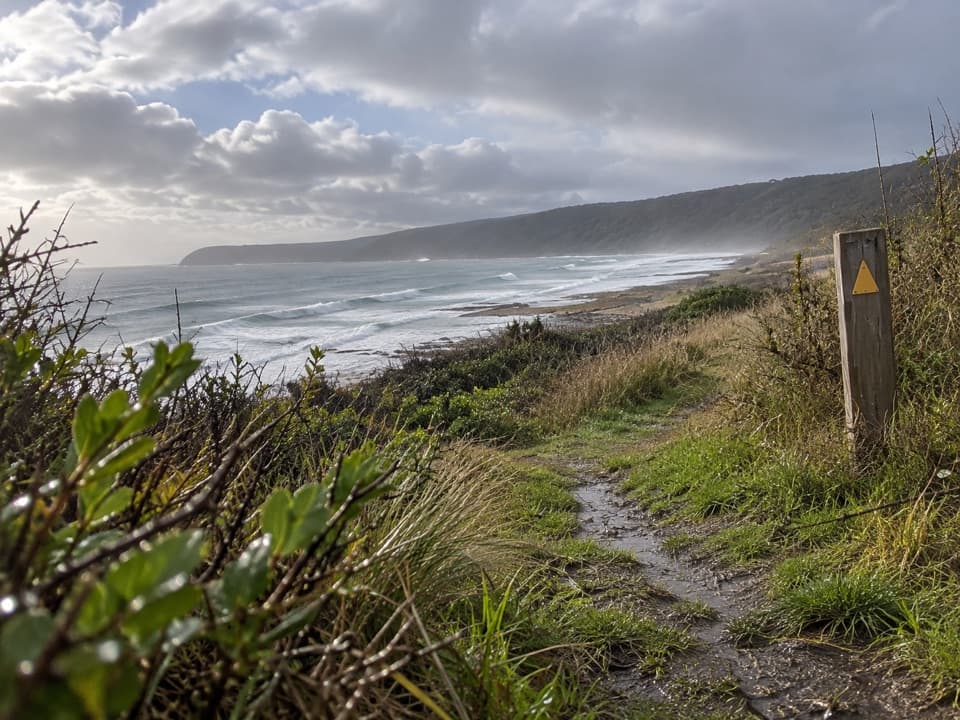 ModerateMarengo to Shelly Beach Walk4.7 km · 2.5 hr · 2.7 km awayWalk from Marengo Beacon across beaches and Bald Hill to Shelly Beach.
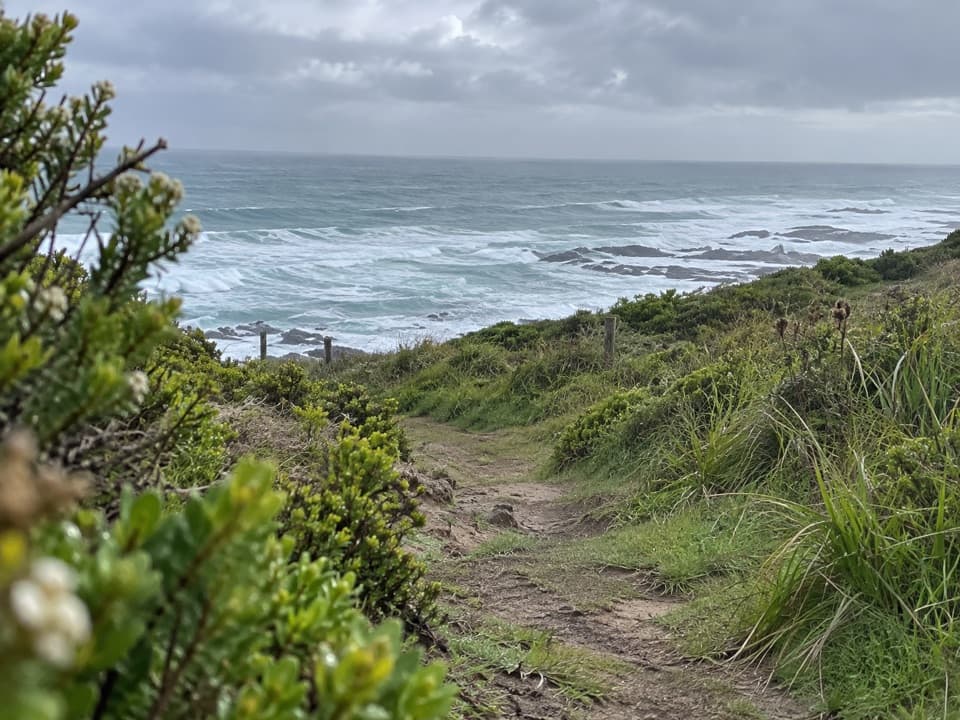 ModerateMarengo to Elliot River Circuit15.1 km · 6 hr · 2.7 km awayCoastal cliffs, forest, and an Elliot River loop in one long walk.
 ModerateElliot River Circuit Walk4.7 km · 1.8 hr · 5.8 km awayRock-hop Elliot River, then climb Elliott Ridge through ferny gullies.
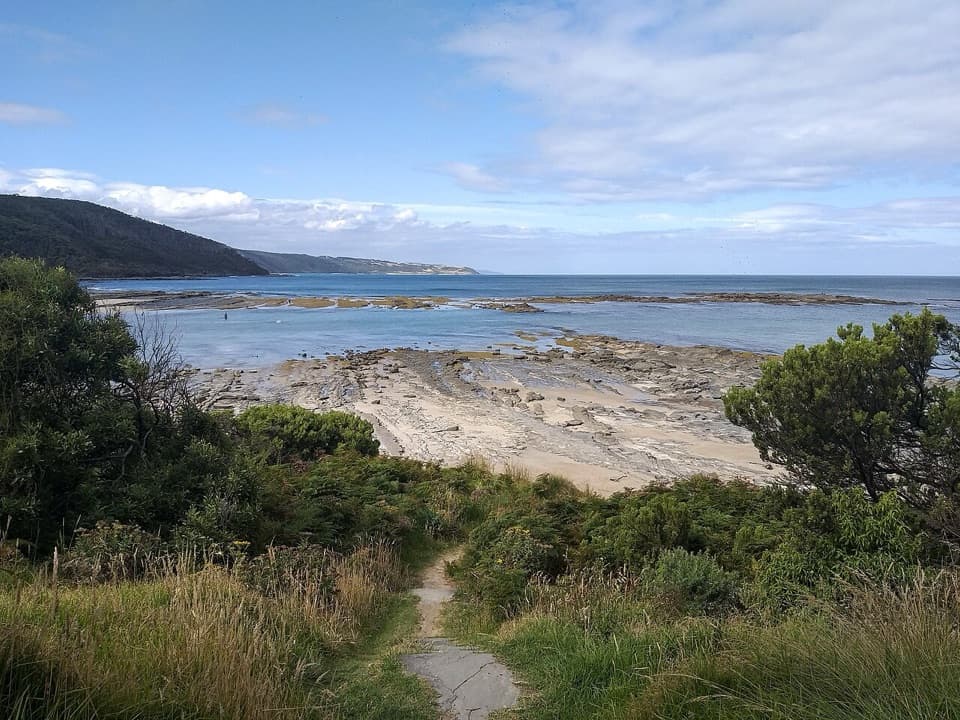 ModerateElliot Ridge to Blanket Bay12 km · 4.5 hr · 6.2 km awayForest roads lead to a switchback descent and Blanket Bay's shore.
 EasyMaits Rest Rainforest Walk0.8 km · 30 min · 9.9 km awayA brief 800-metre loop through giant beech and tree ferns.
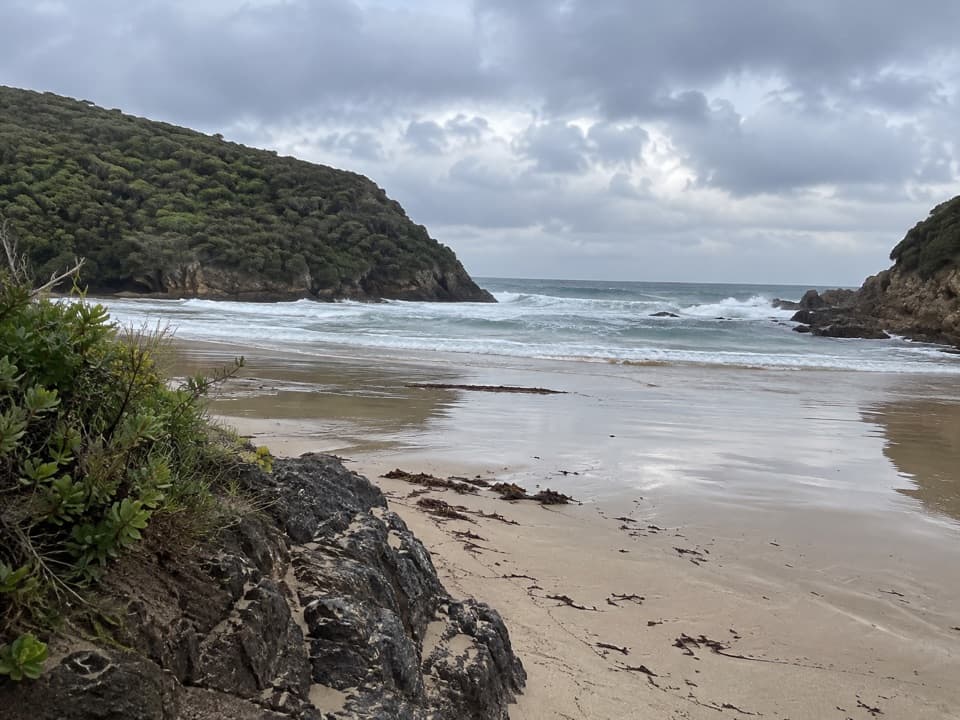 ModerateGreat Ocean Walk: Blanket Bay to Cape Otway11 km · 3.8 hr · 11 km awayAn 11 km one-way coastal stage from Blanket Bay to Cape Otway.
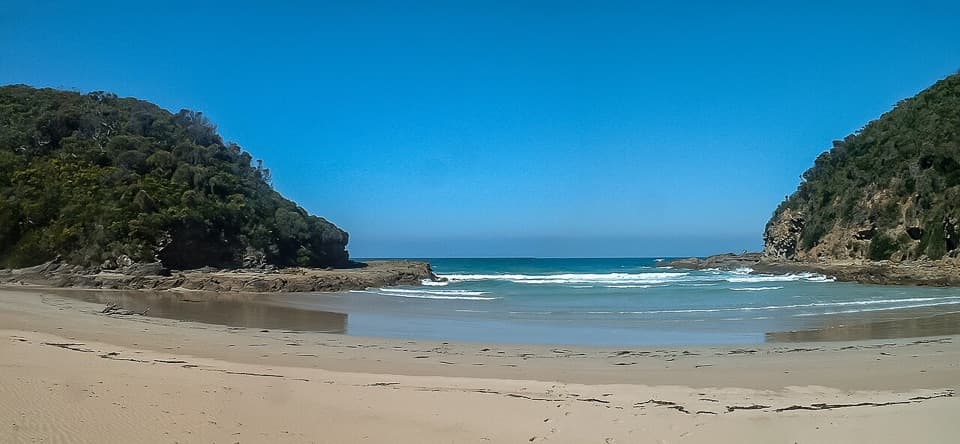 EasyBlanket Bay to Parker Inlet Walk4.6 km · 1.8 hr · 11.1 km awayCoastal bush, an inlet crossing and steep steps to Parker Hill.
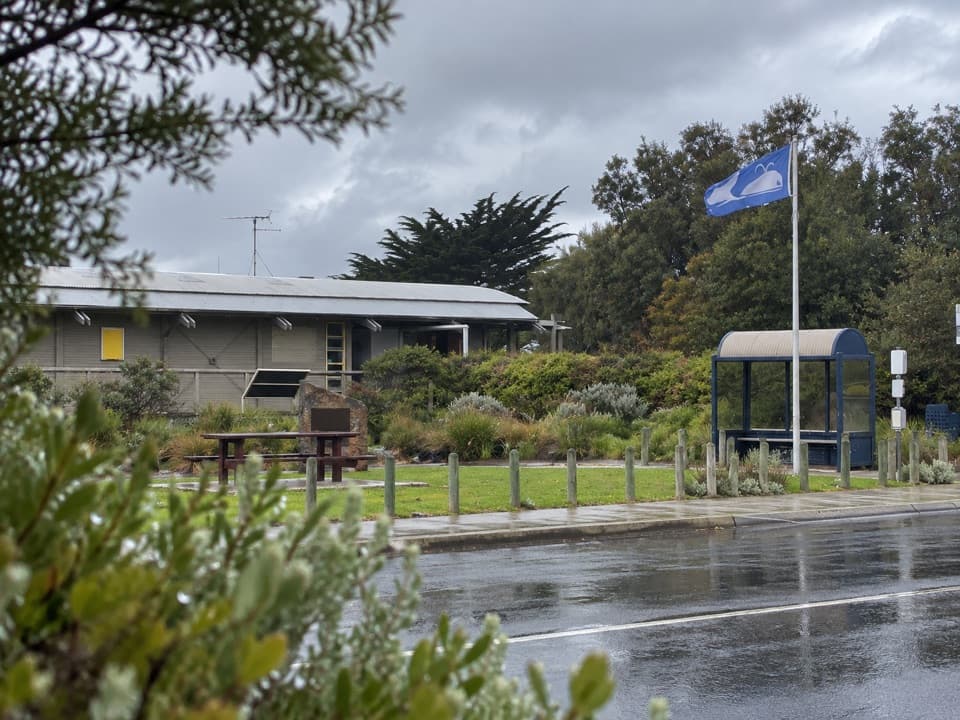 Visitor center · 0.1 km awayGreat Ocean Road Visitor Information Centre, Apollo BaySort the Otways, tours and Great Ocean Walk before setting off.
 Sight · 4.3 km awayWildlife WondersA guided Otways wildlife walk through coastal bushland.
 Beach · 5.7 km awayShelly BeachFern-lined walk to tide pools and a small, rugged cove.
 Campground · 6.3 km awayElliot Ridge Hike-in CampgroundA quiet forest night stop for Great Ocean Walk hikers
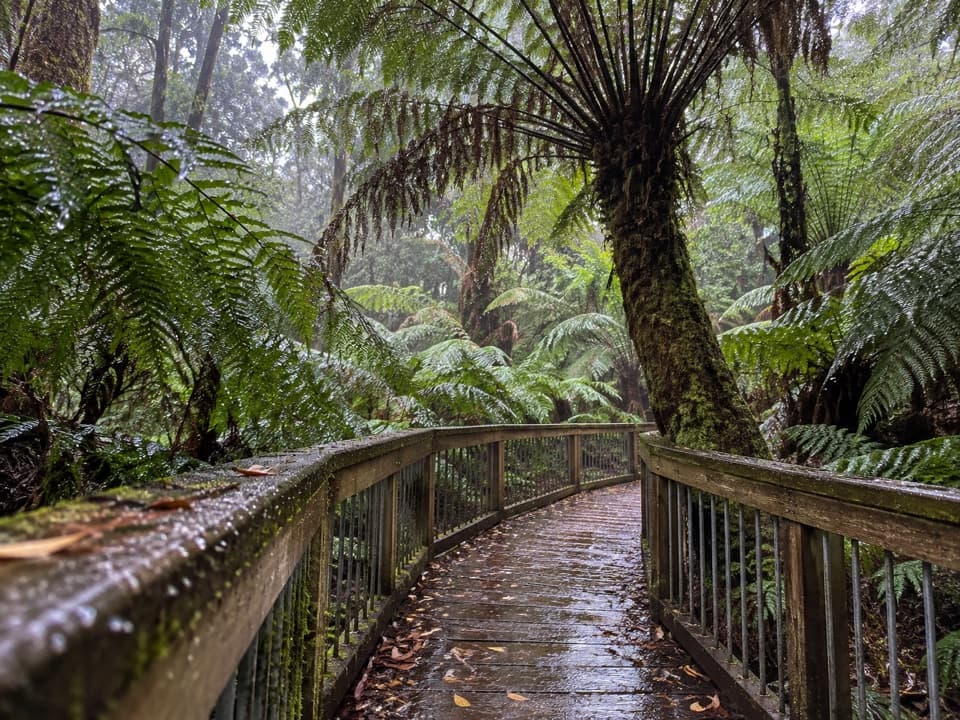 Sight · 10 km awayMaits Rest Rainforest WalkA half-hour boardwalk through tree ferns and old rainforest.
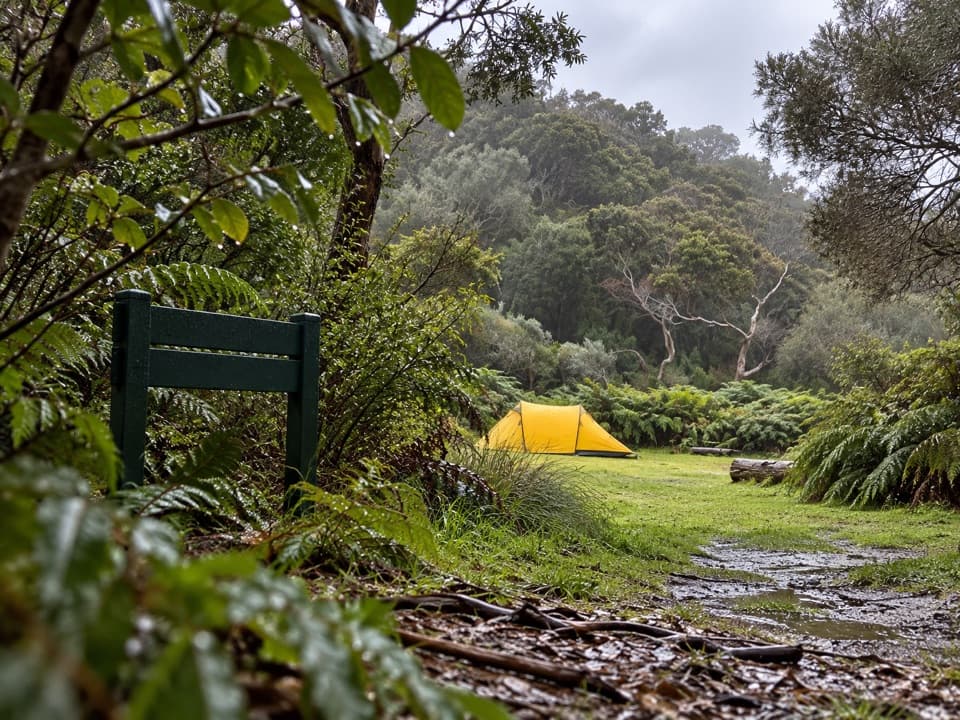 Campground · 10.9 km awayBlanket Bay Hike-in CampgroundA booked overnight camp for Great Ocean Walk hikers.
 Beach · 11 km awayBlanket BayA sheltered cove where low tide reveals patterned rock shelves.
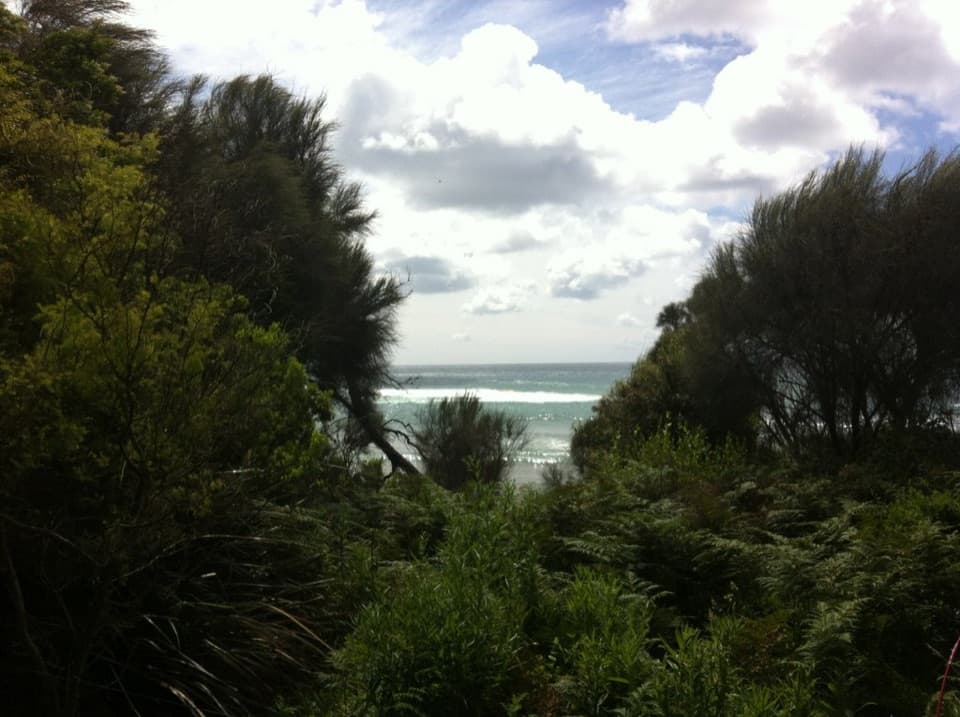 Campground · 11 km awayBlanket Bay CampgroundA small unpowered camp tucked behind Cape Otway’s sheltered beach.
Parkwolf’s Great Otway ranking

The audio tour guide for the drive, plus offline maps, trails, and wildlife heatmaps for when the signal drops.