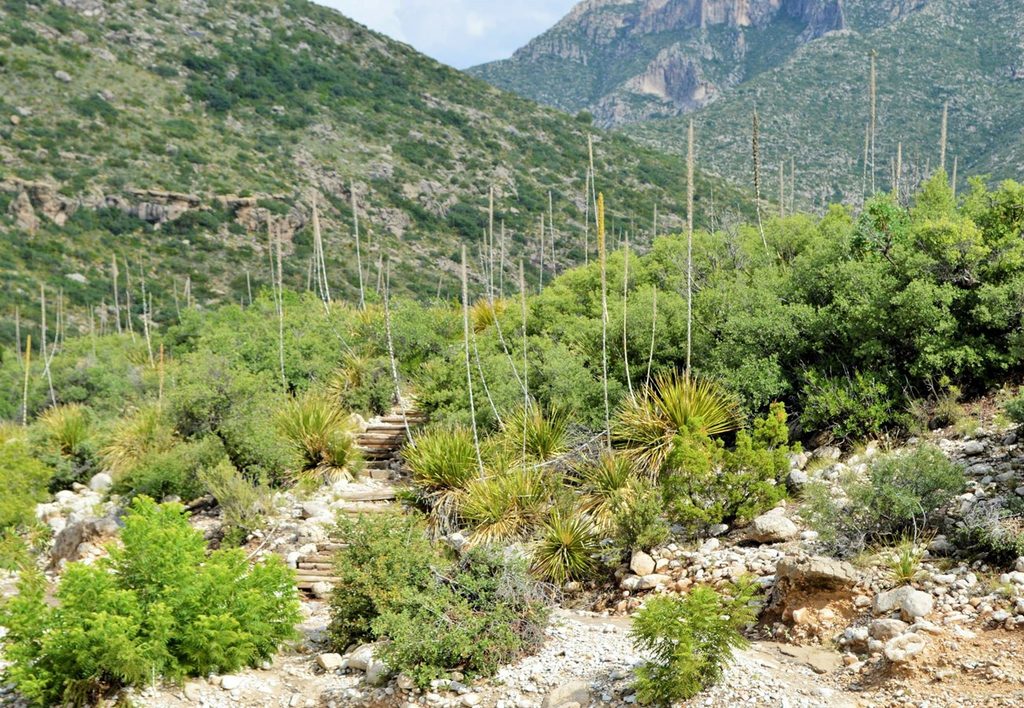
McKittrick Canyon

Desert canyon with big fall color, streams, and classic day hikes
McKittrick Canyon, Guadalupe Mountains National Park
InsideGuadalupe Mountains National Park

Overview

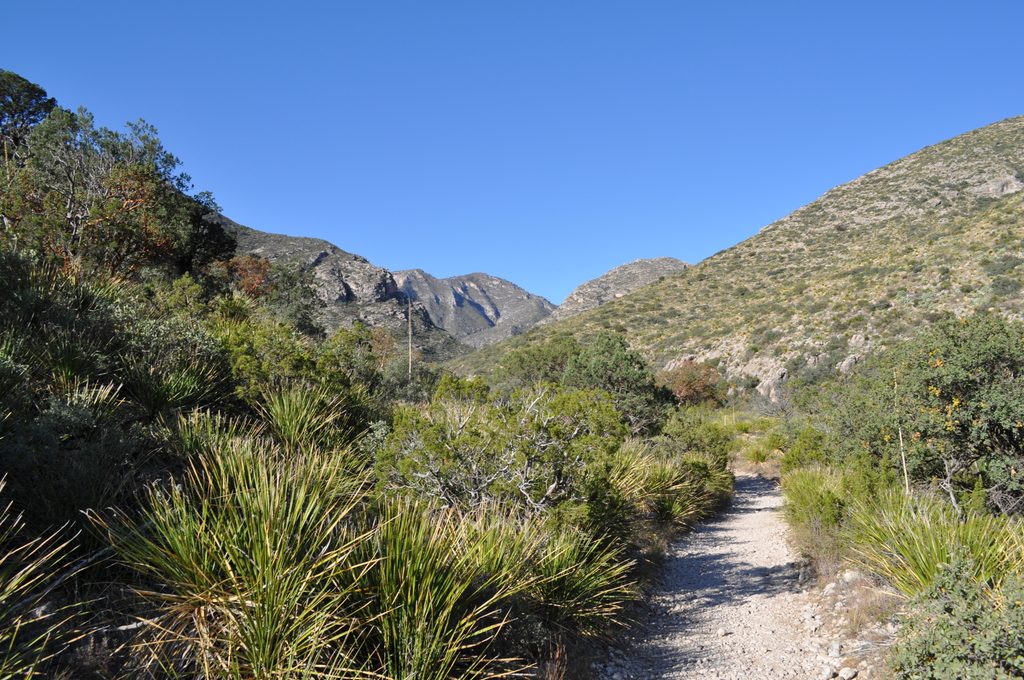
If you’re only doing one canyon here, make it McKittrick. It’s a riparian oasis tucked inside the Chihuahuan Desert—maples, oaks, and a clear stream framed by soaring limestone walls. In late October through early/mid November, the foliage turns a striking mix of reds and yellows that locals swear is the best color show in Texas. It’s day-use only, so hikes are out-and-back adventures with a hard exit before the gate closes.

Notable Hikes (from the McKittrick trailhead)

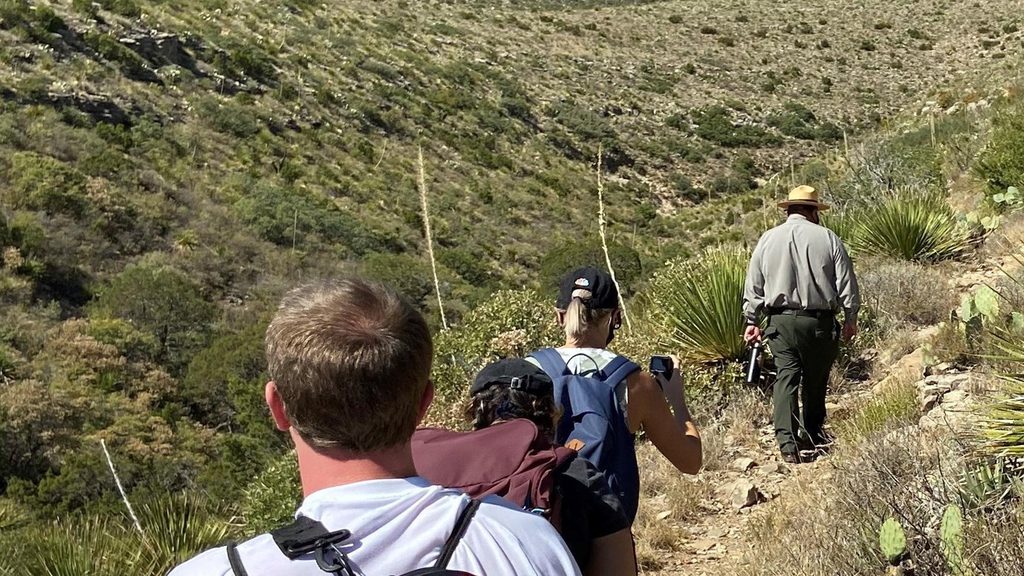
  • Pratt Cabin (about 4.8 miles round trip): Gentle cruising up-canyon to a handsome historic stone cabin with shaded picnic tables—perfect first-timer target.
  • Grotto + Hunter Line Shack (~7 miles round trip): Keep going past Pratt to a pocket of cave-like formations and stone tables; the most popular day route.
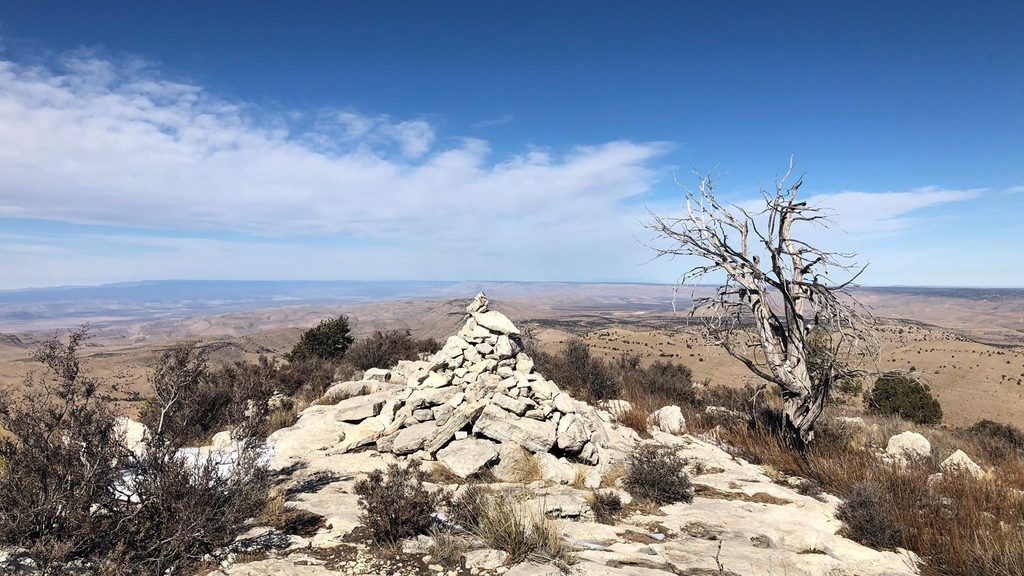
  • The Notch (strenuous): A steeper climb beyond the Grotto to a dramatic perch overlooking the canyon.
  • Permian Reef Trail (strenuous, quieter): Switchbacks up the canyon’s north wall to Wilderness Ridge with big views and far fewer people.
  • McKittrick Ridge (very strenuous): Famously called the toughest hike in Texas; best as an overnight to the ridge campground with a wilderness permit.
  • McKittrick Nature Trail: A short loop near the trailhead—nice warm-up or time-saver if you’re just passing through.

What Makes It Special

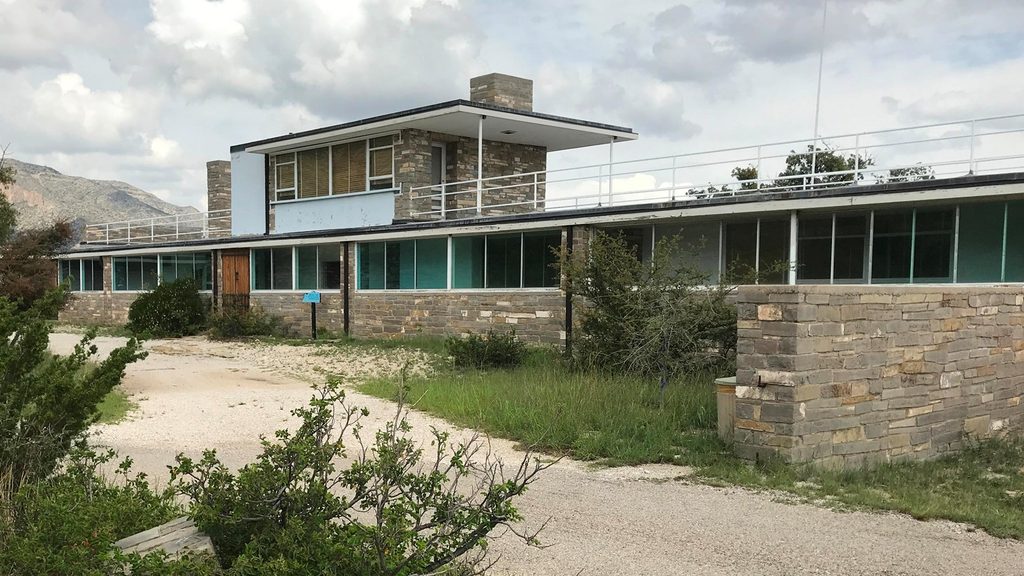
McKittrick sits within the ancient Capitan Reef—one of the world’s best-preserved fossil reefs. The limestone cliffs you’re hiking beneath were once part of a Permian-era marine system, later uplifted and carved into today’s canyons. On the human side, the canyon’s historic Pratt Cabin (designed by John F. Staub) and the Hunter Line Shack add character and offer classic picnic stops.

Wildlife to Watch For

This lush stream corridor is prime for mule deer and a wide variety of birds. Around pools, keep an eye out for Rio Grande leopard frogs and even small fish in the stream. On rocky slopes you might spot ringtails or lizards; in fall, tarantulas are more visible during their mating wanderings. As always, give wildlife plenty of space.

Amenities and Logistics

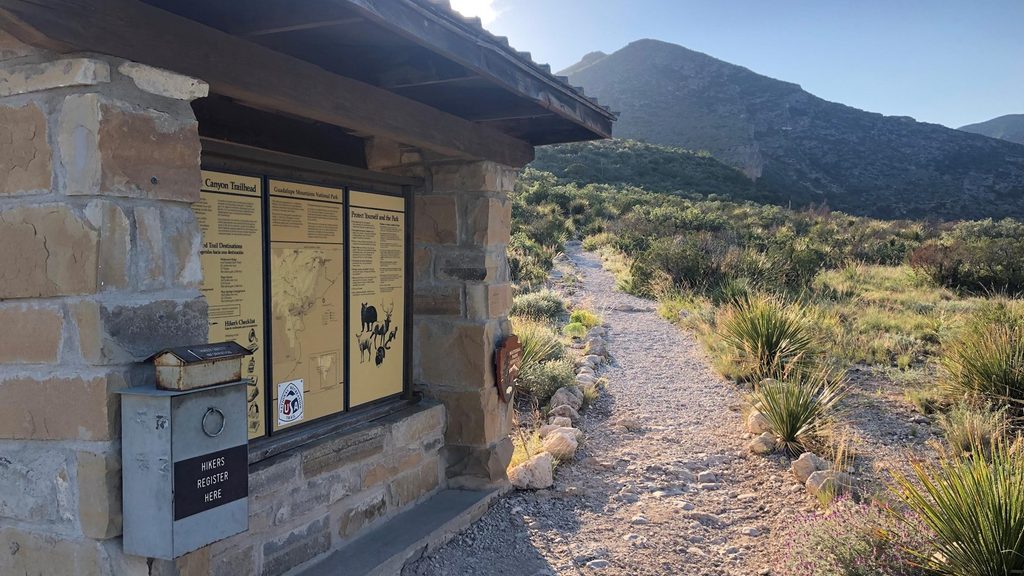
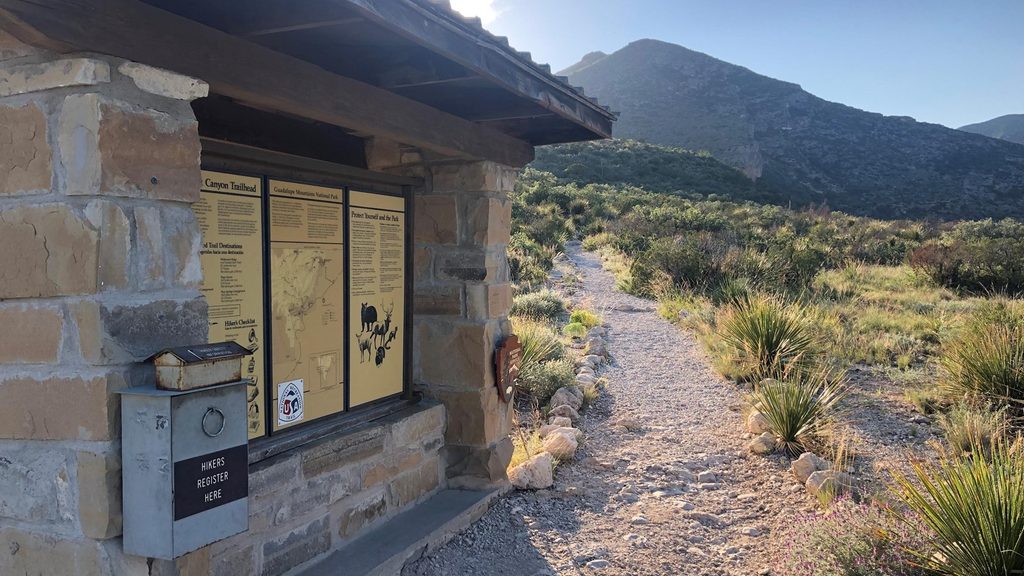
At the McKittrick Canyon Visitor Center/trailhead you’ll find flush restrooms, a bottle-filling station, picnic tables, parking (about 40 standard spaces plus oversize), and an info/exhibit area. Once you’re on the trail, there are no services—bring everything you need and expect spotty cell service. The entire area is day-use only (typically 8 a.m.–5 p.m. Mountain Time), and the gate locks at closing. The park has no gas, restaurants, or groceries; plan resupplies in nearby communities.

Best Times to Visit

  • Fall color: mid-October to early/mid-November is peak and busiest—go on weekdays and be at the gate at opening.
  • Spring and fall: most comfortable temperatures. The canyon offers some shade compared to exposed desert hikes, but heat still builds fast.
  • Photography: morning light works beautifully as it filters into the canyon; mid-day can be harsh on brighter days. Aim to be turning around in time to comfortably exit before the gate closes.

Smart Tips

  • Expect rocky tread and a few shallow stream crossings—more slick after rain.
  • For quieter miles on busy foliage weekends, consider the Permian Reef Trail or start right at opening.
  • If you’re eyeing McKittrick Ridge as an overnight, you’ll need a wilderness permit and strong legs.

Pros

  • Texas-famous fall colors in a shady desert oasis
  • Great range of hikes from easy strolls to strenuous ridge climbs
  • Historic stops like Pratt Cabin and the Grotto with stone picnic tables

Cons

  • Strict day-use hours; the gate locks at closing
  • No services on the trail and limited cell coverage
  • Parking can fill during peak fall-color weekends

Tips

  • Arrive at gate opening (around 8 a.m.) and plan to exit by 5 p.m. MT.
  • For peak foliage, target mid-October to early/mid-November and go on weekdays.
  • Carry more water than you think—there’s no potable water on the trail.
  • Expect rocky footing and a few shallow stream crossings; poles help after rain.
  • For more solitude, hike the Permian Reef Trail or start right at opening.
The Parkwolf tour guide sitting on a phone mounted in a car

Parkwolf Tour Guide

Like a tour guide in your car.

Save the places you found around Guadalupe Mountains, then let Parkwolf guide the drive between them.Download Parkwolf on the App Store