
Place · 0 mi away
Challenging
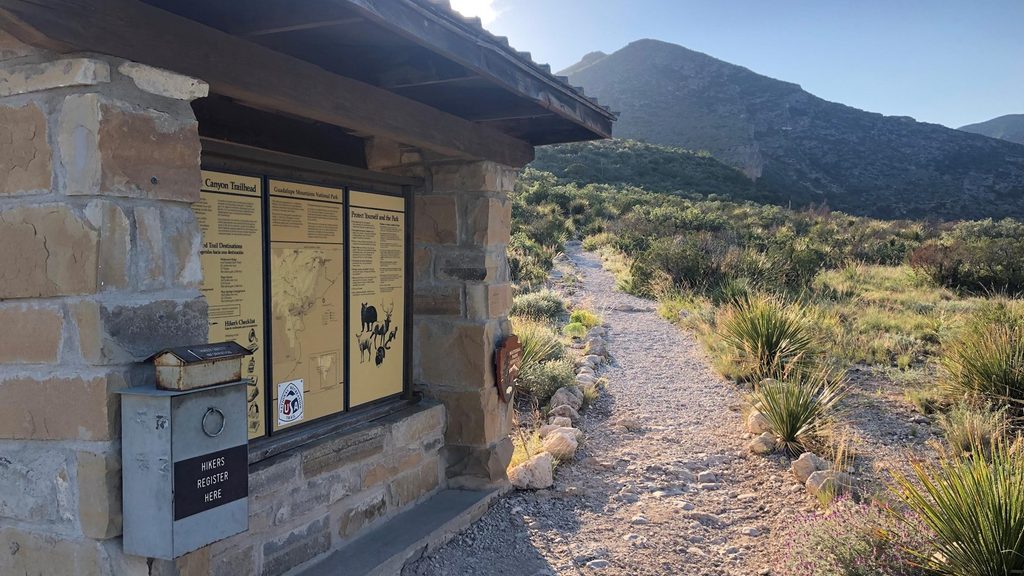
This is the park’s signature geology hike: a strenuous climb up the north wall of McKittrick Canyon to Wilderness Ridge that literally walks you through a 260–270 million-year-old reef. It’s 4.8 miles one way to the park boundary/state line (9.6 miles total out-and-back), with roughly 2,000 feet of elevation gain to the ridge/campground and up to about 2,380 feet if you continue to the boundary. Plan on 5–7 hours for the full out-and-back. Grades are sustained and the slope is south-facing—expect full sun and heat exposure for long stretches.
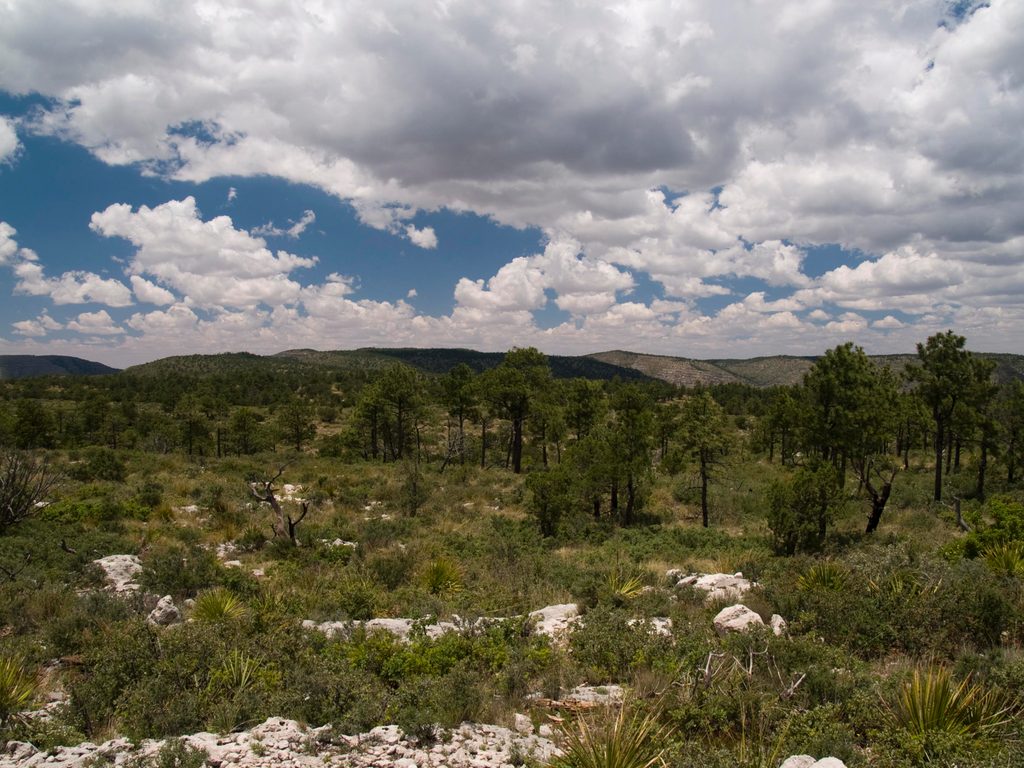
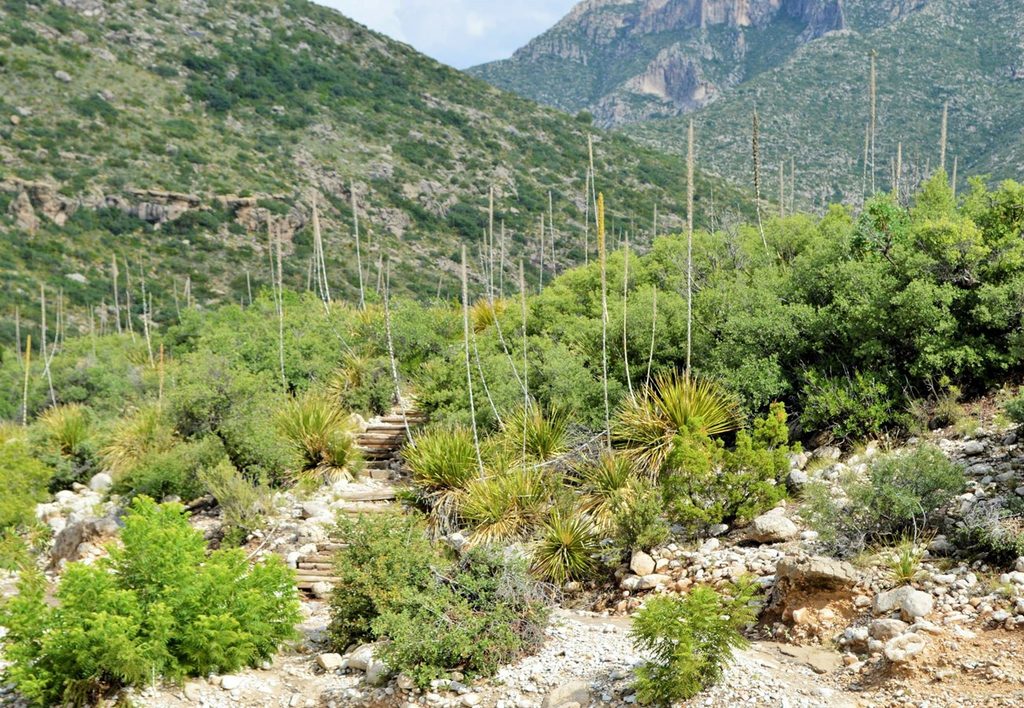
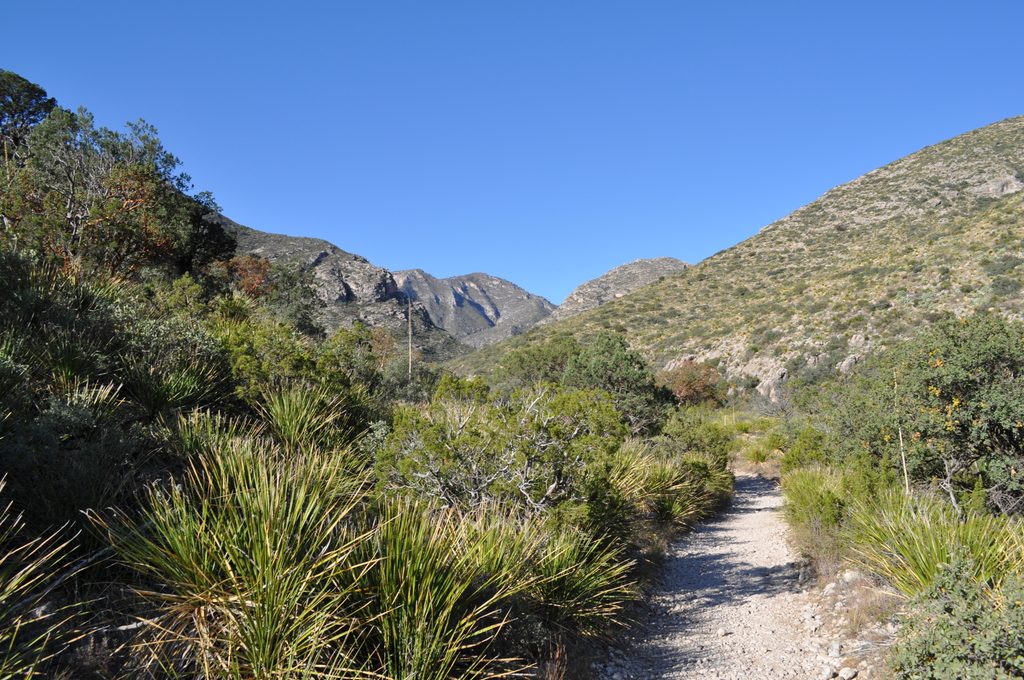
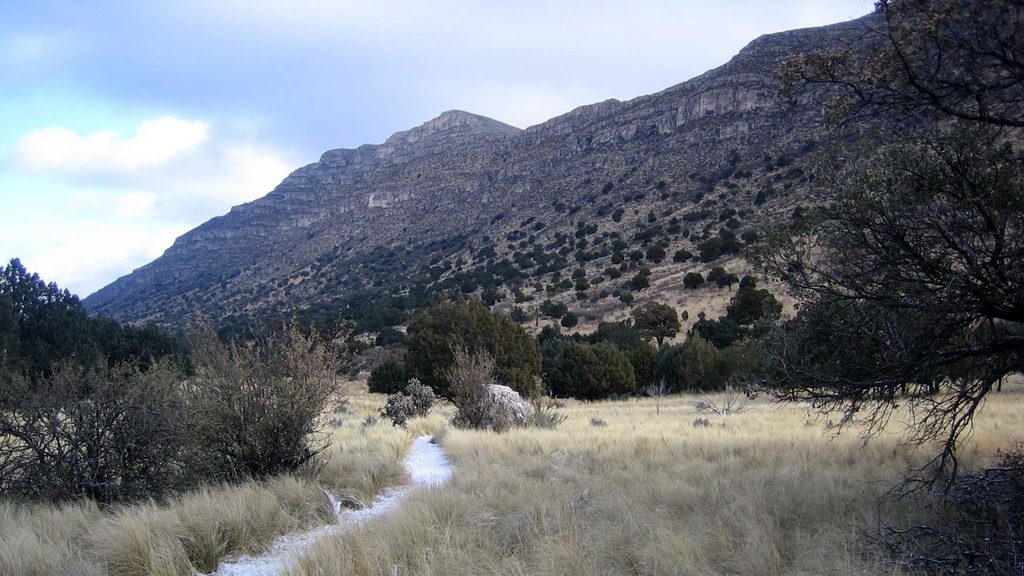
Geology is the headliner. The route climbs a cross-section of the ancient Capitan Reef, transitioning from deep-basin deposits up the debris slope to the reef crest and lagoonal facies. Along numbered stops you can spot fossil-rich layers with brachiopods and mollusks, plus chunks of boundstone—algal- and sponge-built reef rock—that tumbled downslope during reef growth and collapse. Views open into South McKittrick Canyon and the surrounding desert ridges. Flora shifts with microclimates: classic Chihuahuan Desert plants like sotol, ocotillo, prickly pear, and lechuguilla dominate, with pockets of shade harboring alligator juniper and other trees tucked into protected outcrops.
Interpretive markers line the route; grab the detailed geology brochure or guidebook if you want to decode each stop. Without them, the hike is still scenic, but the rocks come alive when you know what you’re looking at. Expect rocky, sometimes narrow tread, with occasional overgrown sections and plenty of spiny plants—long pants and trekking poles are smart. There’s also a short geology loop near the start if you want a quick sampler before committing to the climb.
Go fall through spring—roughly October to May—for cooler temps and clearer air. Summer heat on this south-facing slope can be brutal. Start at dawn for shade on the wall and to give yourself a generous turnaround window. Afternoon light can be beautiful across McKittrick Canyon, but don’t let it trap you against closing time.
This is a day-use corridor with a gate that locks at closing—set a hard turnaround so you’re out on time. Carry ample water, sun protection (hat, UPF layers, sunscreen), and snacks; there are no services on the ridge. If you want to linger and explore the geology more deliberately, consider an overnight at Wilderness Ridge Campground (4.5 miles one way) with proper permits. Beyond the park boundary the path enters Lincoln National Forest, where rules differ. Pets are not allowed on this trail.
Day-use access via McKittrick Canyon; park at the trailhead area before the gate and plan your return to exit before closing.
Exposed, south-facing climb with long sun exposure and no water; rocky, occasionally overgrown tread with cacti and loose rock; day-use gate locks at closing—set a hard turnaround; regulations differ beyond the park boundary; pets not allowed.
Place · 0 mi away
Place · 0 mi away
Place · 0.2 mi away
Place · 1.7 mi away
Challenging · 0 mi away
Easy · 0 mi away
Moderate · 4.9 mi away
Easy · 4.9 mi away

Parkwolf Tour Guide
