
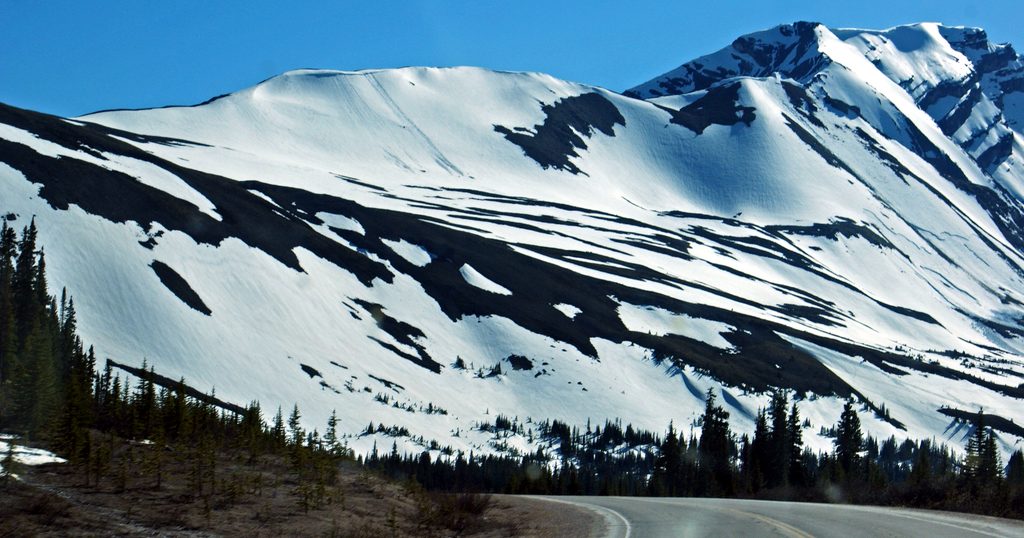
Place · 1.9 mi away
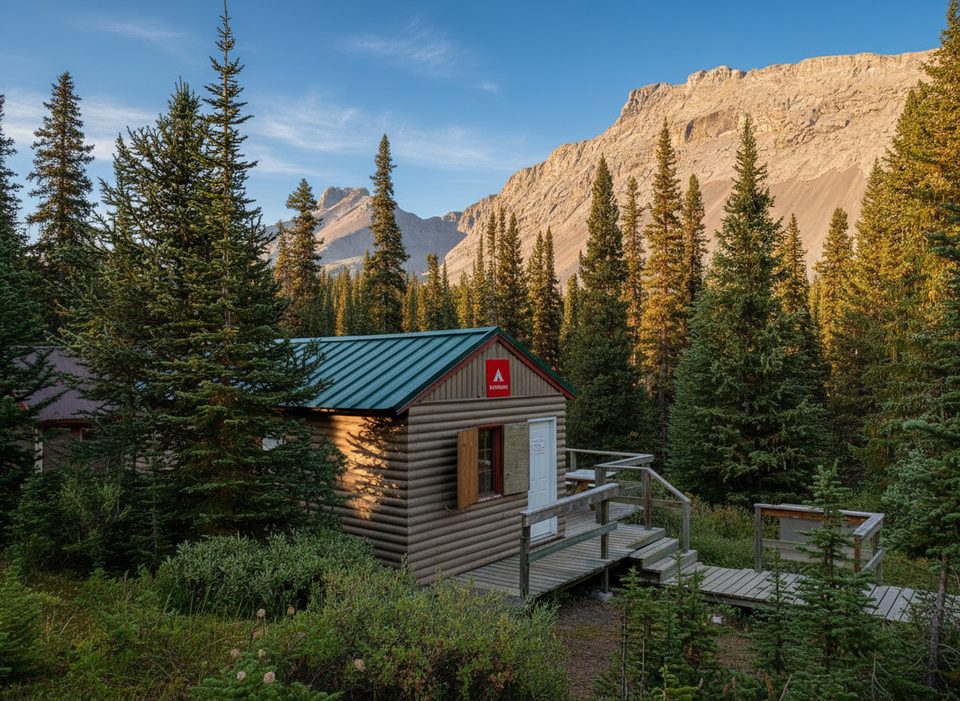
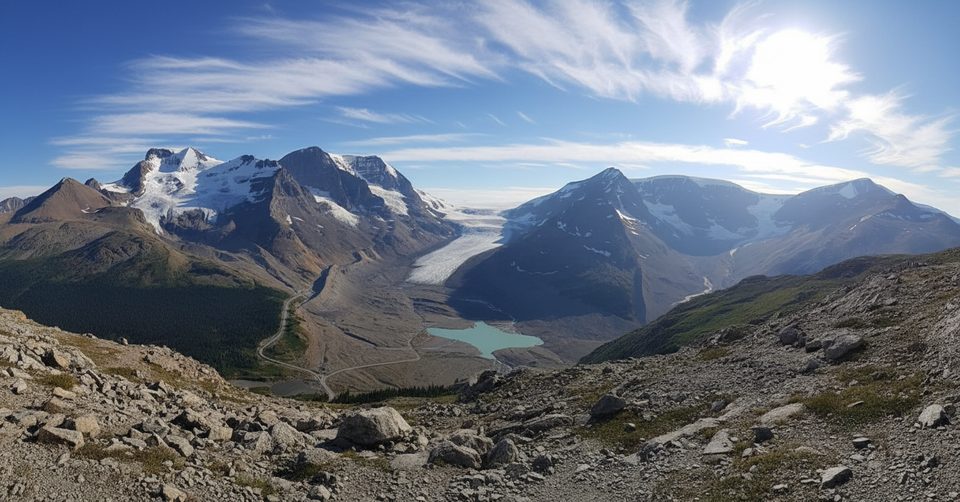
Hilda Creek is the definition of a wilderness stay: two simple cabins tucked into the upper sub‑alpine along the parkway, surrounded by stunted trees, serrated peaks, and nearby icefields. You get the whole place to yourself (it’s rent‑the‑entire‑hostel only), a tiny deck, and six bunks—plus all the solitude you can handle. This is for people who want to trade amenities for immersion.
The hostel sits right off the parkway in big‑mountain country, with direct rambling from the door and quick access to classics like Parker Ridge, the moraines below Hilda Glacier, and the Columbia Icefield area. In summer it’s a mellow 5‑minute walk from the car; in winter, bring snowshoes and a sled to move gear.
Experienced, self‑reliant travelers who like the hut vibe without crowds. Small groups and adventurous families do well here. If you want staff, tap water, or easy comforts, pick another spot down the road.
You’re in prime Rockies habitat—think mountain goats, marmots, birds of prey, and the possibility of bears. Keep a clean kitchen, store food diligently, and follow standard wildlife safety at all times.
Pack as if you’re backcountry camping: all drinking water (or a reliable way to melt/treat snow in winter), food, headlamps/lanterns, warm sleeping bags and layers, and a full first‑aid/repair kit. If you plan to tour the surrounding terrain (like Parker Ridge), bring proper avalanche gear and knowledge. Flat sheets or liners are smart if you don’t want to sleep directly on mattresses.
The hostel is unstaffed and accessed by key code; you’ll sign a waiver and are responsible for operating heaters and leaving it tidy for the next group. There’s no Wi‑Fi or cell service. Basic services are at the Columbia Icefield Centre a short drive away—don’t count on anything on site.
Place · 1.9 mi away
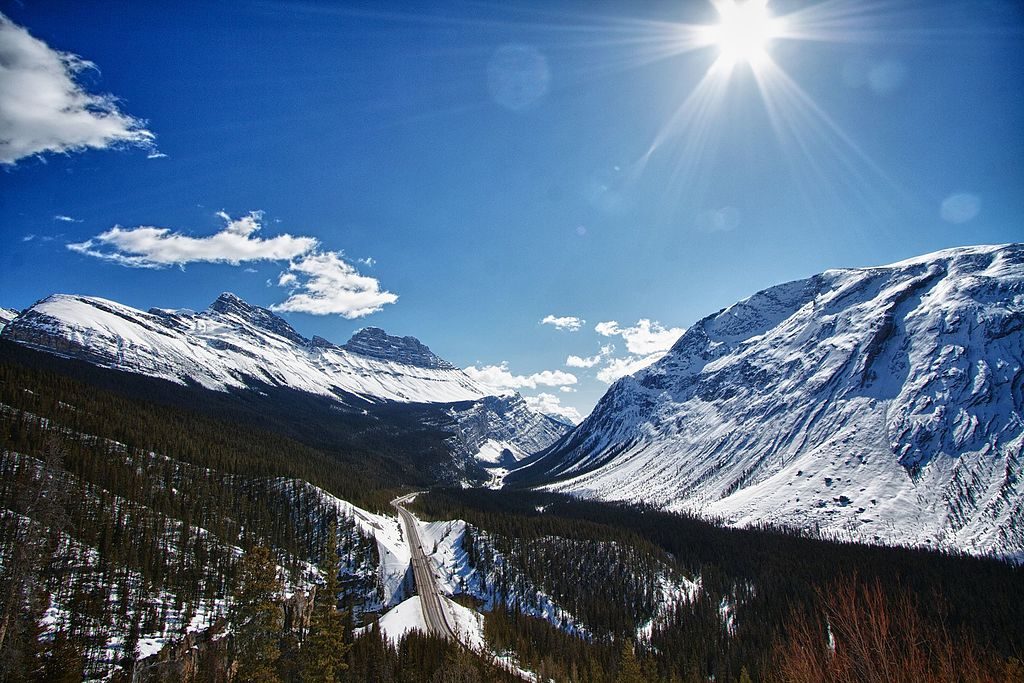
Place · 1.9 mi away
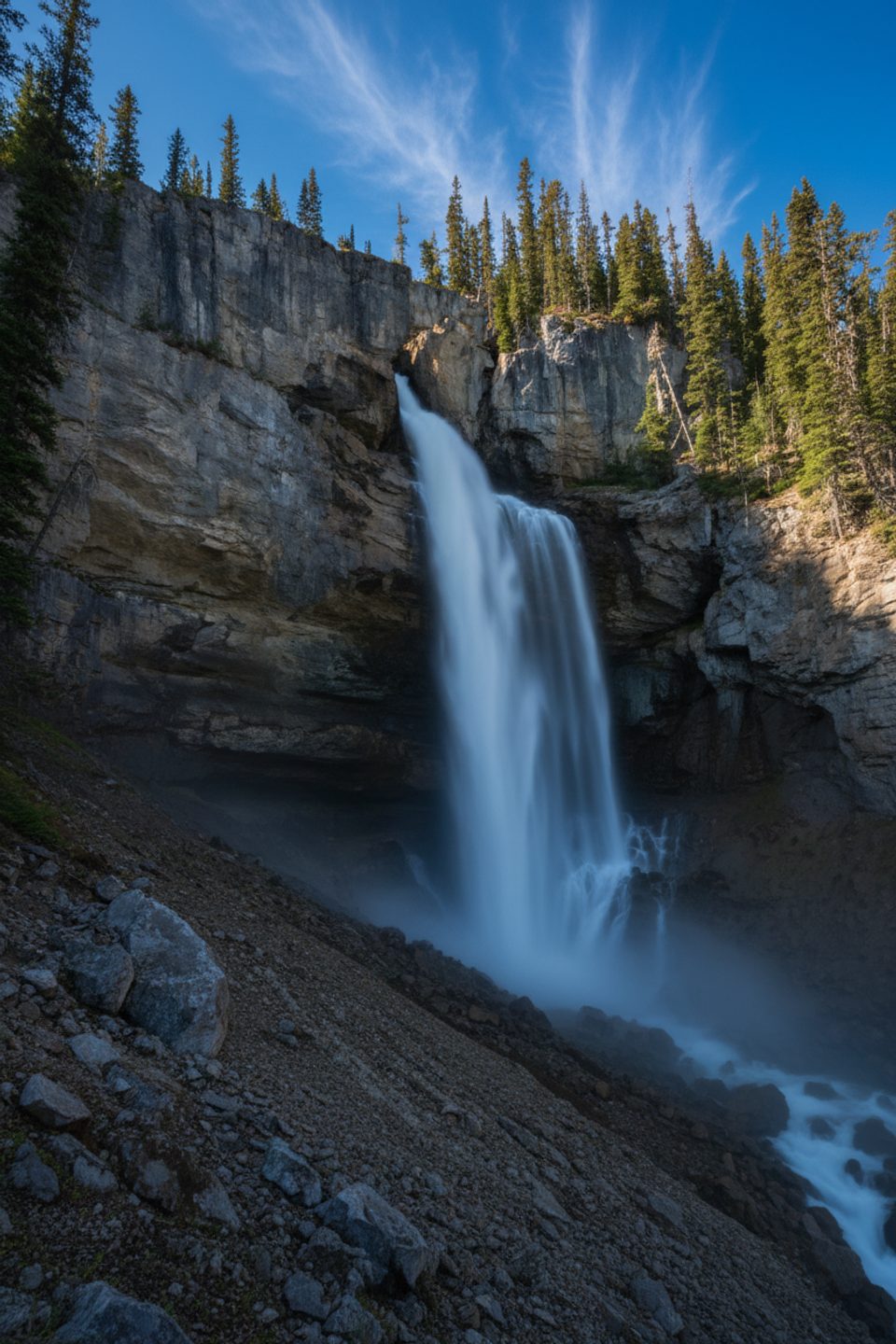
Place · 3.2 mi away
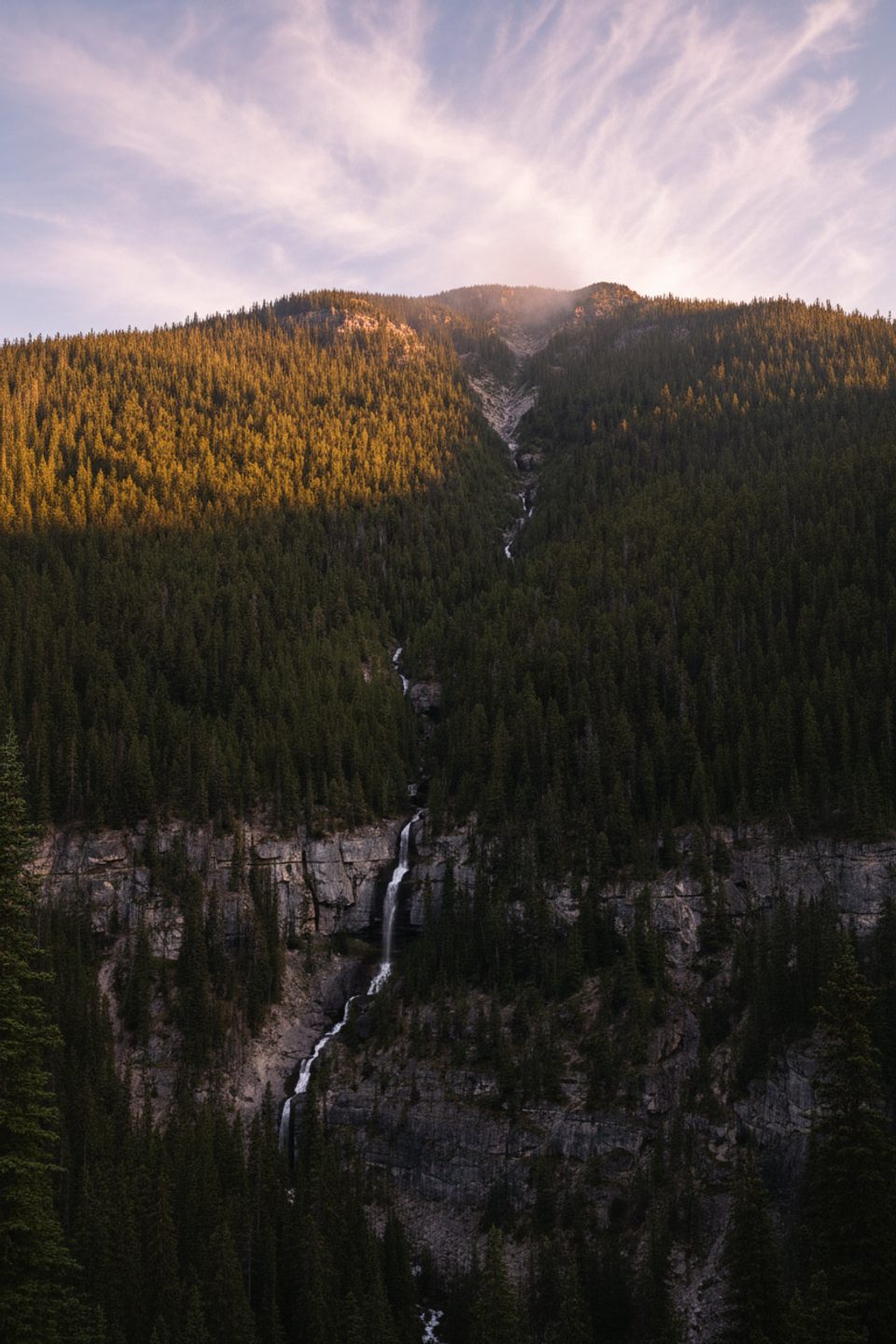
Place · 3.4 mi away
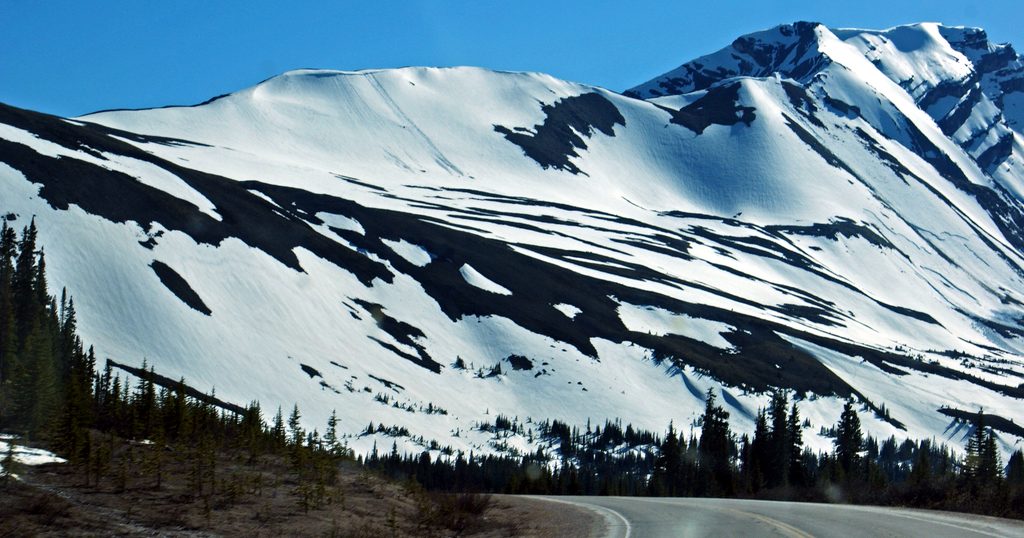
Moderate · 0.6 mi away
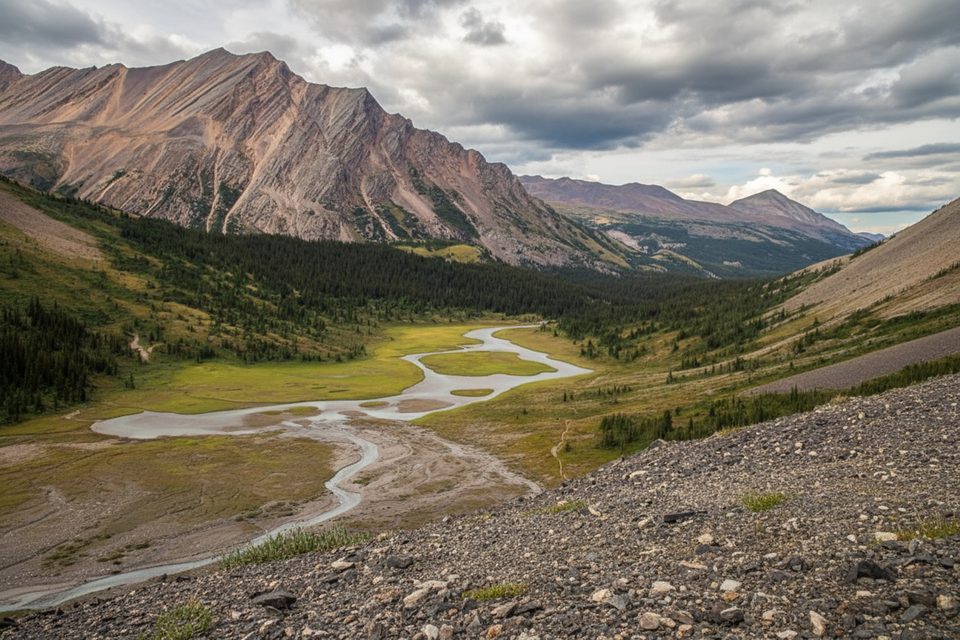
Moderate · 2.6 mi away
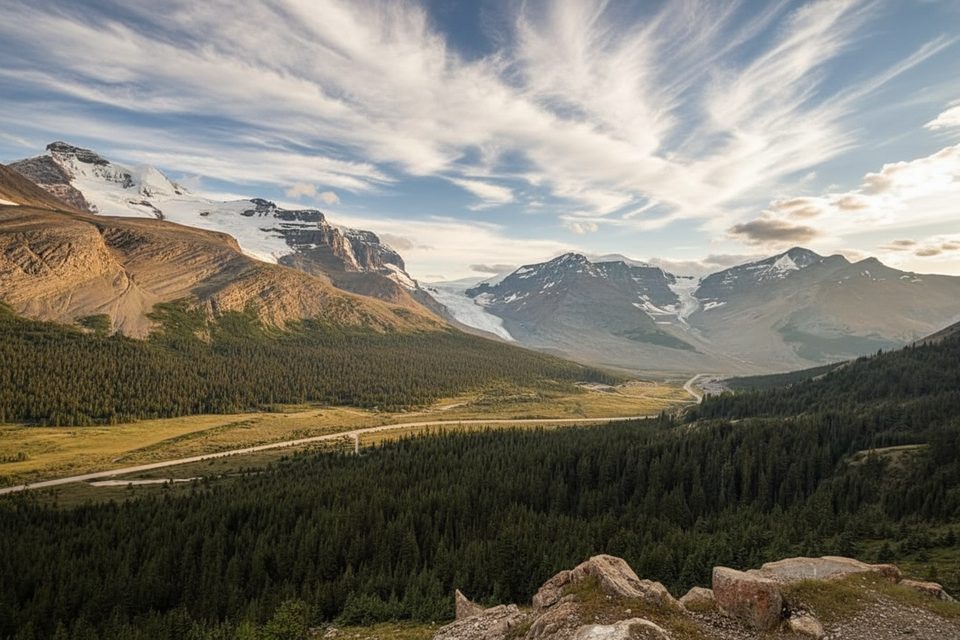
Moderate · 2.9 mi away
Moderate · 2.9 mi away

Parkwolf Tour Guide
