
Place · 1.4 mi away
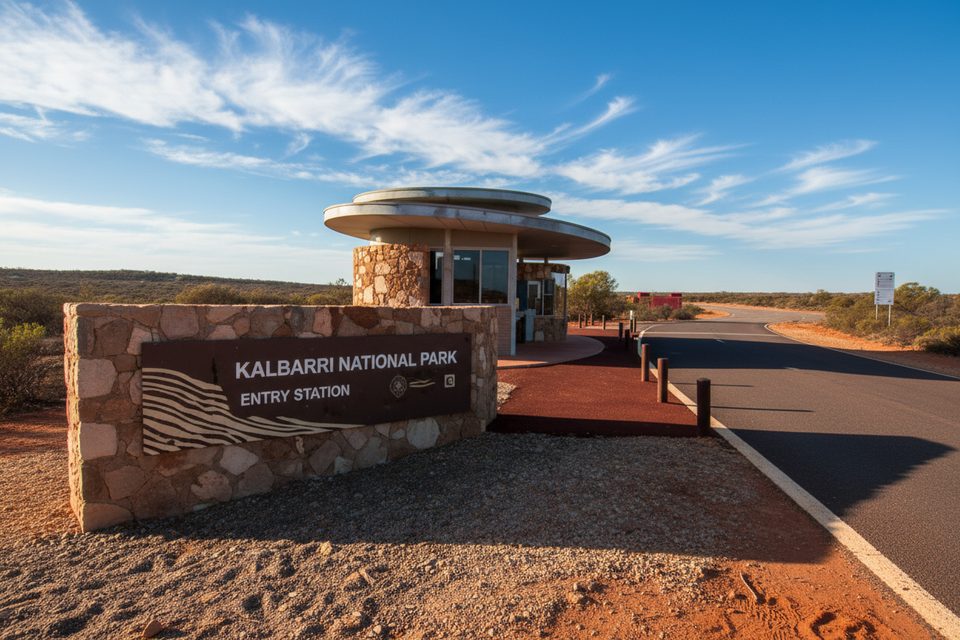
This is the park’s on-the-ground ranger base: the place to sort permits, ask quick questions, and register for overnight hikes before you disappear into the Murchison River gorges. Expect a simple, functional setup (think counter/window rather than full-blown visitor centre) geared to practicalities, not exhibits.
Service can be hit-or-miss: many visitors report helpful, knowledgeable staff; others have found the window unattended or the interaction brief. Treat it as a quick admin stop rather than a destination.
Swing by early morning on weekdays before hitting the trails — you’ll beat both heat and any lines. Aim for the cooler months (May–October) for smoother hiking plans. If you’re here November–March, plan around early closures at The Loop/Nature’s Window area and get your paperwork sorted first thing.
Place · 1.4 mi away
Place · 2.1 mi away
Place · 3.5 mi away
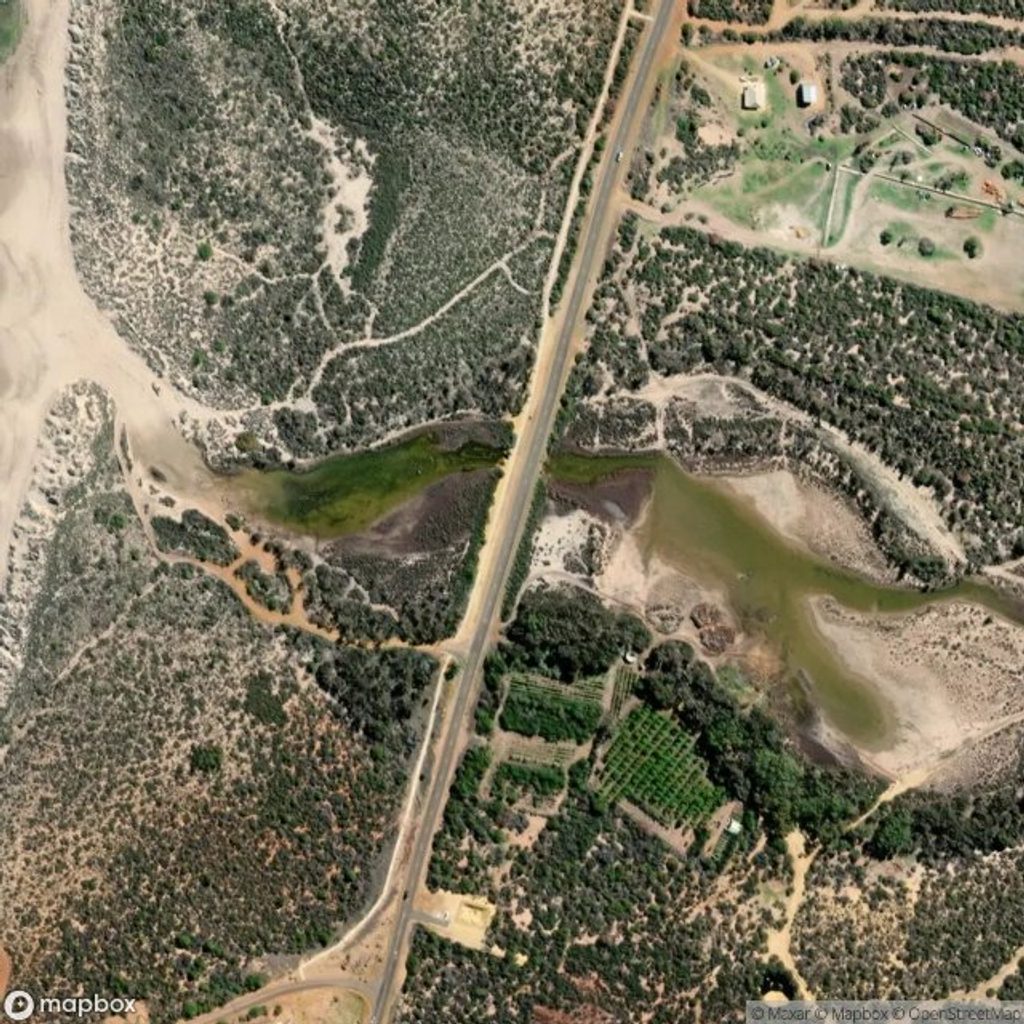
Place · 3.8 mi away
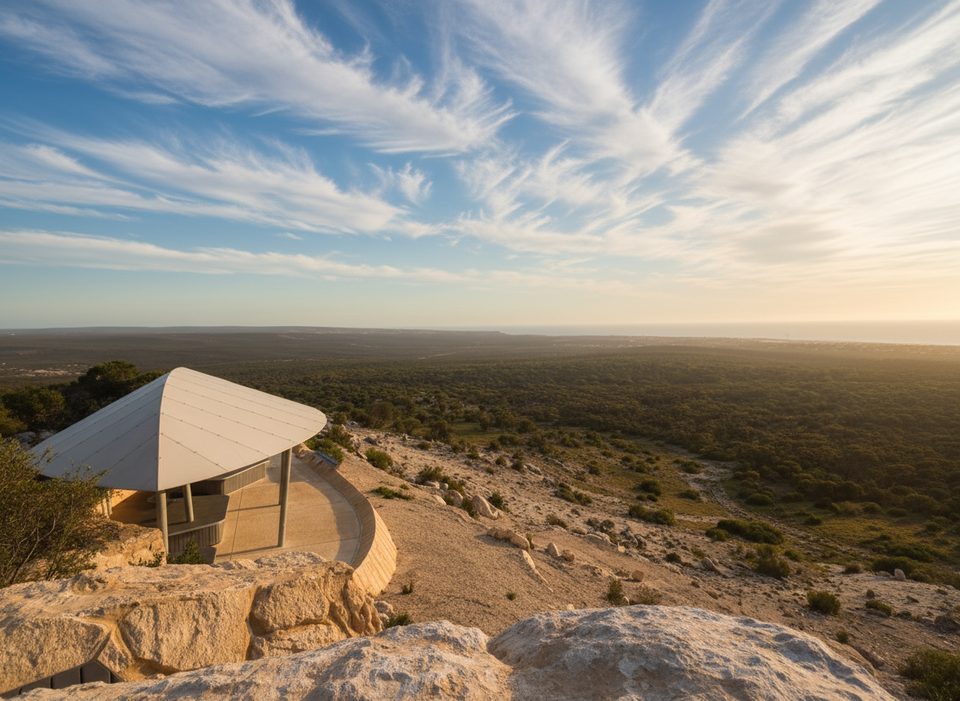
Easy · 2.1 mi away
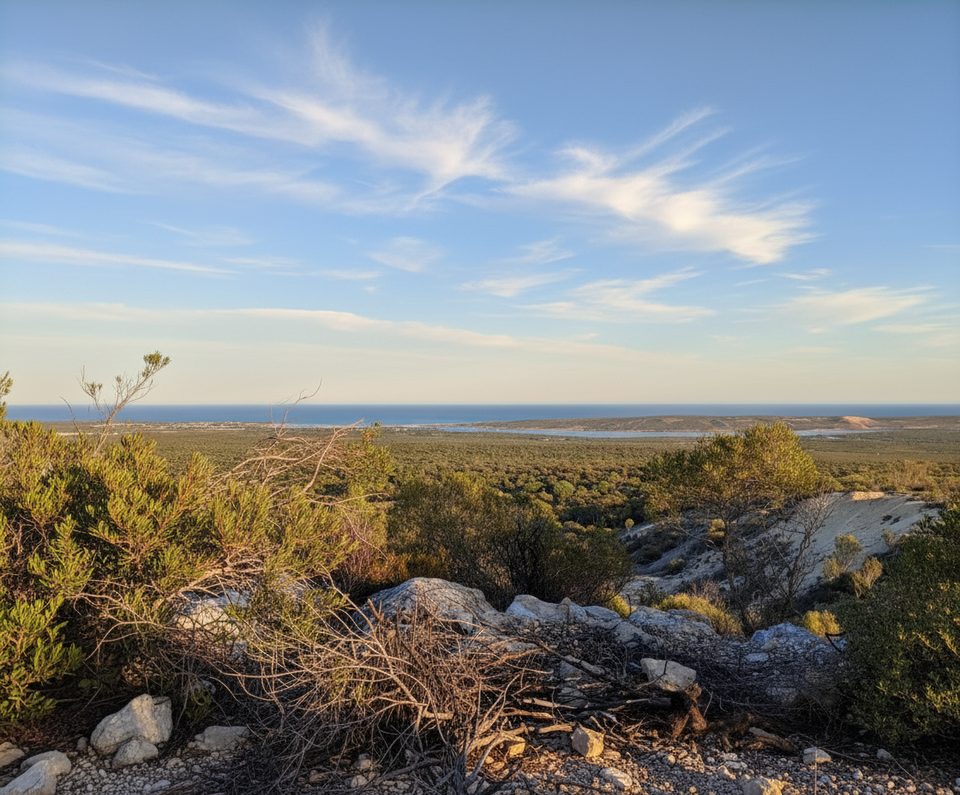
Easy · 2.1 mi away
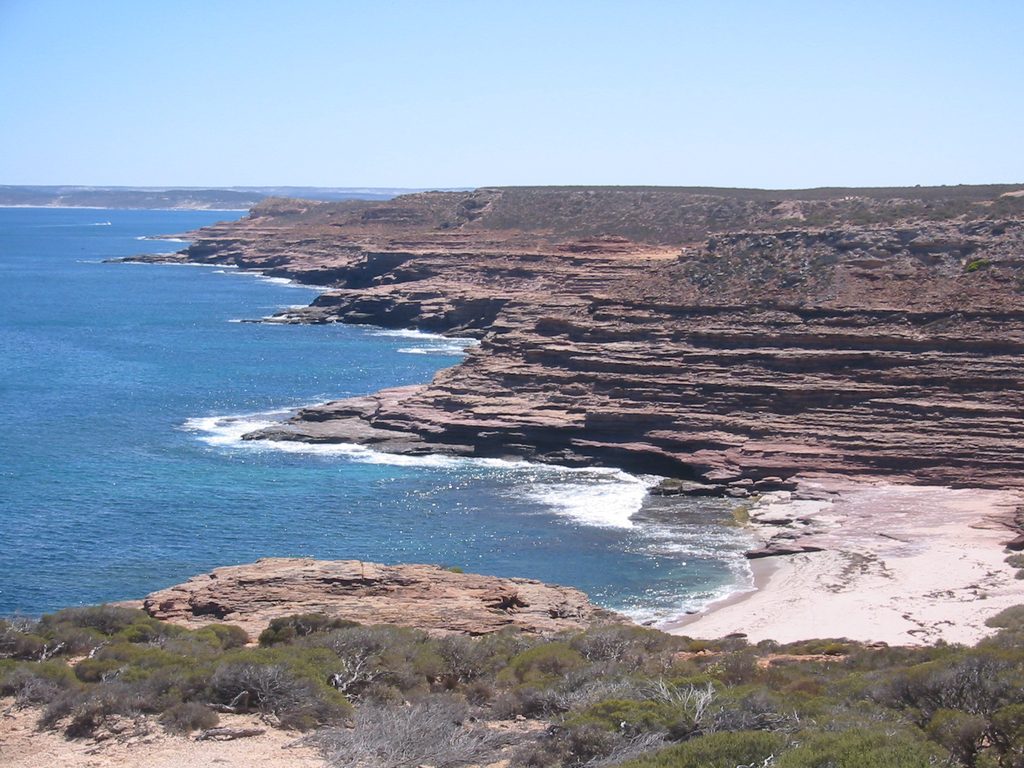
Easy · 4.4 mi away
Moderate · 4.4 mi away

Parkwolf Tour Guide
