
Place · 1.3 mi away
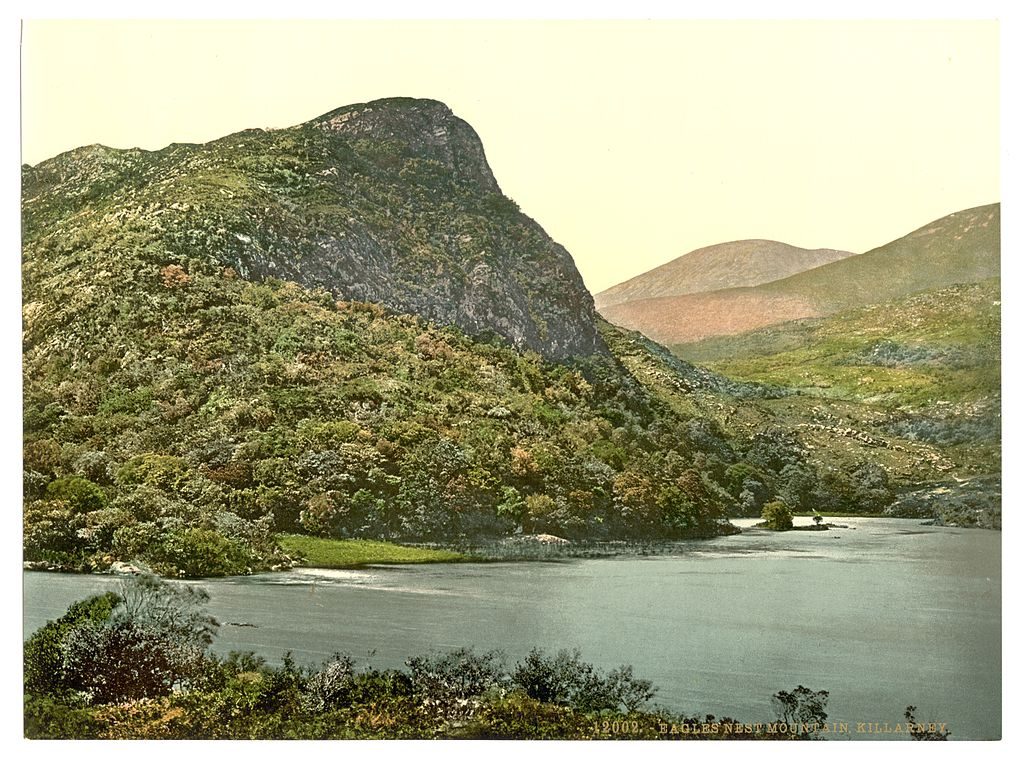
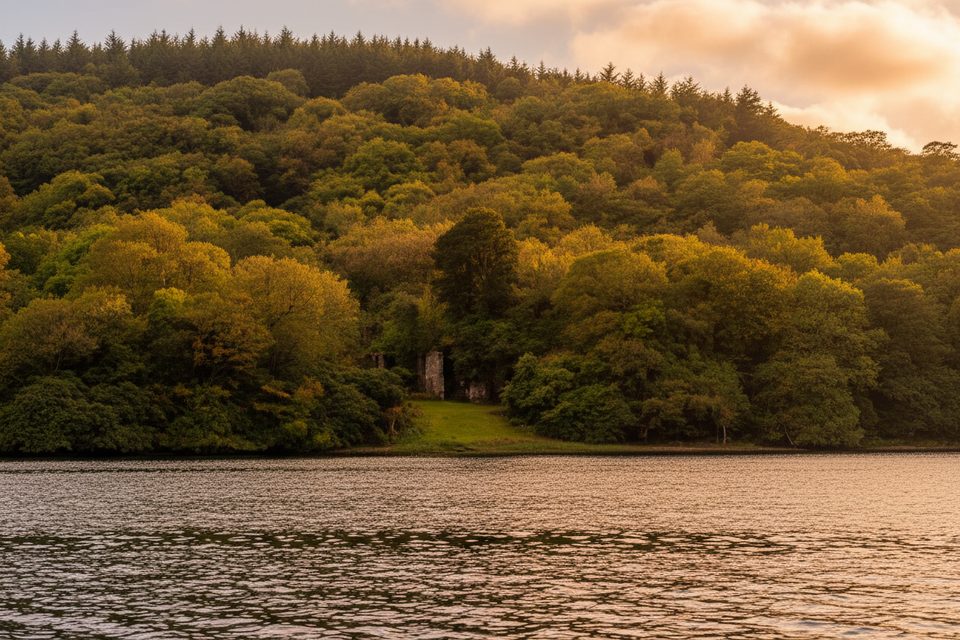
Eagle's Nest is a striking rock outcrop above the Lakes of Killarney—more a wild landmark than a developed viewpoint. Most people admire it as they travel the classic lake corridor, and that’s exactly how it feels best: remote, moody, and focused on nature rather than infrastructure.
This is prime territory for white‑tailed sea eagles, reintroduced here starting in 2007. Scan the skies over Lough Leane, Muckross Lake, and the Upper Lake, and keep an eye on the slopes of Eagle’s Nest itself. You also share the landscape with Ireland’s native red deer herd (the rut peaks late September–October), otters along wooded lake margins, and regulars like grey herons and waterfowl. A quick tip: watch the channel by Brickeen Bridge into Muckross Lake for early/late otter activity.
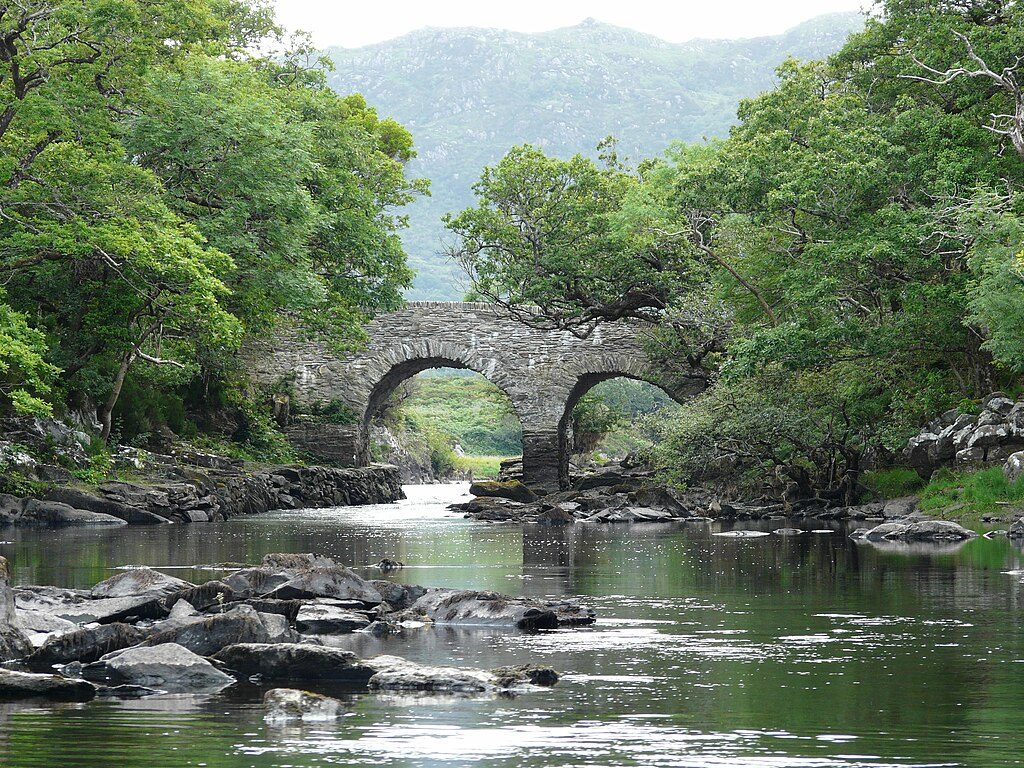
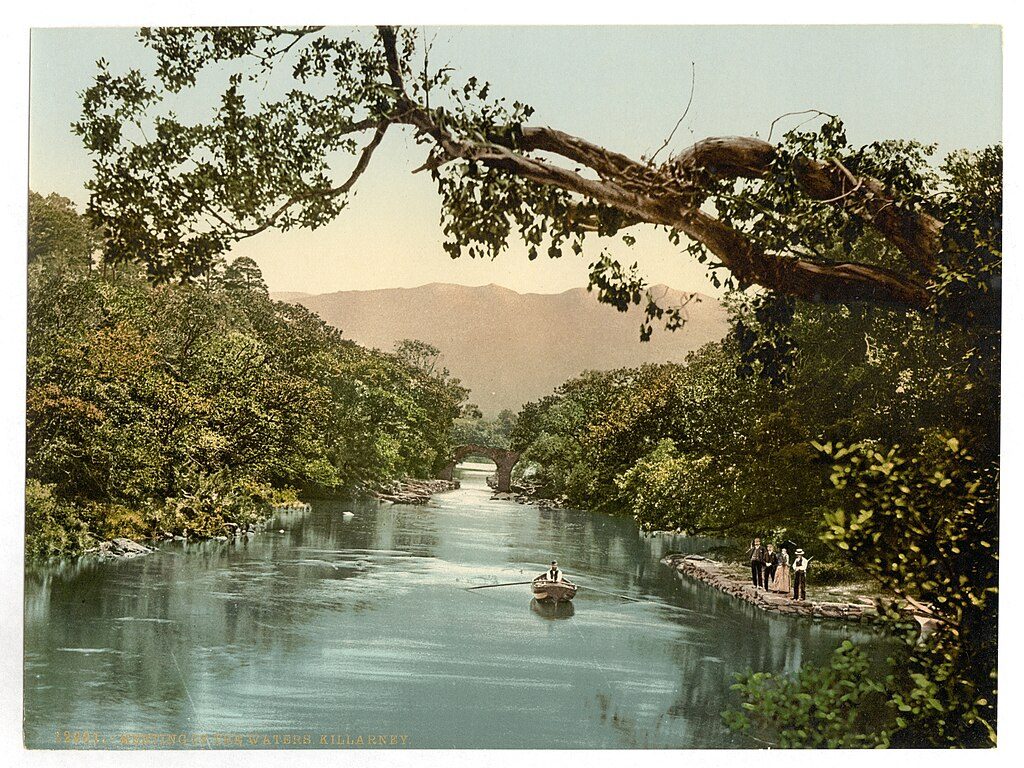
There isn’t a dedicated “Eagle’s Nest” car park or a signed, stand‑alone trailhead. Most visitors see it by boat—from Ross Castle across Lough Leane through Brickeen Bridge and Dinis/Old Weir Bridge to the Upper Lake toward Lord Brandon’s Lodge. On foot or by bike, you reach viewpoints via longer routes that use established corridors such as the Old Kenmare Road or approaches from the Black Valley/Lord Brandon’s side. Expect uneven ground and minimal signage away from the main hubs.
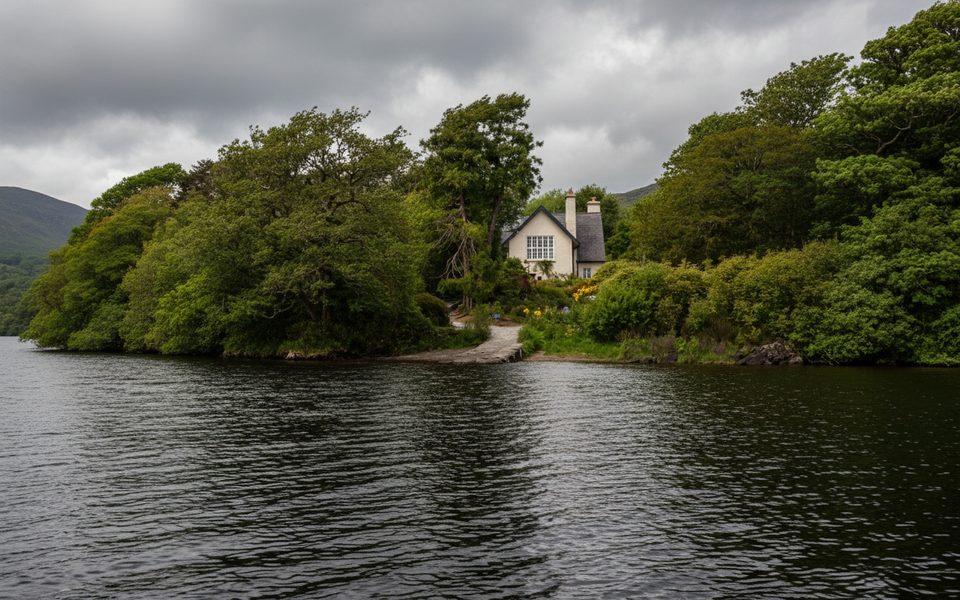
Plan for zero amenities at the rock itself—no toilets, no picnic tables, no formal parking. Use facilities at the park hubs (e.g., Ross Castle or Muckross House). Seasonally, Dinis Cottage and Lord Brandon’s Cottage may offer services when open; in November, many such facilities operate on reduced hours or are closed.
Bring binoculars (8x–10x) and a zoom lens so you can keep a respectful distance while getting satisfying views. Move slowly, keep voices low, and never feed or approach wildlife. Local boatmen on the Gap of Dunloe route often know where the eagles have been active most recently.
The park’s famed oakwoods were heavily cut from the 17th–19th centuries to feed charcoal for iron smelting, with large fellings recorded around nearby sites like Ross Island, Glena, and Tomies. Many oaks you see today are roughly two centuries old, while truly undisturbed oakwoods persist mainly in remote mountain valleys. It’s a layered landscape: recovering woodland, ancient geology, and the return of a top raptor over your head.
Place · 1.3 mi away
Place · 1.3 mi away
Place · 1.4 mi away
Place · 1.4 mi away
Moderate · 2.9 mi away
Moderate · 2.9 mi away
Moderate · 2.9 mi away
Moderate · 2.9 mi away

Parkwolf Tour Guide
