
Place · 0 mi away
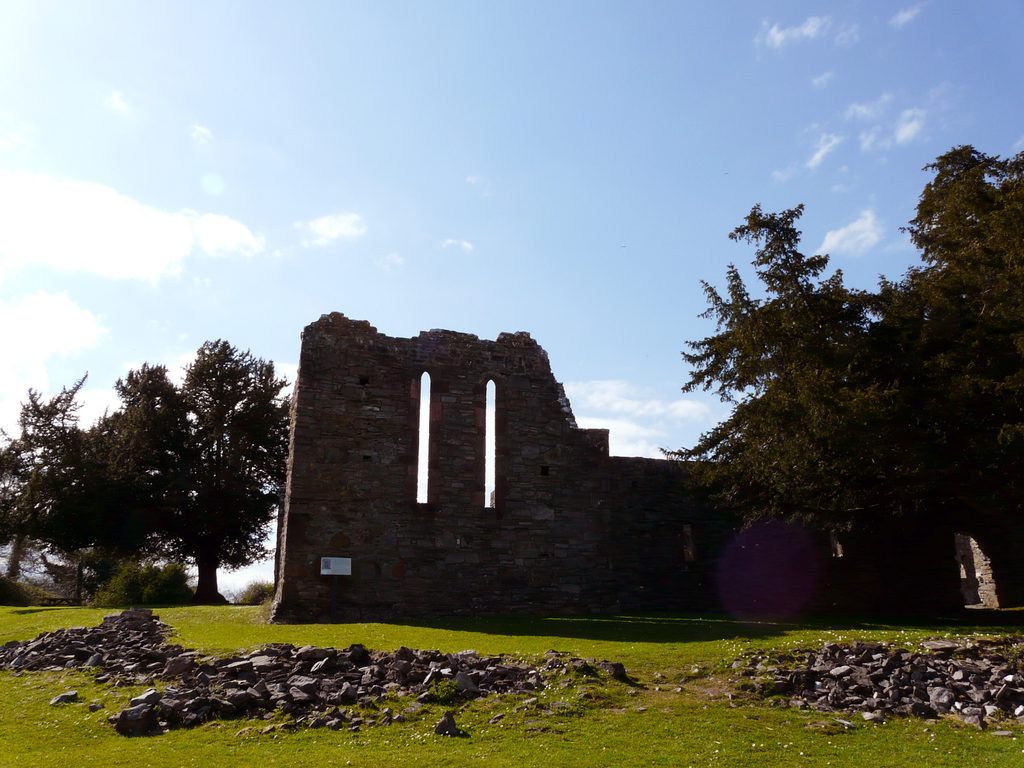
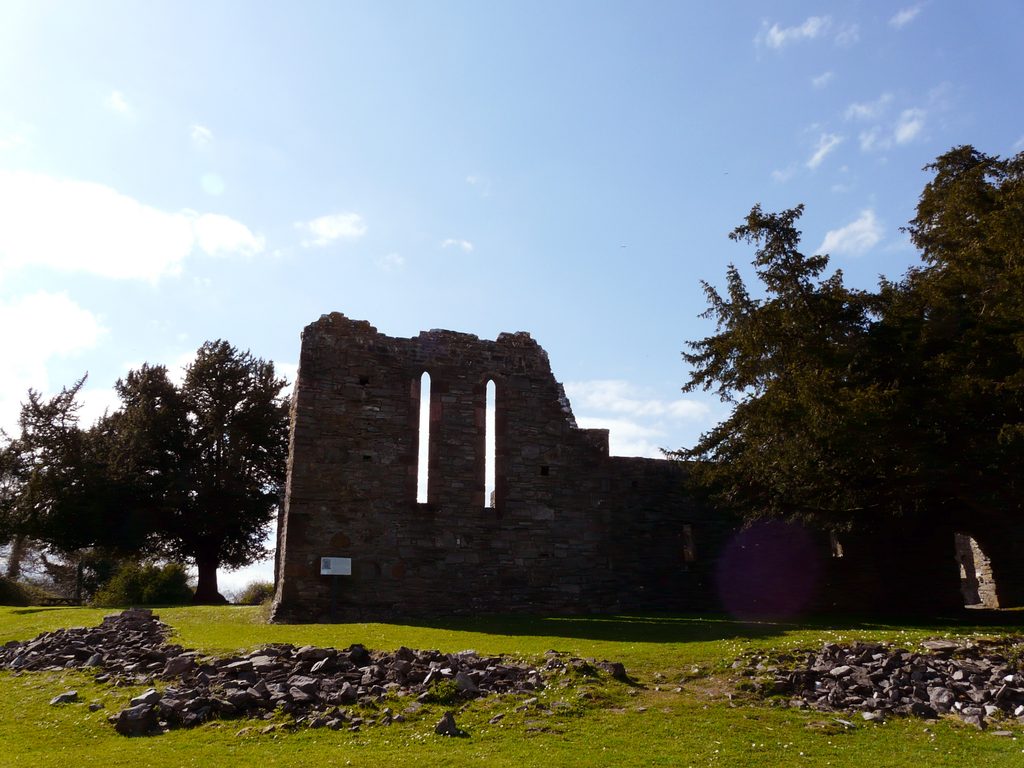
A tiny, wooded island in Lough Leane that feels blissfully remote once you step off the boat. Innisfallen was a renowned early center of learning—the lake is often called the “lake of learning”—and today it’s a calm, atmospheric place to wander ruins, watch deer, and soak up mountain-and-water views.
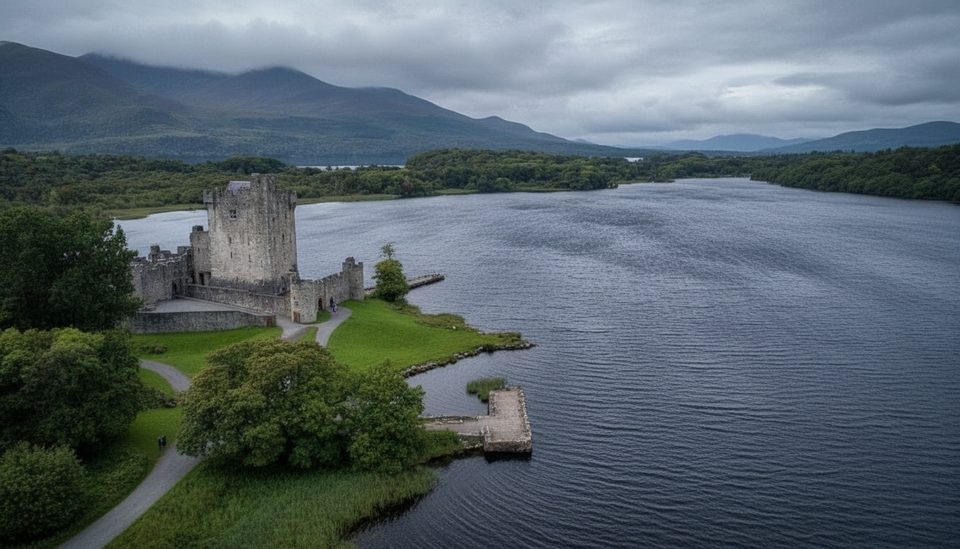
Most boats depart from the pier beside Ross Castle, about 2 km from town. The open motorboat crossing takes roughly 10 minutes (lifejackets provided and required). You can also arrange guided kayaking or even hire a rowboat; large covered waterbuses usually pass the island but don’t land. Many boatmen allow around an hour ashore—ask for longer if they’re not busy. Expect a modest fare (roughly €12 per adult as a guide price).
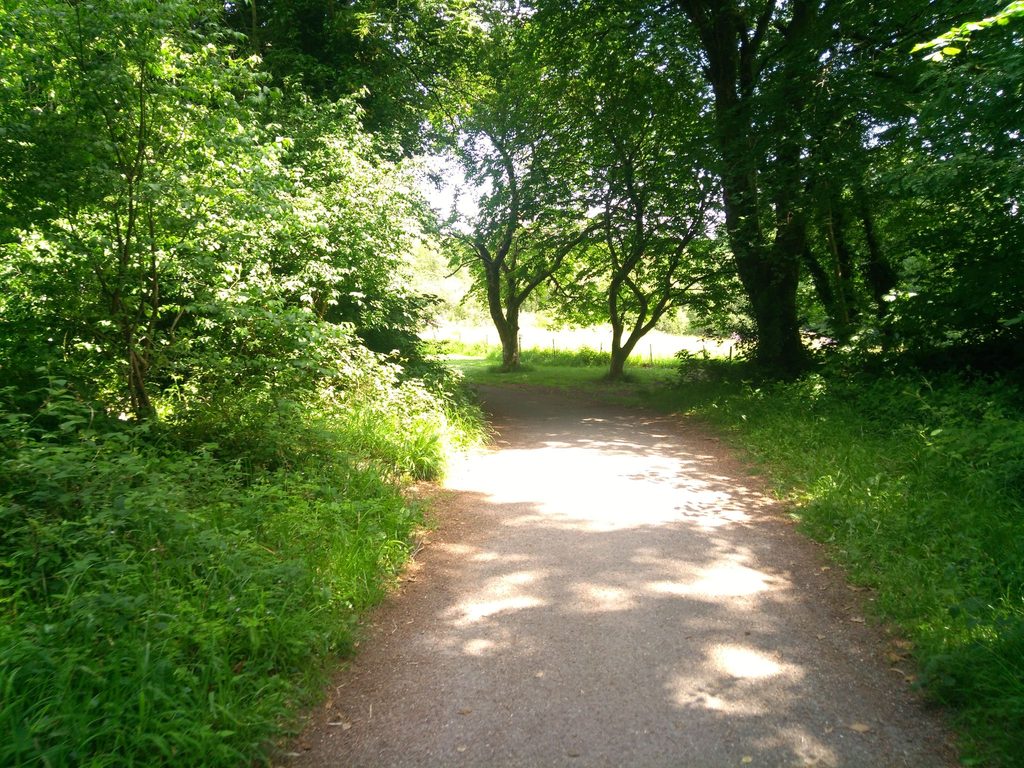
There are no services—bring water and snacks. A simple loop path circles the island in under 30 minutes; it’s mostly flat but grassy/muddy in places, and the landing uses stone steps. There’s a single picnic bench. Weather on the lake turns quickly, and you may catch spray on the ride, so pack a layer.
Red deer live on the island (early mornings are best for quiet sightings; they’re sometimes seen swimming). You’ll also notice swans and cormorants, and occasionally—if you’re lucky—white‑tailed eagles in the wider park. Give deer plenty of space, especially during the rut (late September–October). Dogs aren’t permitted.
Early morning is the sweet spot for calm water, soft light, fewer people, and more active wildlife. Regular boat service typically runs spring through autumn; off‑season trips (like winter) can be sporadic or by arrangement. Weekdays are quieter than weekends, and mid‑summer can bring midges—pack repellent.
This is an unguided, state‑protected National Monument managed with a light touch. Watch your footing around ruins and shorelines, and leave no trace.
Place · 0 mi away
Place · 0.4 mi away
Place · 0.7 mi away
Place · 0.9 mi away
Easy · 1.7 mi away
Moderate · 2 mi away
Easy · 2.3 mi away
Easy · 2.8 mi away

Parkwolf Tour Guide
