
Place · 0.1 mi away
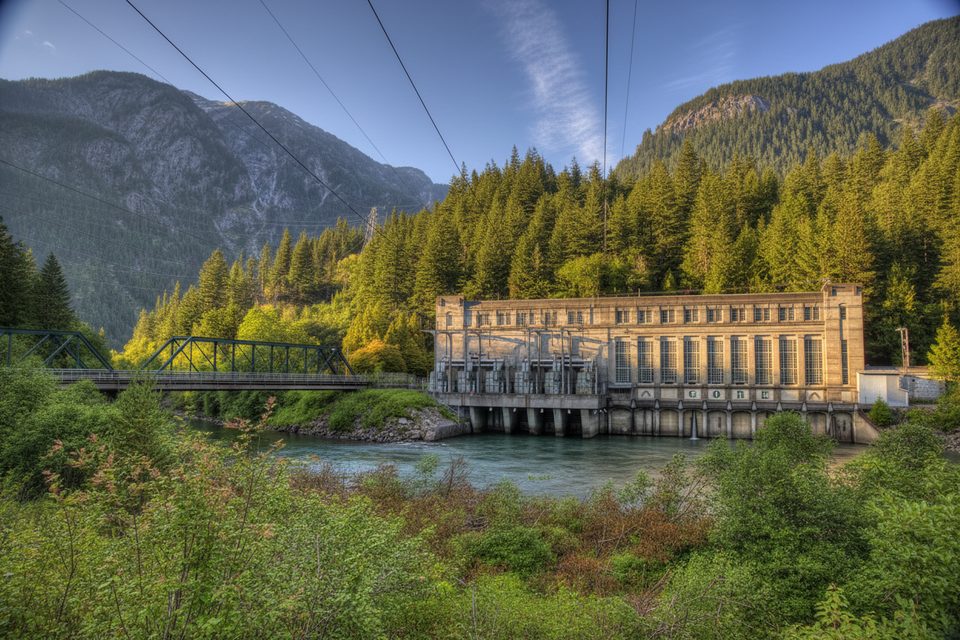
An Art Deco hydroelectric plant perched above the teal Skagit River, the Gorge Powerhouse anchors Seattle City Light’s Skagit Hydropower Project. It’s one of three Skagit River dams that helped power Seattle and shaped the company town of Newhalem. The setting blends industrial history with riverside forest and an unexpectedly pretty garden.
Skagit Tours’ “Powerhouse Insider’s Tour” (a partnership with Seattle City Light, North Cascades Institute, and the National Park Service) gets you beyond the gallery: walk the bridge, step inside the plant, and hear stories about construction, culture, and the natural history of the Skagit valley. Tours are typically offered in summer.
Keep an eye on tree trunks for tidy rows of sapwells—red-breasted sapsuckers have been spotted here, and you might catch them visiting their sap taps along the riverside trails.
Place · 0.1 mi away
Place · 0.3 mi away
Place · 0.3 mi away
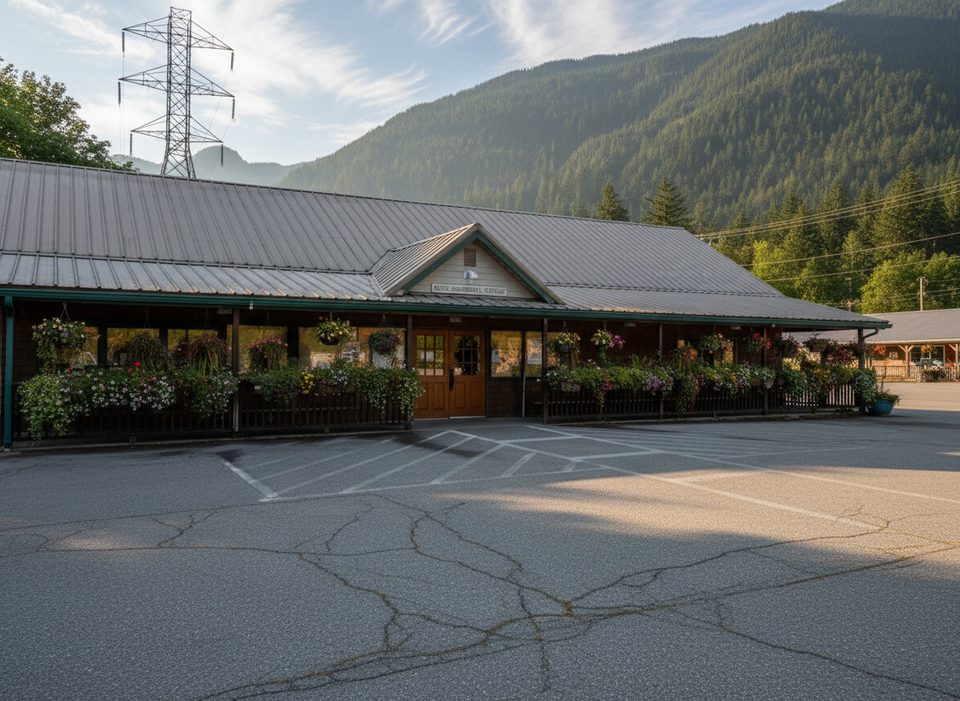
Place · 0.4 mi away
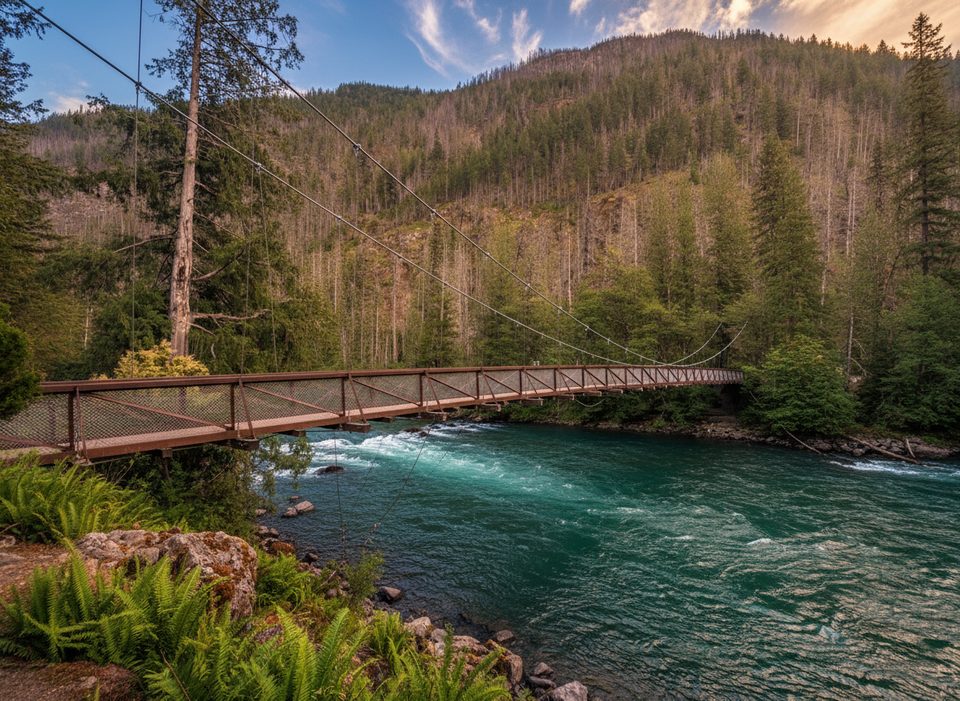
Easy · 0.1 mi away
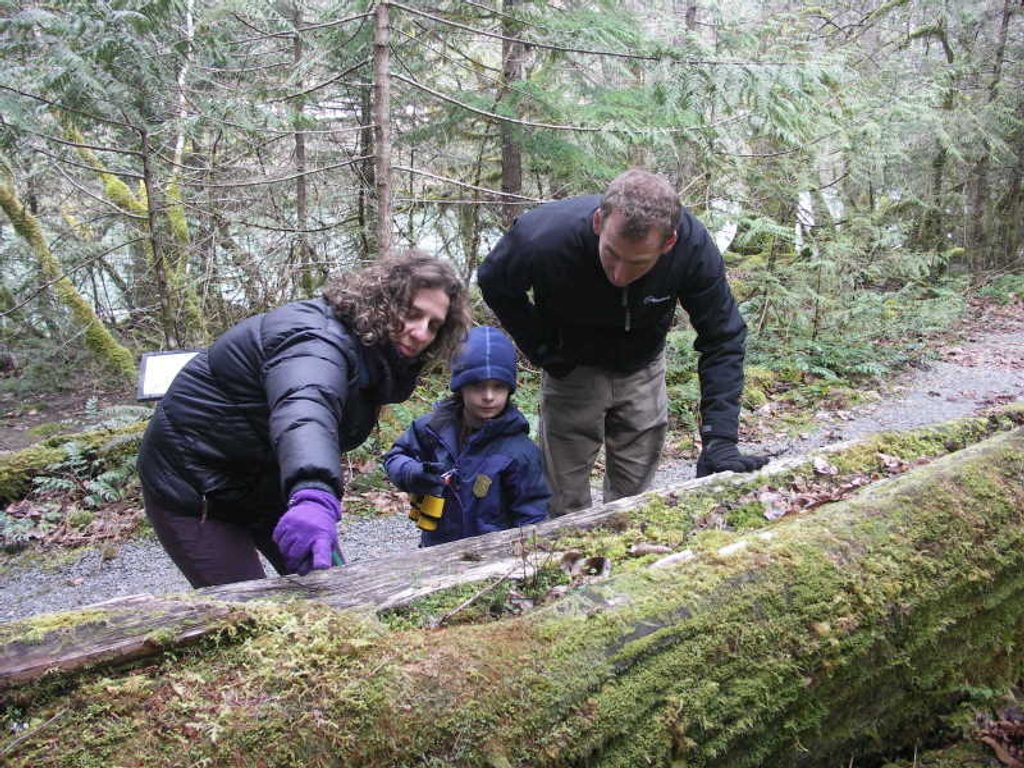
Easy · 0.4 mi away
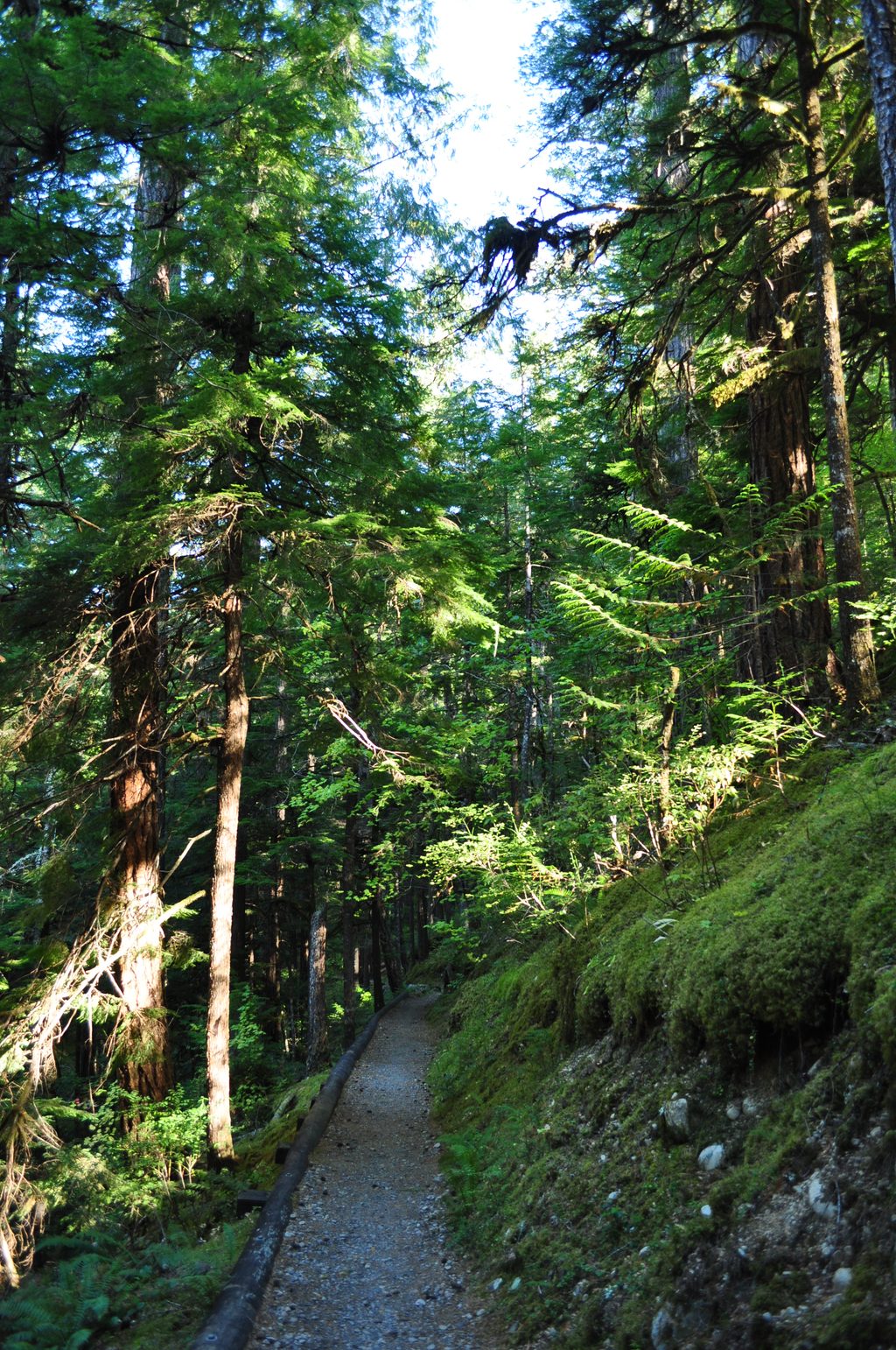
Easy · 1.3 mi away
Easy · 1.4 mi away

Parkwolf Tour Guide
