Overview
About Lake Magadi
Why stop
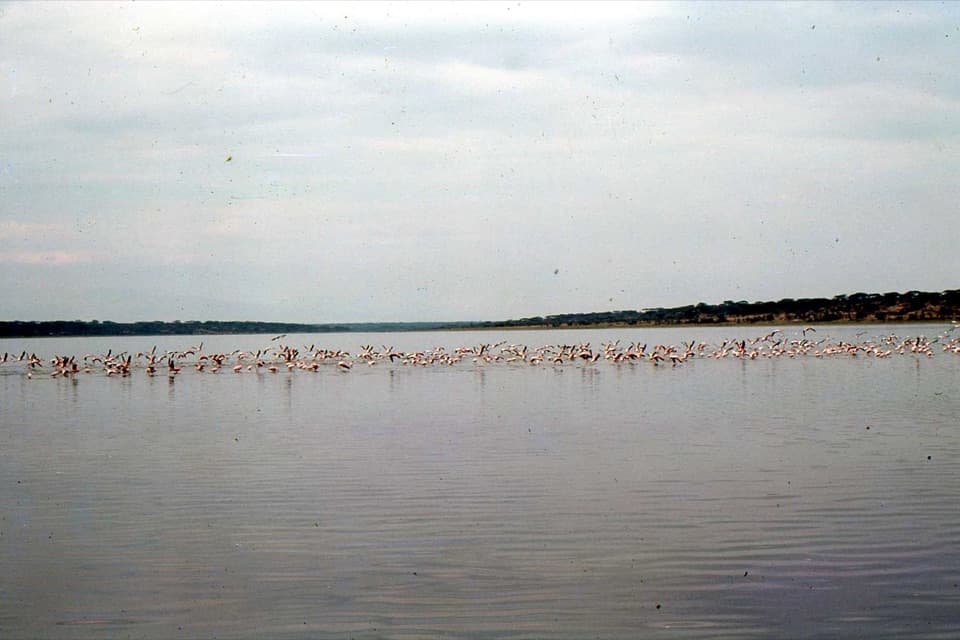
- Distinctive salt-lake scenery with possible flamingos and other waterbirds.
Map
Where it is
The highest, rockiest slopes around here are a summer buffet for grizzly bears.
Serengeti Tour Guide
Your drive to Lake Magadi, narrated.
Parkwolf is a GPS audio tour guide for Serengeti National Park. As you drive, it chimes in with what’s ahead: hidden gems, upcoming stops, history, geology, and wildlife, right through your car’s speakers.
See the Serengeti audio tourRecorded for this area
The Pelican's Scoop and Swallow“If you see a pelican fishing, watch what happens between the scoop and the swallow. Its big pouch stretches to take in fish along with a mouthful of water.”
Plays on the road 2.1 km from Lake Magadi in the Parkwolf Serengeti Tour Guide.
More stories near here in the app
- The Food Behind a Flamingo's Pink
- Elewana Serengeti Pioneer Camp
- Gong Rock
- Eyes That Stay Level with the Ground
- 298 audio storiesacross Serengeti’s roads, triggered by GPS as you drive
- Wildlife heatmapsfor Lion, Leopard, Cheetah, and 13 more
- Works offlinemaps, 1 trails, 62 places, and audio download before you lose signal
- CarPlay readysimple controls built for the drive
“Fantastic app with many points of information… It’s great to just turn on while you’re driving and it gives you an audio tour of the national Park. We love it!!!!”


Guide
More about Lake Magadi
Keep it on a Moru driveLake Magadi is a shallow, saline lake just northeast of the Moru Kopjes, in central Serengeti’s…
Lake Magadi is a shallow, saline lake just northeast of the Moru Kopjes, in central Serengeti’s plains-to-woodland landscape. It’s worth noticing for its pale salt-crusted edges and birdlife, especially if your game drive is already passing through Moru. Flamingos are a possibility, not a promise. The map pin marks the lake itself, not a verified pullout or shoreline access point, so check with your driver where your route can stop before navigating there.
A lake of soda and salt“Magadi” is Swahili for soda, a fitting name for the lake’s alkaline water.
“Magadi” is Swahili for soda, a fitting name for the lake’s alkaline water. As water evaporates or recedes, it leaves a white salt crust along exposed edges. If your route has a permitted view, try to include both the water and pale shore in the same frame; that contrast shows what makes this lake different from the surrounding plain.
Birds and other wildlifeGreater and lesser flamingos may feed on algae in the alkaline water, but bird numbers vary.
Greater and lesser flamingos may feed on algae in the alkaline water, but bird numbers vary. The Moru area account also notes lions using swamp grass beside the lake as cover near drinking animals, and bat-eared foxes hunting insects along a receding shore. Treat these as possible sightings, not a checklist.
A catchment in the Moru landscapeLake Magadi is described as a catchment for the Mbalageti River, which flows northwest from the…
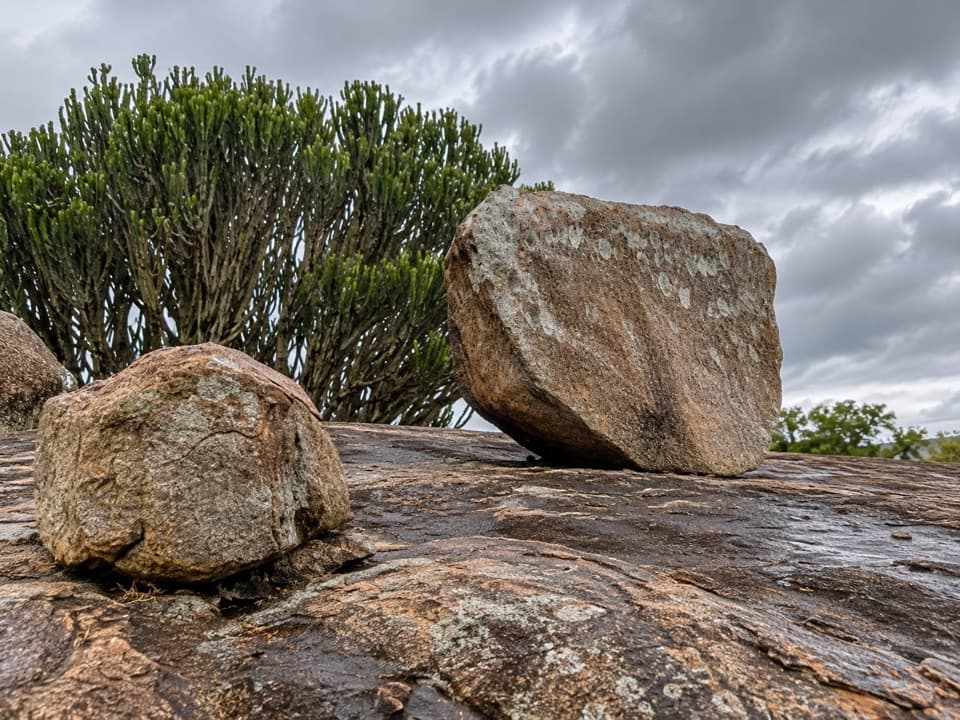
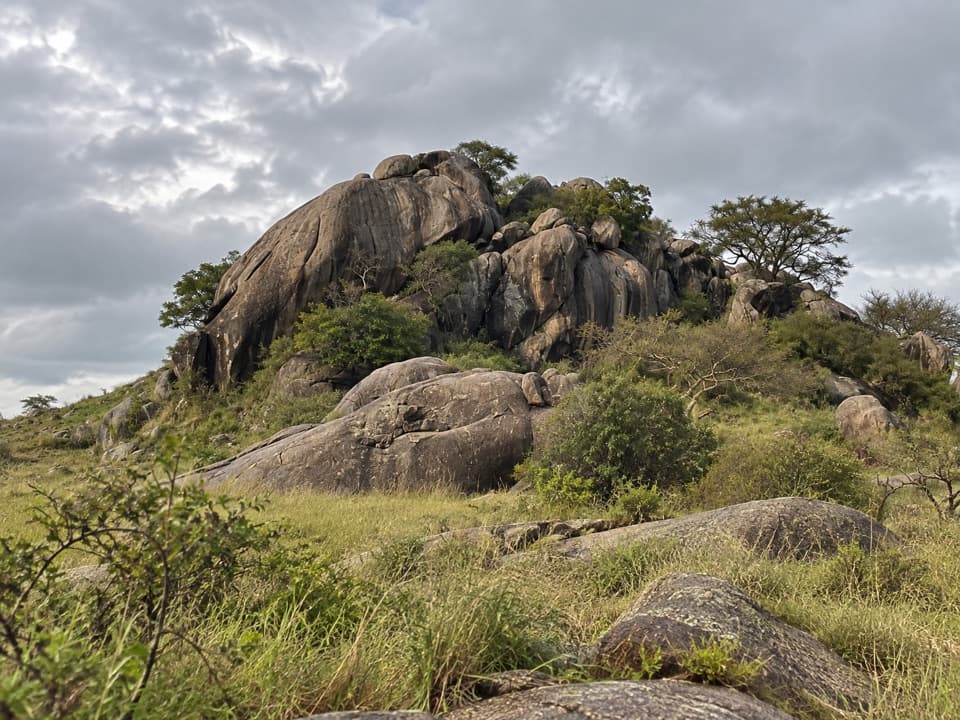
Lake Magadi is described as a catchment for the Mbalageti River, which flows northwest from the Moru hills. Around the lake, open plains give way to tree-studded woodland, granite kopjes and tall candelabra euphorbia. That shifting mix makes the lake worth noticing even when there are no flamingos on the water.
Wildlife
Wildlife in Serengeti
 649 sightingsLionMost seen around 6 AMSighting map
 235 sightingsLeopardMost seen around 6 PMSighting map
 276 sightingsCheetahMost seen around 7 AMSighting map
 550 sightingsElephantMost seen around 5 PMSighting map
 133 sightingsCape BuffaloMost seen around 7 AMSighting map
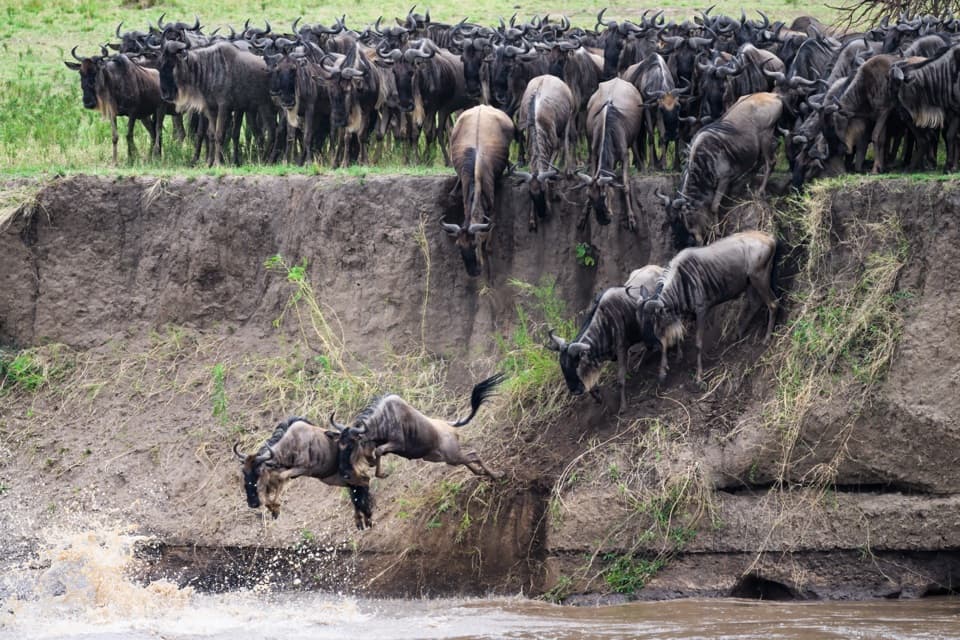
 190 sightingsWildebeestMost seen around 5 PMSighting map
Sighting maps show where each species has been reported across Serengeti. Wildlife moves, so no sighting is guaranteed.