Place · 2.5 mi away

Gong Rock is a quirky stop in the Moru Kopjes: a granite boulder that rings with a metallic, bell‑like tone when struck. Its surface carries hammered indents from past use, hinting at a long cultural story tied to the area.
You’ll find it in the Moru Kopjes of central/south‑central Serengeti, roughly northwest of Naabi Hill Gate and near the Mbalageti River. It’s typically a short walk from where vehicles pull off the track to visit the rock paintings and the “gong” itself.
Beyond the sonic novelty, Moru Kopjes is classic Serengeti kopje country. The area concentrates wildlife and is noted for a small, closely protected black rhino population—sightings are never guaranteed, but this is where they live. Predators like lions and leopards work the surrounding grasslands and rocky outcrops.
There’s no formal lot or signed trailhead—your guide will nose into a small pull‑out and you’ll walk a few minutes to the rock. Roads are rocky and slow. Don’t expect water, shops, or restrooms at the site; plan your breaks at gates, airstrips, or established picnic spots such as Naabi Hill or around Seronera.
Go with your guide, only step out where permitted, and pack out all trash and tissues. Enjoy the cultural sites without touching the nearby rock paintings.
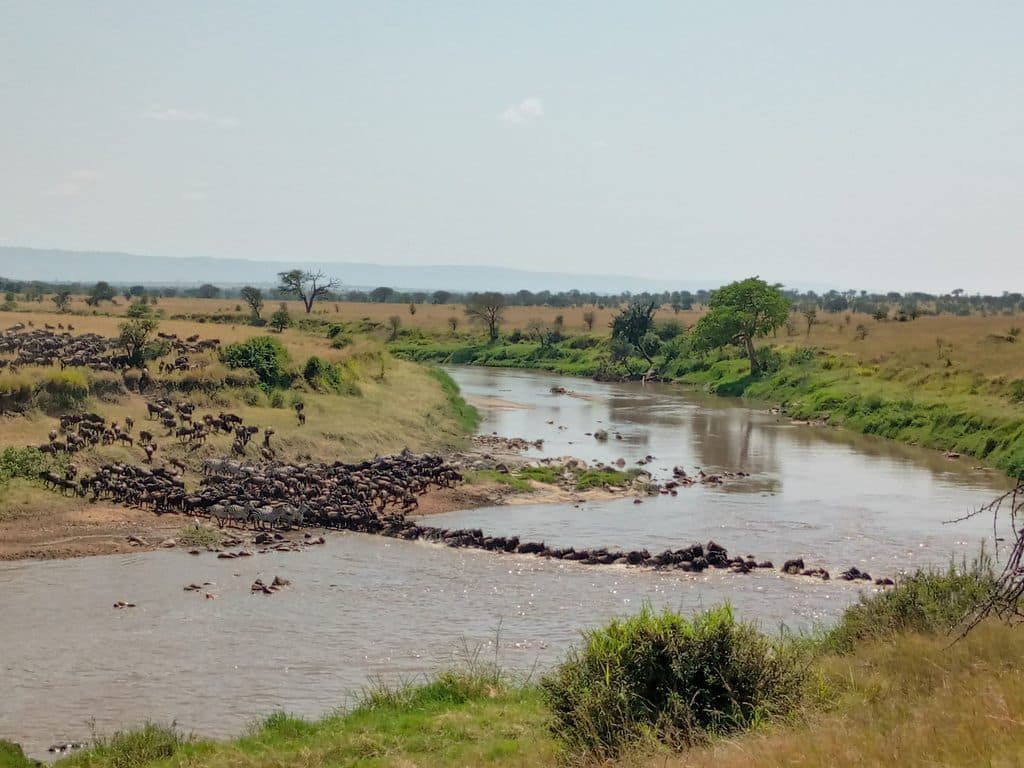
Combine Gong Rock with the Maasai rock art in Moru, then swing through the Seronera River Valley for prime predator viewing. If you’ve got time, Retina Hippo Pool is a memorable (and pungent) add‑on, and during July–November the Grumeti River in the Western Corridor can see dramatic Migration moments.
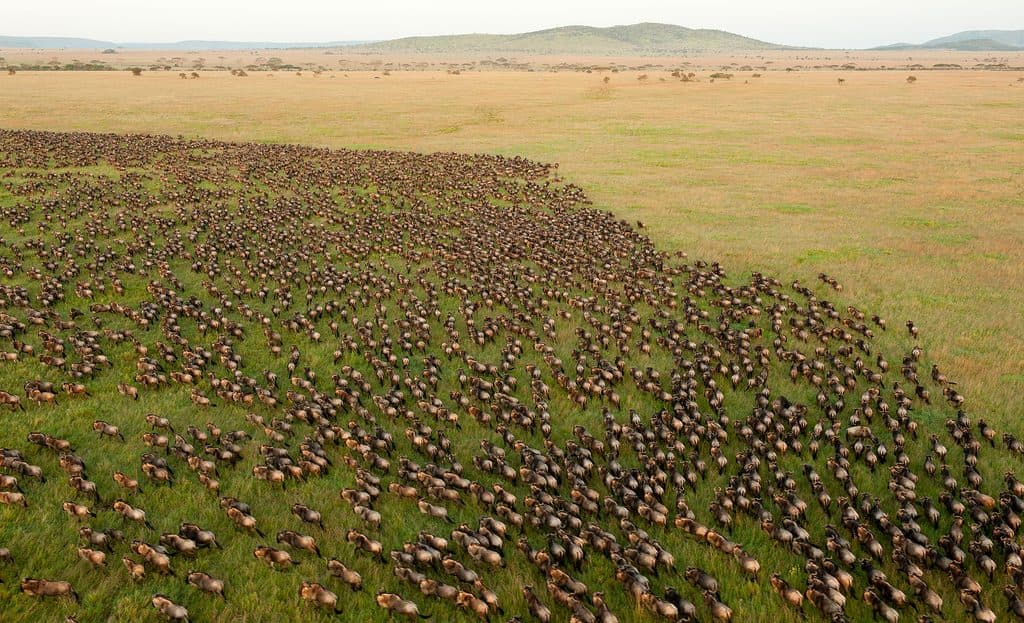
Year‑round works for Gong Rock. If you’re timing around the Great Migration, herds tend to concentrate on the southern plains from roughly December–June; July–November is stronger for Central/Western/Northern areas, which pairs well with a Moru/Seronera day. Expect queues at Naabi Hill Gate during busy periods and plan restroom stops there or in Seronera before you head to Moru.