Simba Kopjes

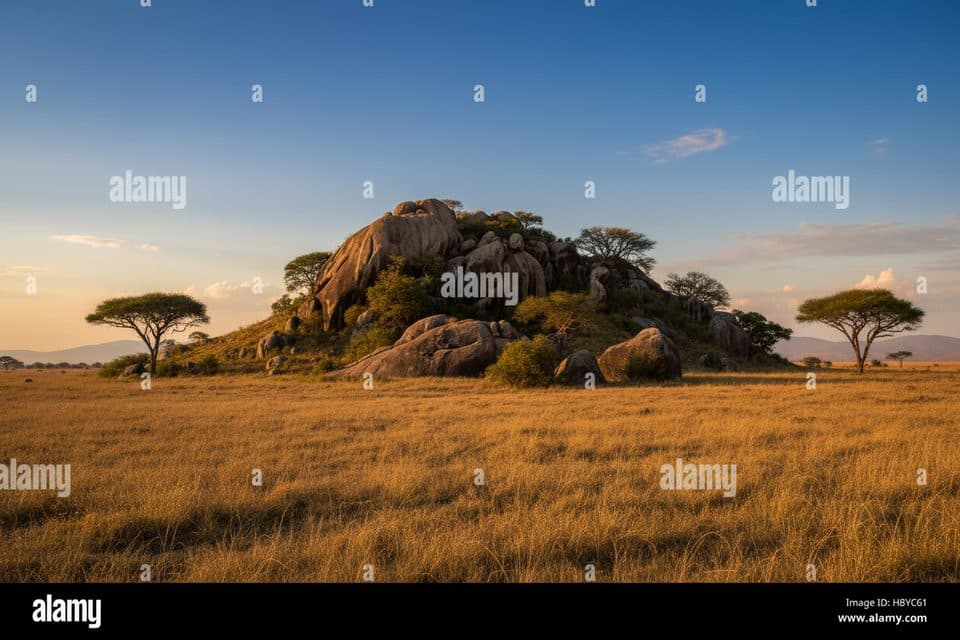
Granite lion hangout with classic sunrise silhouettes
Simba Kopjes, Serengeti National Park
InsideSerengeti National Park

Overview

Simba Kopjes are classic Serengeti kopjes—ancient granite/gneiss “islands in a sea of grass.” These exposed Precambrian rocks break the flat plains into a natural stage where predators bask, scout, and den. The cracks hold pockets of soil and sometimes water, creating a cooler, greener micro‑habitat than the surrounding short‑grass country. Many travelers also know these rocks from popular culture; they’re often cited as inspiration for iconic lion scenes.

What You’ll See

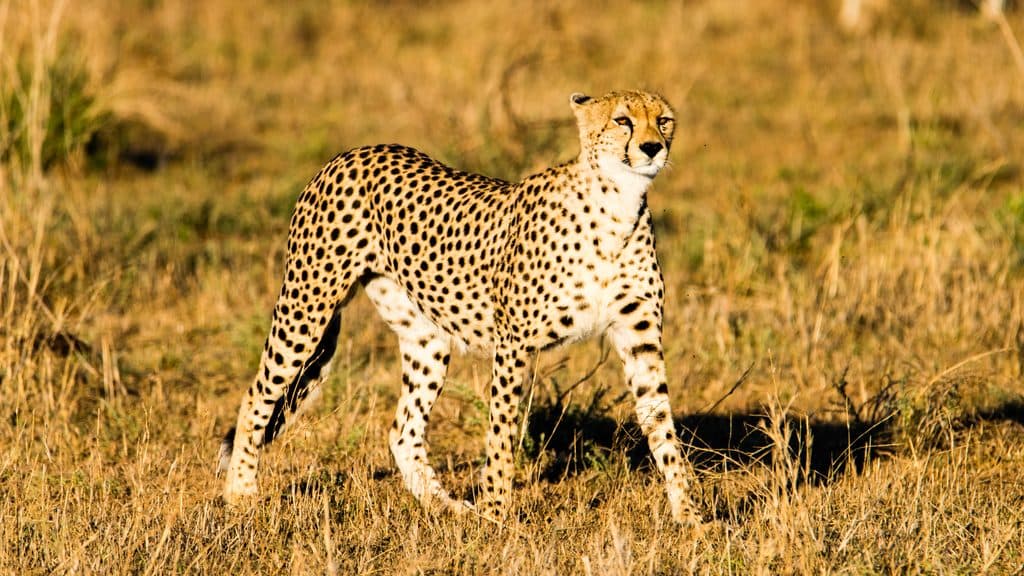
  • Lions are the headline act here, using the boulders for shade and vantage. Leopards and cheetahs also work the area.
  • Rock specialists like klipspringers and hyrax, bright Mwanza agamas, plus raptors riding the updrafts.
  • Distinct plants rooted in crevices—tiny gardens that draw insects, reptiles, and small mammals, which in turn attract predators.

Where It Fits in Your Drive

Simba Kopjes sit along well‑traveled game loops between Seronera and the eastern plains toward Naabi Hill Gate. Tracks typically circle the rocks, letting you work multiple angles without leaving the vehicle—perfect for waiting out that moment when cats climb a boulder or cubs appear.

Best Times to Visit

  • Light and activity peak in the first two hours after sunrise and the last two before sunset. Stormy late‑afternoon skies can be spectacular.
  • Midday often brings heat shimmer; save tight shots for early/late windows.
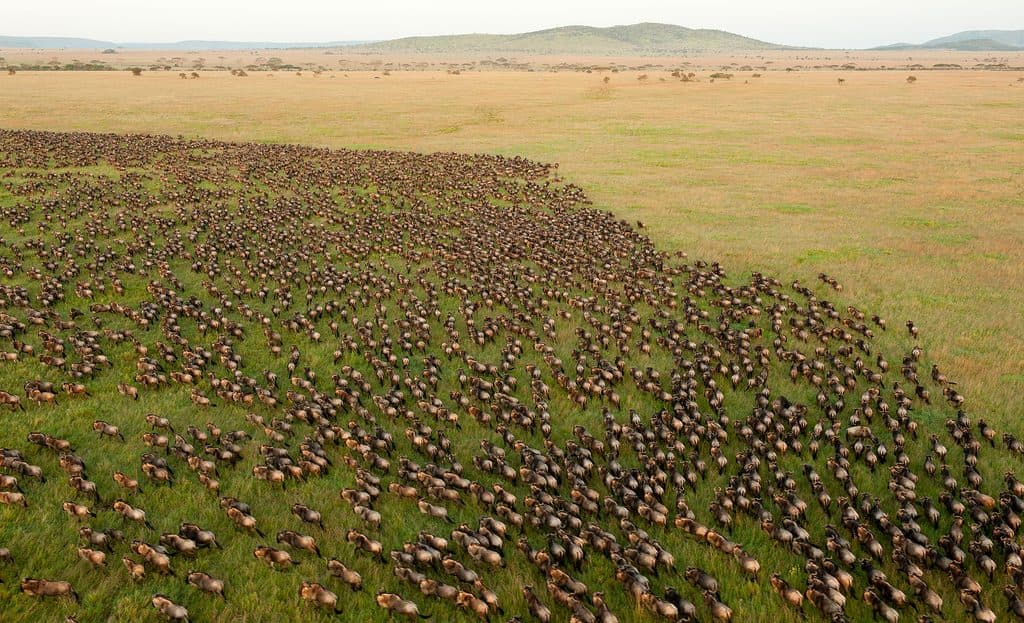
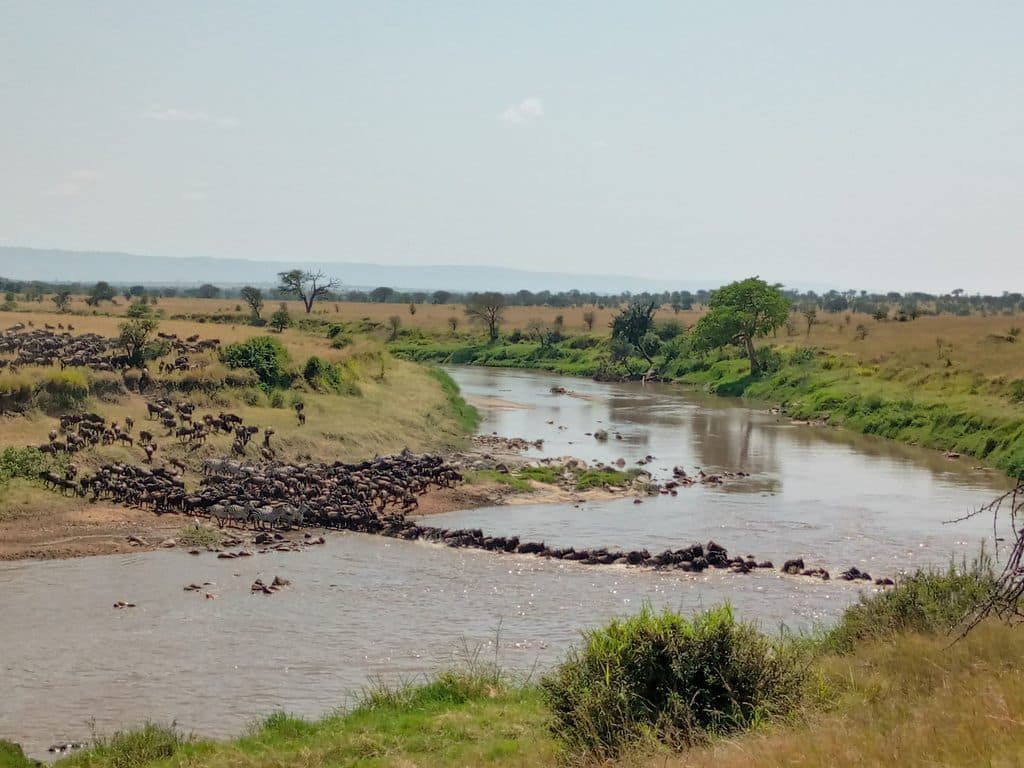
  • The Great Migration can pass nearby twice a year—typically June–July and again around October—adding busy plains scenes to your cat spotting.


Wildlife Notes

Kopjes act as fire breaks and “water banks,” with hollows that retain moisture after rain. That extra water and shade foster unique plants and concentrate prey, which is why predators linger. Expect lions warming on sun‑lit slabs and scanning from the highest rocks.

Nearby to Pair With

A small hippo pool lies south of Simba Kopjes, and Lake Magadi to the west can hold flamingos—easy add‑ons to round out a loop.

Practicalities

Facilities here aren’t confirmed; picnic spots in the Serengeti are often basic. Plan to stay in your vehicle unless your guide confirms an approved stop. Give yourself time to linger—patience is often the difference between a quiet rock and a story‑making sighting.

Photo Tips

Work the circle road for different backgrounds; go wide for skies and silhouettes, long for behavior and expressions. Early/late light hugs the granite and brings out color and texture.

Pros

  • Reliable big‑cat action, especially lions lounging on the rocks
  • Dramatic sunrise/sunset light and clean horizons for photography

Cons

  • No confirmed facilities on‑site; plan as if there are none
  • Access tracks can be confusing or variable; go with a guide

Tips

  • Ask your guide for the loop that circles the rocks to work multiple angles.
  • Plan for no services: carry TP, hand sanitizer, and water.
  • Arrive at dawn or return late afternoon to beat shimmer and catch cats moving.
  • Stay in the vehicle unless your guide confirms a designated stop.
  • Be patient—give it 20–40 minutes; the payoff often comes to those who wait.
The Parkwolf tour guide sitting on a phone mounted in a car

Parkwolf Tour Guide

Like a tour guide in your car.

Save the places you found around Serengeti, then let Parkwolf guide the drive between them.Download Parkwolf on the App Store