Overview
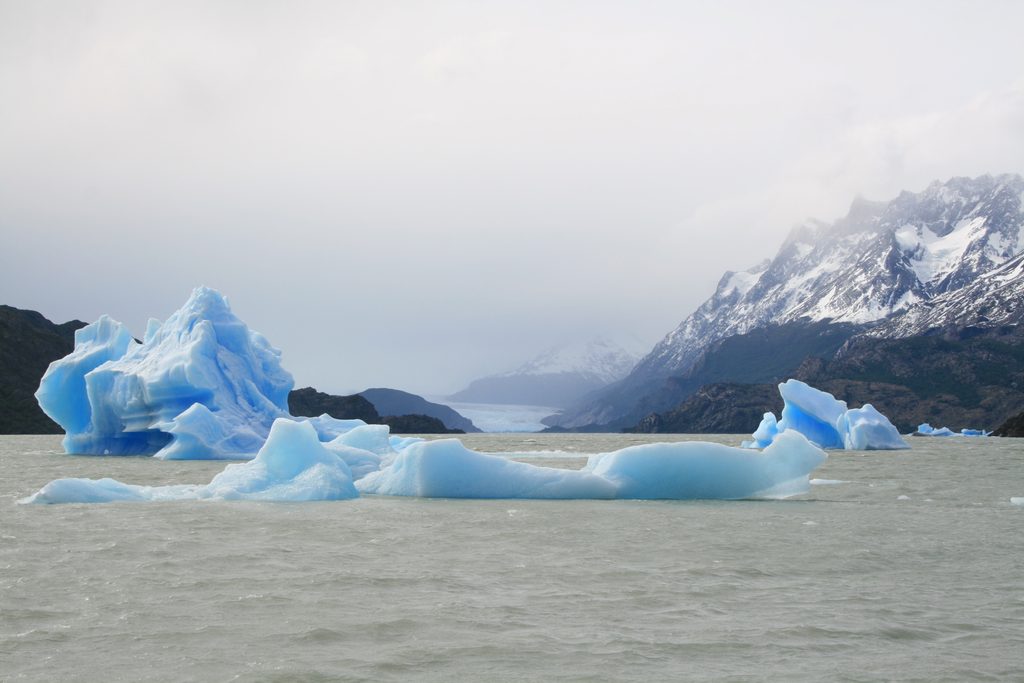
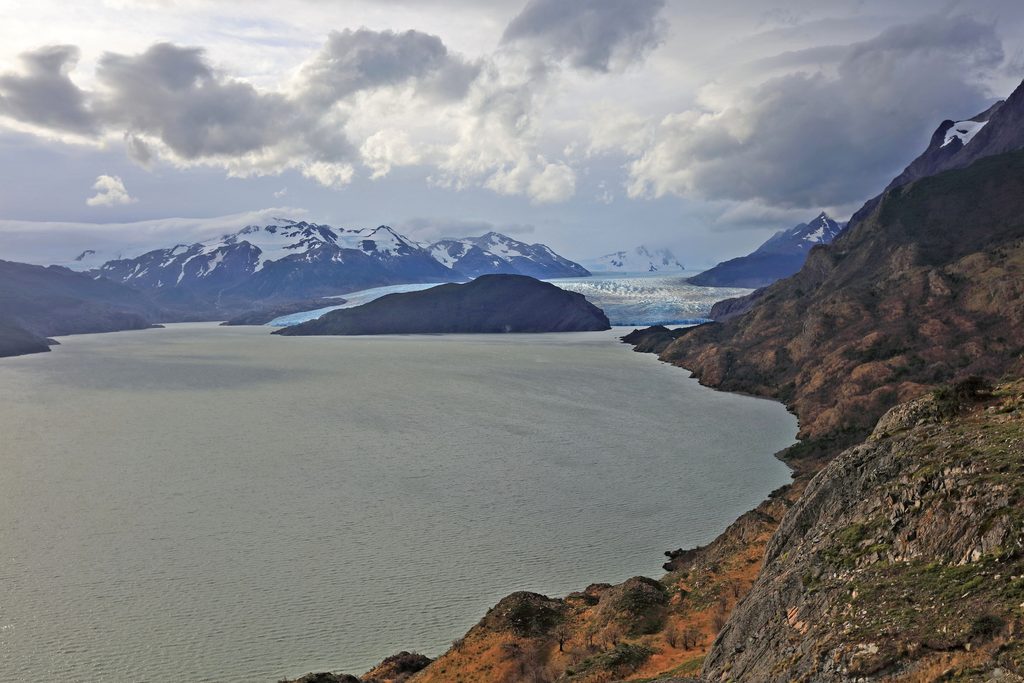
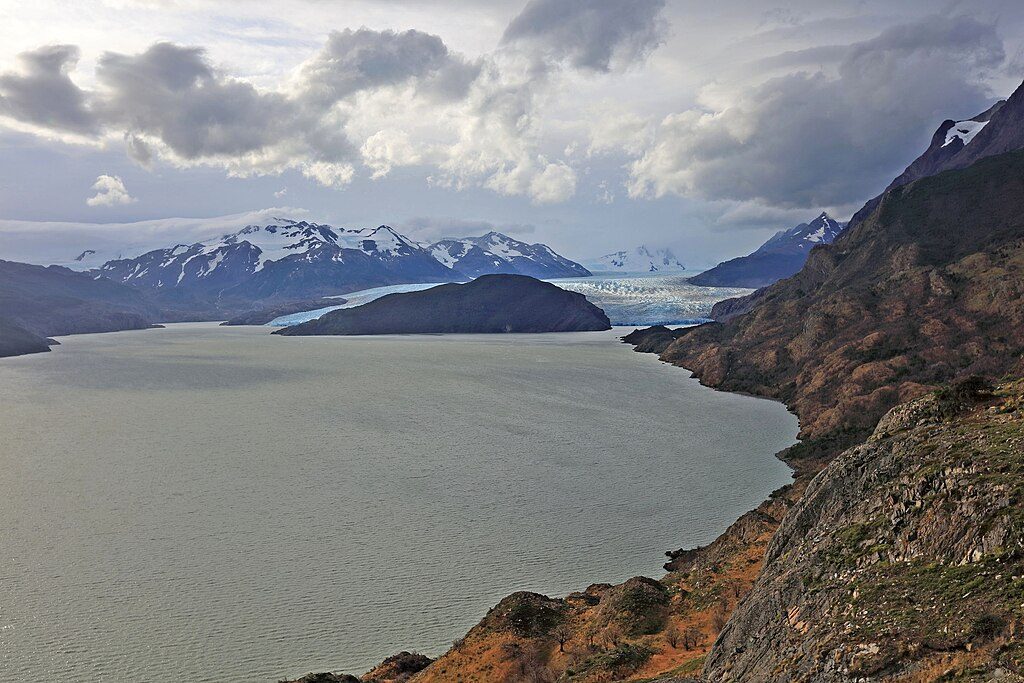
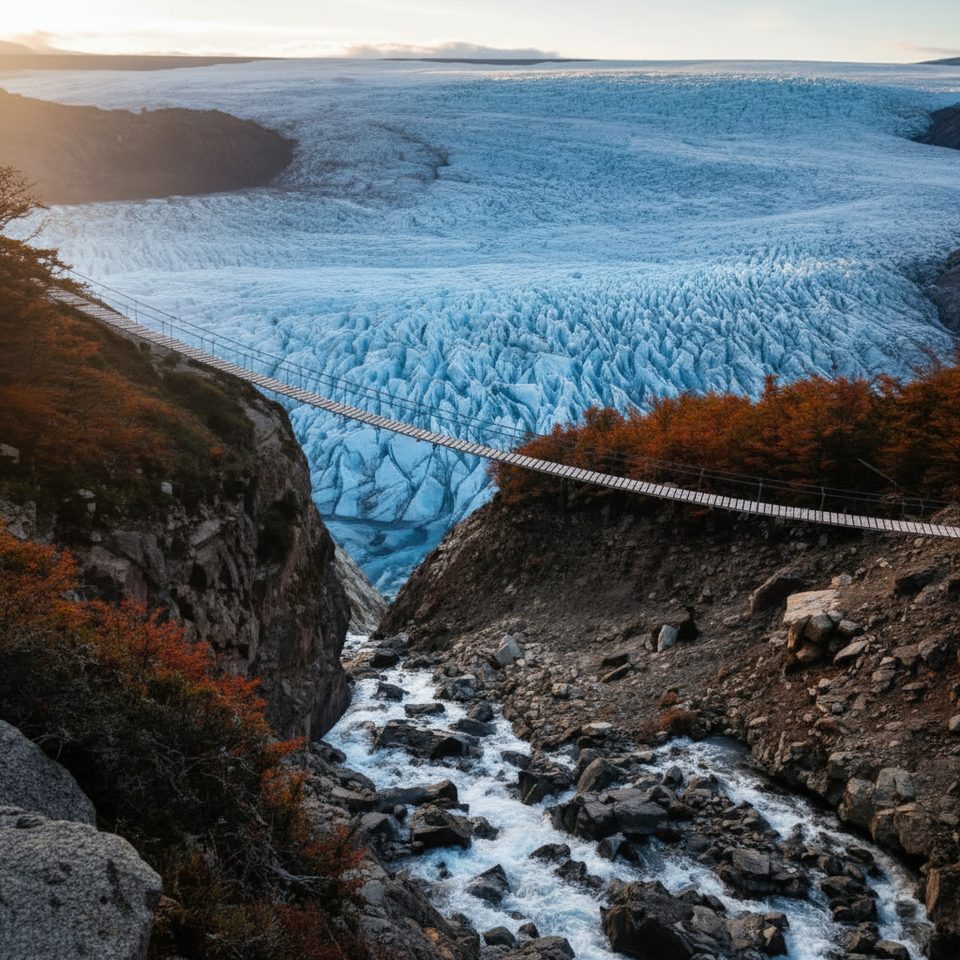
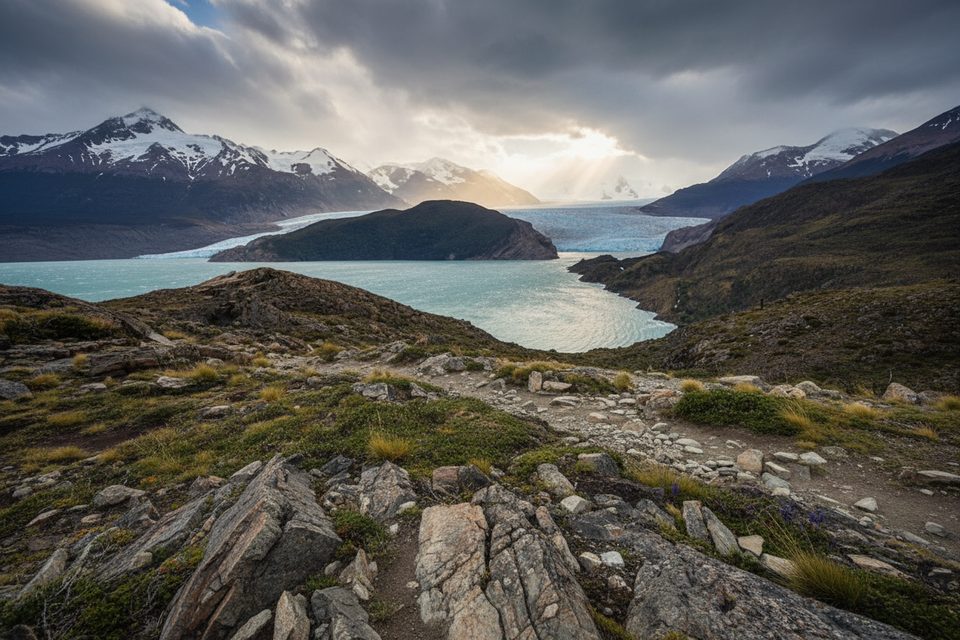
Grey Glacier is the park’s largest glacier, a jagged blue wall calving into Lago Grey on the west side of the Paine Massif. A rocky island (a nunatak) splits the glacier’s snout into two arms—about 1.2 km wide on the east and 3.6 km on the west—with an ice front roughly 30 m high and an overall length near 15 km. The lake’s striking blue‑turquoise color comes from fine rock powder ground by the ice.
What You’ll See
- Fractured, steel‑blue seracs and frequent rumbling calving at the glacier front.
- The nunatak dividing the face, giving you two distinct ice tongues and photo angles.
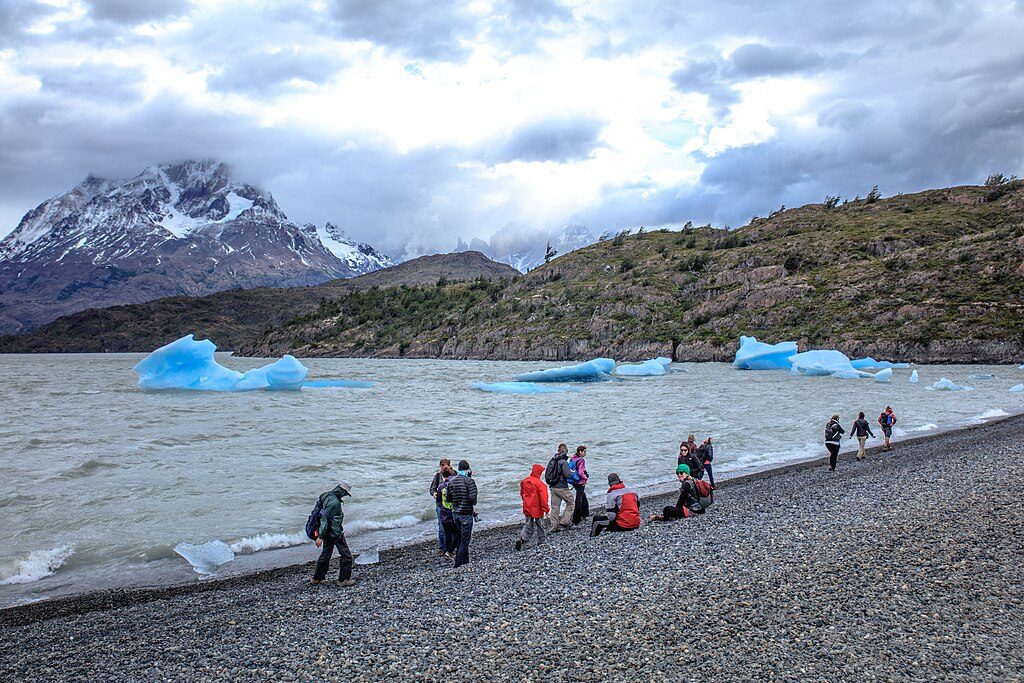
- Milky‑blue water colored by “glacial flour,” especially vivid on bright days.
How to Visit
- Boat, kayak, and guided ice hikes all operate here—choose your adventure and book ahead.
- You can visit on a day tour; it’s also a signature stop along the W and O trekking circuits.
Getting There
- For Lago Grey viewpoints and boat tours, use the Lago Grey/Guardería Grey area. The Pingo Ranger Station (Guardería Grey) parking is about 2 km from the Grey boat dock.
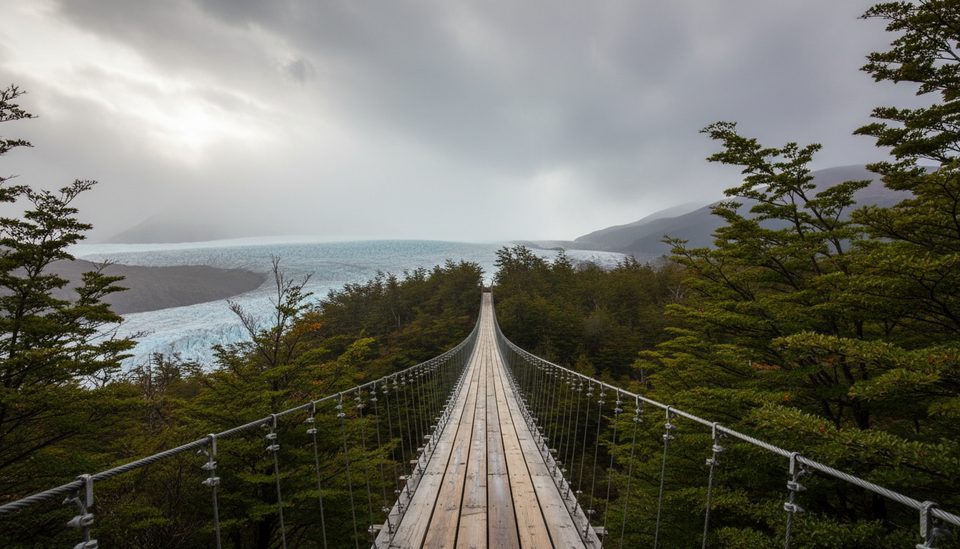
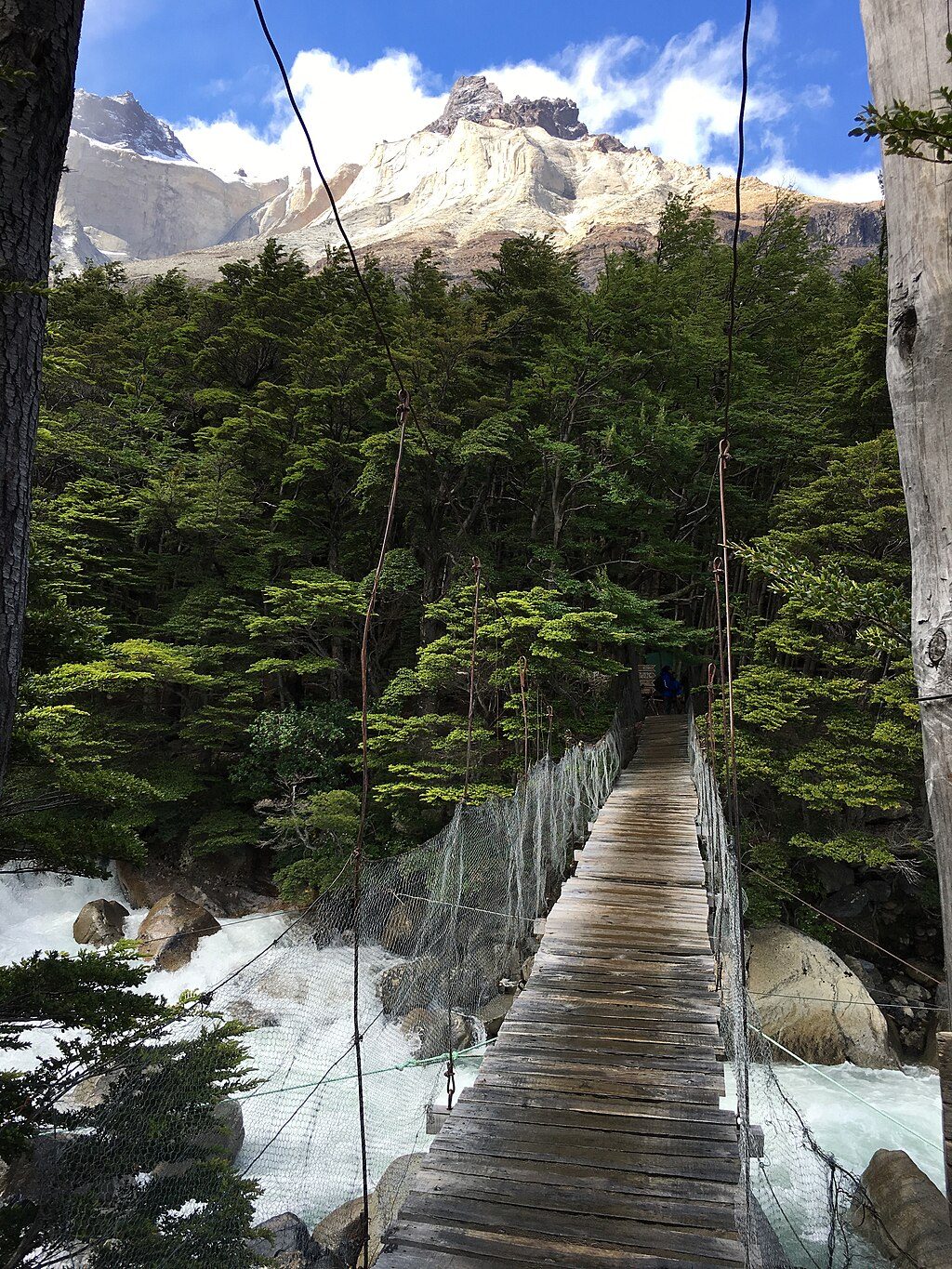
- Alternatively, park at Pudeto and take the Lake Pehoé catamaran to Paine Grande, then hike toward Mirador Grey and the suspension bridges. Recent reports note the catamaran requires advance purchase and is typically around 26,000 CLP one‑way; peak‑season seats can sell out.
Facilities
- Parking: Day‑use lots at Lago Grey/Guardería Grey and a large gravel lot at Pudeto for the catamaran.
- Restrooms: Toilets at Pingo Ranger Station; carry your own toilet paper and hand sanitizer.
- A small mini‑market is noted near Pingo—helpful for a top‑up, but don’t rely on it for full resupply. Lots are unguarded; lock up and keep valuables out of sight.
Best Time to Visit
- Austral summer (December–February) offers the longest days and the best odds of stable weather. Shoulder seasons (October–November and March–April) can be gorgeous but windy and variable. In any season, plan and book transport/tours early.
Geology Snapshot
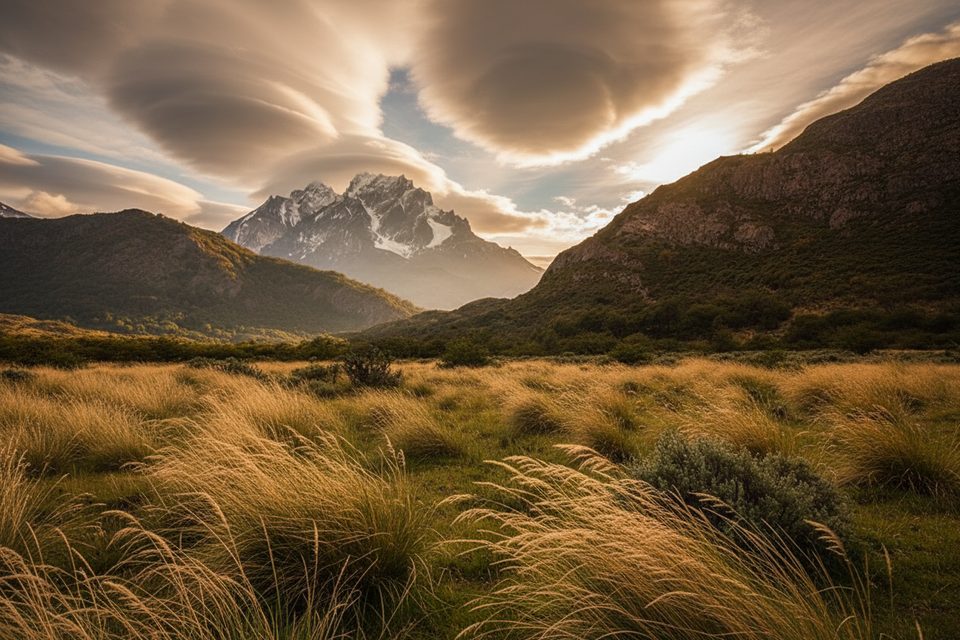
- The Paine mountains are geologically young, formed by pulses of granite intrusion uplifted and carved by intense glaciation—hence the dramatic mix of light granite and darker sedimentary layers and the sharp towers and horns that frame the glacier vista.
Safety & Etiquette
- Expect fierce winds—choose parking spots carefully (face into the wind) and secure doors.
- Stay on marked trails, keep your distance from wildlife, and follow strict fire rules; past visitor‑caused wildfires scarred large areas and forest recovery is slow.